






2023/24 produced a long, wet summer just perfect for weeds and as such, many of us are sitting here, at the end of April, feeling exhausted by the unrelenting nature of…nature.
Weeds are just plants growing where they are not wanted.
Really? If that’s all there is to it, how come they spread so far and fast? How come I didn’t turn around to find those understory wattles, tea trees and hop bushes covering the back paddock?
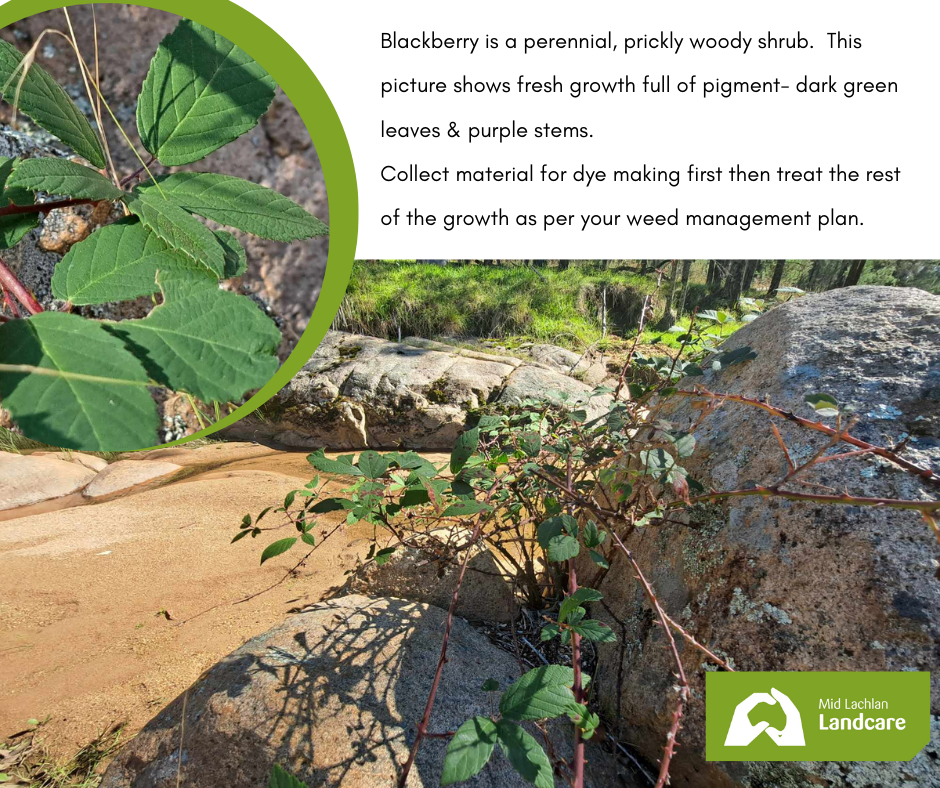
There is, of course, more to it than that. Weeds, especially those classified as ‘priority’ are typically expert opportunists thanks to the lack of competition, the speed and voracity in which they produce seeds or, in the case of Blackberry, tip rooting.
Blackberry grows by producing trailing stems that can take root wherever the stems touch the ground, forming a new plant. This is what creates such a problem both in terms of weed management and groundcover – it doesn’t take long for a thick, tangled, brambly mess to develop and take over the whole area.
Mentally, tackling weeds can feel unrelentingly soul sapping. The saying ‘Nature abhores a vaccuum’ can be traced back to Aristotle and while I can’t confirm he came up with the saying while weeding, I’ve no evidence to deny it either! Aristotle noted that ‘unfilled spaces go against the laws of nature and physics‘ which, in farming and conservation terms means, uncovered ground won’t remain that way for long and if we don’t plant something, the weed gods will. At least sometimes…
While all plants require nitrogen, potassium and phosphorus to thrive, there comes a point when enough’s enough and any more becomes toxic. Both the over-use of fertilisers and presence of animal manure increase nitrate and phosphate levels with soil management decisions largely responsible for fluctuations in soil potassium. Add to that soil compaction, mineral imbalances and erosion and you have created the perfect opportunity for a weed-shaped headache in the form of bare earth (the ‘vaccuum’) and toxically high, or out of balance, nutritional levels (NPK).
In a natural system, Nitrogen, Phosphorus and Potassium are made available to plants via soil organisms such as worms, nematodes and a whole host of microorganisms. These organisms transform soil minerals into forms plants can access, allowing them to develop stronger roots, leaves, fruits and seeds. This symbiotic relationship supports a balanced, diverse and more resilient ecosystem that leaves little to no room for weed infestation.
Well that’s a great story but what can I do about my weed problem now?
As anyone working on the land will appreciate, change takes time, money and hard graft. That’s undoubtedly why waking up to a paddock full of weeds feels like such a kick in the guts. While we can’t change the reality of that, what we can do is offer up a few ideas to help us stay mentally engaged, curious and energised.
This is the first in our ‘Creative Ways With Weeds’ series, designed to help us stay on the weed-busting wagon. Sure, not everyone is going to want to make blackberry dye, but someone might and that someone might just be able to help you with a bit of weed management while they are at it!
They say you can’t make a silk purse out of a sows ear but I beg to differ, I can’t wait to hear about what you create on your weed-engagement journey!


 Mid Lachlan Landcare