Hooray, we have some trees in the ground for our Glossy Black Cockatoo project!
This project involves us planting a minimum of 1000 trees & shrubs to connect the Western Woodland Way between Conimbla & Nangar national parks, centred around Gooloogong. We’ve been planting She Oaks (Allocasuarina verticillata), Eucalypts and some complimentary understory species with the She Oak being key given it’s a prefered feed tree of the Glossy Black Cockatoo – our target species. We’ve got a total of six planting sites in this project, the first two having been planted out over this last week. Here’s how that went…
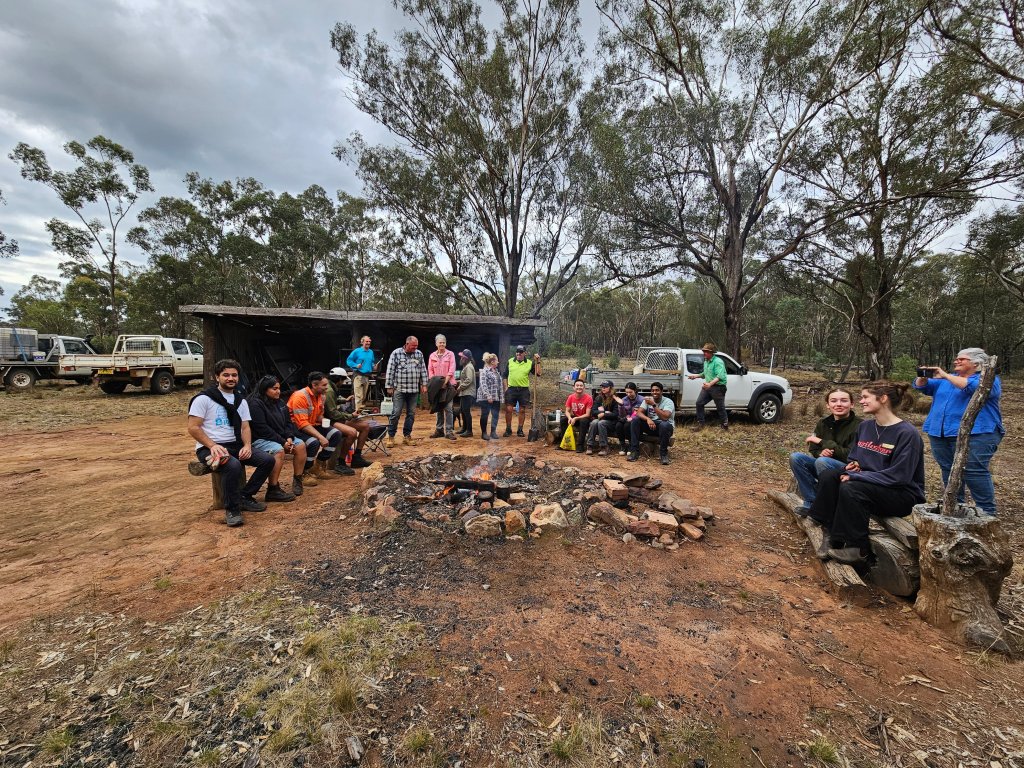
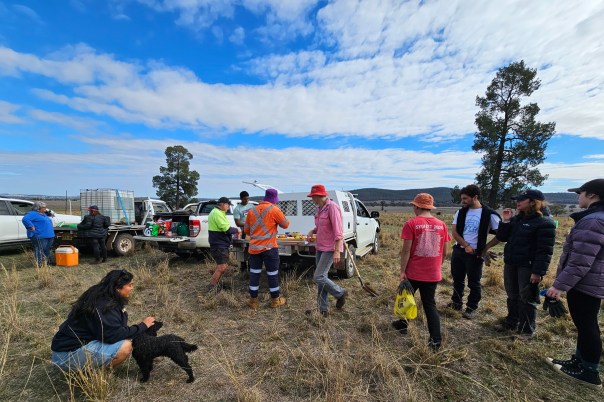
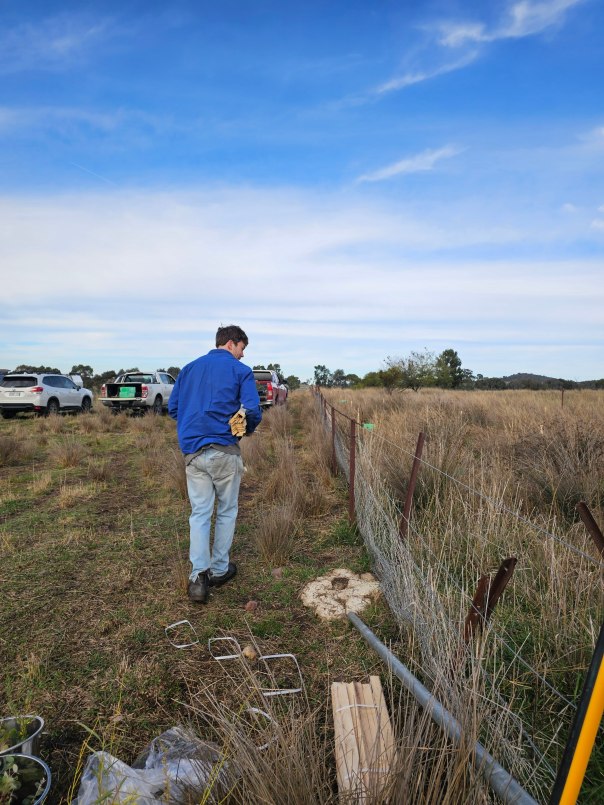
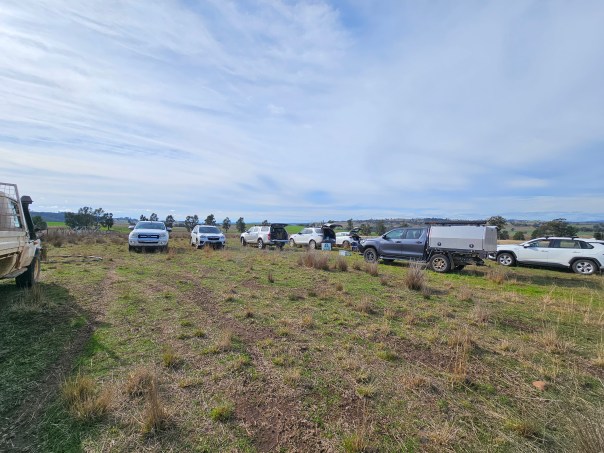
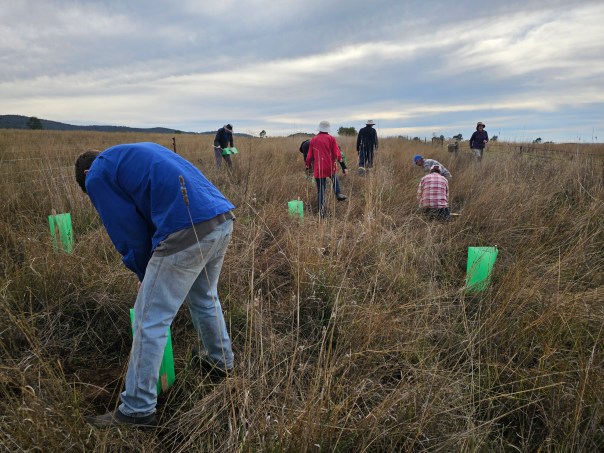
A fabulous crew of volunteers attended our tree planting extravaganza on Saturday morning with Eugowra Catchment Landcare. This included a team of young folks from Sydney who’d previously been involved in The Big Lift and are now, post university, continuing their rural volunteering on their own terms. They were a very interesting & highly skilled bunch and it was great to get to know them a little more in between digging, planting and watering.
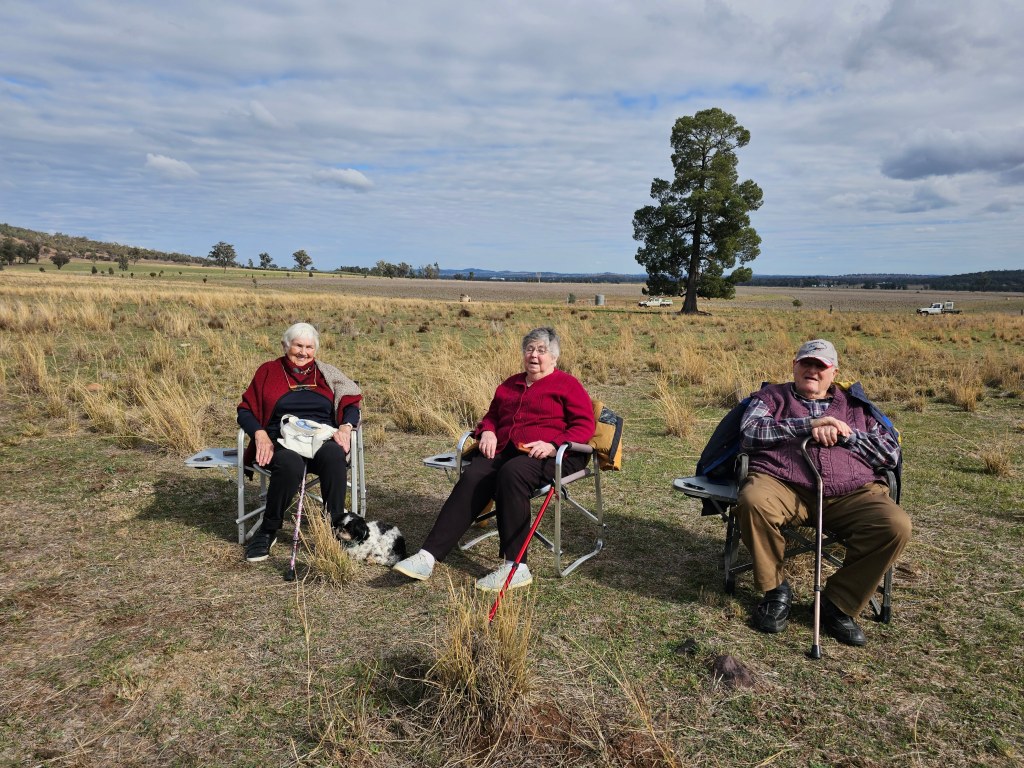
It was lovely to be joined by Tim & Ash’s parents who came armed with home-baked scones and treats. They were able to tell us a little more about their connection to this country and to some of the triumphs and disasters that had occured over the years leading up to today.
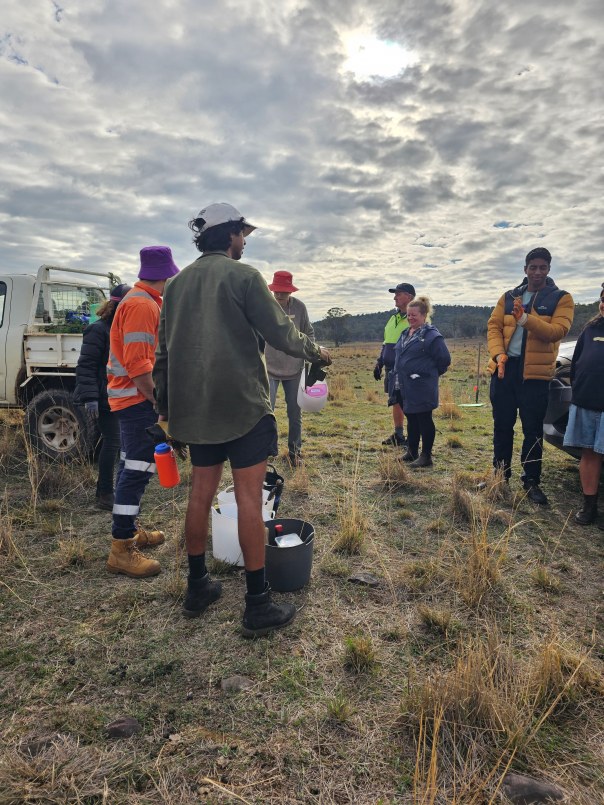
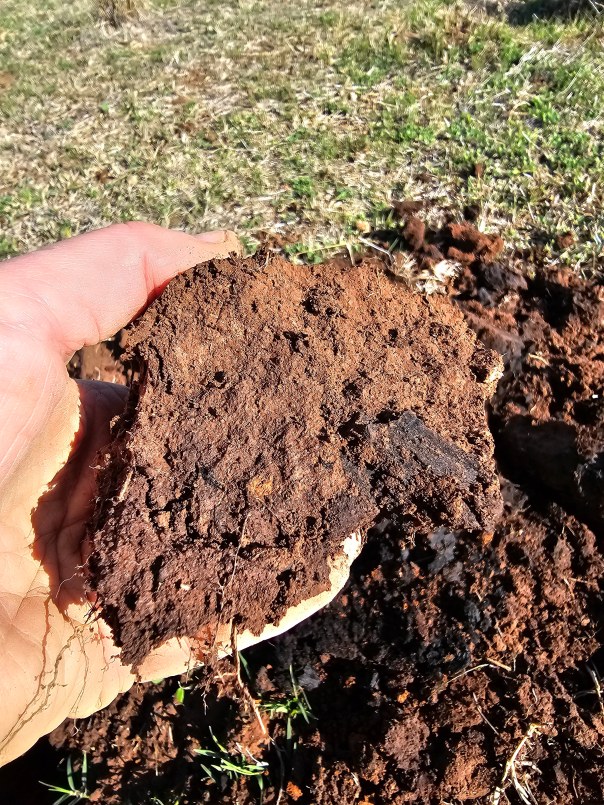
Soil tests were conducted during both planting days to give us an idea of what conditions were going to be like underground for these baby trees. Both pH and soil microbiology measurements (using a microBIOMETER®) were taken as well as an unofficial worm & critter count – the macrobiology is as important as the soils microbiology in creating & maintaining optimal growing conditions.

Results for the first site were pH 6.5-7. Total microbe count 670 ug C/g. Fungi to Bacteria balance: 0.9:1 (47% fungi to 53% bacteria). These are great results given that this is a grazed paddock as often in farmed systems, the fungi numbers are down at under 25%. To put these results into context, a dry paddock with patchy grass will often return figures of between 300-400 total microbe count and a fungi:bacteria ratio of between 0.1-0.2:1 . Fungi is slow growing compared to bacteria so we generally see higher fungi levels in land that’s not been disturbed and especially under woody growth such as trees and shrubs. Total microbe levels generally increase quickly after rain with most of that increase being bacteria. Plants use soil microbes to help them access nutrients from the soil so a healthy, functioning soil microbiology is definitely going to give these plants a good start & I am convinced we have that here.
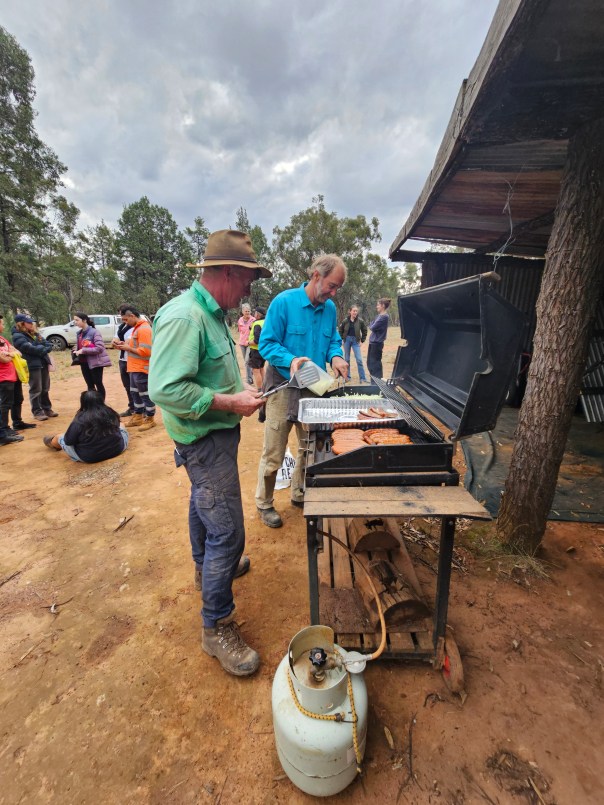
The first planting for this project wrapped up with a shared barbeque meal at the ‘Bush Hilton’ out on Tim & Ash’s block. Well, that’s where it ended for me at least as I had the Woodstock Soldiers Memorial Hall Ball to get to, I have it on good authority that many of the other’s carried on until dark. Now that’s dedication to the cause!
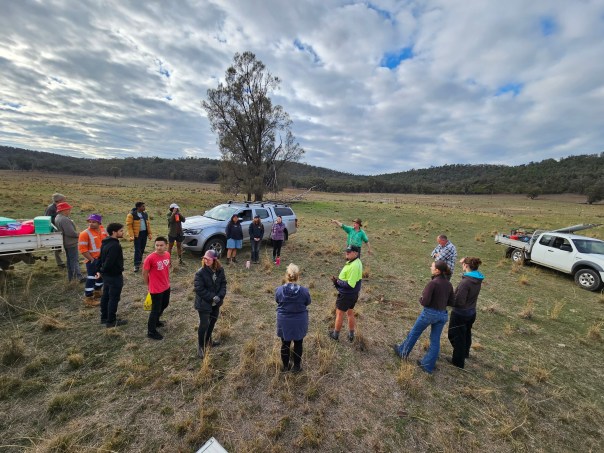


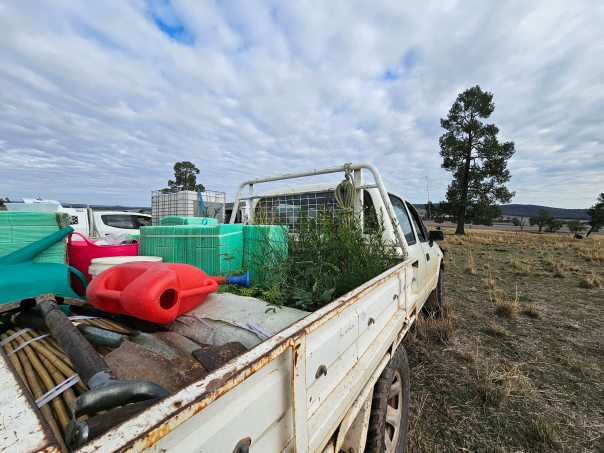


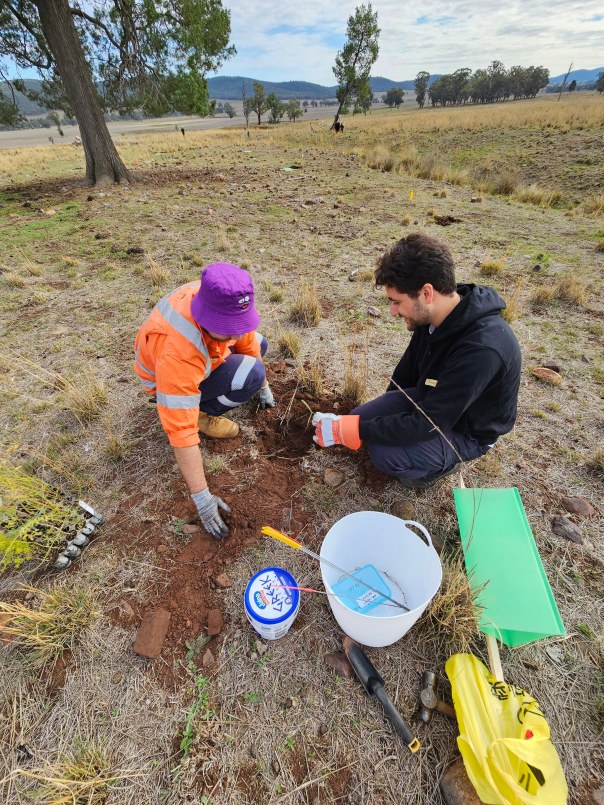

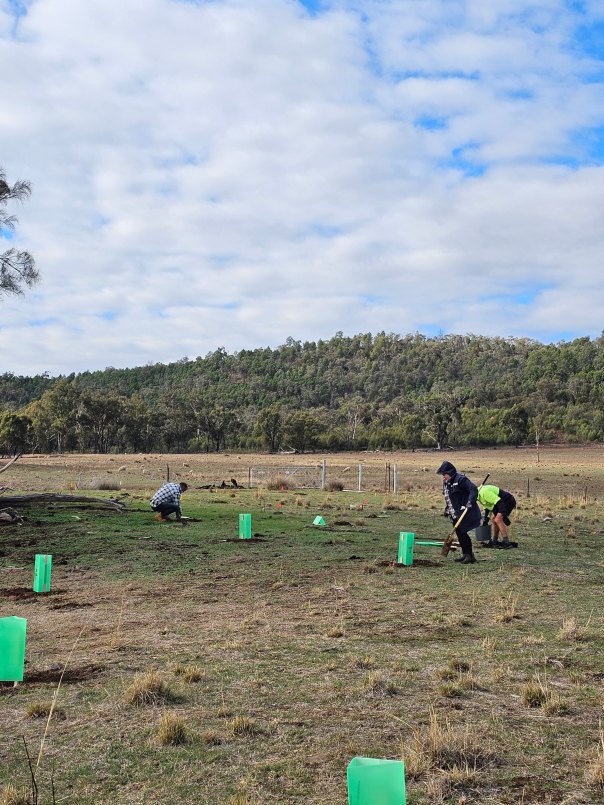





Our second planting event was held yesterday (Thursday 29th May) at Yackerboon, a sheep & conservation enterprise near to Cudal & Manildra. Both the proximity of Mandagery creek & the South West Woodland nature reserve- Mandagery made this a great site for habitat planting.
Our goal for the day was to get 150 trees in the ground, by lunch time we’d planted over 250 which was a fabulous effort!
As with Tim and Ash’s planting, I got some soil testing carried out here too so I could get a feel for the conditions our plants were being introduced to. pH was again good at approx 6.5 and soil microbe levels were very high with lots of fungi indicating a site that’s experienced a low level of disturbance in the recent past. Total microbes were 1082 ug C/g, Fungi:Bacteria ratio of 1.5:1 (60% fungi).
I have been taking soil microbiology measurements using a microBIOMETER®. This is a low cost, 20-minute on-site soil test for microbial biomass and fungal to bacterial ratio that allows you to quickly determine the health of the soil. It’s important to remember that this is a formative rather than summative test which means it’s useful for providing insights that inform ongoing actions rather than being seen as ‘if you get this result, do that to fix or change it’.
The microBIOMETER can be part of a summative site assessment (reviewing what’s been achieved) when readings are evaluated as part of a wider site assessment. I also refer to this as a narrative test meaning you need to consider the results you get from the test along with other factors at the site – what’s growing and how much, what’s the weather doing now/ recently, how has the site been managed, what’s the underlying geology of the site, what about site topography. Keeping all that in mind, both of our sites were in very good shape from a microbial perspective. Very encouraging!

Sharing a cuppa at the end of the day 
Tree planting this way! 


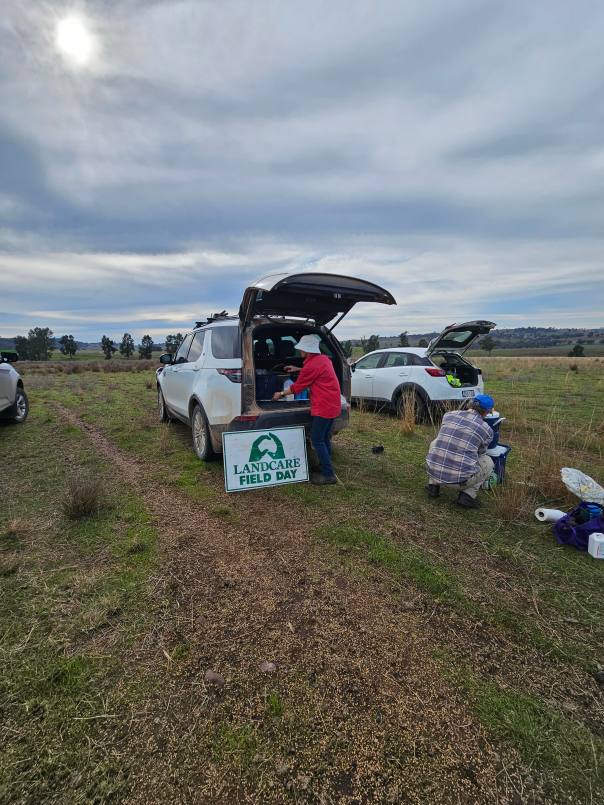
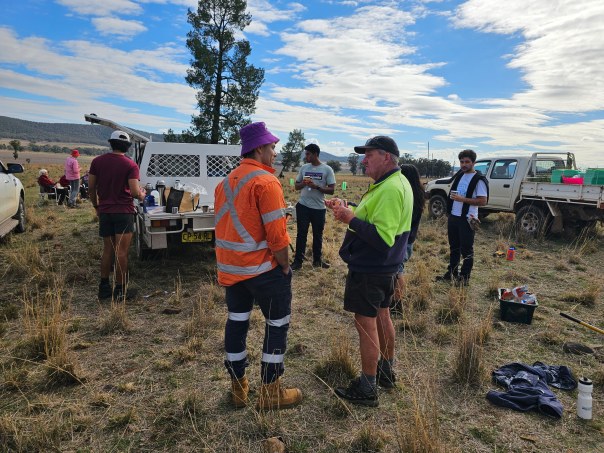
morning tea station 

Sally giving us a little gift to show her appreciation for our help 
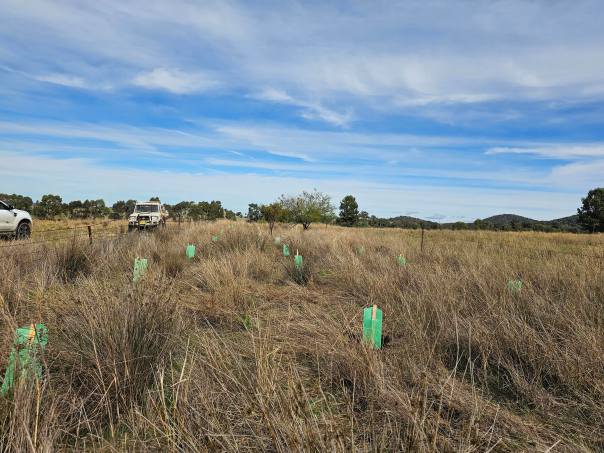

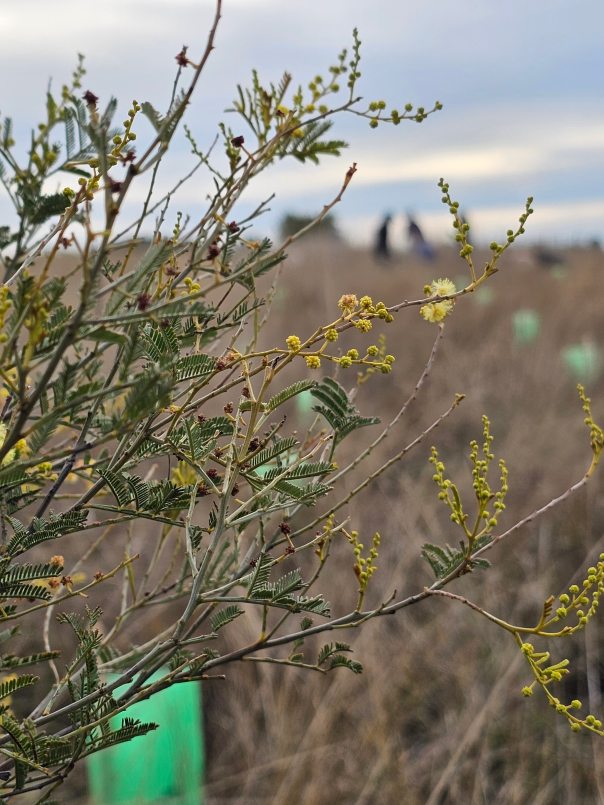
The tree lane we’re creating was direct seeded a while back & already contains a few wattles 
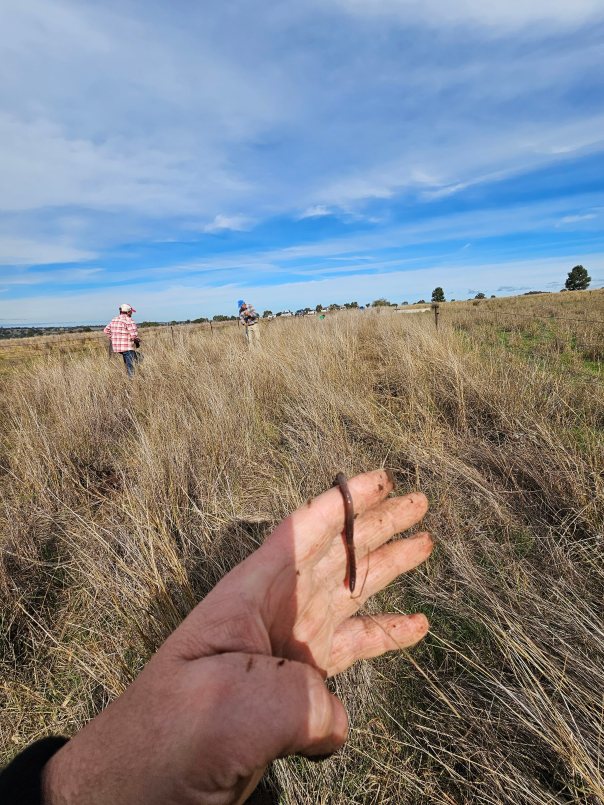
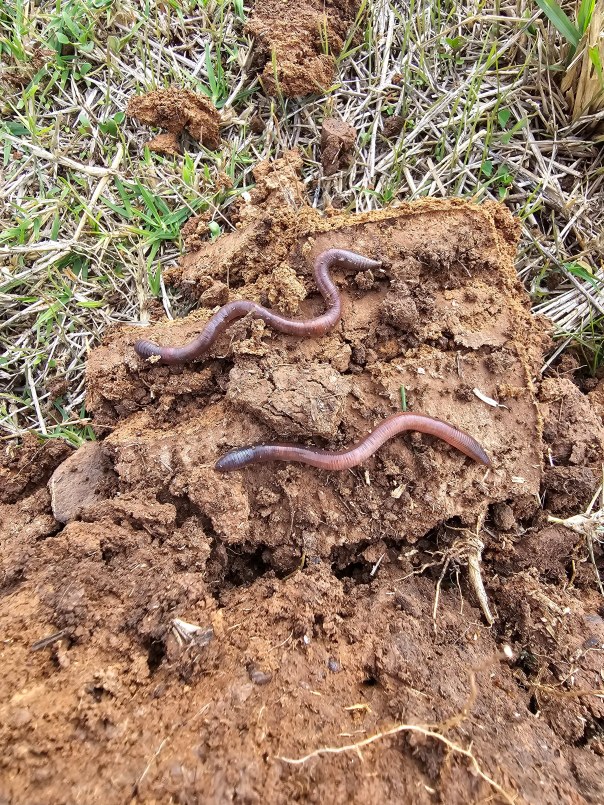
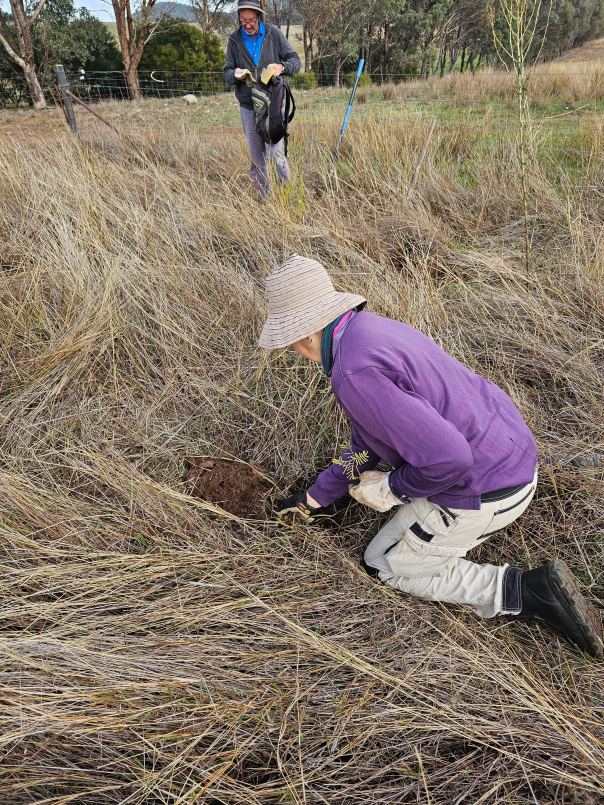
No worms were hurt but some were moved out of the way a little 
See you sooon baby trees
If you’re wondering why people volunteer their time to labour away in a field here’s some insights from our planting extravaganza.
- Across the two days, it was agreed that what we most love about a tree planting day is the opportunity to make new friends & strengthen existing friendships. Collegiality is highly prized.
- For this particular project, many people were motivated by the direct bird connection & the opportunity help build a better birding future for both themselves, others and the birds of course!
- A desire to feel useful & to work towards a common goal was another big pull factor with many expressing pride and a sense of fulfilment after the opportunity to put their skills and knowledge to use in a meaningful way.
- Then there was appreciation for that wonderfully grounded & connected feeling you get when doing physical work & getting ones hands in the soil.
- Finally we all enjoyed the opportunity to come out and spend time in another little corner of this beautiful country we call home.
This event concluded with property owner Sally sending us home with a tub of home grown tomatoes & some chocolates as thanks for our efforts. How sweet!
This project was made possible thanks to funding from Bupa Australia & Landcare Australia. It is part of the planting of 80,000 trees, shrubs & grasses across the country, linking environmental health with community well-being.


 Mid Lachlan Landcare
Pingback: Checking in on one of our Glossy Black Cockatoo Plantings | Mid Lachlan Landcare