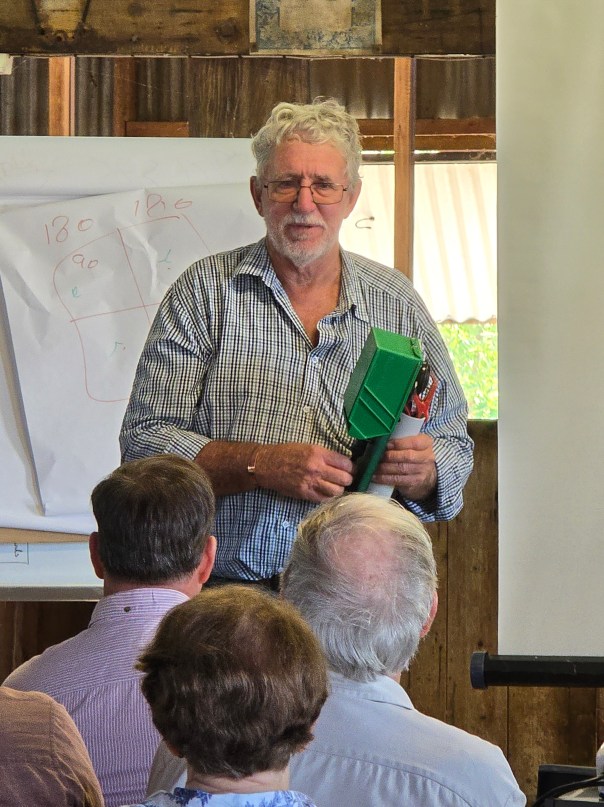
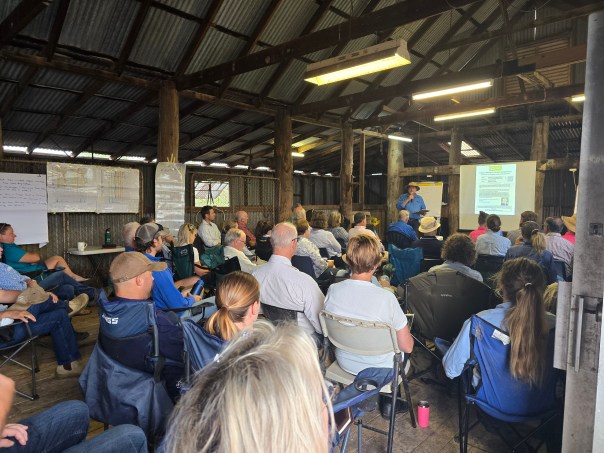
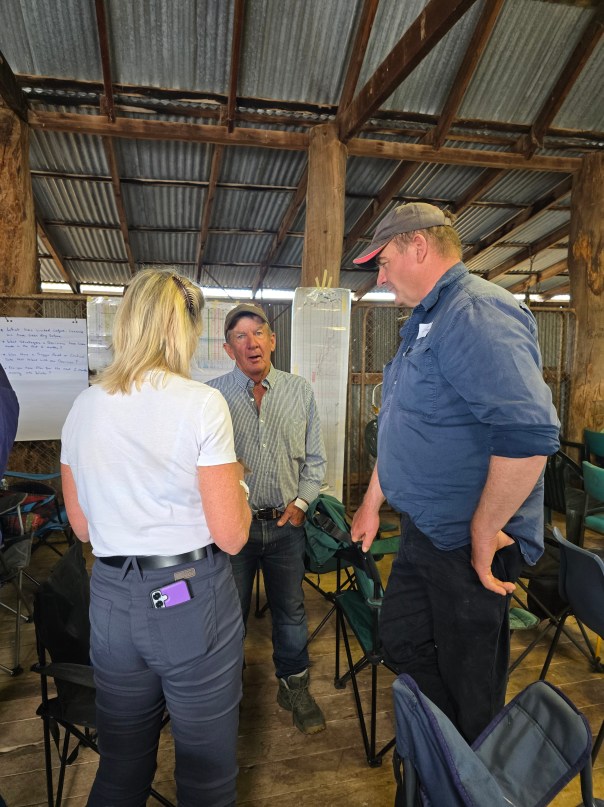
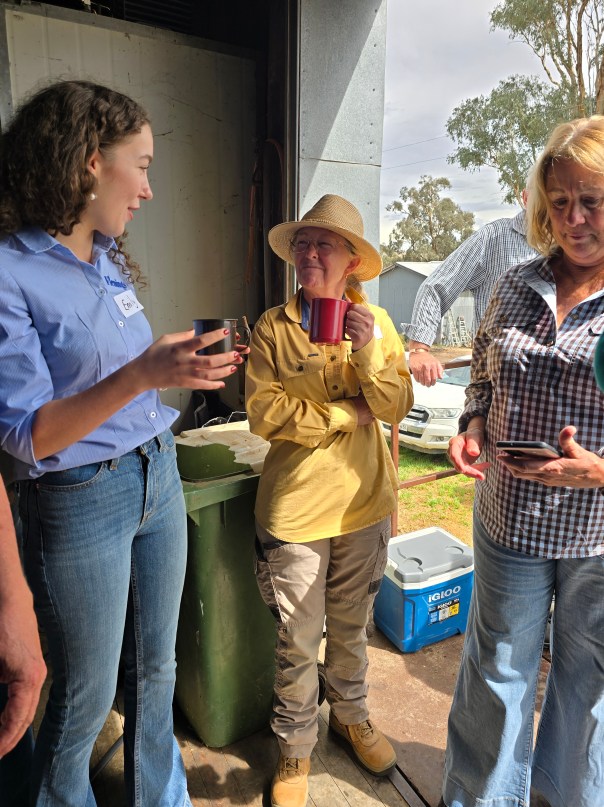
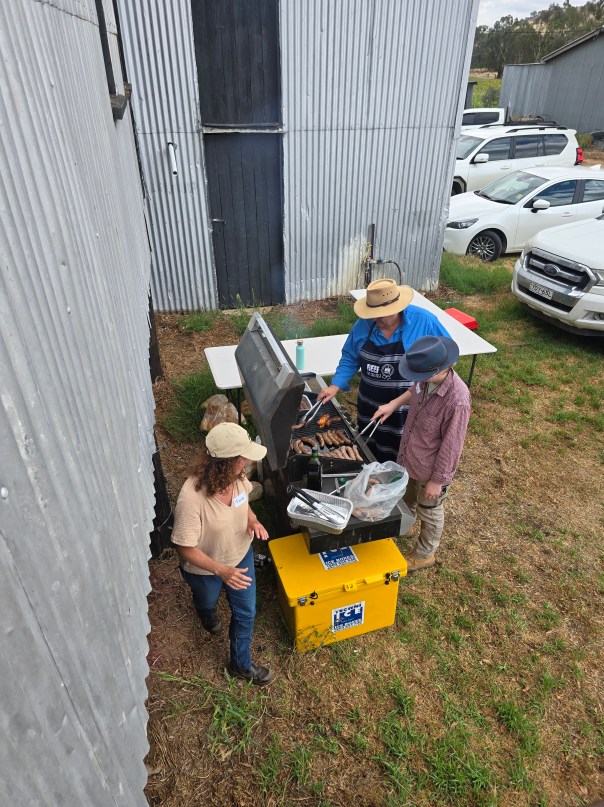
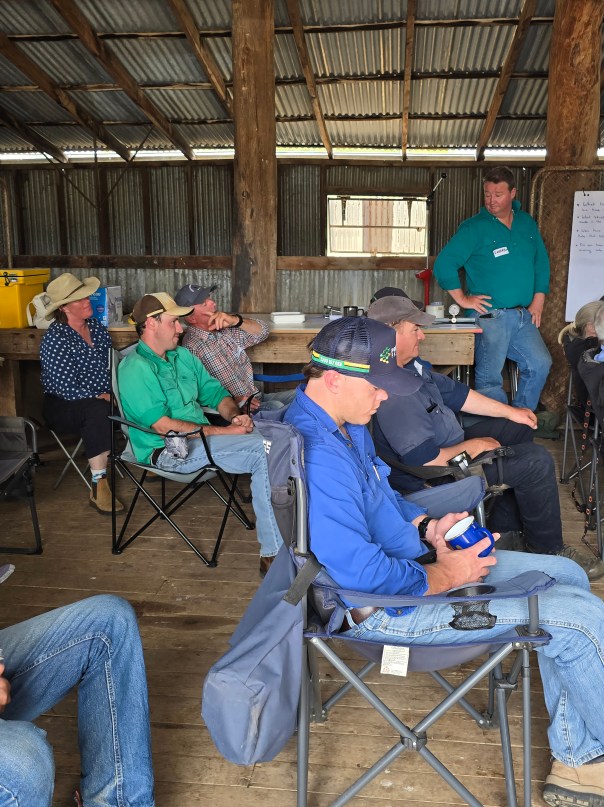
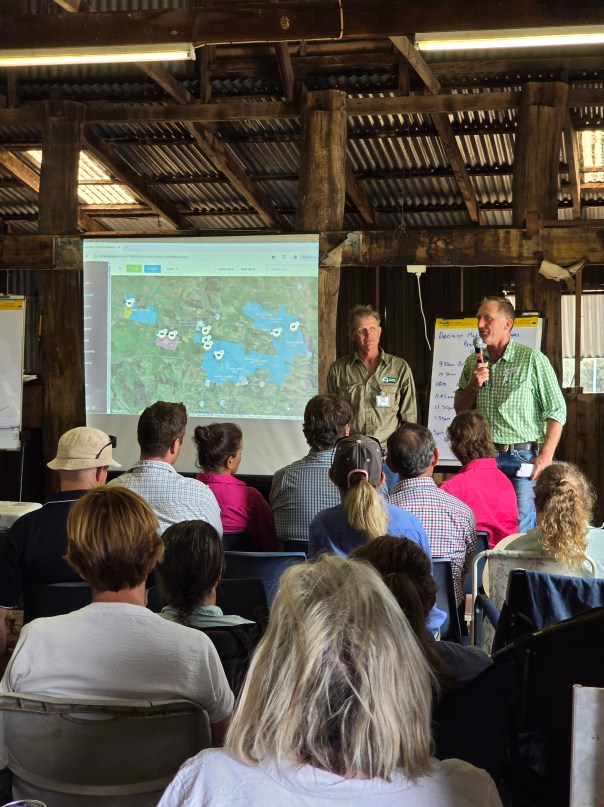
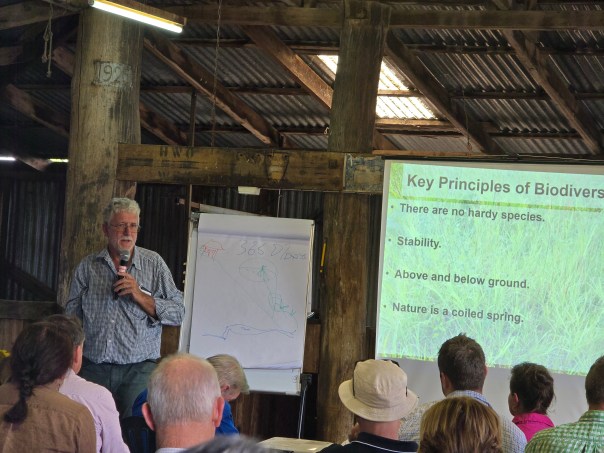
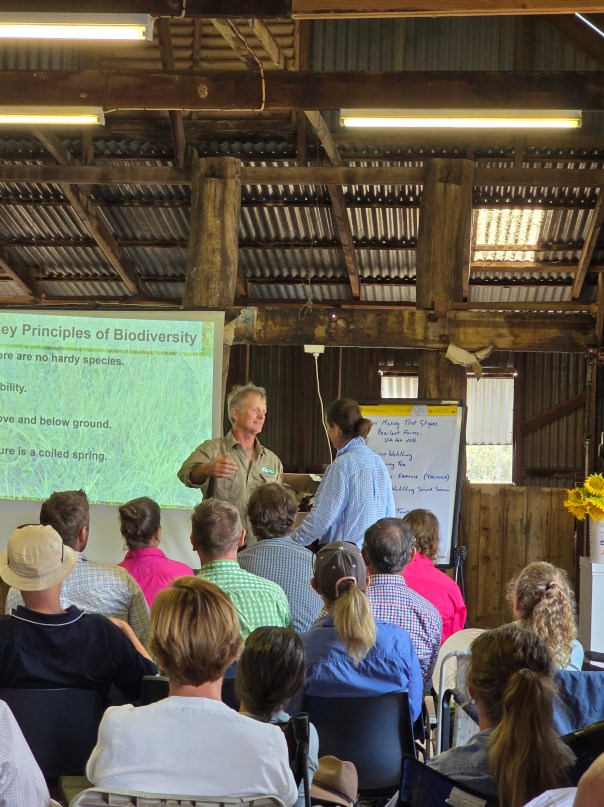
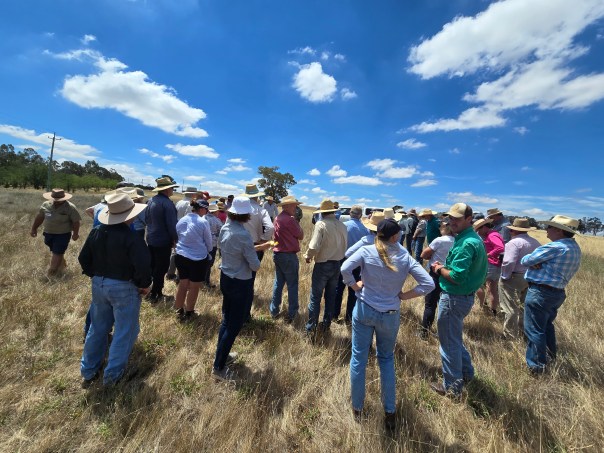
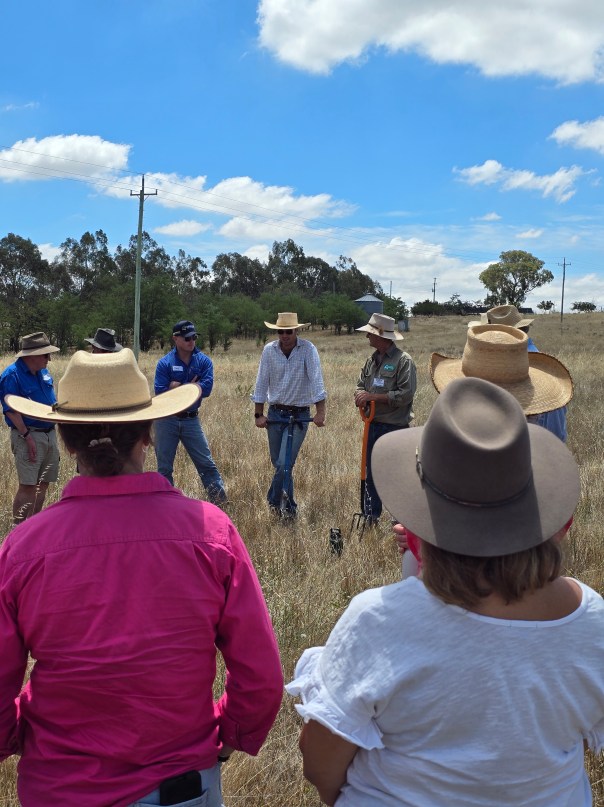
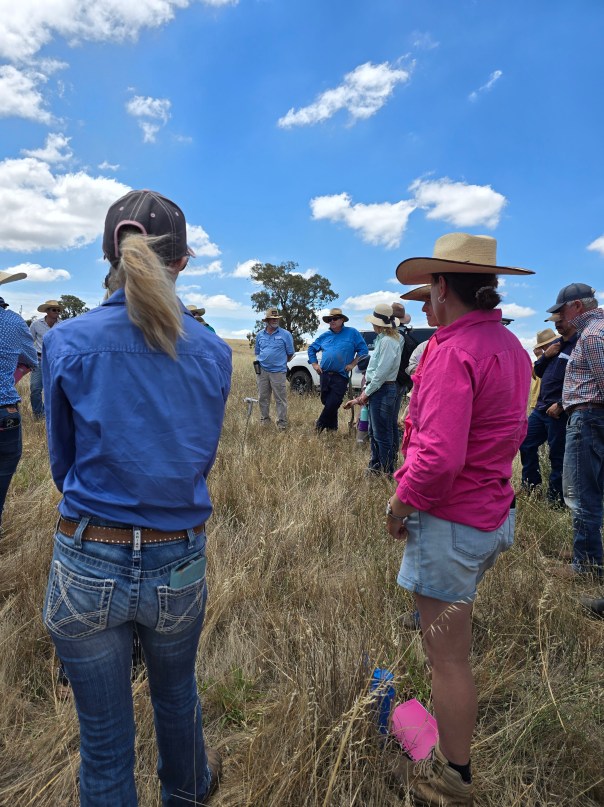
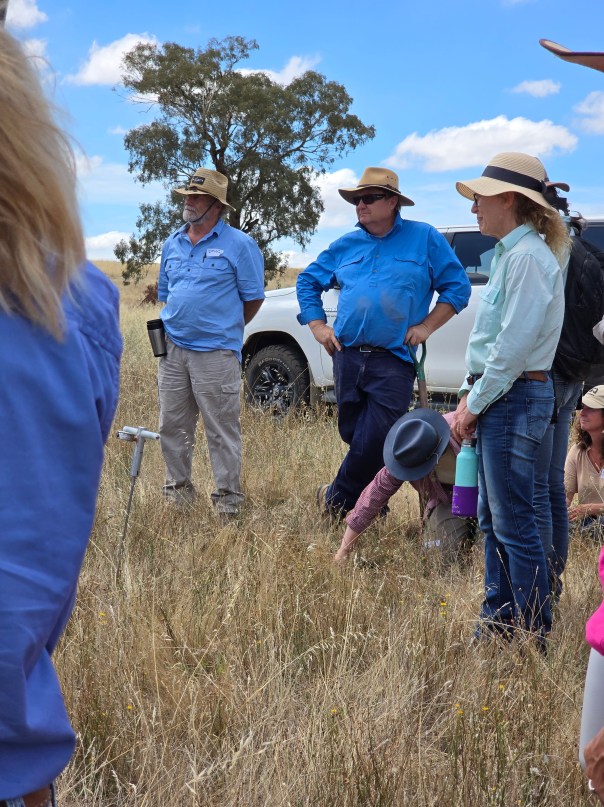
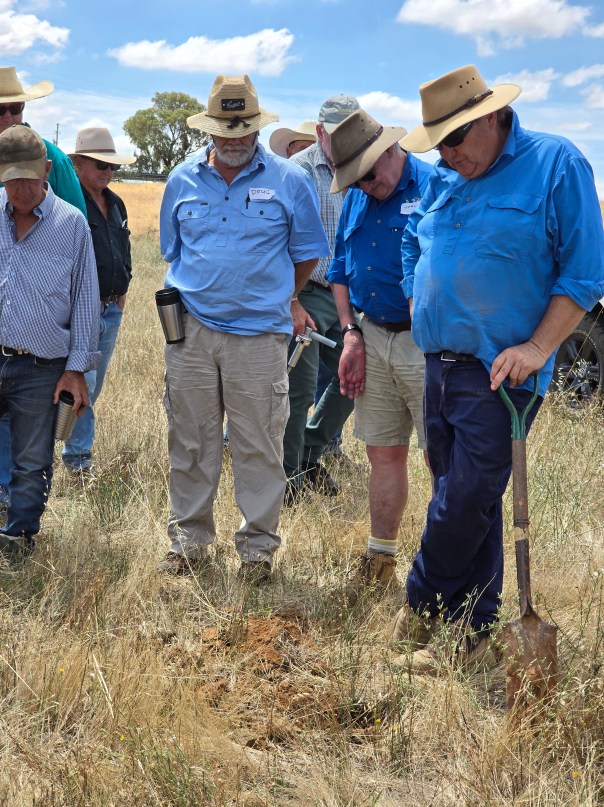
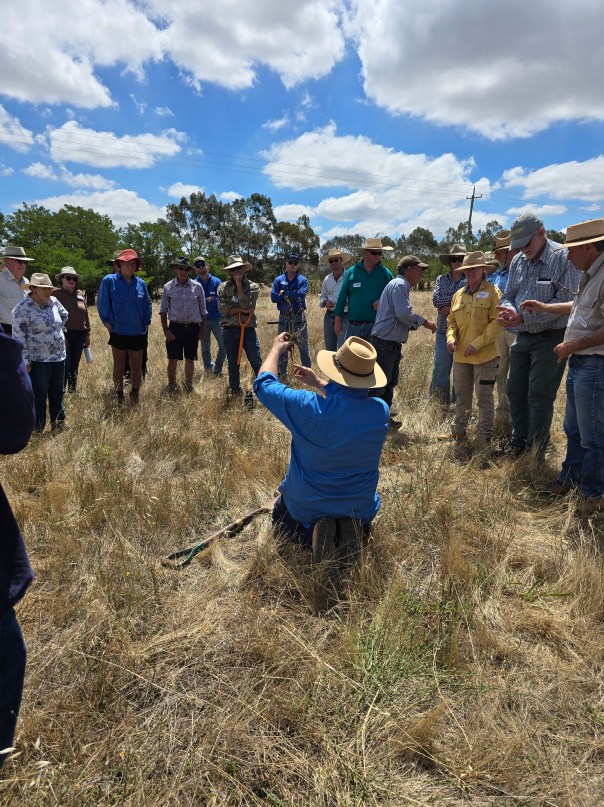
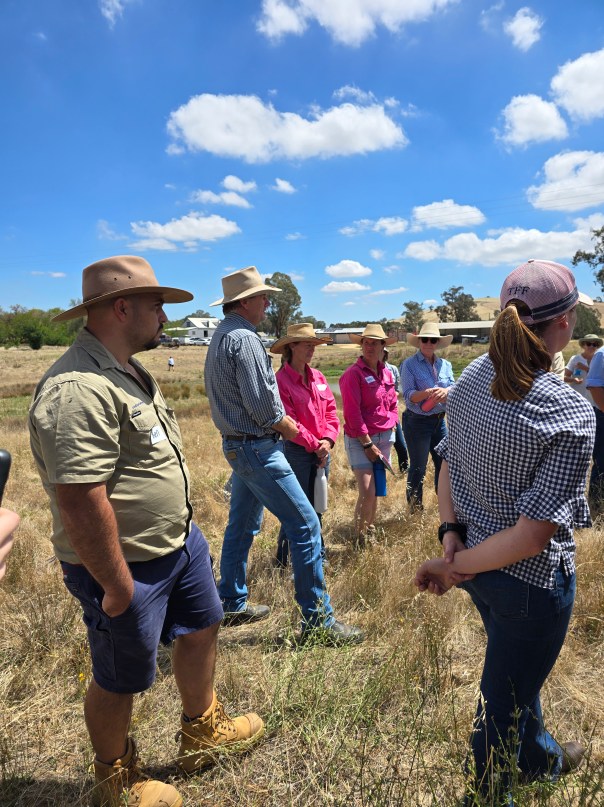
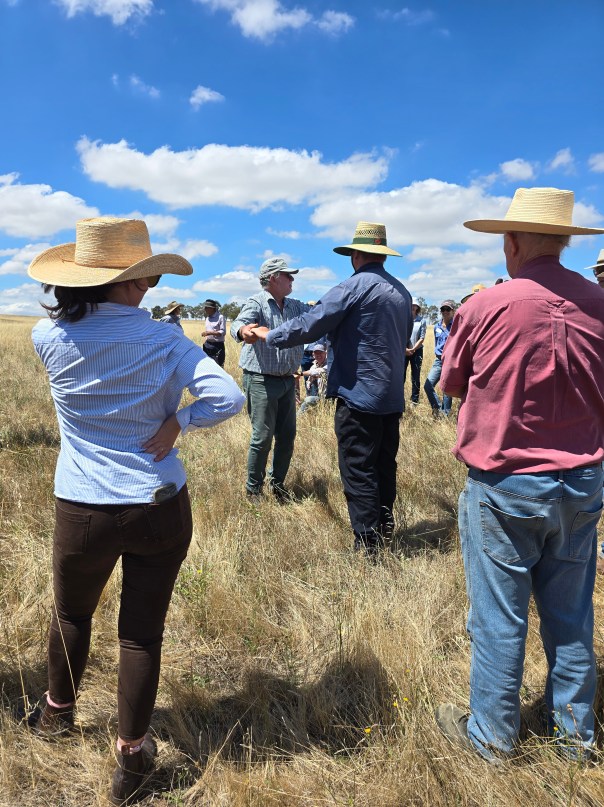
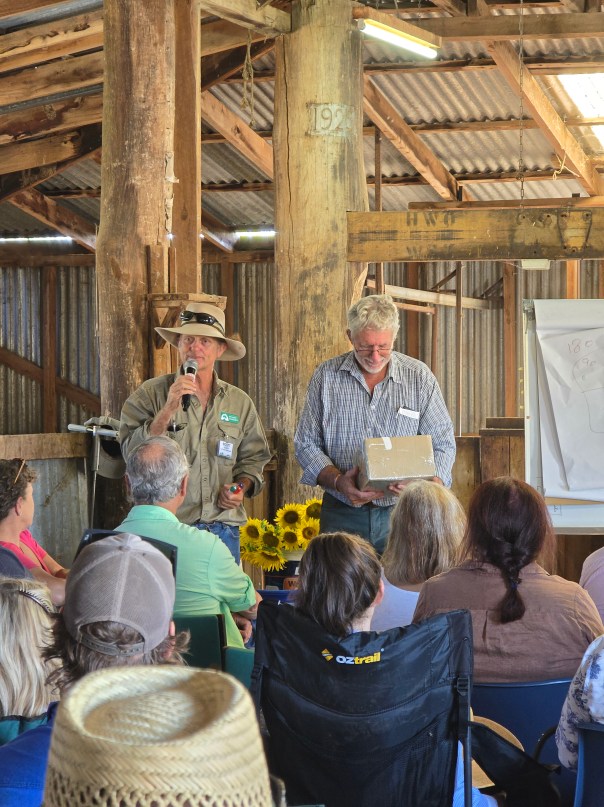
We had a fantastic turn out for our Growing The Grazing Revolution meet yesterday. Guest speaker Brian Wehlburg from Inside Outside Management kept us enthralled with his talk on ‘Decision making that shapes resilient farms’.
While there were plenty of great take home messages, Brian’s reminder of the power of building community, working alongside our neighbours & coming together to share & grow really hit the mark.
It was also really impactful to here from the Hickman’s (Guss, Anna & Tom) about their values, vision & practices at Talinga in Woodstock. Truly inspiring.
‘If you want to go fast, go alone. If you want to go far, go together’
That’s what we plan to do with our Grazing Group over the coming 18 months & we’d love for you to join us!
Thanks for a great day Scott Hickman and a big Thank You to Tamara at Central Tablelands Local Land Services in Cowra for your financial support which went a long way to making this event possible.
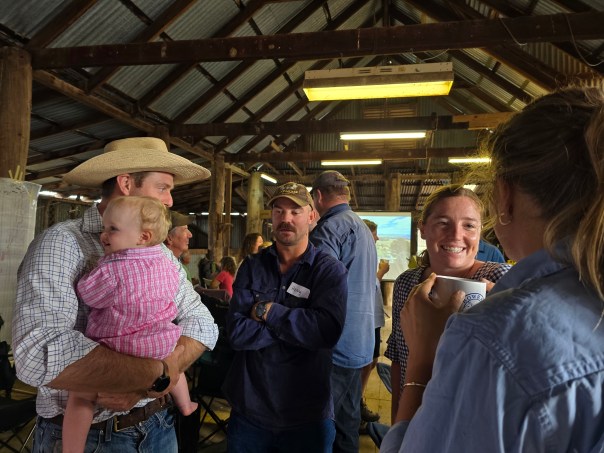
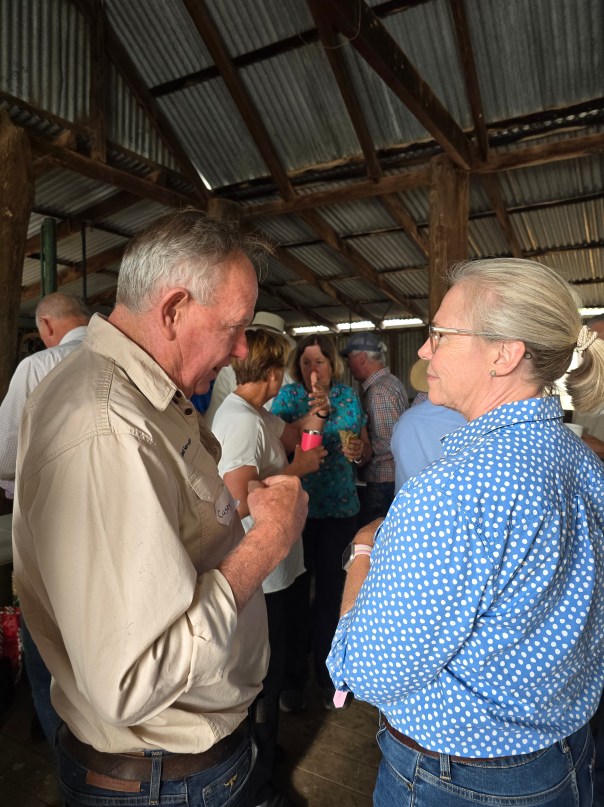
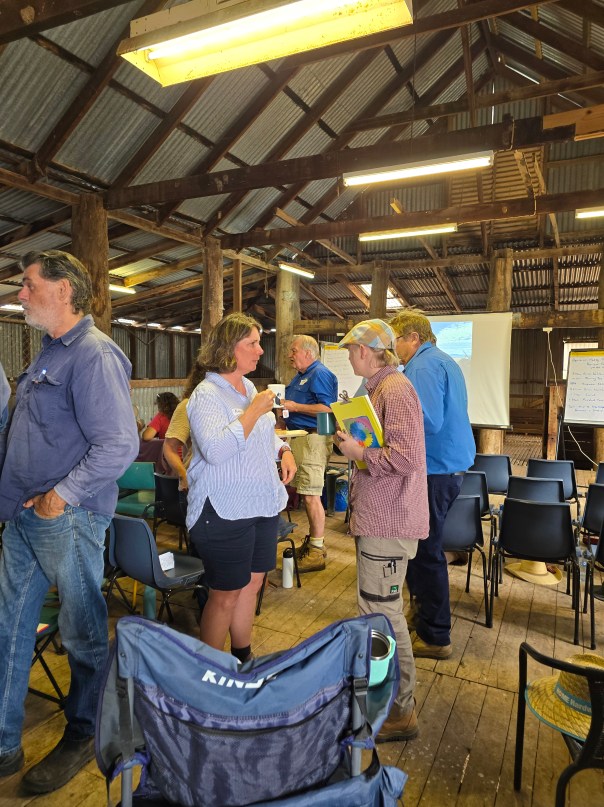
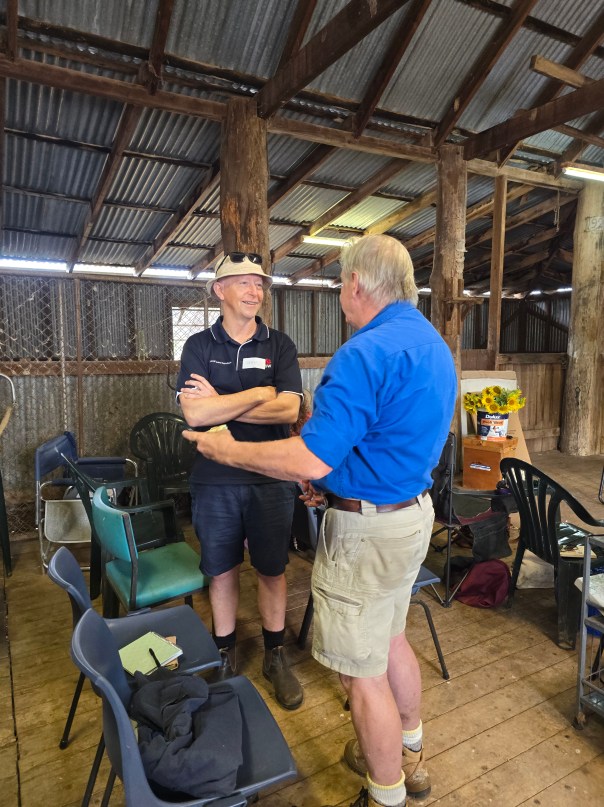
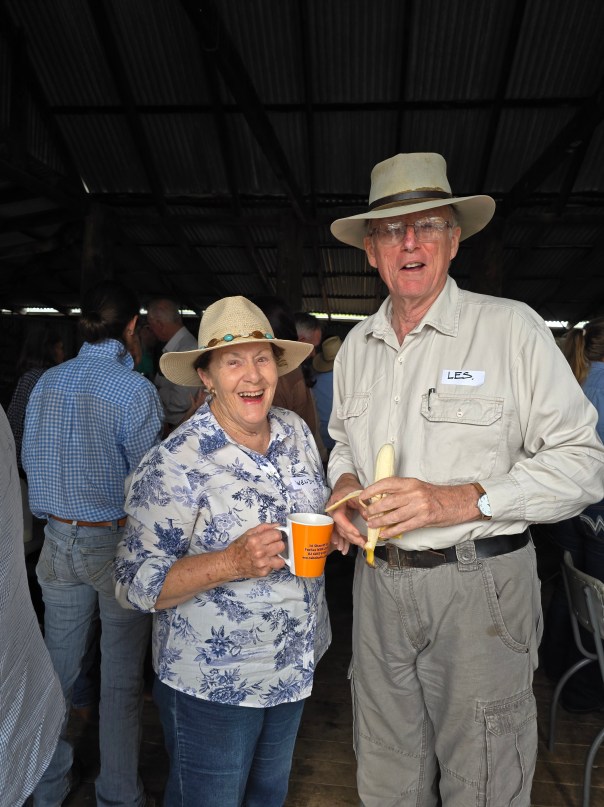
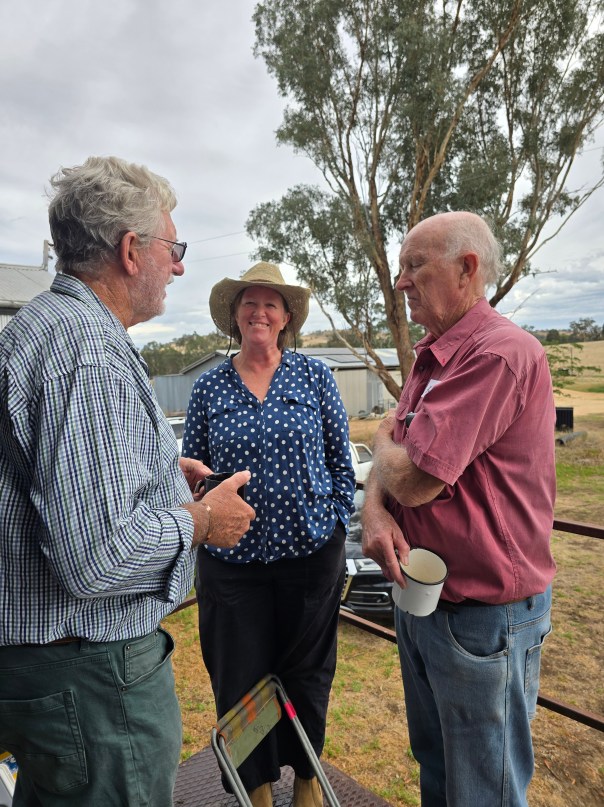
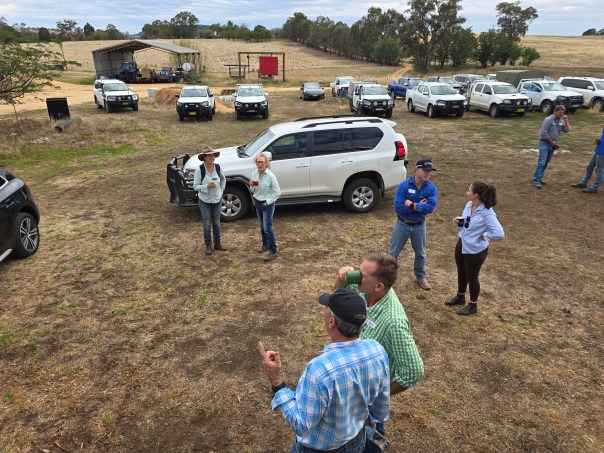
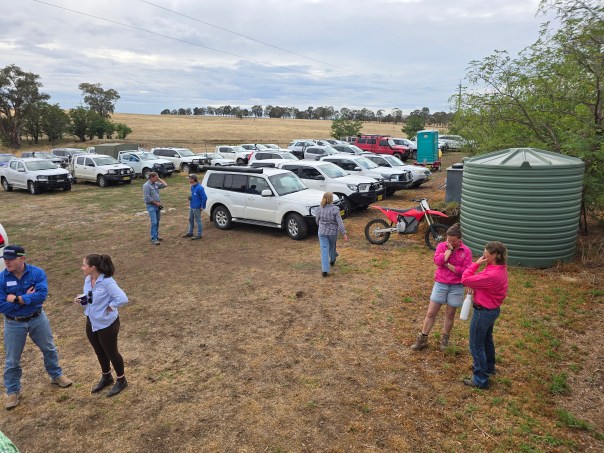
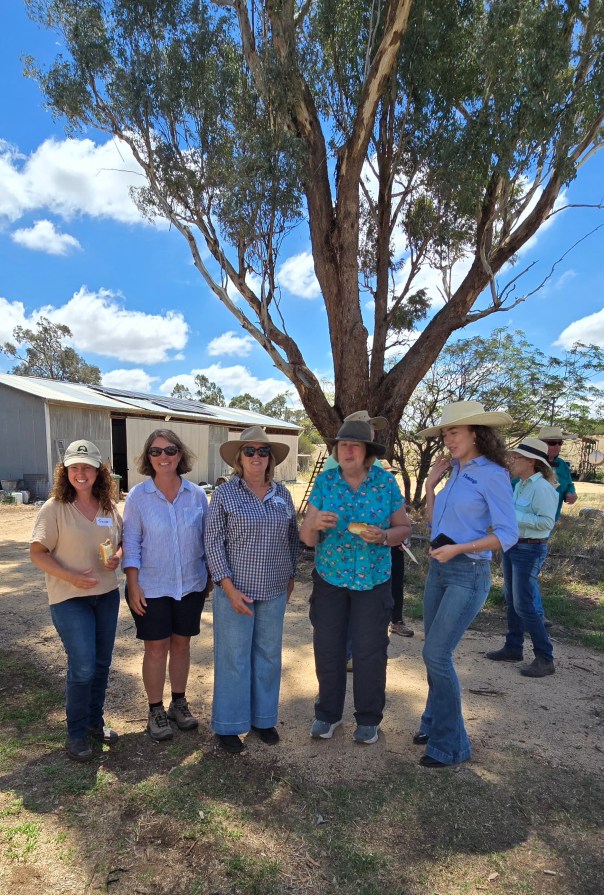
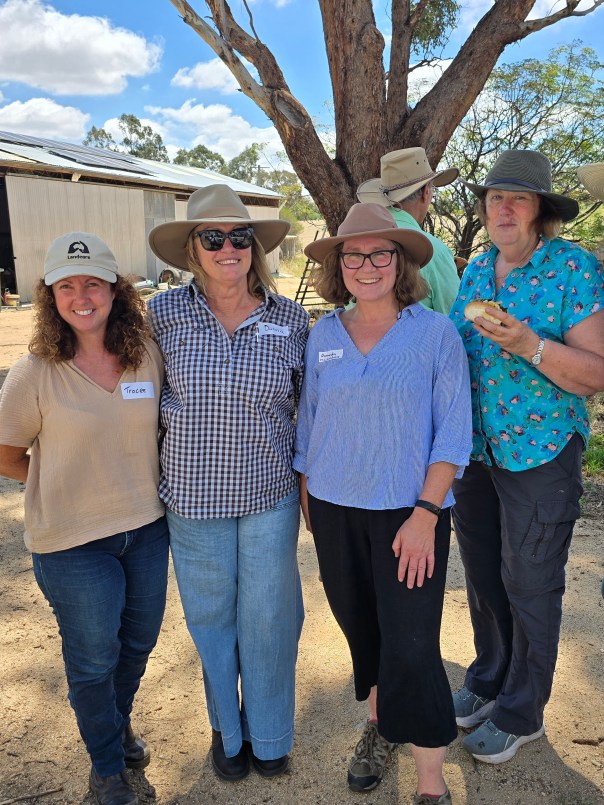
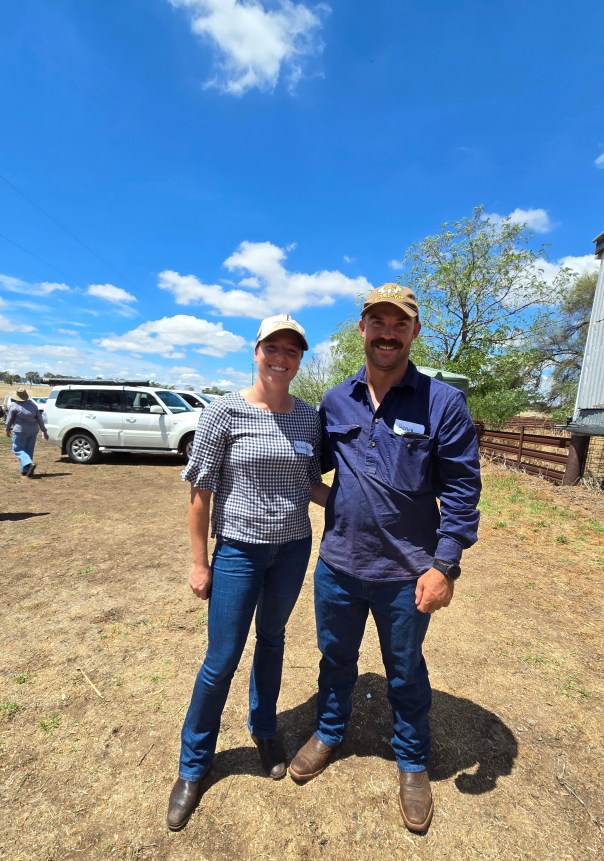
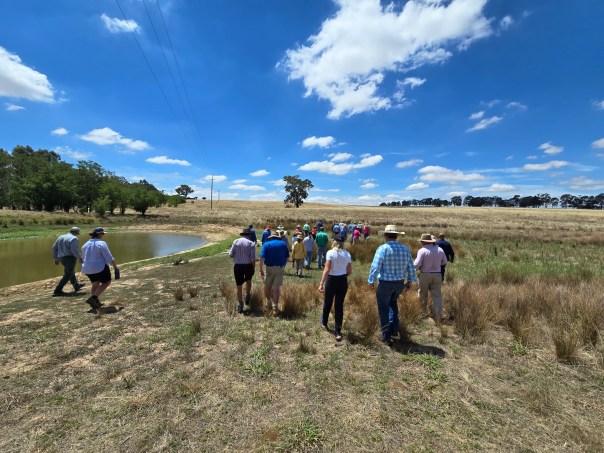
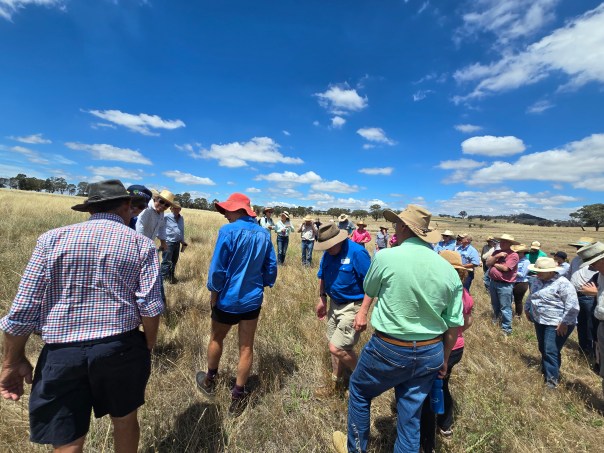
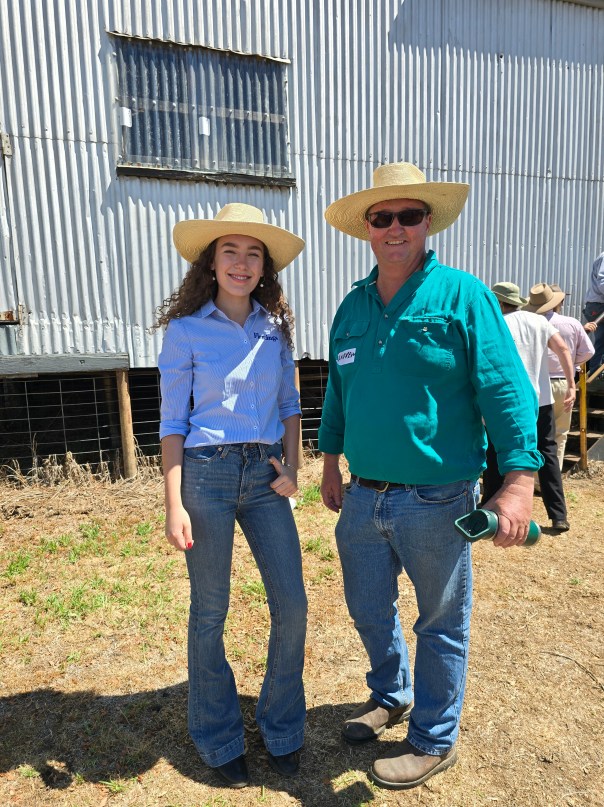
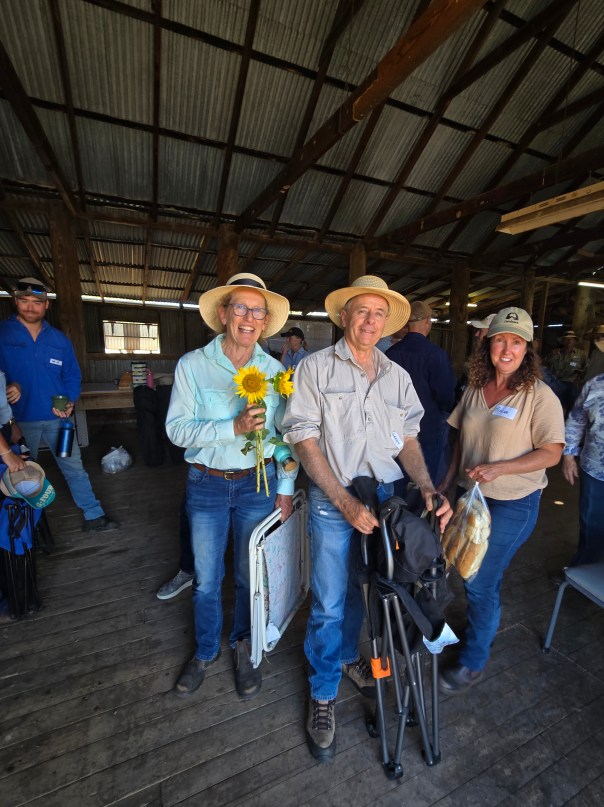
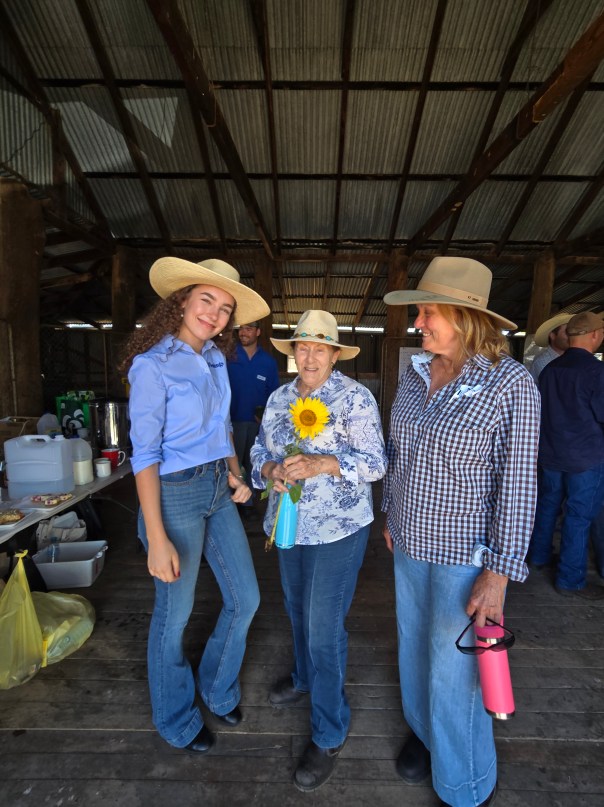
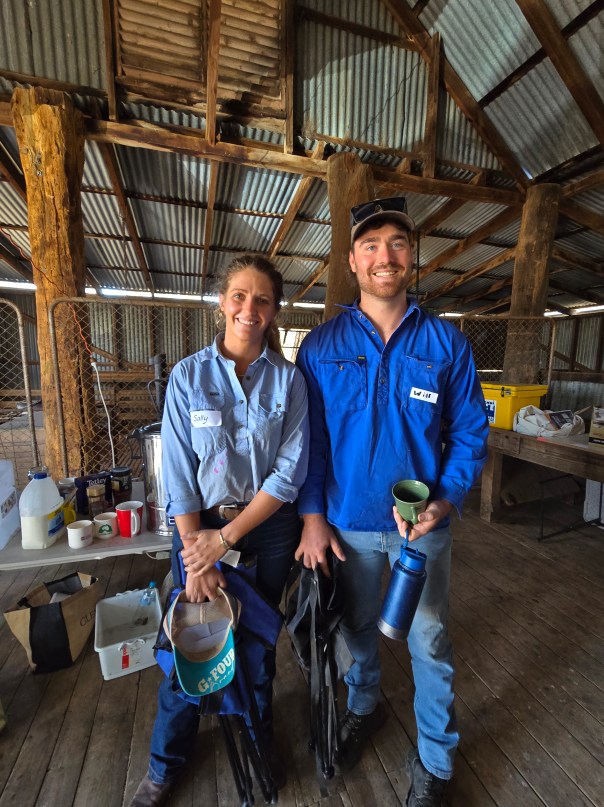
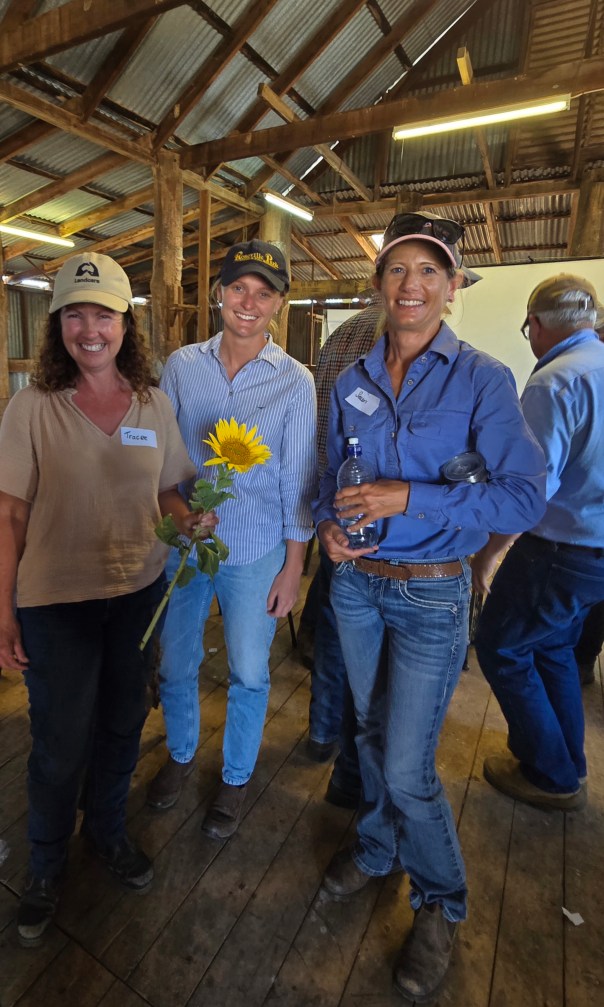
The Sunflowers we’re donning came from the Multi Species Crop planted right next to the shearing shed. Here Tom explains what went into that and how it’s gone:
From Tom Hickman:
Multi species crop was the Summer Super Mix south from down under covers, it included:
Forage Sorghum, Forage Millet, Sunflowers, Buckwheat, Radish, Rape, Purple Top Turnip, Mungbeans, Soybeans, Crimson Clover and Sunn Hemp. It was sown down with YLAD’s Multi-Species Grow granular fertiliser.
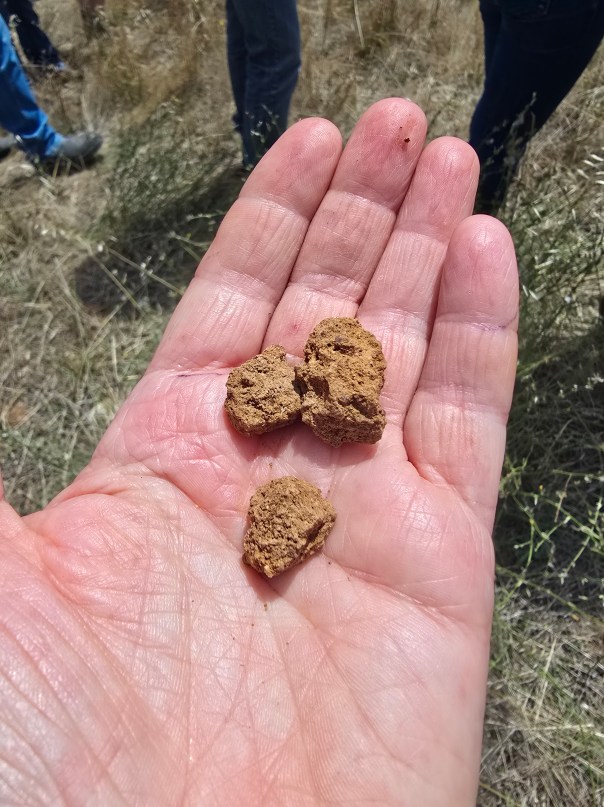
The main aim for that paddock was to reduce the amount of pin rush (trial) and improve the soil. The paddock is low lying and receives a lot of run off from the road, historically it has been a sheep/ bull paddock and has not been included in the main rotation so has been neglected.
We started off by slashing the paddock then spraying out with roundup, after which we sowed with a disk planter.
It is hard to say yet if it has reduced the Pin rush but hopefully the ground will be more open/broken up from the tap root and radish plants. We did not have great rain fall so the crop has been severely moisture stressed with areas completely dying off and most species not surviving bar the sunflowers and some millet or sorghum.


 Mid Lachlan Landcare