On the evening of 24th January, Cowra welcomed the Sydney Wildlife mobile bat hospital team into town to help us manage the impending heat stress event – an event that went on to last for ten exhausting days but that luckily resulted in relatively few bats succuming to the harsh conditions.
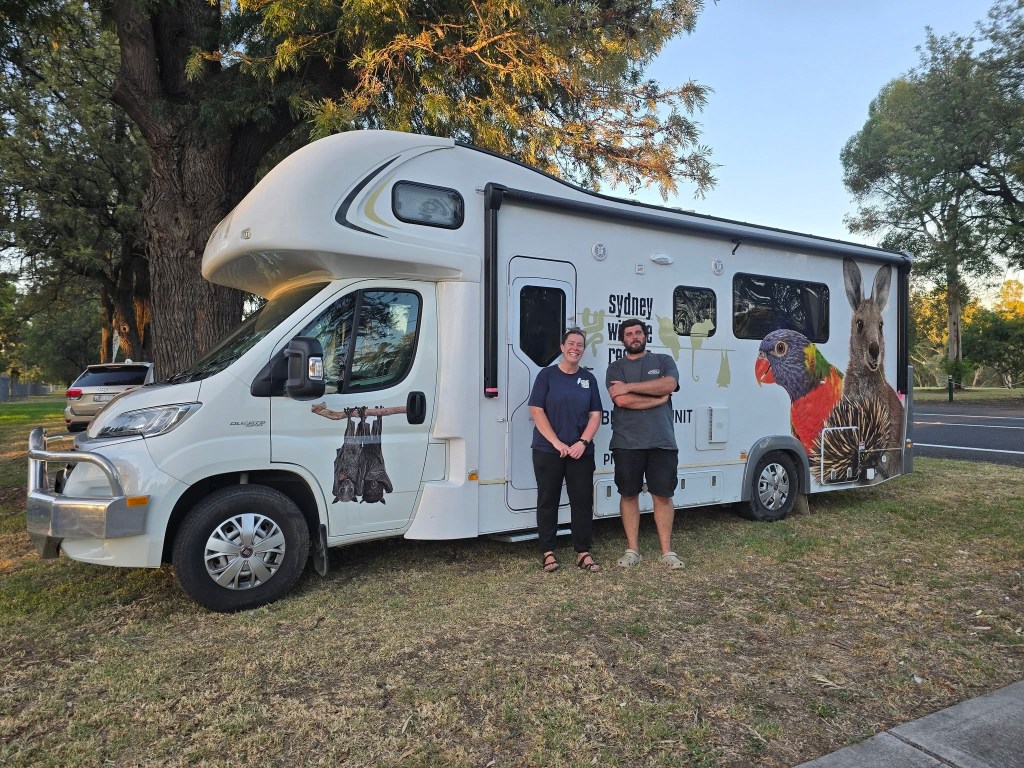
The response was initiated by concerned locals with our Landcare team being made aware of the impending event a few days before it happened and receiving our briefing the day before crews arived.
The Australasian Bat Society reports that temperatures higher than 42C can kill flying foxes – a temperature Cowra exceeded five times over the space of eight days this January.
The Flying Foxes struggle with heat is partly because they can’t sweat and as such rely on panting and flapping to cool themselves down. These behaviours exhaust them during prolongued heat events.
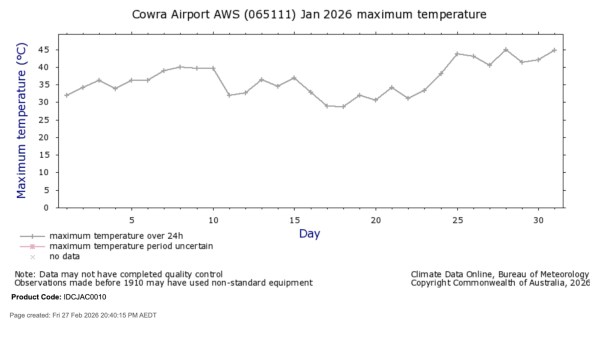
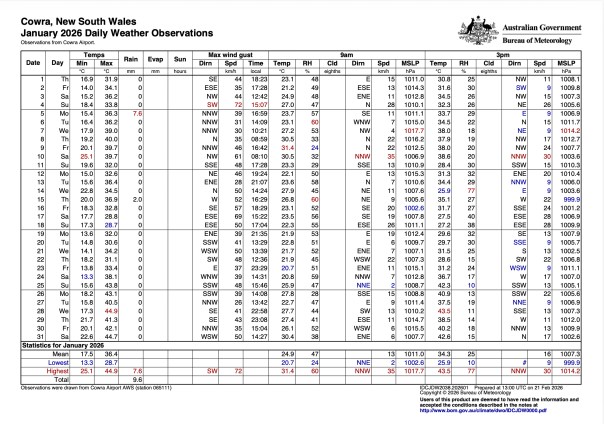
Sydney Wildlife Rescue led the on-ground response to the Heat Stress Event with assistance on site from two other wildlife volunteer rescue organisations: Wildcare Queanbeyan and ACT Wildlife. Wildlife ARC on the Central Coast also assisted by rehabilitating some of the rescued bats.
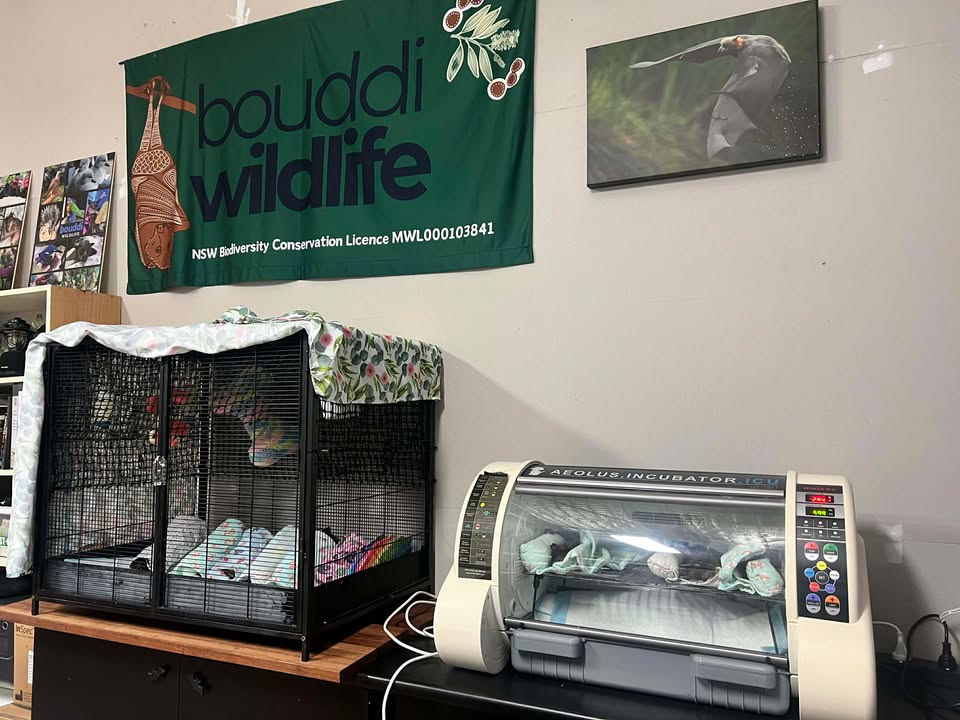
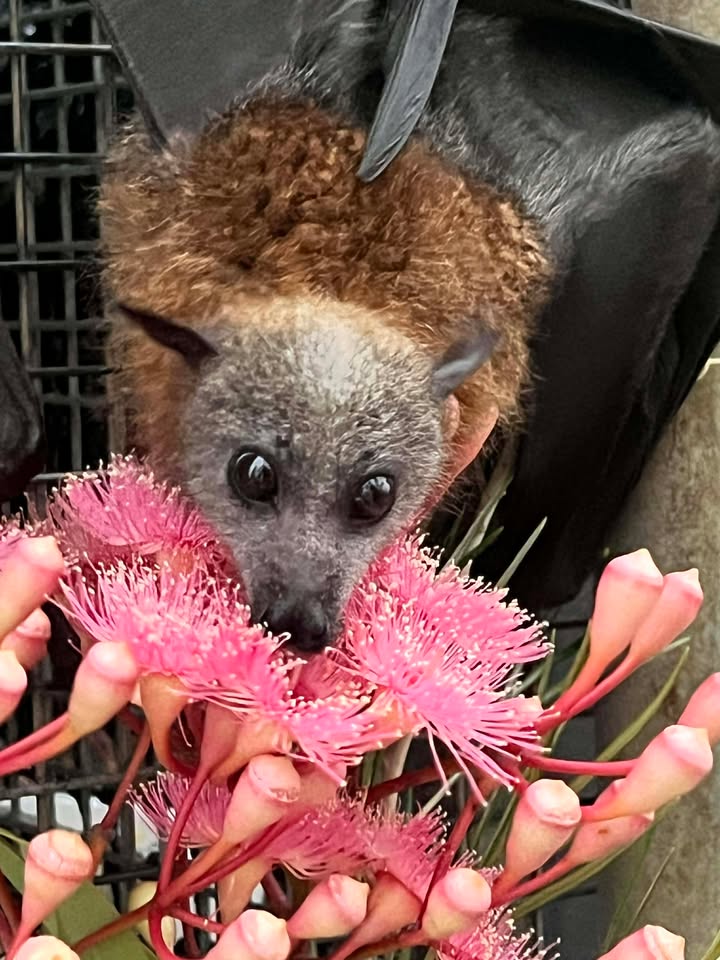
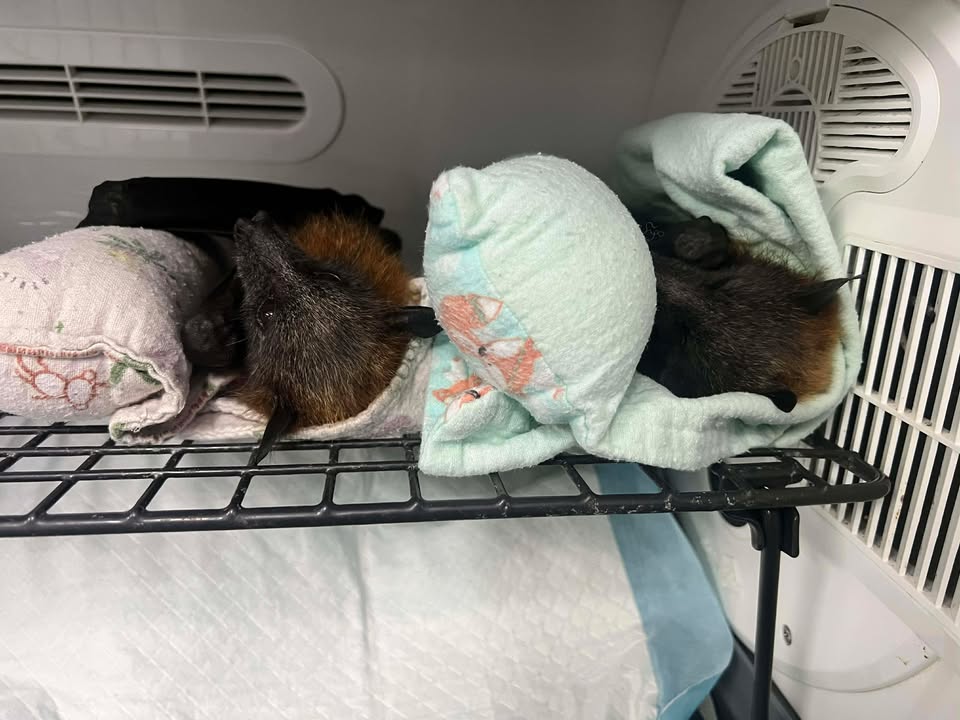
A number of pups were rescued over that first weekend and it wasn’t long before we were updated as to their condition. Paula from Bouddi Wildlife Bat Facility on the Central Coast sent this adorable picture of one of the recovering babies.
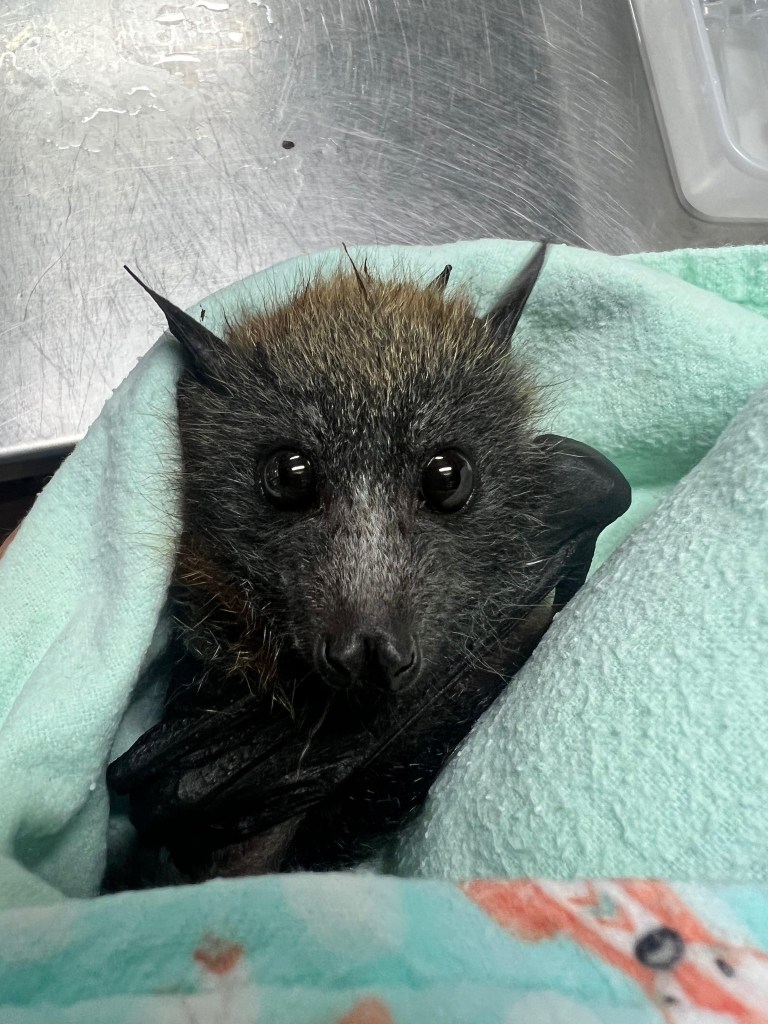
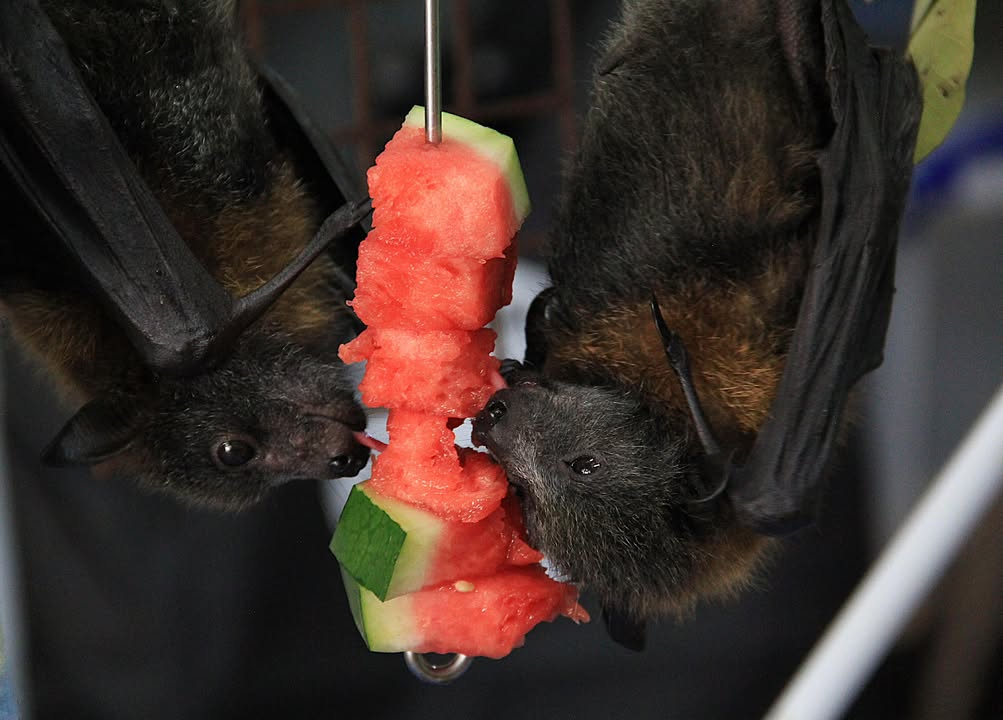
Paula later sent a few more happy snaps which were gratefully received by our community who were following along with the operation on Facebook & through the good old bush telegraph.
We were also sharing updates from our local Landcare volunteers who were dropping by the camp to offer moral support, disposal bags, food and even a generator!
Update from day 2
“The bats are pretty stressed with the heat and flying about a bit. Young ones seem to be getting affected more so, getting some of them in time to get into the hospital van but not all. There were 3 watchers walking round to get those bats they can reach. ( As they become more fatigued they get lower down the trees/ fence).” Will.
The Sydney Wildlife hospital van could only stay in town until Tuesday at which point it was replaced by a team lead by Rob Leach from the International Fund for Animal Welfare Australia. You can access the article they wrote about our event here.
Before I go on, it’s important to thank the vets, disaster response professionals & visiting volunteers that were on site during the event, some of whom had travelled significant distances or who had been hopping from disaster to disaster in order to be with us instead of their families. We can’t thank you all enough for your support and professionalism. I didn’t get to meet everyone during the event but some of our other
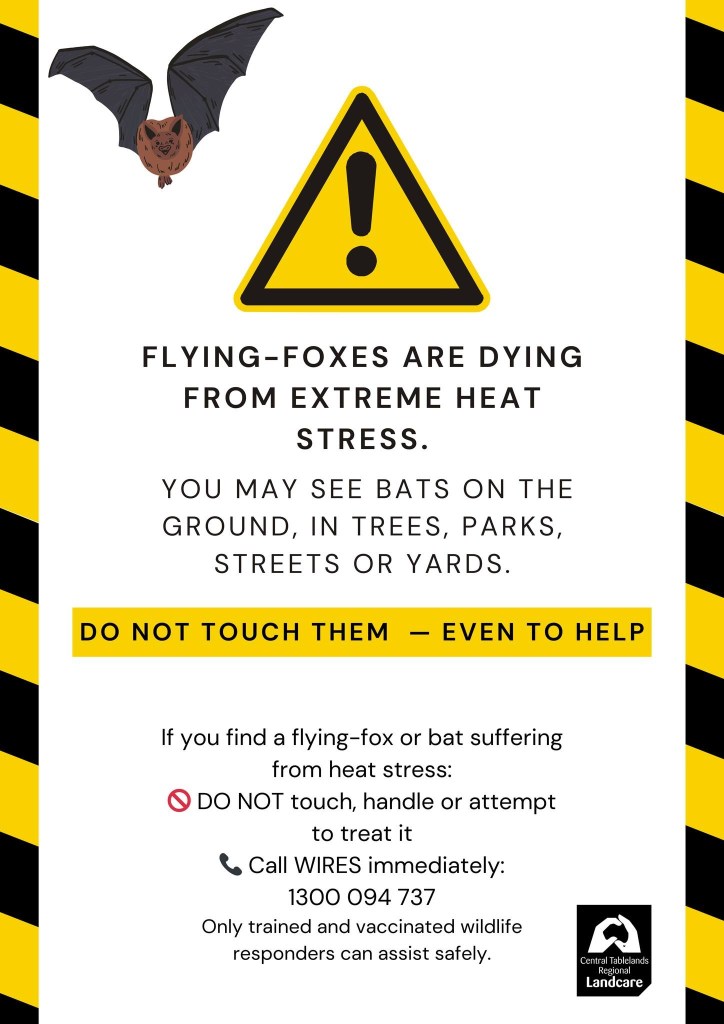
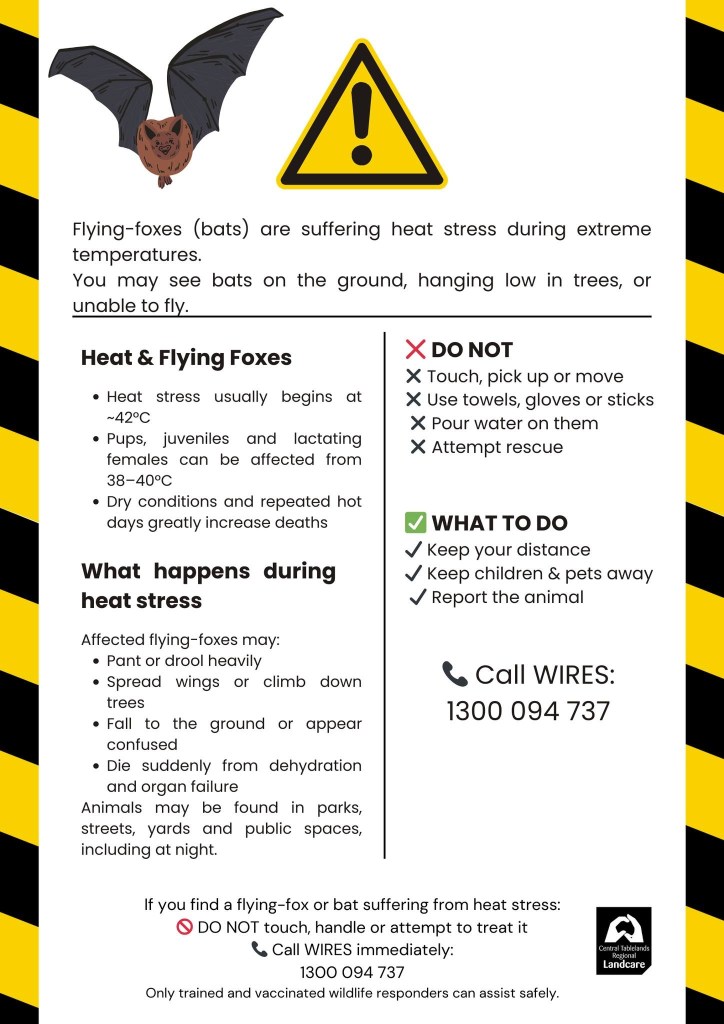
During this time I was spending much of my time backing up the team on the ground as best as I could, helping them find accomodation for the distressed bats and maintain power, water & site cleanliness. Our Central Tableland Regional Office provided us with a useful infographic to share with the public about what to do should they come across a distressed animal:
By Day Seven, the worst had past and we received this update from Rob.
“We hit 44 degrees on Wednesday, and thankfully only 40 degrees yesterday at the bat colony. We had 7 babies rescued on Wednesday, and they’ve all been transported to Canberra to be in care with ‘ACT Wildlife’. Yesterday with the reduced heat, we only needed to rescue 1 baby. It was severely underweight but our experienced rehabilitator here has managed to already get it to start drinking and toileting in her care overnight. It will be transported to ‘Wildlife ARC’ on the central coast with our volunteer today for intensive rehabilitation.
As we do in emergency management, we prepare for the worst, with options to scale up and down as needed. We came in ready for catastrophe with the predicted weather. Thankfully, what we saw was a very resilient flying fox colony. Yes we had a number that didn’t make it and we rescued what we could, but overall I feel it was a lot better of a result that what we’ve seen in other parts of the state and even country with similar weather.
With the resilience of this camp, we’re taking our experts advice that it’s time for us to demobilise. We anticipate there may be some cumulative/exhaustion impacts with a small number not making it over the next few days, but for overall colony welfare we’re going to minimise our interventions/presence.
Again we would like to sincerely thank all the volunteers and Landcare for all you have done to support our efforts here, it really could not have been as smooth or well-resourced without your help. We are incredibly grateful, and we will no doubt be looking forward to working closely together for whatever the next environmental disaster may be.”
– Rob Leach
Sydney wildlife rescue, and IFAW Animal Rescue Program Officer – Oceania
The On-Ground efforts Wrap-Up
Just before the swat team of carers dispersed Sarah’s Bats (bat Carer based in the Blue Mountains) posted a delightful update of the bats belly skimming in the Lachlan River to cool off. While at the camp Sarah caught up with Sam Yabsley who was also in town collecting data for her PhD on heat stress events. Below isn’t Sarah’s footage but it is of a Grey-headed Flying-Fox – the type we mostly get in Cowra.
With that, the teams dispersed, leaving the bats to their own devices. We did have reports of a couple more distressed animals after this point but they were managed in a ‘business-as-stretched-but-usual’ way.
The Aftermath.
Having never participated in a heat stress event like this before, I had no expectations of what would come next so I was pleasantly surprised when Rob kept in touch and invited me to join his de-brief session with Wildtalk.
Wildtalk provide mental health support to wildlife carers and are experts at helping teams de-brief and re-group after events such as this. I turned up to the ZOOM call with no expectations and very little idea of what was to come but found the two hour session very helpful indeed, not least because I finally got to put faces to names and ‘meet’ some of the folks who’d been helping us in Cowra.
Since then I’ve written up a Case Study outlining the event and the actions I’d like to see come from this. Since completing this report, I’ve been told our Local Land Services do not have any juristiction over native animals – good to know!
You can access my case study here.
Finally, I want to leave you with a bit of a review of what’s happened from a Flying Fox perspective this summer. It feels to me like it’s they’ve had quite a bad run but I can also see through looking at past news items that mass colony collapse events such as those listed below from this year have happened many times before thanks in a large part to climate change.
While this event worked out relatively well for us here in Cowra, I’m definitely not feeling like it’s time to sit back and leave them to it. If anything, there’s quite a lot of work we can do to help make sure our Flying Foxes stay with us and helping us grow our forests for many years to come.
Onwards and upwards as they say…
A Round-Up of how camps across Australia have faired this summer.
- Brimbank Park, 15km north of Melbourne CBD – mass mortalities. Brooks Creek Dapto approx 500 deaths plus 170 at Figtree. Also Wolli Creek, Windsor, Parramatta, Campbelltown and Wagga Wagga.
- 80% of a colony in Naracoorte, South Australia were wiped out this summer.
What Action is Being Taken / Requested
Moreton Bay in Queensland have installed 16 sensors to help monitor the health & welfare of their flyijng fox colonies.
Wellingtonshire council in Victoria closed roads and footpaths to help the Flying Foxes keep their cool & protect the public from coming into contact with any dead or injured animals.
Ipswich City Council in Queensland closed part of their Japanese gardens to help flying fox colony thrive.
Wildlife Victoria were recently assisted by the Department of Energy, Environment and Climate Action (DEECA) & local councils.
Many places, including us here in Cowra are calling for coordinated state wide emergency response plans.
Mount Isa City Council are putting together a flying fox management plan for the community. This is the questionnaire they made available for local residents.
According to this article, camps in Canberra faired reasonably well thanks in part to understory plantings and misters installed by the National Capital Authority.
Further Information
Heat events and Australian Flying Foxes fact sheet April 2025
Heat Stress Forecaster from the Australasian Bat Society.


 Mid Lachlan Landcare