Mid Lachlan Landcare
supporting sustainable agriculture and restoring the environment
Citizen Science Success Stories – Fungi Map & the IUCN’s red list assessments
Five key citizen science data types can be used to inform extinction risk assessment based on the IUCN’s (International Union for Conservation of Nature) Red List criteria.
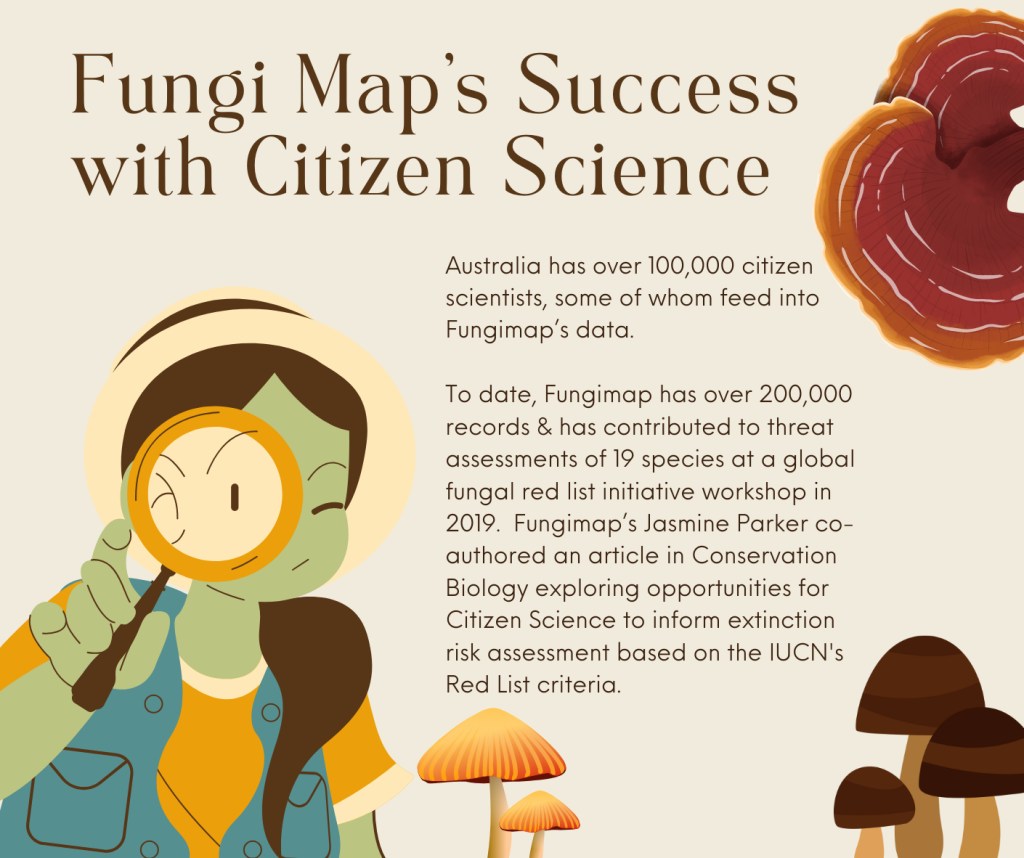
Read the full Fungimap article here: A win for citizen science and fungimap article
Those of you who know Mid Lachlan Landcare know that we’re both mycology and citizen science enthusiasts, sharing our passion for both accross many events, including Mycology May & the Great Southern Bioblitz each year. So, when our friends at Fungimap published a link to some interesting reserch that combined these two passions, we just had to give it a closer look…
Citizen Science data can directly inform the process of species’ assessment and be used to target conservation actions.
Read the full Conservation Biology article here: Incorporating citizen science into IUCN Red List assessments
To date, most citizen science data fits under the classification of ‘occurance data‘ i.e: what you saw, where you saw it. This data is often but not always accompanied by geotagged photographic or sound recording data. Collecting this data is what we focus on doing during events such as the Great Southern Bioblitz and Mycology Map, leaning on machine learning and expert validation, to increase the accuracy and usability of this data. These one-off records are currently useful for informing conservation organisations and initiatives of where more formal work could be targeted but fall short of being usable in red list scenarios.
The article in Conservation Biology offers a SWOT analysis approach of Citizen Science, culminating in some suggestions as to how we could all get more bang for our buck so to speak!
Below, I’ve summarised the other levels of data collection Citizen Scientists might engage in. See the full article for a more thorough breakdown.
Following on from occurance data is presence/ absence data. This is not as simple as it may initially seem as while observing something directly clearly correlates to its presence, not observing it directly doesn’t always indicate absense. Presence/ absense data often requires more ecosystem knowledge – an ability to ‘read the wider scene’. It often also requires multiple visits over different seasons, looking for the presence or absense of specific environmental clues.
Structured Surveys are another extension to the above and a way in which citizen science could be utilised more deeply. These are typically more tightly bound to a specific location and time-frame and require both quantitative and qualitative data to be recorded e.g. counts, measurements, activity levels plus landscape features, land -use and current conditions).
As the level of data required to be collected by the citizen scientist grows, so too does the requirement for training and time input. Many citizen scientists are drawn to take part because it’s fun being casual enough to be accessible by everyone yet valuable enough to feel meaningful. Citizen scientist events such as The Great Southern Biobiltz show the average citizen scientist will be drawn towards a certain section of the landscape be that flowering plants, grasses, bugs, birds, fungi or trees. Few feel comfortable recording across multiple species. This inevitably leads to data gaps in the Landscape which could remain significant in some cases.
Expanding the collection of Pysical Samples such as the water collected during our eDNA survey are another way Citizen Science can be developed to expand quantitative data collection without requiring survey participants to learn a wide variety of new skills. For example, the eDNA sample collecting carried out under the Odonata foundations threatened species project only required the citizen scientist follow a set of simple sampling procedures.
Narratives are a story-telling / oral history approach to data collection and can be highly valuable in providing a context from which the sample or data was collected. This data collection method can inform presence/ absence data by providing historical context and insights as to how the landscape has been used and/ or changed over a more expansive period of time. We found narrative data useful in our Soil Microbiology project, collecting oral histories of land management decisions over the weeks, months and years prior to sampling to give us an idea of how altered the soil environment has been from a human-impact perspective.
It’s exciting to see Citizen Science kicking goals and making an impact in the world. We can’t wait to see how this article and research helps to shape the future for our citizen science based projects and the ecosystems that we are measuring.
About the IUCN: IUCN org
- Founded in 1948 in the French town of Fontainebleau
- IUCN is a membership union that brings government and civil society organisations together with a global network of experts. There are currently over 1400 members globally.
- The IUCN has become a global authority on the status of the natural world & measures needed to safeguard it. IUCN has representatives from over 160 countries.
- Aims to encourage international cooperation and provide scientific knowledge and tools to guide conservation.
- The IUCN’s Red List of threatened species was established in 1964. This has evolved into the most comprehensive data source on global extinction risk
- In 1971, IUCN played a fundamental role in creating the Ramsar Convention on Wetlands, followed by the World Heritage Convention (1972), the Convention on International Trade in Endangered Species (1974), and the Convention on Biological Diversity (1992).
2024 NSW State of Volunteering -Focus Group Reports. Rural Data Summary
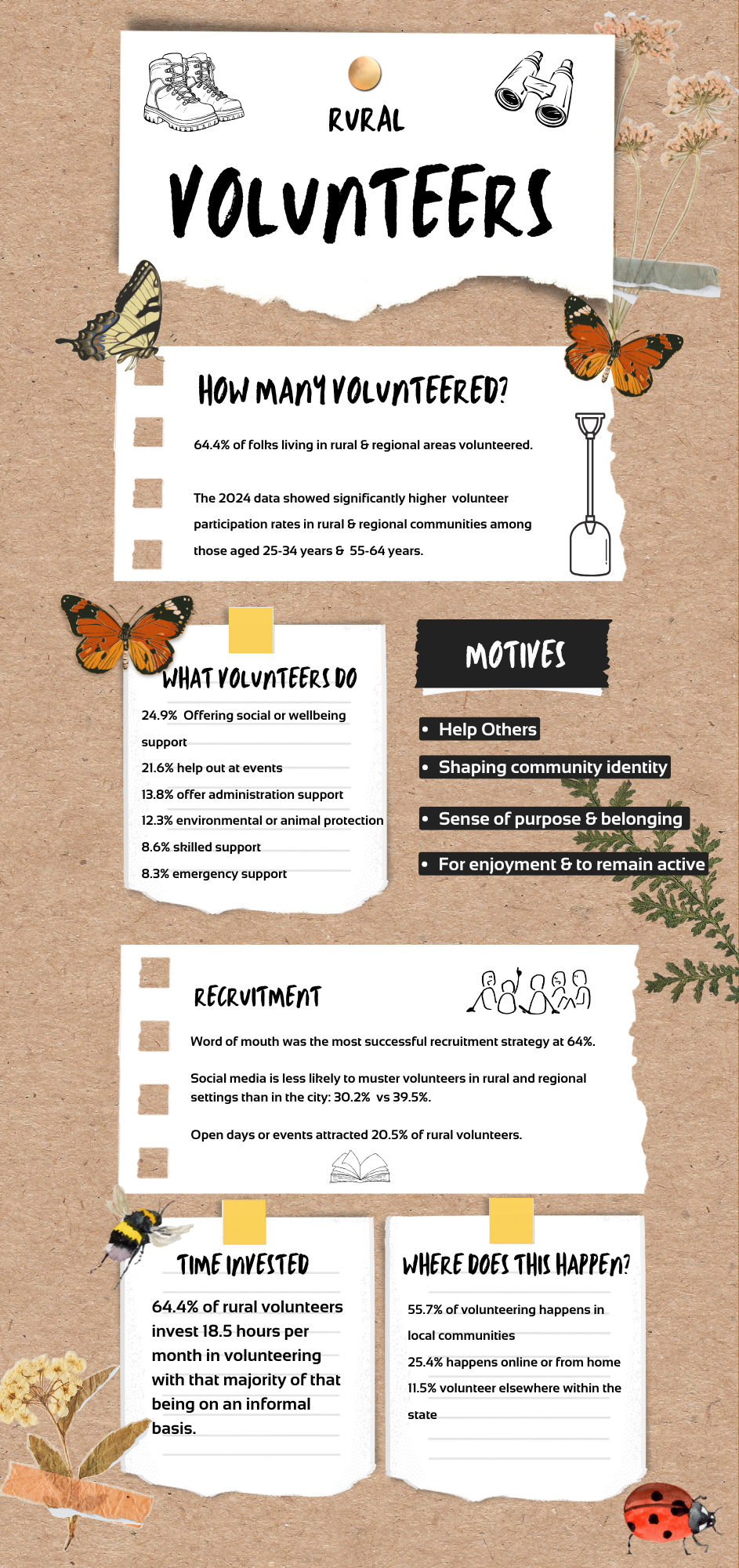
Each year the NSW government publishes an in-depth set of reports analysing the work volunteers do across the state and its value to our ecomony. As a volunteer-based organisation, Landcare groups such as ours compare this big-picture data to that which we collect locally in a bid to better understand the capacity that exist here in the Mid Lachlan Region. We then use those insights in our priority work plan to ensure the grants, resources & opportunities we invest in are both deliverable and desirable to you, our community.
We’ve pulled out some key data from the rural and regional volunteers chapter of the report and collaited it in an infographic below. You can read the full set of reports by following this link to the NSW government website where all of the reports can be downloaded for free.
We’d like to take this opportunity to again thank all of our existing volunteers and remind you all that Mid Lachlan Landcare is free to join and has a ‘no obligation’ policy meaning you can come along and get involved in as much or as little as you like/ can. Joining is easy simply email our office and ask to be put on our mailing list. In our newsletter you’ll find events, grant opportunities you may wish to apply for, interesting media links and an update on what our team has been up to that month. Landcare is for everyone!
Look forward to welcoming you along.
Central Tablelands Landcare Muster – Welcome to our Backyard
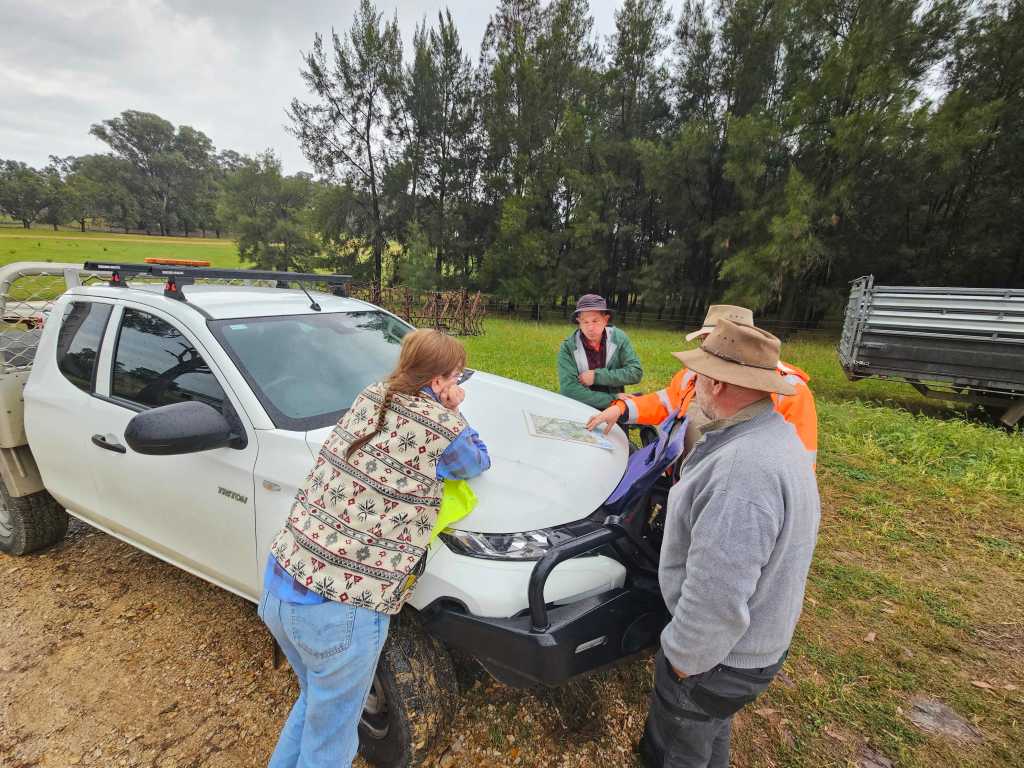

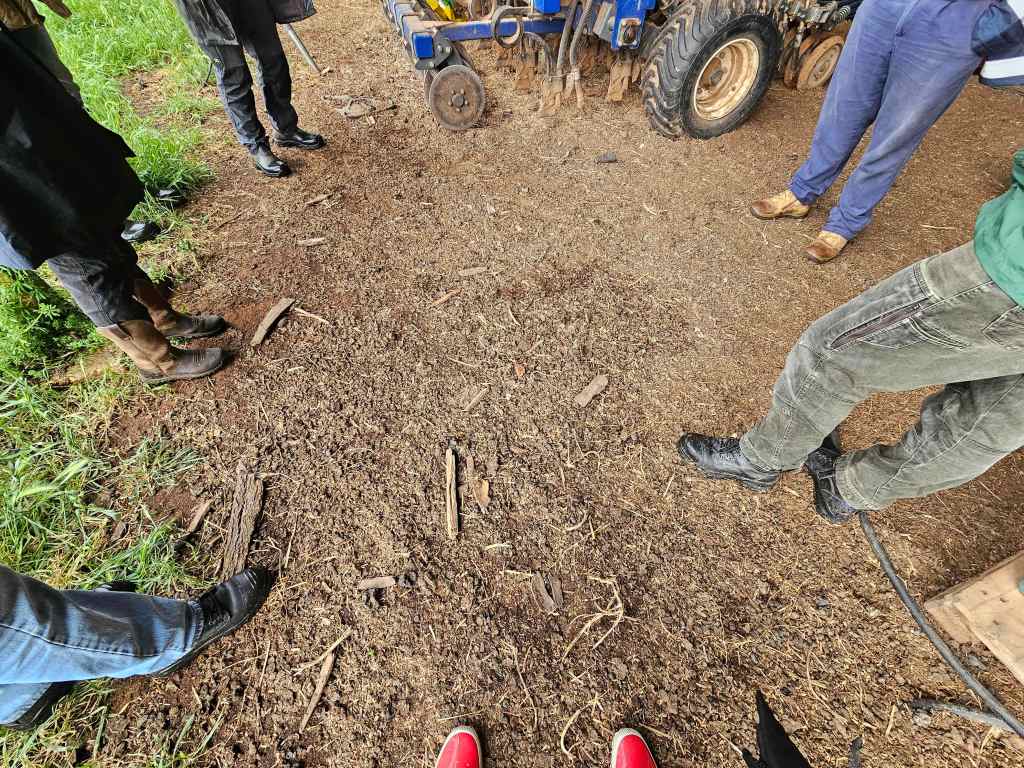
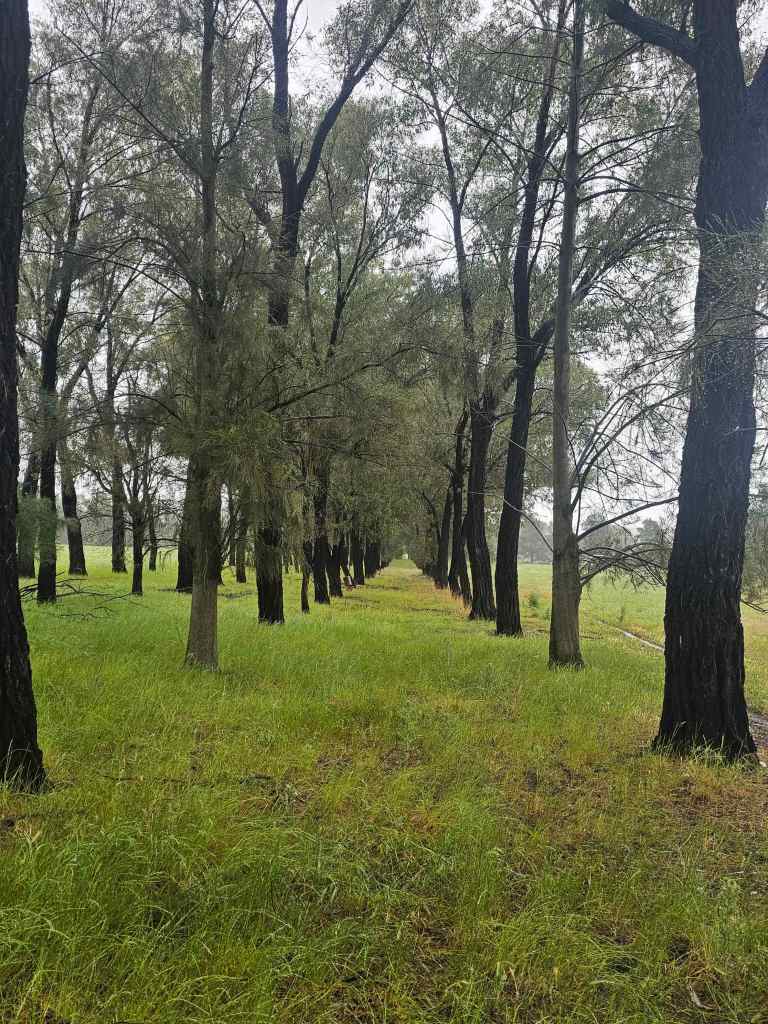
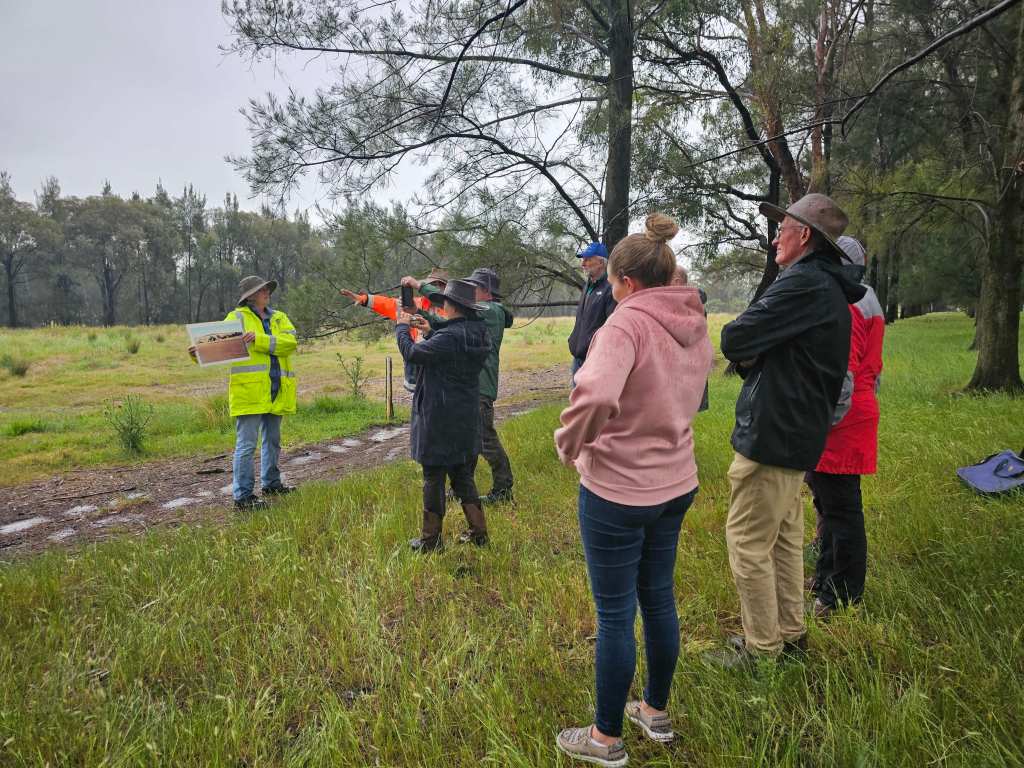
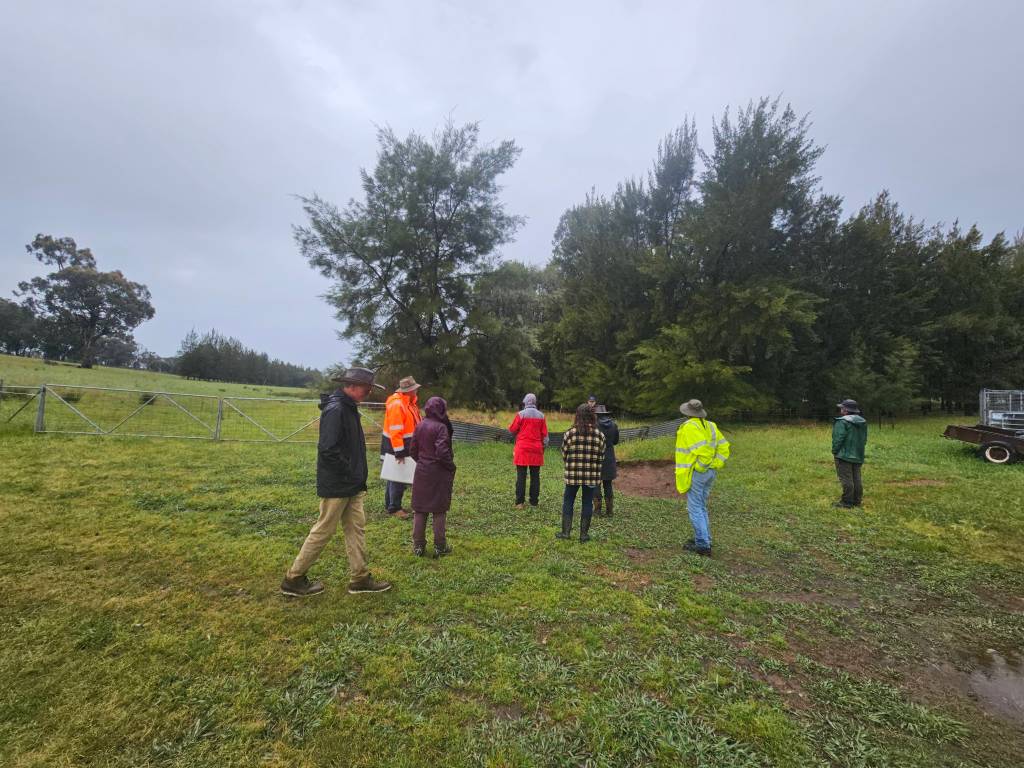

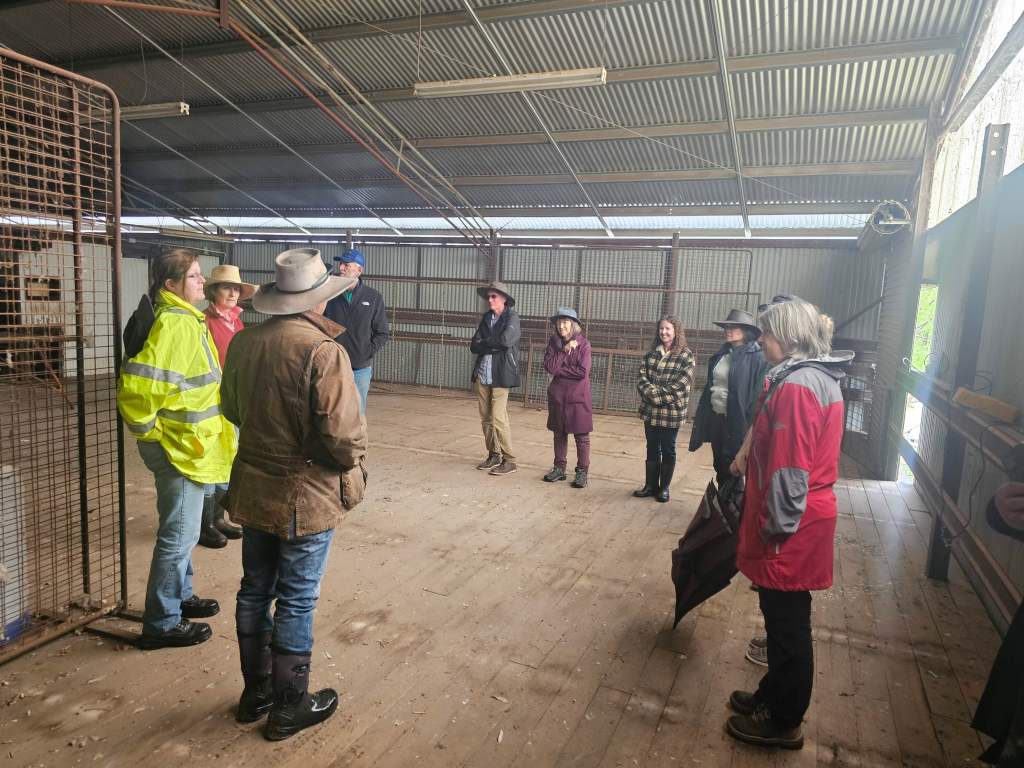
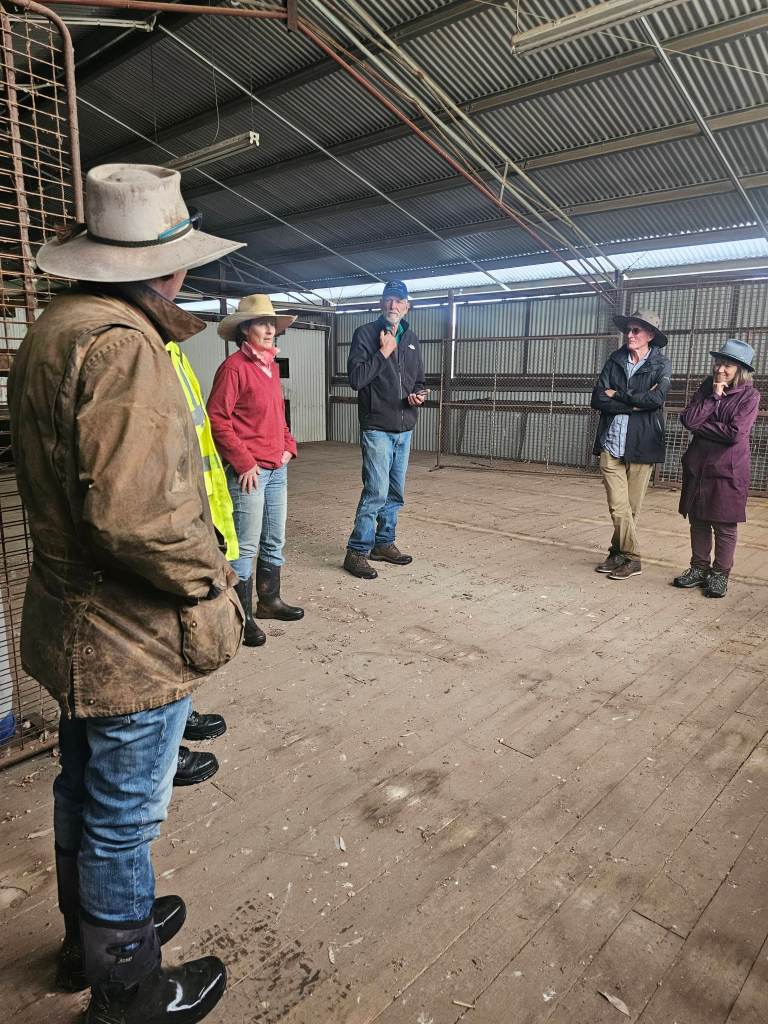

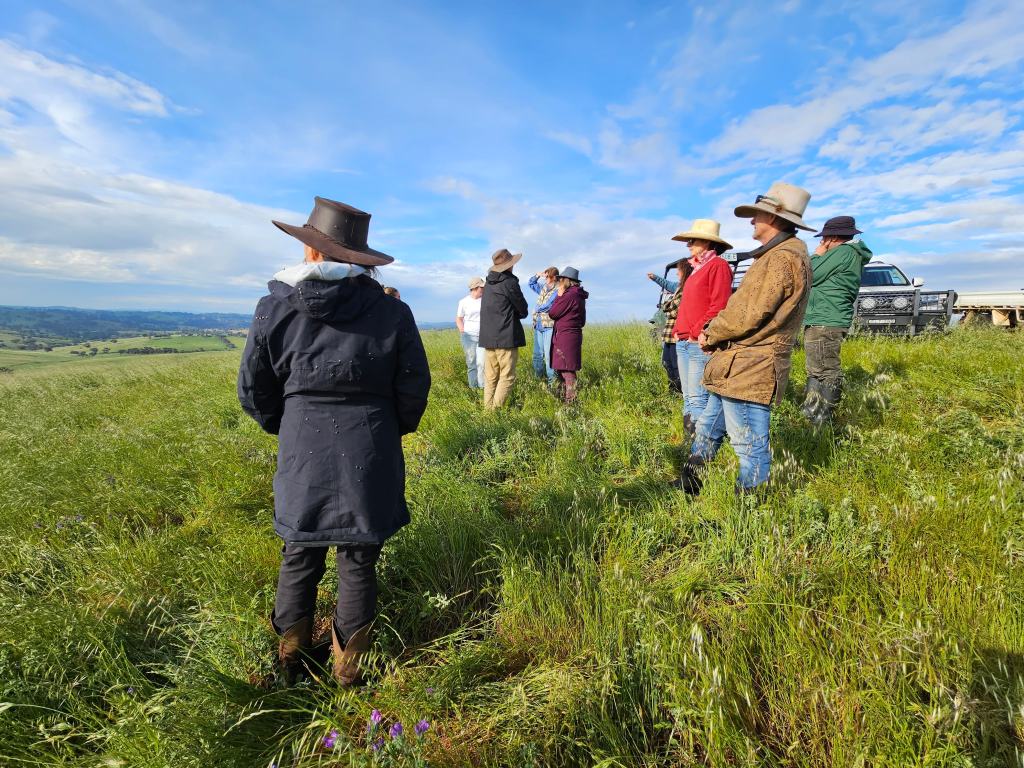
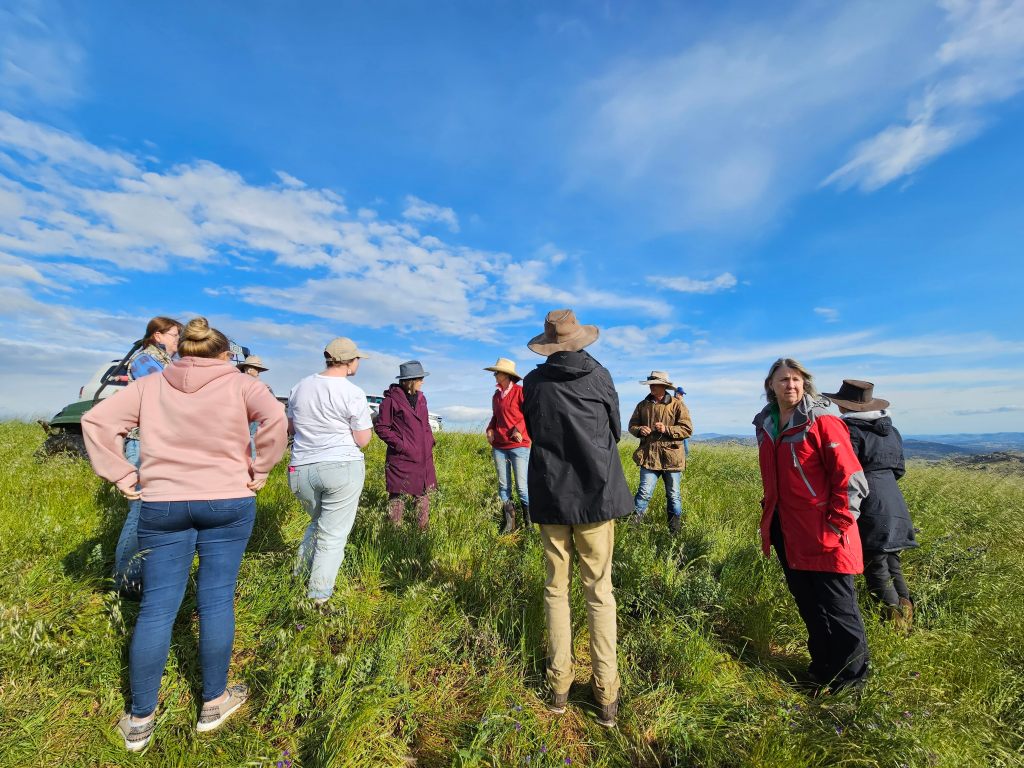


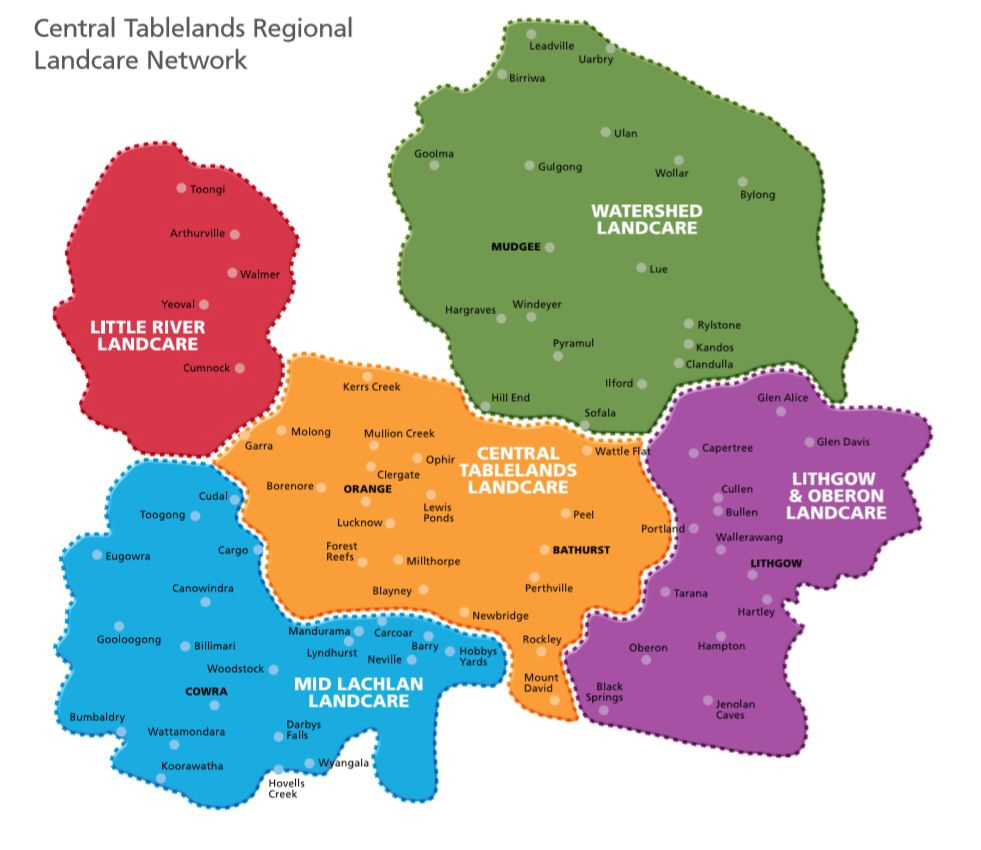
Mid Lachlan Landcare sits in the Central Tablelands Landcare region along with Little River, Central Tablelands, Watershed, and Lithgow and Oberon Landcare groups. Funding from the Landcare Enabling program has made it possible for Landcare groups across New South Wales to employ full time co-ordinators, organised into regional teams. This week, our regional team got together to identify opportunities for us to work more closely together. We explored the benefits that might flow from economies of scale and worked on how we can create an environment for the cross-polination of ideas. A proposal focusing on how we might go about better understanding what drives people to volunteer was put forward, and we also spent time scoping out a plan for increasing our funding capacity. Finally we recognised the wisdom within Landcare networks such as ours and brainstormed how that might best be captured. It goes without saying that we also relished the chance to get to know each other, our facilitating team and our Local Land Services guests a little better.
While each of our Landcare patches differs in their ecological priorities and comminities land-use practices, demographics & interests, it was clear that we also have so much in common. I’m sure I’m not out of line in saying that we’re all focused on delivering even better value for our communities as a consequence of the time spent together.

Before we sat down to our two-day workshop, we took the opportunity to invite our Central Tablelands team members on a farm tour. We were delighted with the interest in this activity and super grateful to have Salinity expert and Organic grazier Wooly (Andrew Wooldrige), cattle grazier Anna Hickman and our Growing the Grazing Revolution Champion Scott Hickman on board to share their time and insights among the group. There’s no better way to learn than to go out on country and immersing one’s self in farm life. It truly helps you see, touch, taste and smell how sustainability and land conservation work from a farming perspective. It was lovely to be able to share that opportunity with our network and have them experience first-hand what it’s like to stand on top of the world (Woodstock) and be serenaded by a mob of cows who feel the grass looks greener on the other side of the fence (where we’re standing)!
“As we work on the land, the land works on us” Steve Fleischmann, Lithgow & Oberon Landcare
Native Plant Identification for Landholders in Parkes & Wellington
Local Land Services are hosting two plant identification days in October. These events are part of the Threatened Ecological Communities on Farms project which is funded by the Australian Government Natural Heritage Trust and delivered by Local Land Services, a member of the Commonwealth Regional Delivery Partners panel.
To book your spot or to receive more information please contact Stephen Pereira using the information on the flyer.
9th October: Parkes
10th October: Wellington

Future Drought Fund-Farm Business Resilience Program. Weeds as Indicators of Soil Health
Last week we participated in an online workshop on weed management and it was so good, we just had to share it here! One of the big take-home messages for us was the value of a curous mindset – learning what weeds are telling us about soil health including soil microbiology, about our land management practices and about our environment as a whole.
Below we’ve highlighted some key moments from the webinar for those of you who want to skip forward or re-play a specific part:
11.30: How are we looking at this (weeds) problem
14.00-16.40 : The characteristics of weeds – Weeds holding the soil together and filling gaps in our ecosystem, recycling nutrients, improve soil carbon, provide nutrition, provide ecosystem services (pollen) & break up compacted soil
17.00-18.30: Weeds as early succession plants – a diagram by Dr Elaine Ingham (community dynamics).
20.00: Transitioning Soil Biology (Bacteria:Fungi Balance)
21.20: Weeds that come about when the decay/ recycling function of soil is not working.
22.00-24.00: Germination Signals and the weed seed bank – the impact of weather, environmental impacts & land management practices
25.30: 6 reasons weeds grow by Nicole Masters ‘For The Love Of Soil’
- Colonise bare soil
- Low soil organic matter
- Open up compacted soil
- Mineral imbalances
- Microbe imbalances
- Safety valve for toxins
26.40: Weeds that turn up when calcium and humus are low.
27.40: Weeds that thrive in compacted soil
28.00: Weeds that love high potassium, low phosphorous conditions
28.30: Weeds liking high nitrates
29.10: Weeds taking advantage of bare soils
29.50: Weeds that indicate fungal/ sleepy soils (a sign that stock density is low and soil may not be getting sufficient grazing inputs)
31.30: Non mycorrhyzal weeds that thrive in bacterial dominated soils.
32.00- 34.00: Grazing management to manage weeds
39.00 – Process for listening to weeds
- Observe plant characteristics in the field
- Observe and monitor soil health (including soil microbiology)
- Consider paddock history
- Research the plant
- Consider reasons weeds grow
- Consider ecological processes
- Monitor over time.
Bioblitz, Citizen Science & the iNaturalist App
This week we participated in The Great Southern Bioblitz, a citizen science driven ecological survey that runs for four days each spring.
Citizen Science: the collection and analysis of data relating to the natural world by members of the general public, typically as part of a collaborative project with professional scientists. Dictionary.com
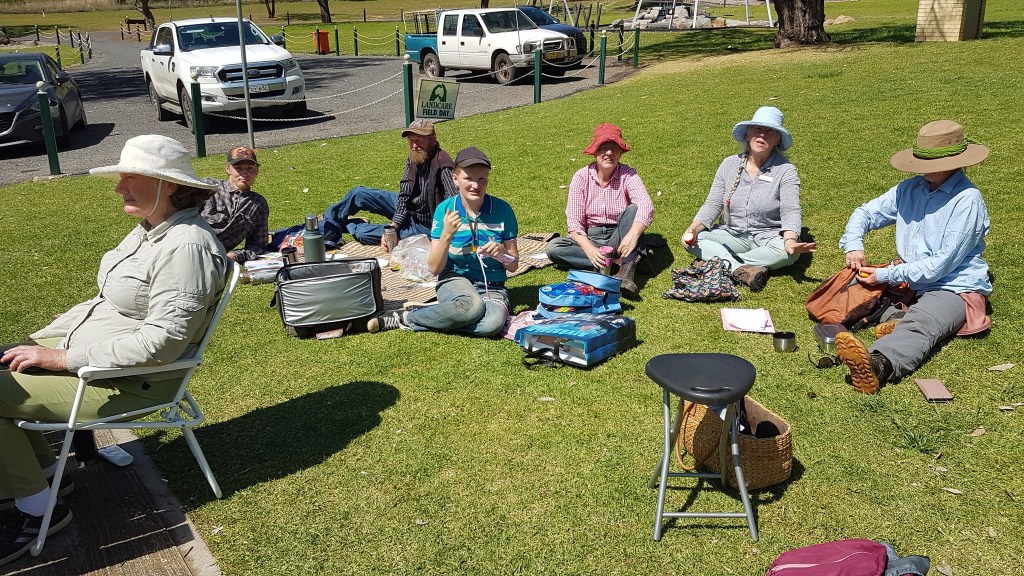
A team of fifteen nature-loving individuals joined our Mid Lachlan Landcare event in Box Gum Grassy Woodland at Cowra’s Billy Goat Hill. Spending the morning photographing, audio recording and then uploading our findings to the Central Tablelands project site.
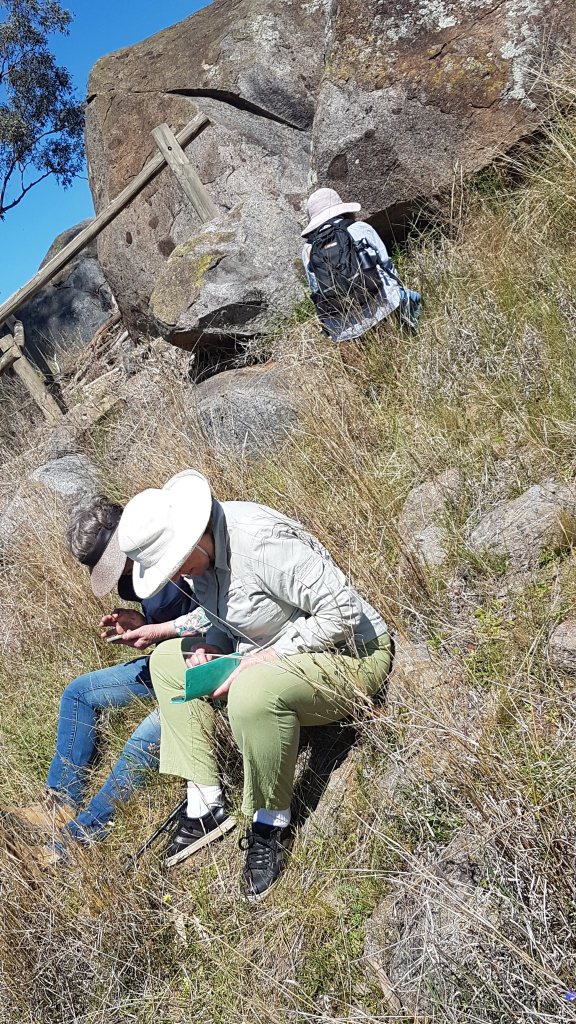
By the end of the session, our Central Tablelands group project had 65 active participants who’d together recorded 901 observations across 436 species – an amazing effort!

The Great Southern Bioblitz would not be as effective without the fabulous ‘iNaturalist’ app, an app that’s free to download and can be accessed at any time.
Tracee and I use the iNaturalist app throughout the year to record the plants, animals and fungi we come across when we are out and about in nature. We have our own project site ‘building connections for Biodiversity which currently has over 11,000 observations and close to 2000 species recorded by 33 people, most of which are located in the Mid Lachlan Region. Feel free to join us and add to our dataset!
In Australia, iNaturalist data feeds into the Atlas of Living Australia database, a data-set that’s helping inform and direct our policy makers, scientists and thought leaders. It’s also providing citizens like you and I with a high quality, community-built educational asset through which we are able to understand and appreciate the nature we find ourselves surrounded by.
It is a great tool to use to record all you find on your farm and surrounds and it’s especially great if we can record species found in Box Gum Grassy Woodlands to improve knowledge of these special woodlands.
You can find more information about iNaturalist in our video below.


The program is being funded by the NSW Government
through a partnership between the Saving our Species program
and the Environmental Trust.
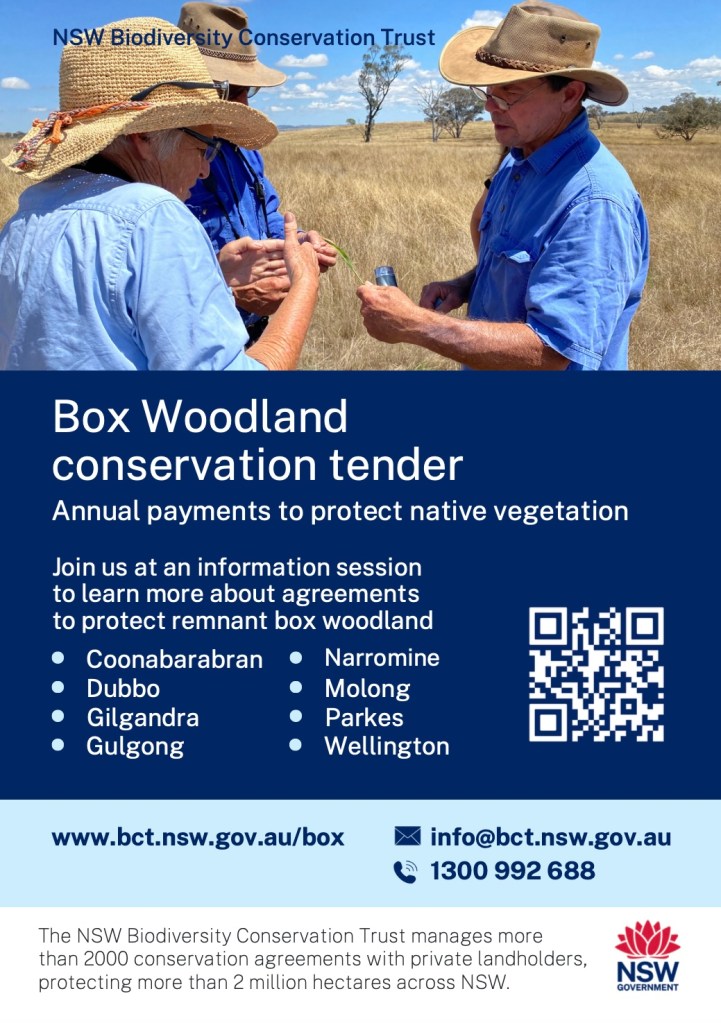
Box Woodland Conservation Tender Open Now for Cabonne LGA
The NSW Government’s Biodiversity Conservation Trust currently has a tender open for Box Woodland Conservation in the following local government areas: Warrumbungle, Gilgandra, Dubbo, Narromine, Parkes, Mid-Western and Cabonne.
Expressions of interest close on 29th September at 11.59pm.
To find out more and check your eligability please scan the QR code on this image or follow this link to the BCT tender page.
Farming Forecastor – Soil Moisture Probes of the Mid Lachlan Region
Farming forecastor was originally developed as grazing management tool to assist in feed management, stocking rates and pasture management. The site collects and maps data from soil moisture probes located throughout the region. With moisture readings taken at 10, 20, 40 and 60cm depth, land managers can use this data to plan their planting, grazing or other groundwork three to four months ahead. Some example scenarios of how farming forecastor data is being used outside of pasture management include:
- Revegetation work planning – land carrying capacity for species plus forecast watering regimen.
- Weed control strategies – timing the removal of unwanted ground cover (weeds) to minimise top soil erosion while new plantings take root.
- To help interpret soil microbe results – low soil moisture generally correlates with low total microbes and subsequently slower plant growth.
- Conservation site management – measuring soil moisture retention over time as a measure of site health.
In addition to fieldwork applications, this tool provides educators with a rich, dynamic and engaging data set for lessons in Agriculture, Math, Geography, Earth Science, General Science, Technology and more. Measuring, monitoring and responding to the weather is such a natural thing for us humans to do but we often take it for granted. Maybe it’s time we put taking about the weather back at the top of our ‘to do’ lists. It really is fascinating!
This map shows the location of moisture probes located in and around our region and here’s a link to the farming forecaster site so you can have an explore.
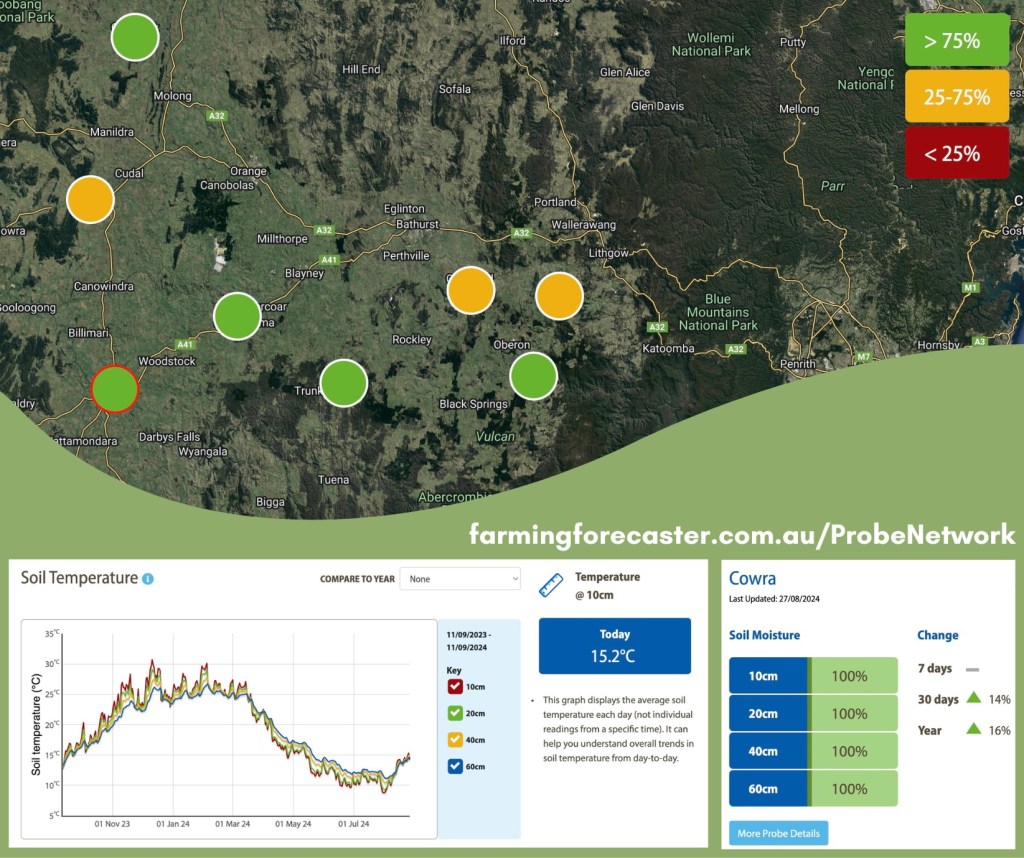
We’ve embedded a link below to help you learn more about this management tool and will also direct you to the Farming Forecaster Training Resources page to learn more about interpreting and using the data.
Landcare Week Pop Up Store & Mystery Bus Tour
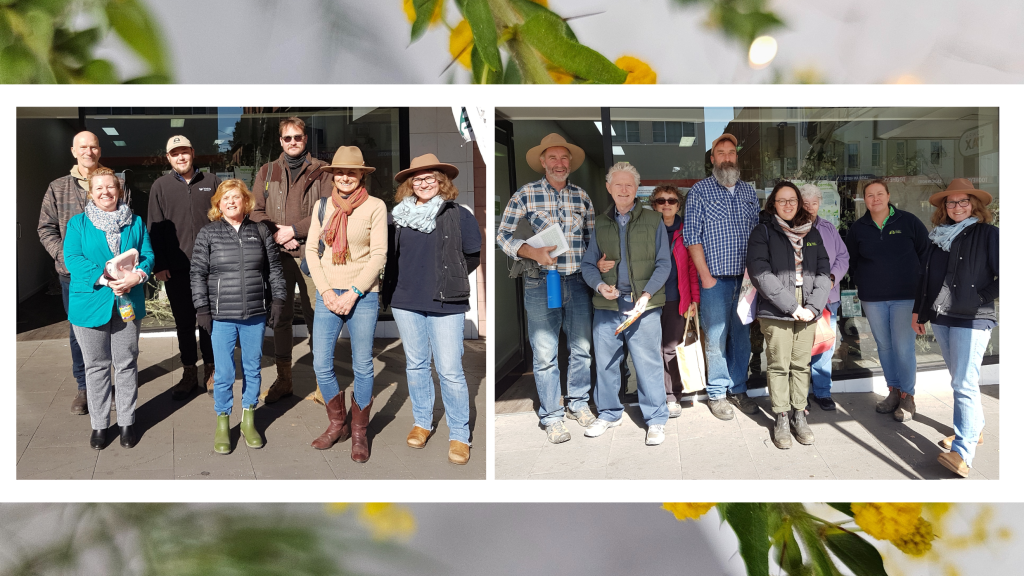
‘Landcare is for everyone’ was the theme of this years Landcare Week and what better way to embody that than a pop-up-shop and mystery bus tour (or two) -yes, let’s take it very literally and show Landcare to everyone!
About the bus tours
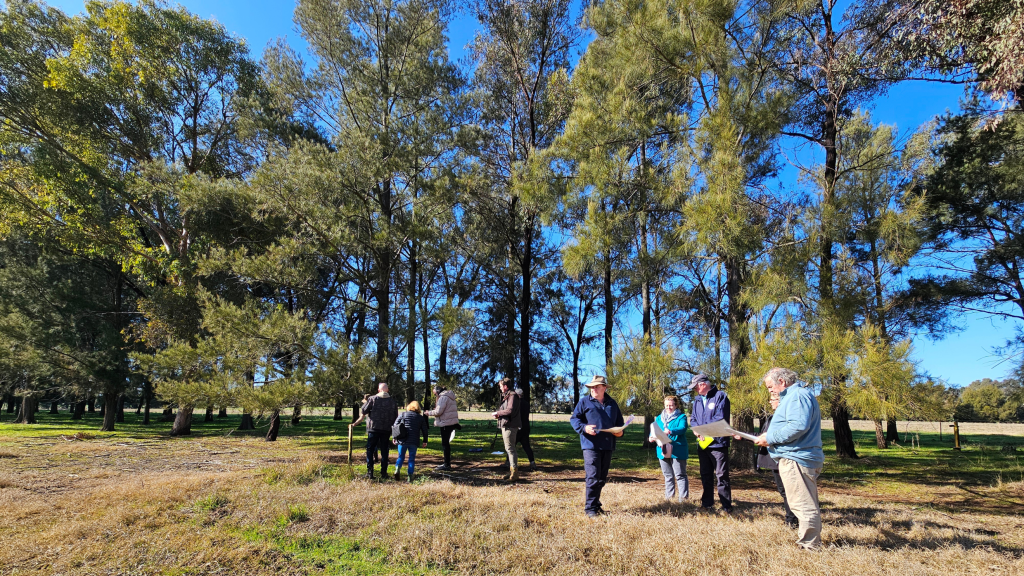
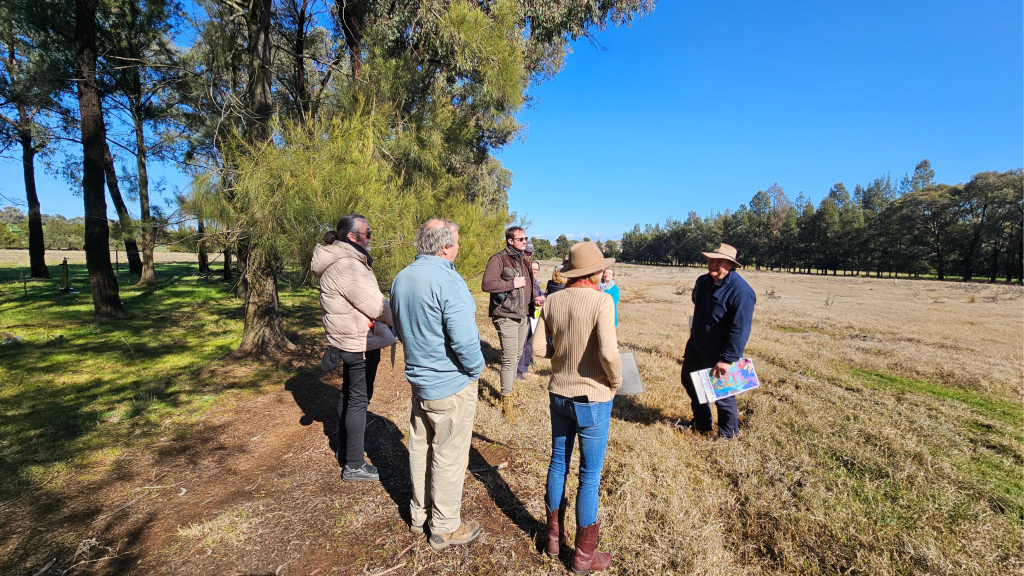
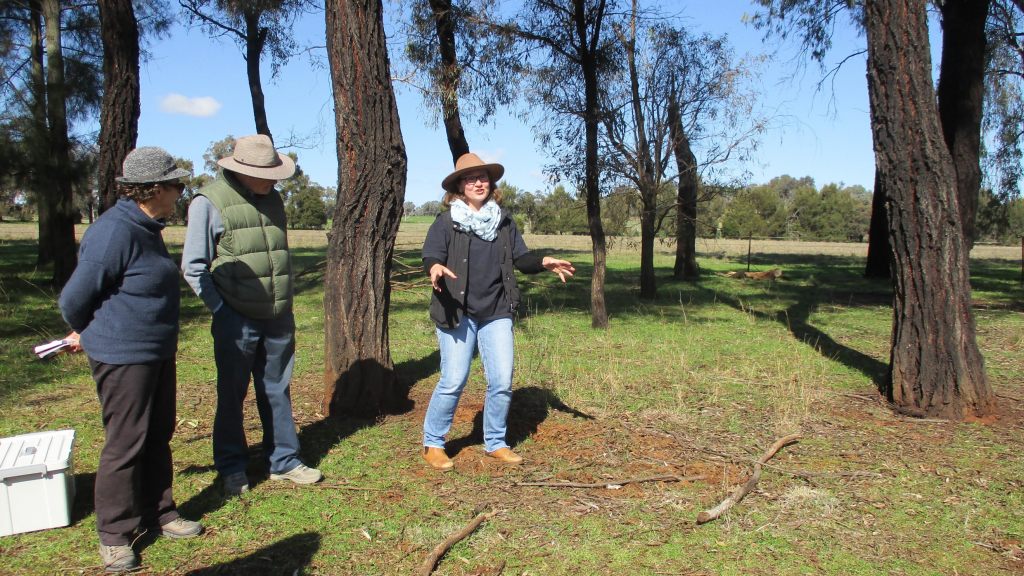
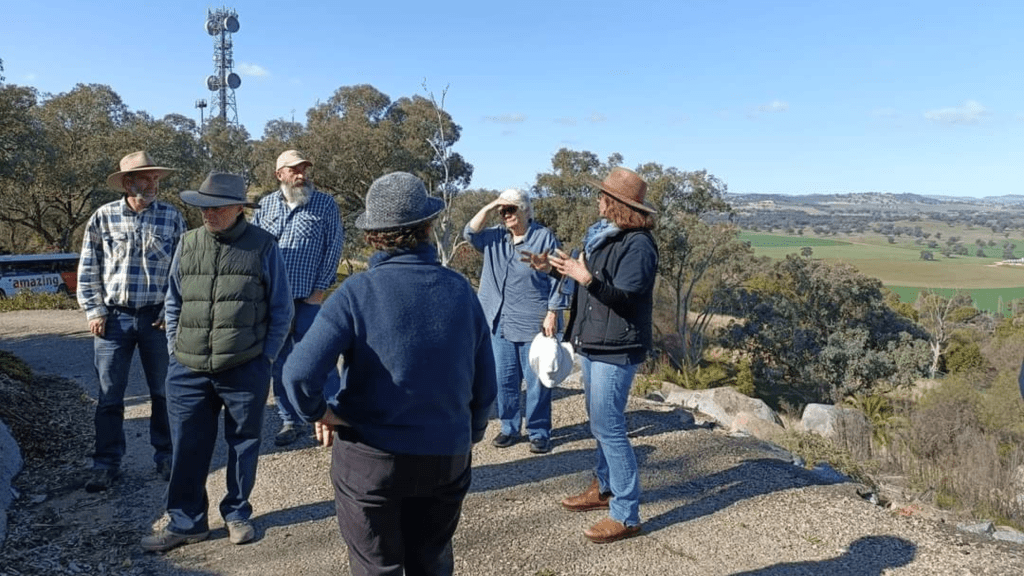
We’ve been running catchment tours for local, regional and city based schools for many years, but we don’t often we get to run tours for the general public. This Landcare Week we wanted to extend the invitation to our local community and take them to see some of our collective stories around the Cowra area.
A whistle-stop tour of two sites allowed us to show how strategic tree planting and management play vital roles in erosion control, animal welfare & microclimate formation (via shelter belts) and salinity management. We explained the geological features of our landscape and how Cowra came into being, our precious native Box Gum grassy woodland habitat and the role we play in its regeneration, plus sustainable grazing practices & farm management.

About the Pop-Up Store
Being centrally located and open all week meant we could reach a broader and more diverse audience. Many people think of hard manual labor, tree planting and weeding when Landcare is mentioned and we wanted to expand that narrative to one that better reflects the diverse and interesting ways Landcare operates.
Mid Lachlan’s projects have included eDNA testing (Saving our species project with Odonata), Soil microbiome mapping (with the Microbiometer), Citizen Science (Bioblitz), Growing the Grazing Revolution, Box Gum Grassy Woodland Habitat on Farms and squirrel glider monitoring in the past in partnership with various organisations such as the CSIRO, Australian National University, the Biodiversity Conservation Trust, the Odonata Foundation and many more.
Our store was designed to bring the wonder and beauty of the Box Gum Grassy Woodland habitat we are surrounded by into the town. To make that as immersive as possible we distilled fresh Eucalyptus hydrosol all week, turning the store into an aromatic delight. Contributing to that were our displays of eucalypts and acacia’s from around the region plus six table displays showcasing different aspect of the work we do. Along with the curiosities and artefacts were a photo display plus a number of recent case studies from around the region to whett the apetite and highlight what’s possible when we work together.
Overall the week felt like a great success. The bus tours went well and the store was busy with drop-in visitors all week. We also managed to attract some press attention with the ABC’s Tim Fooks calling in and interviewing a number of our team members, plus a feature on Chanel 7 news.
You can listen to Tim Fooke’s interview’s here
Tracee & Amanda about Landcare Week.
David Wrenford about his Tree Change & The Water Monitoring Project he’s part of.
It was lovely to meet so many people and hear more about what Landcare means to them all and, more importantly, what they want to see from us (and be a part of) in the future.
Celebrating National Tree Day
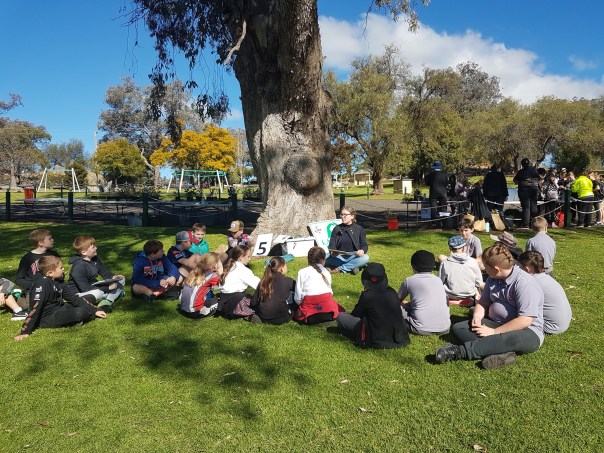
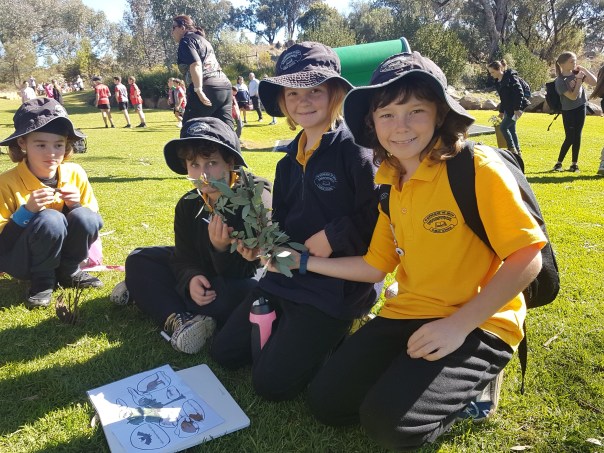
National tree day was established by Planet Ark in 1996 and has grown to become the largest community tree planting day Australia wide! While we are often out explaining that Landcare is not JUST about planting trees, tree planting remains such a vital part of many of the projects we take part in, including, of course, this one!
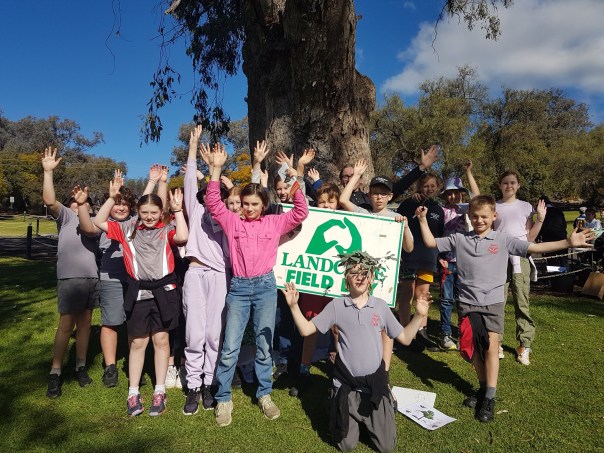
We joined two events this year, first up was Cowra Council’s school / community event at the adventure playground near to Billy Goat’s Hill and second was Canowindra primary school’s afternoon of planting sponsored by Cabonne council.
We had a lovely time playing our narrative listening game ‘Life around the Gum Tree/ Dingo (a bit like bingo’) and helping the students plant the trees and shrubs provided. We hope they all go on to grow big, strong and proud!
Cowra Council Tree Day Event.


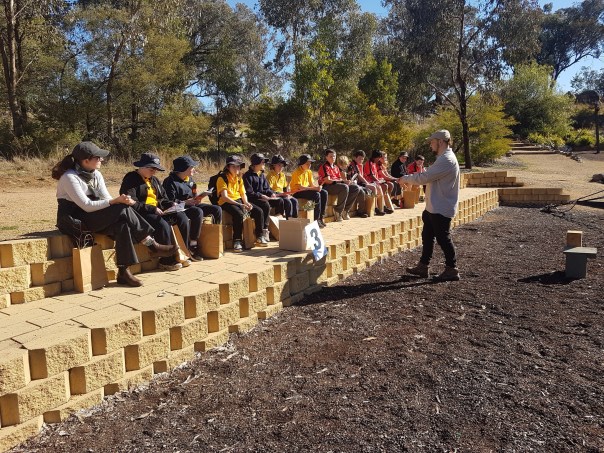

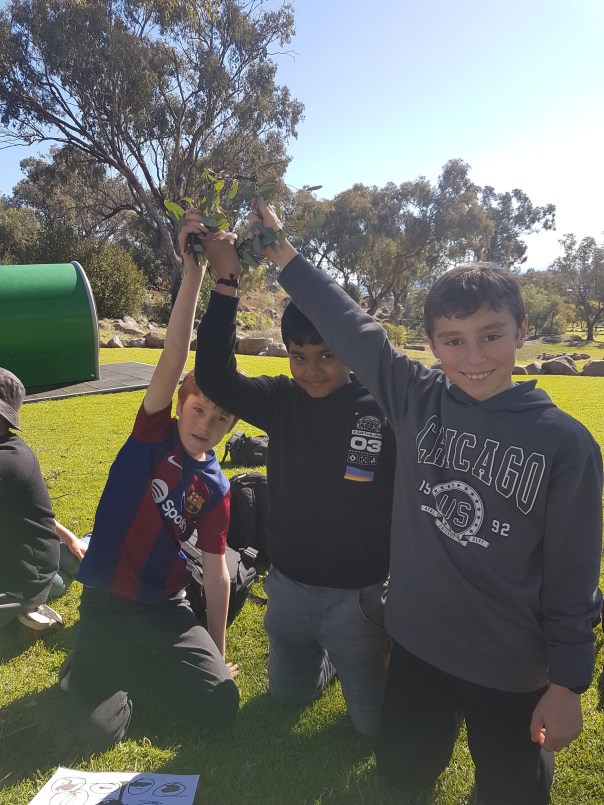


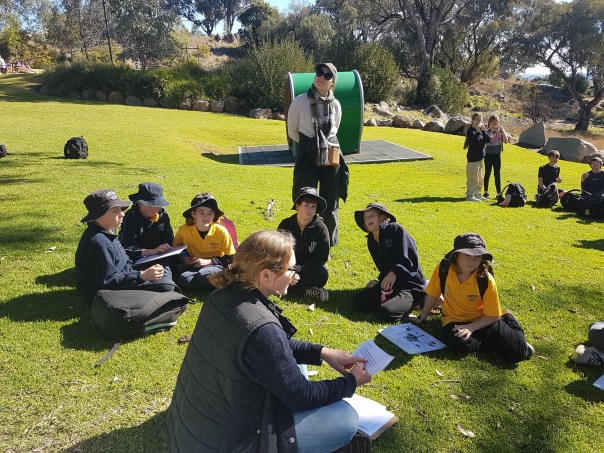
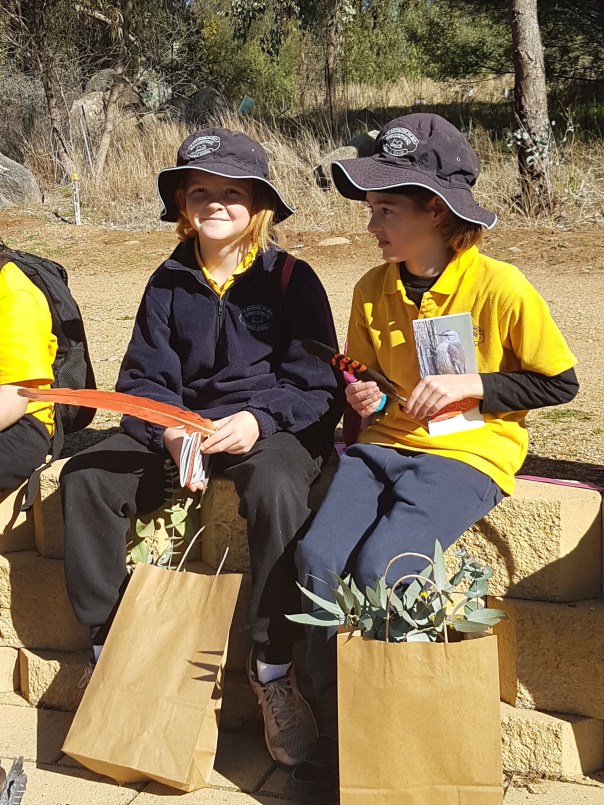
Canowindra Public School Tree Day Event
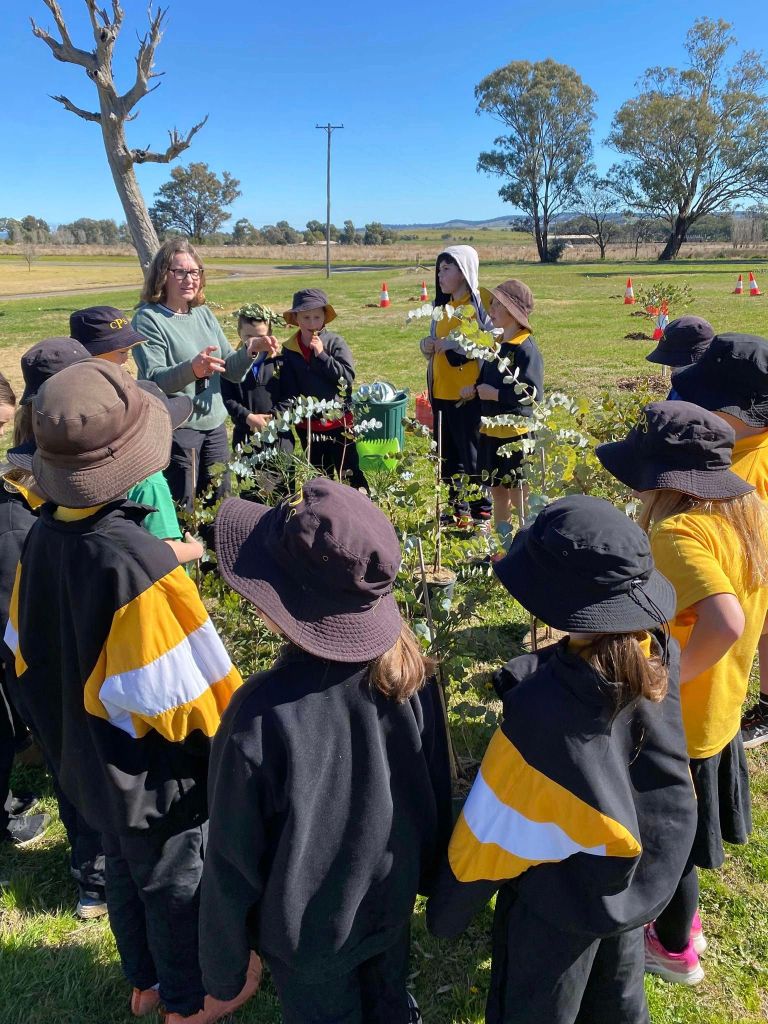
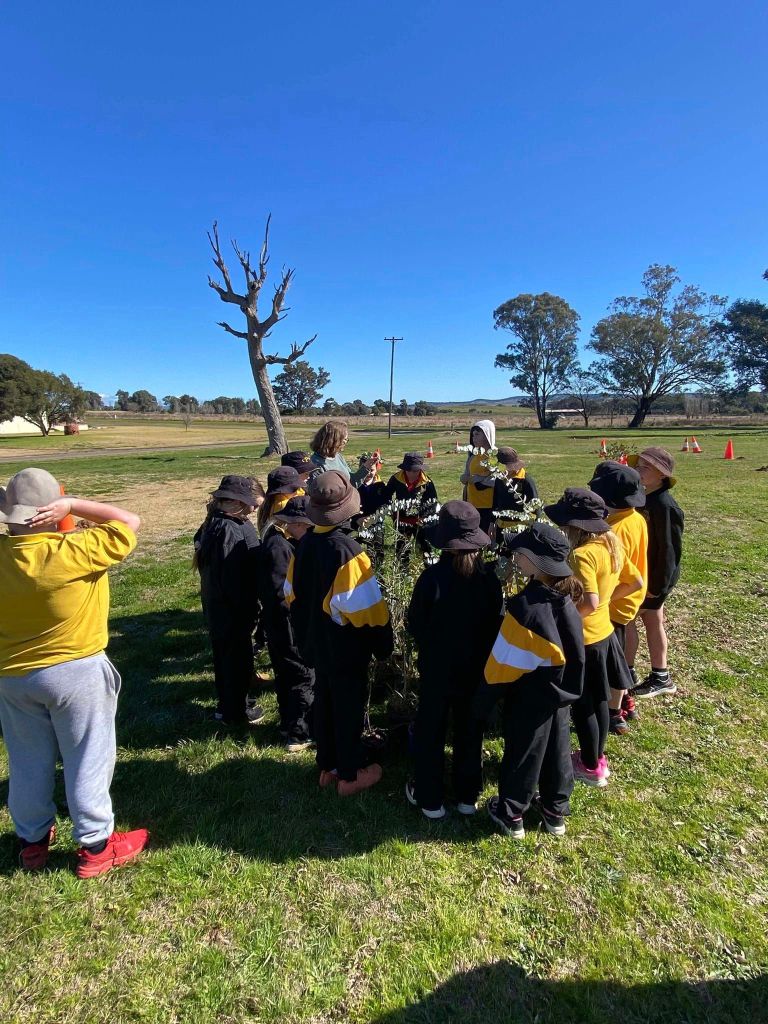

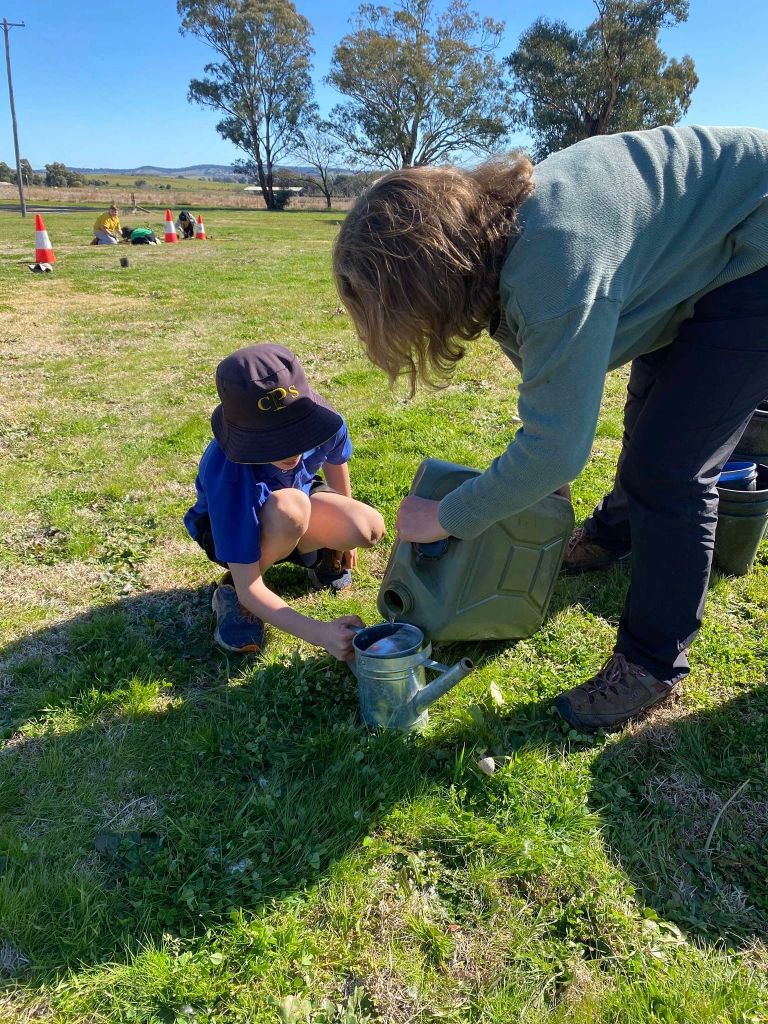

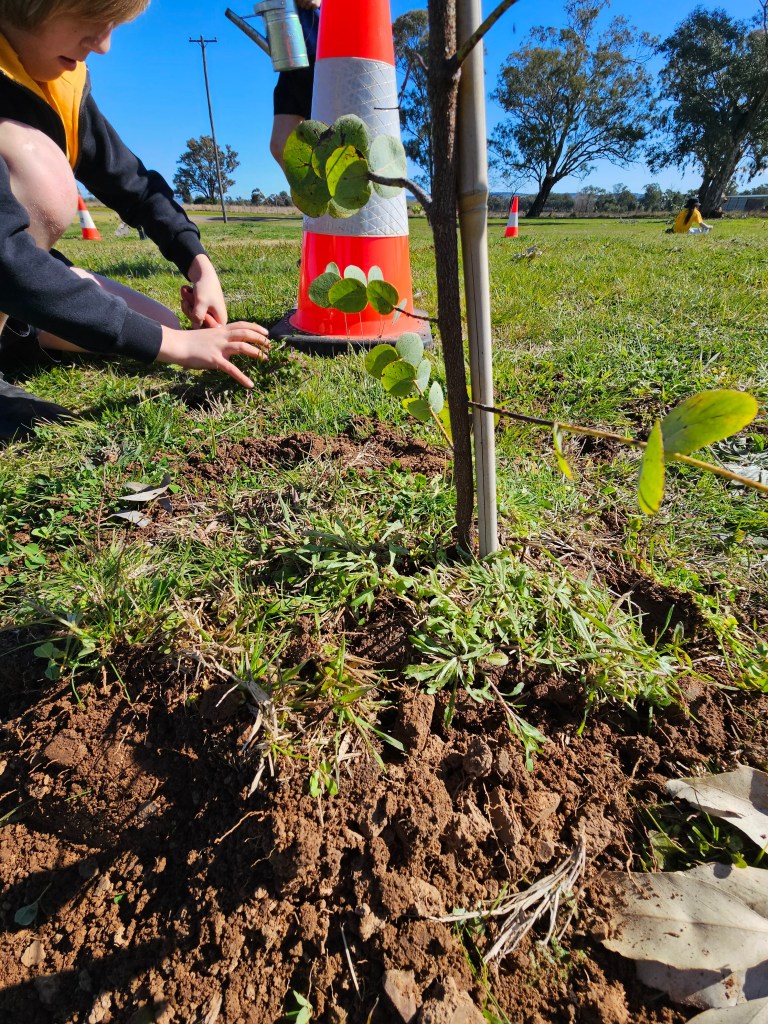
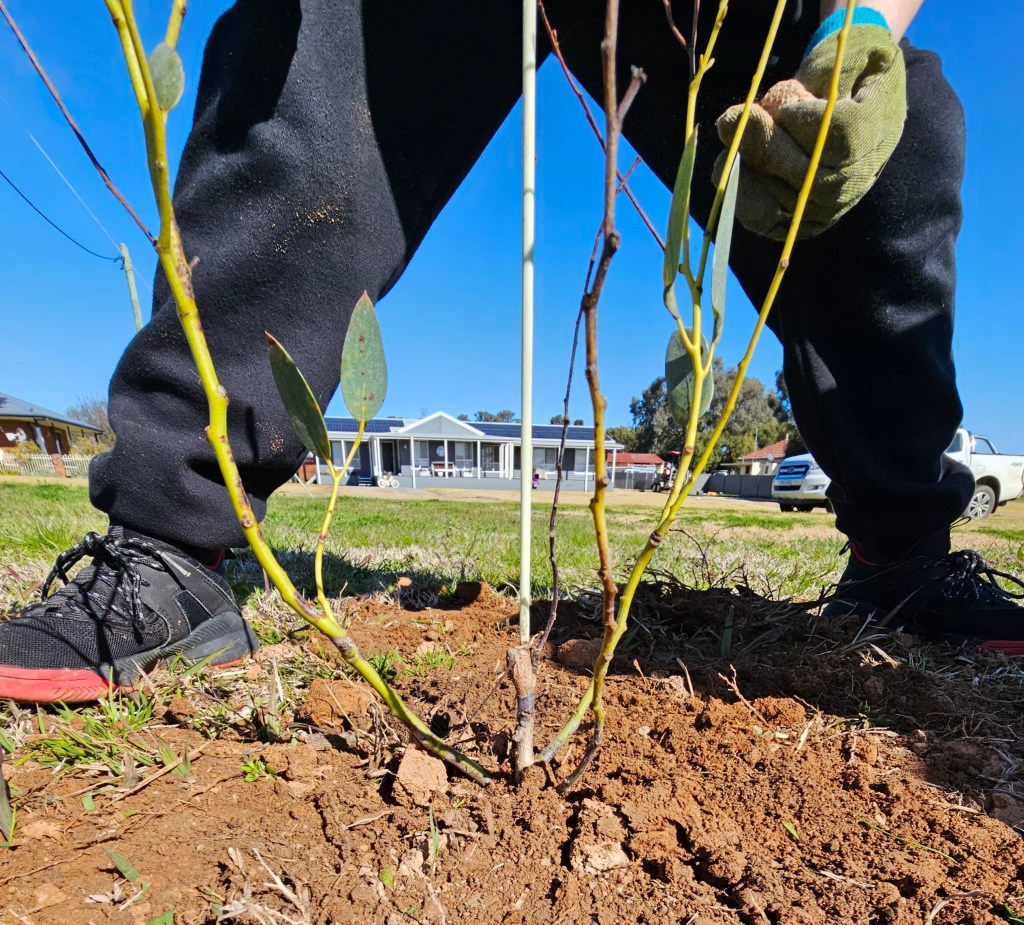
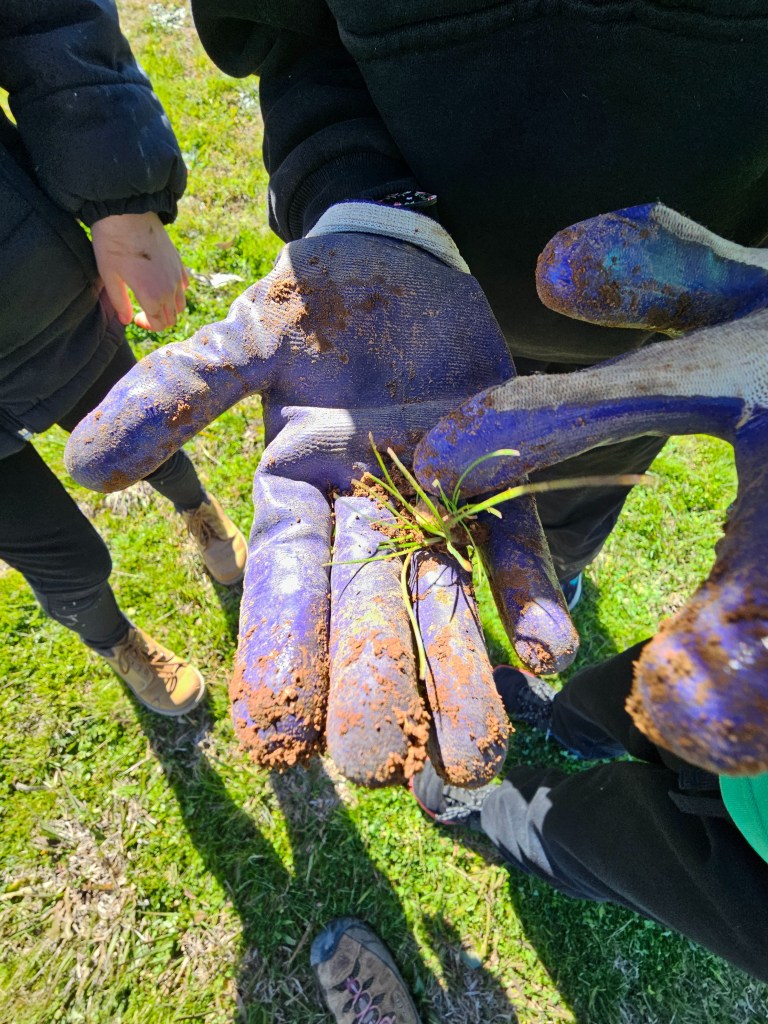
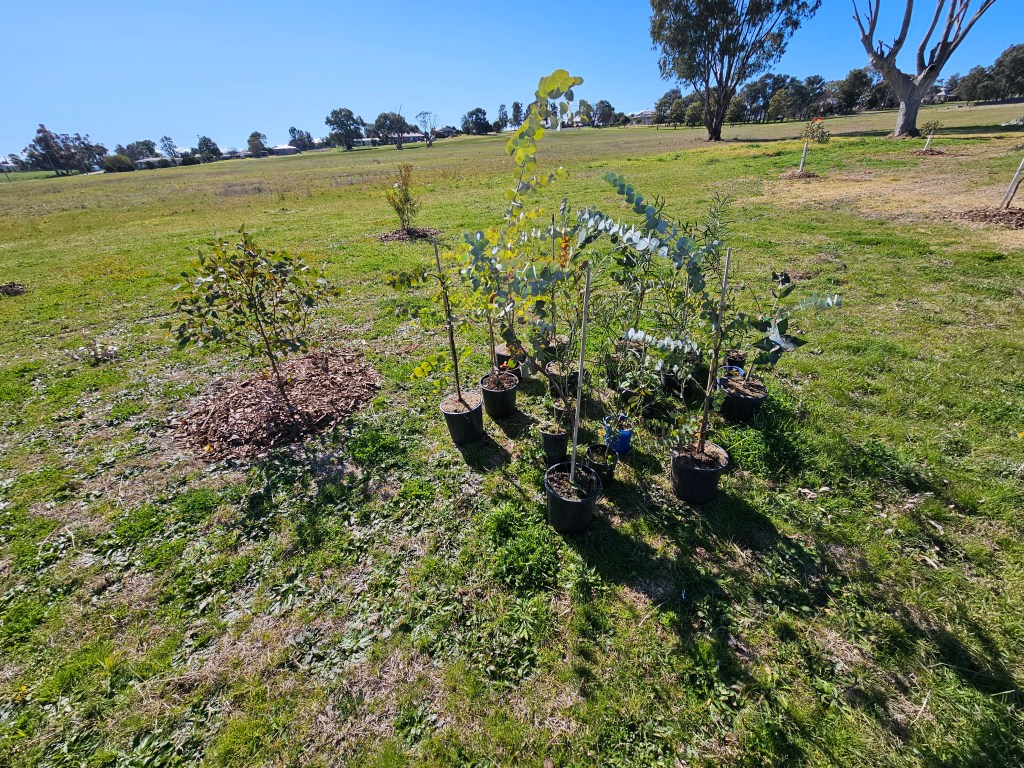
Thanks to Cowra and Cabonne councils for supporting this amazing event and for all the schools and students who gave up some of their time to come along. We really loved meeting you all and appreciate your efforts.


 Mid Lachlan Landcare