Mid Lachlan Landcare
supporting sustainable agriculture and restoring the environment
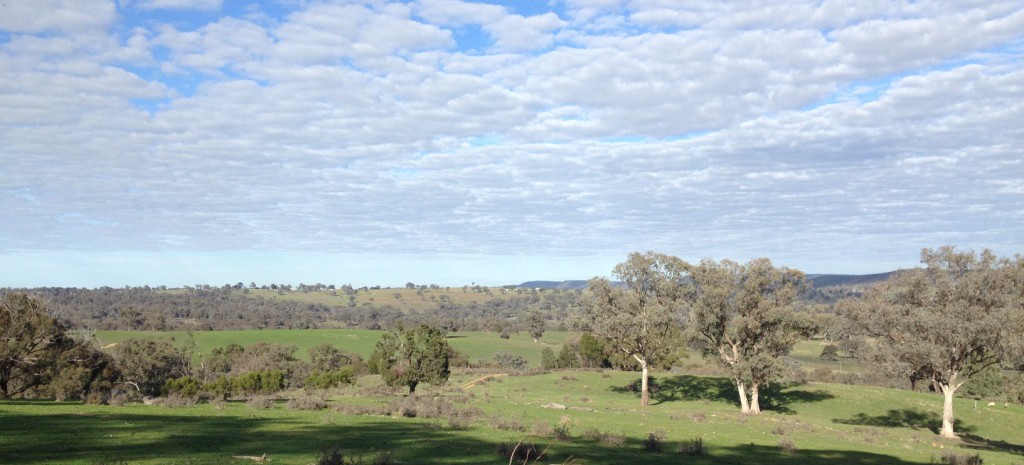
Celebrating National Tree Day
National tree day was established by Planet Ark in 1996 and has grown to become the largest community tree planting day Australia wide! While we are often out explaining that Landcare is not JUST about planting trees, tree planting remains such a vital part of many of the projects we take part in, including, of course, this one!
We joined two events this year, first up was Cowra Council’s school / community event at the adventure playground near to Billy Goat’s Hill and second was Canowindra primary school’s afternoon of planting sponsored by Cabonne council.
We had a lovely time playing our narrative listening game ‘Life around the Gum Tree/ Dingo (a bit like bingo’) and helping the students plant the trees and shrubs provided. We hope they all go on to grow big, strong and proud!
Cowra Council Tree Day Event.
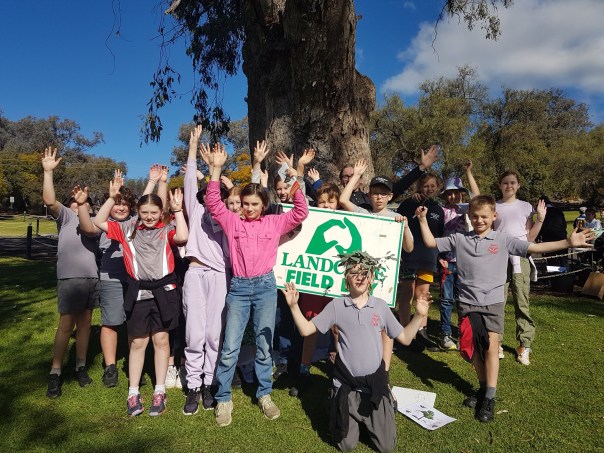


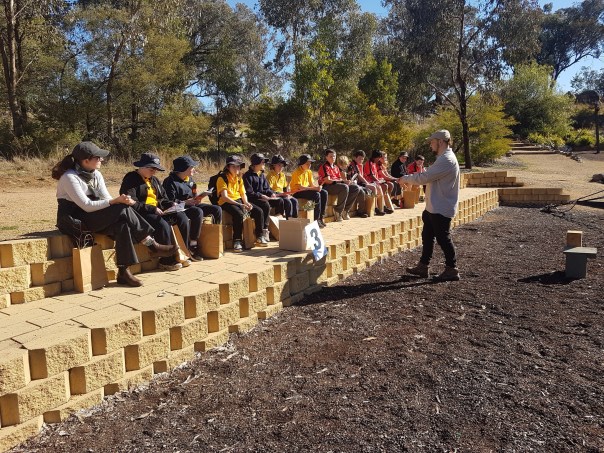
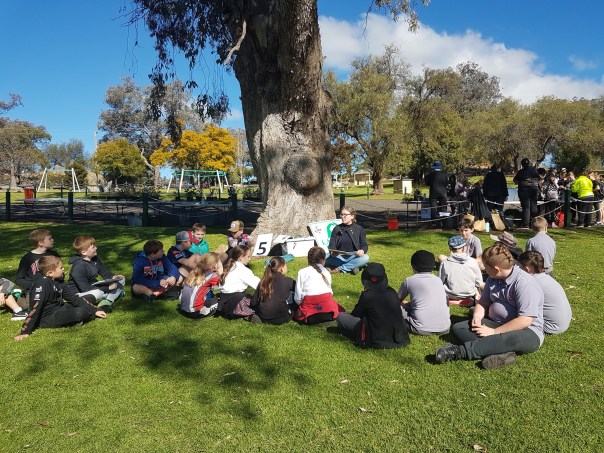

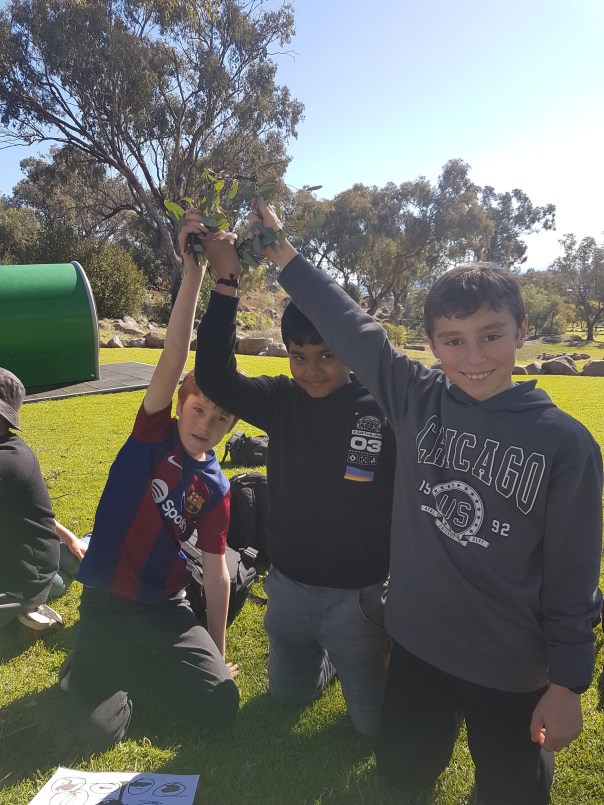


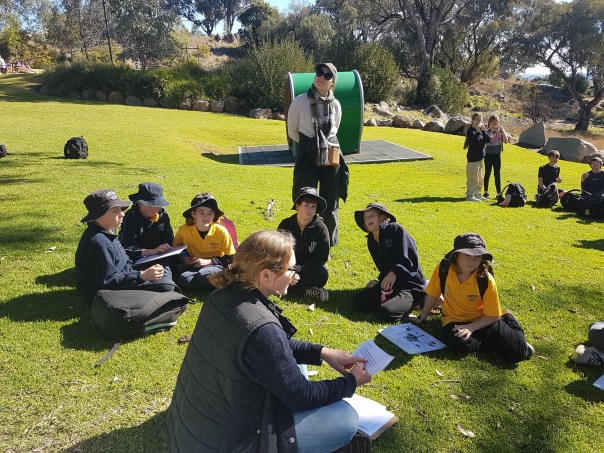
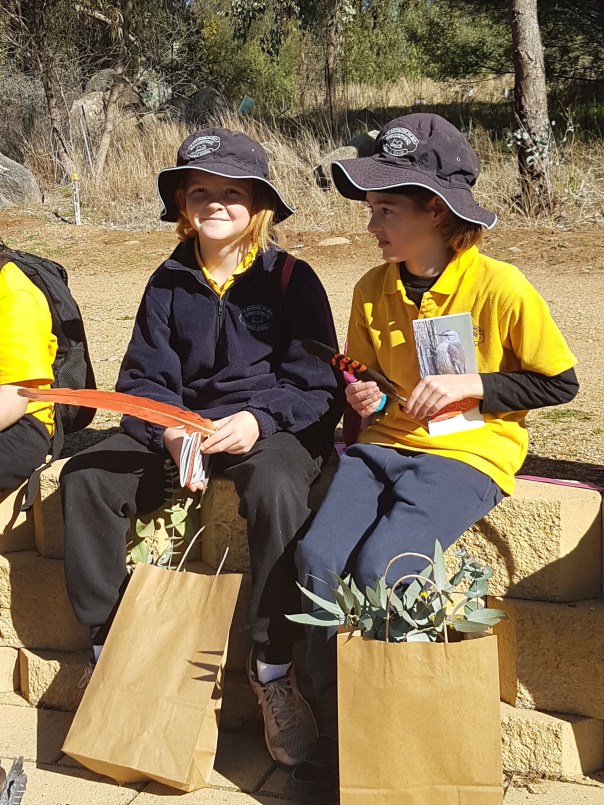
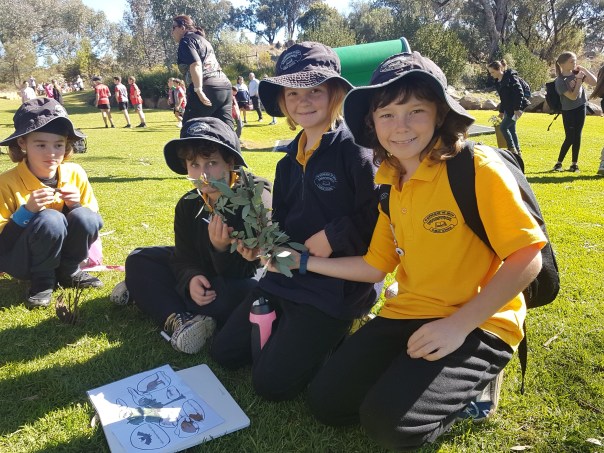
Canowindra Public School Tree Day Event
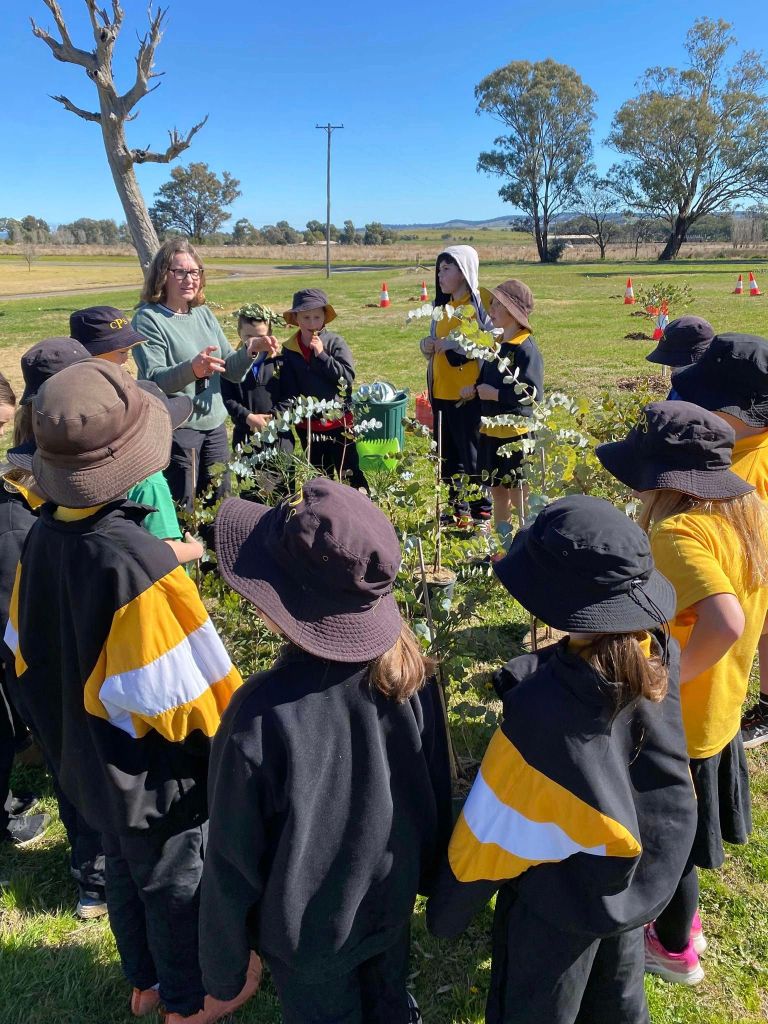
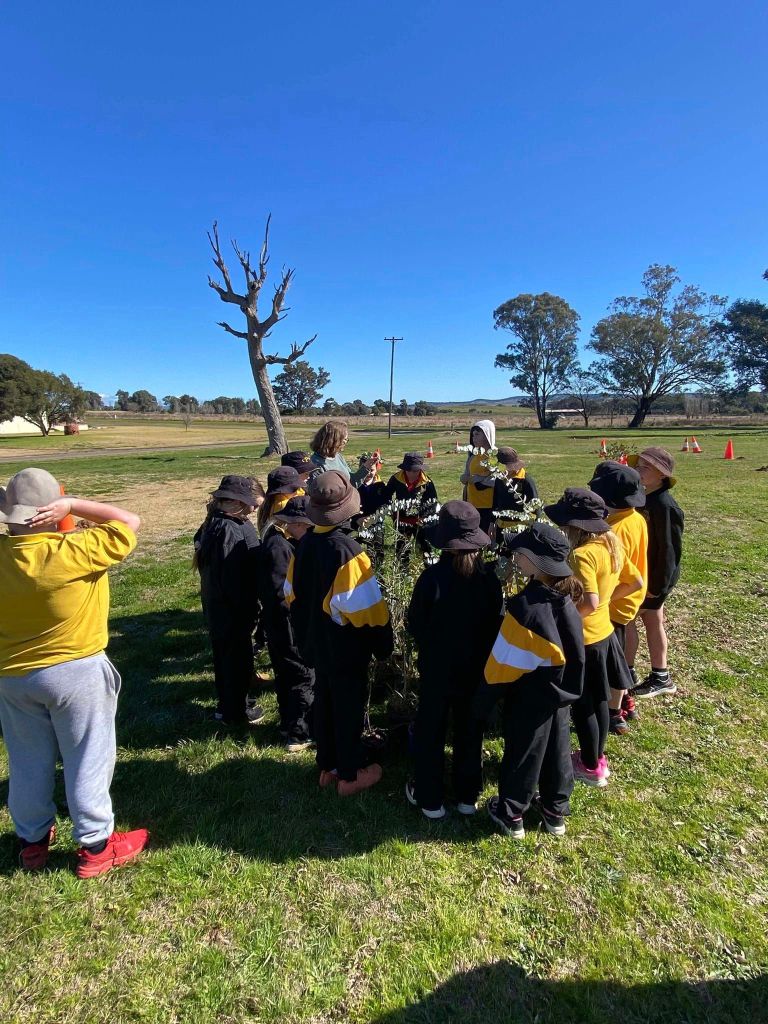

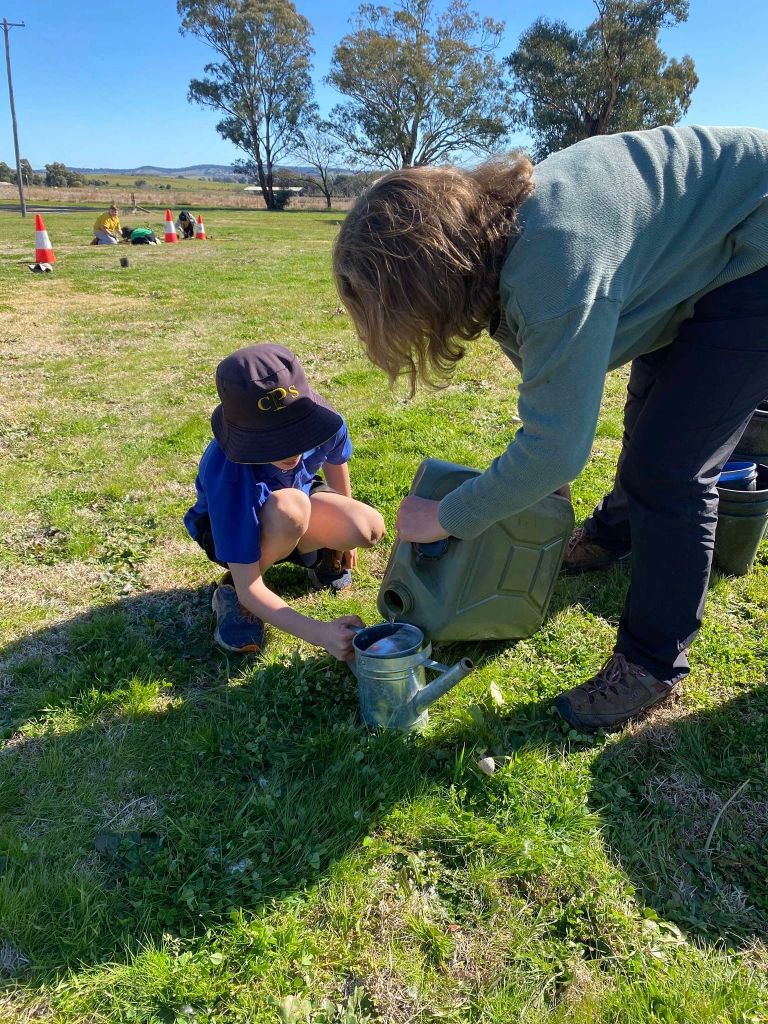

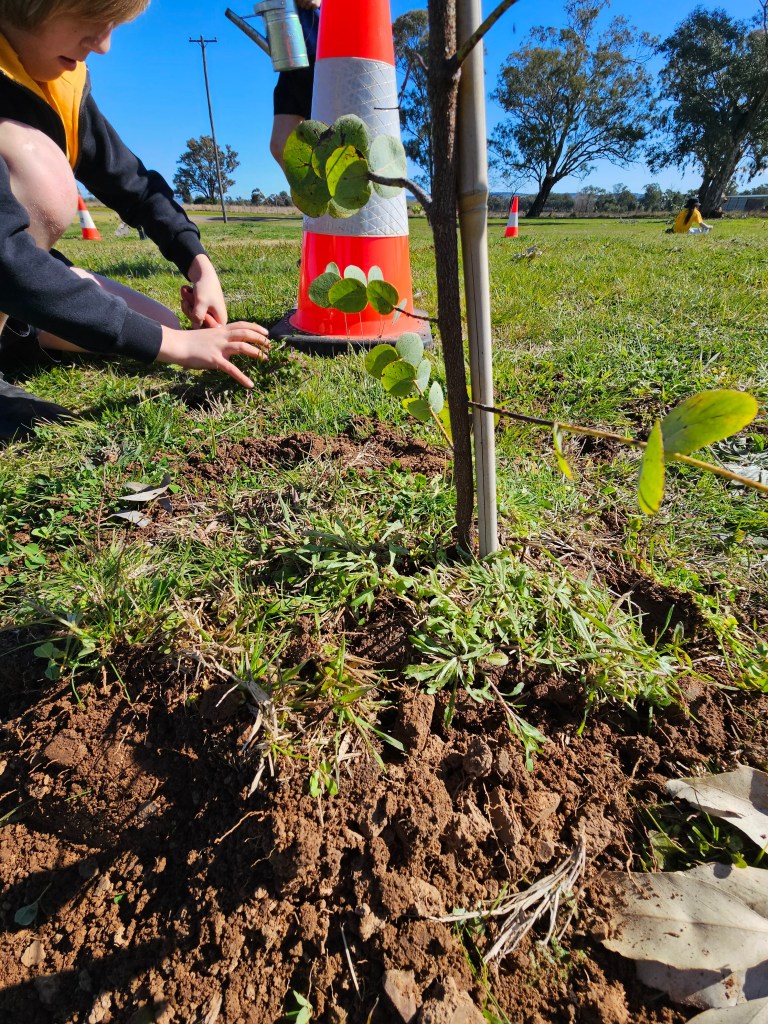
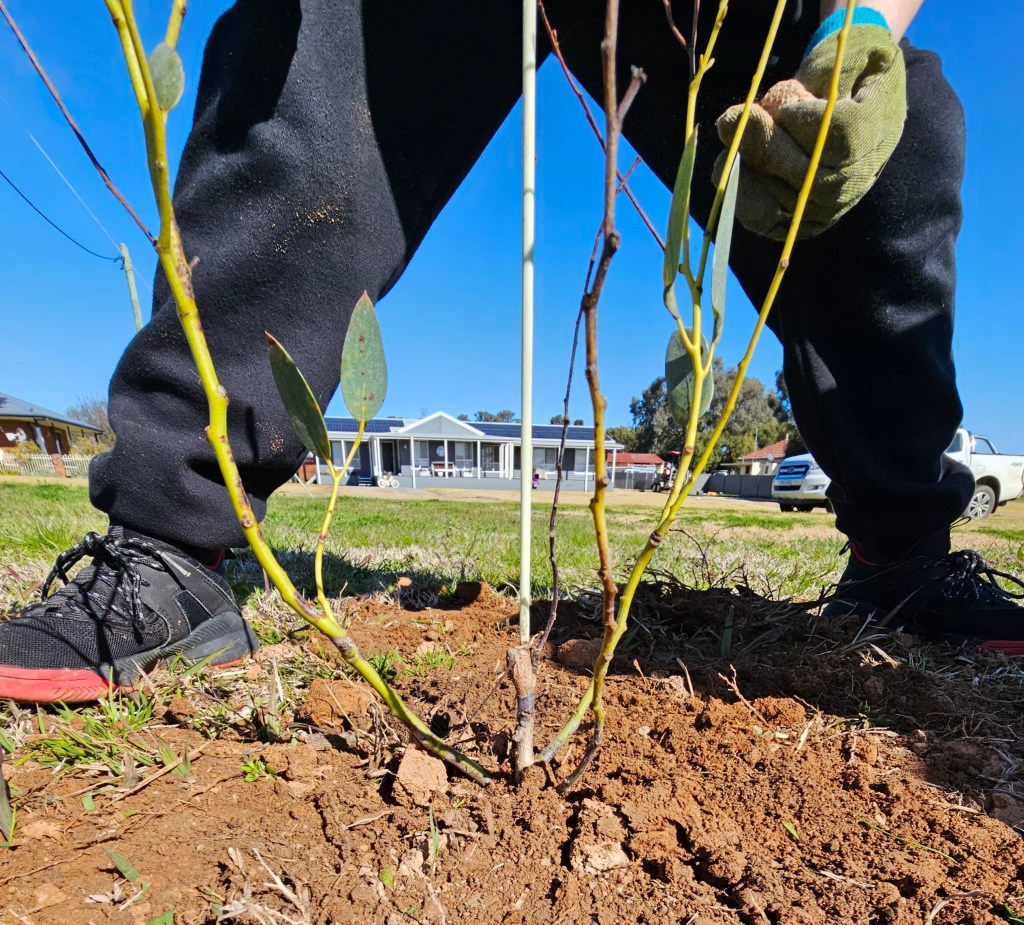
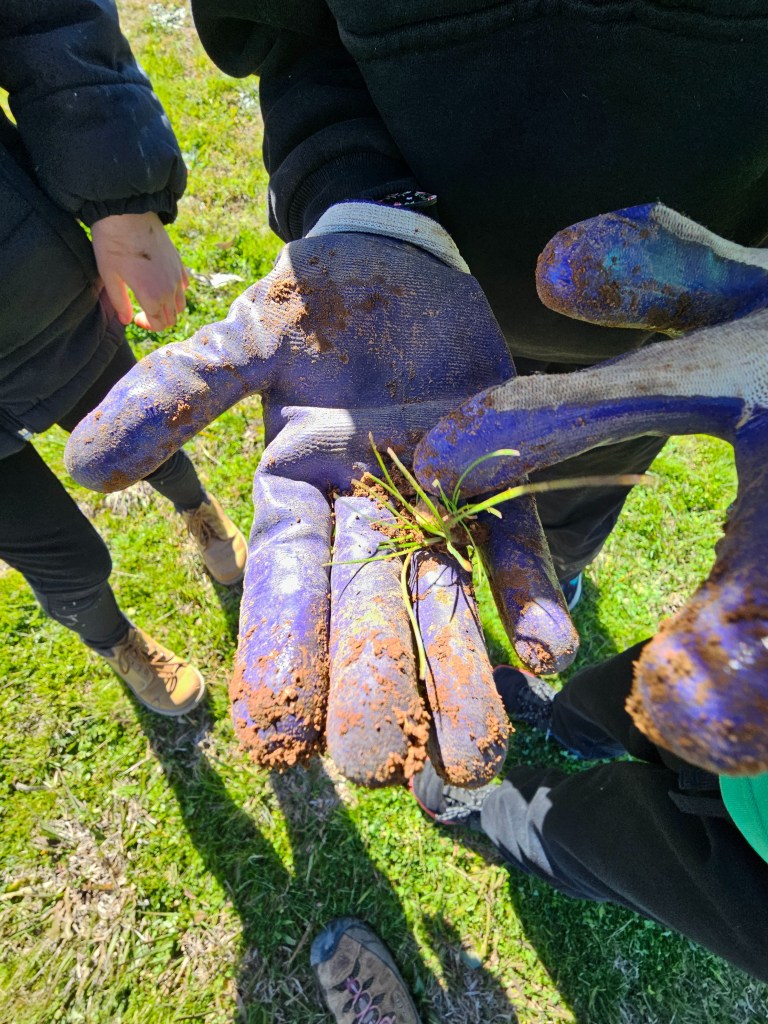
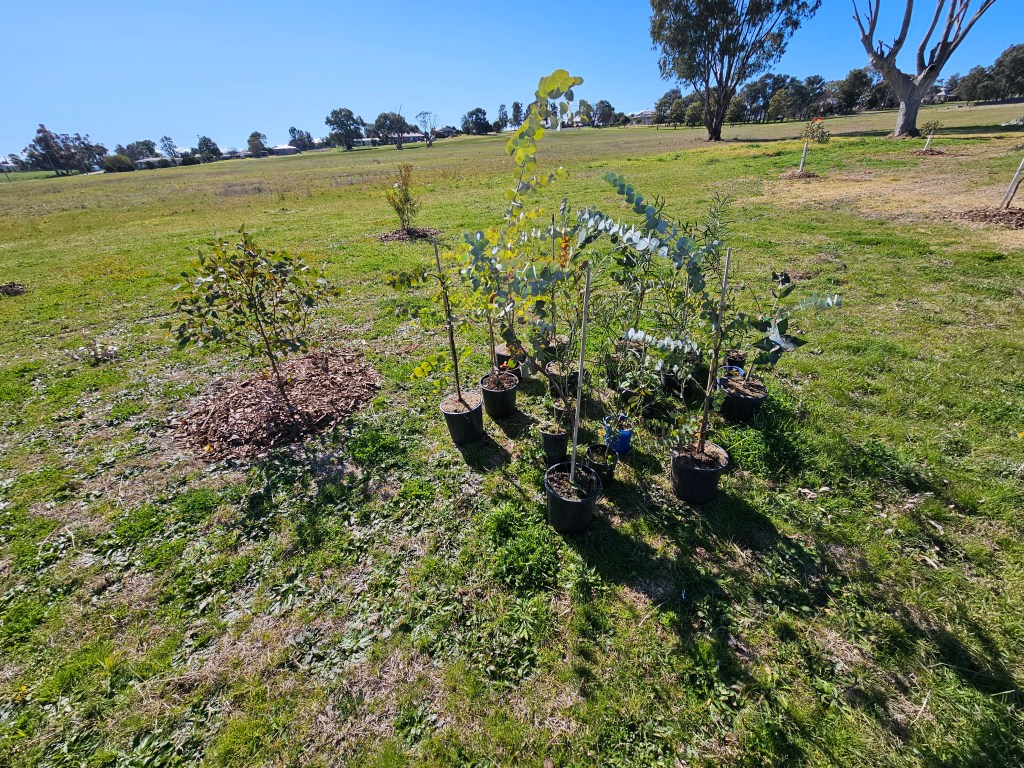
Thanks to Cowra and Cabonne councils for supporting this amazing event and for all the schools and students who gave up some of their time to come along. We really loved meeting you all and appreciate your efforts.
Soil’s Alive – Exploring the unique soil microbiome of the Mid Lachlan Region
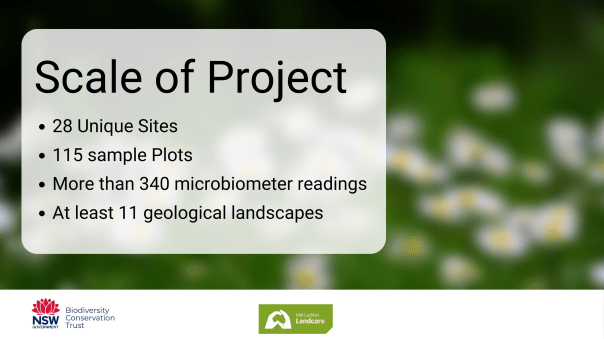
Over the course of eight weeks between May and June, Mid lachlan Landcare sampled the microbiome of twenty eight unique sites spanning from public (Cemeteries, Travelling Stock Reserves) to private (Cropping and Grazing farms). With each site being sampled an average of four times we ended up with one hundred and fifteen sample plots, each of which played a small yet important role in uncovering the rich and diverse microbiome of the Mid Lachlan region.
Why did we carry out this experiment?
There’s growing recognition that the soil microbiome plays a pivotal part in a healthy ecosystem. In the past it has been difficult for independent farmers, conservationists, gardeners and citizen scientists to assess their soil’s microbiome in a timely, cost-efficient and readily accessible manner.
In investigating options to fill this gap for our community, we came across the microBIOMETER and decided to invest resources into answering the following questions:
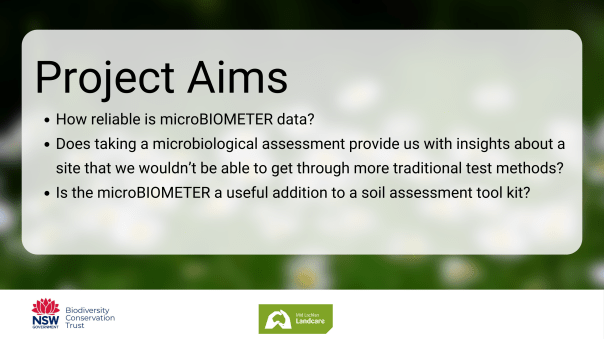
The overall goal of this project was to collect and analyse enough data to give us a meaningful data set for the region so that we might answer the above questions in an applied, narrative way that made sense to our community. We conclude that while the microBIOMETER has some limitations and is not the only way to assess soil microbiology, the insights it provides are useful as part of a soil assessment protocol for informing land management decisions over time.
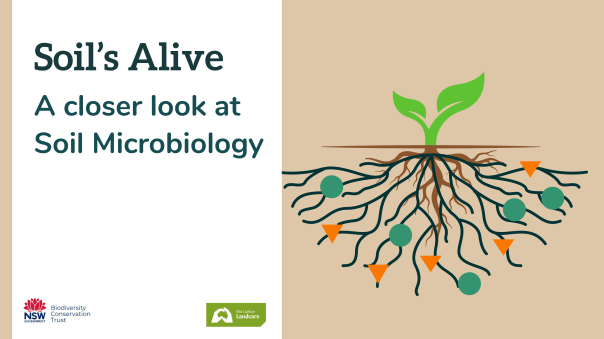
It’s estimated that each teaspoon of soil contains around one billion microbes representing somewhere between ten and fifty thousand species. For comparison a healthy human gut contains around one thousand species, each of which plays a role in how our bodies access and absorb nutrients and process toxins and waste. Soil microbiomes are no different, with fungi, bacteria and other microorganisms ensuring nutrients are both available and accessible to plants and that waste material is broken down and recycled safely and efficiently.
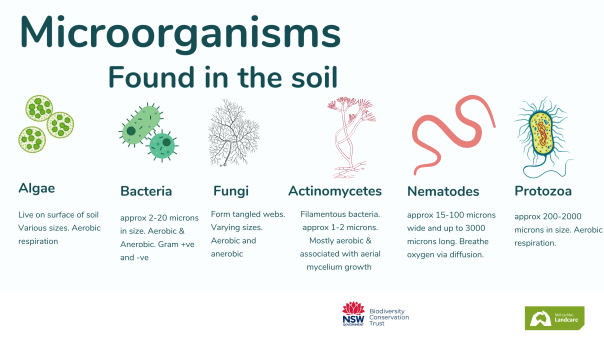
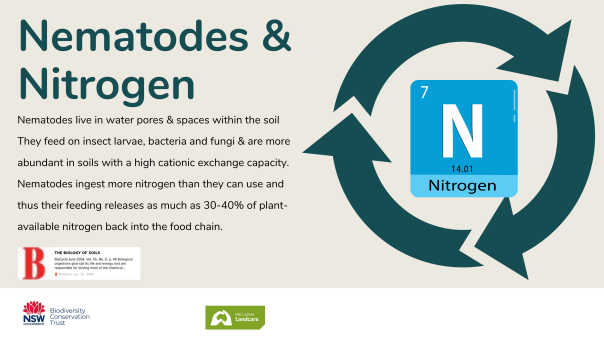
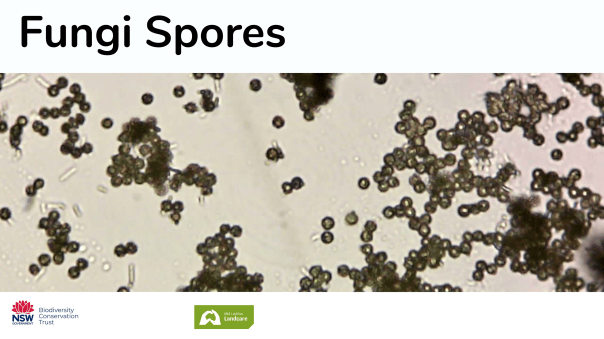
Soil microbiome research projects have exploded in number over the past five to ten years with conservation groups, farmers and horticulturists alike, seeing value in accomodating a microbiome-informed approach to their management plans.
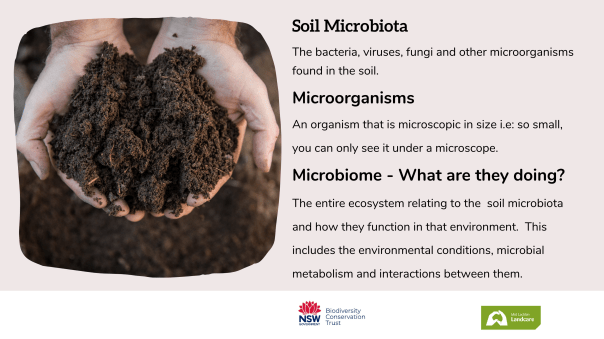
Soil Microbiome: The entire ecosystem relating to the
soil microbiota and how they function in that environment.
This includes the environmental conditions, microbial
metabolism and interactions between microbes.
With this in mind, Mid Lachlan Landcare set about designing a pilot project to map and model our regional microbiome with a view to better understanding where we sit currently – is our collective microbiome healthy – and potentially, where we could get to in the future. The resulting project was funded through the Private Land Conservation Matters project by the NSW Biodiversity Conservation Trust.
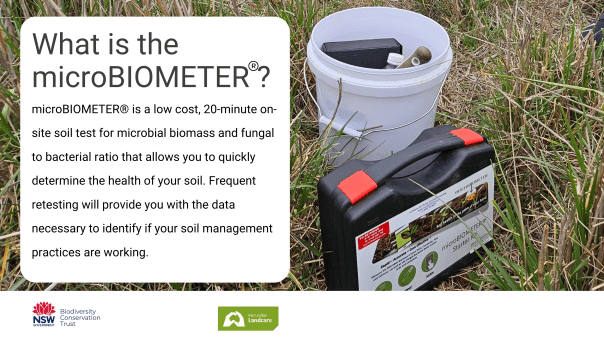
We were sampling from what’s known as the Rhiosphere – the top 10cm of soil or the space where symbiotic plant:microbe activity is most likely. The microbiometer® is a low cost device that can give you a value for the sites total microbes, fungi:bacteria ratio and fungi percentage within 20 minutes for less than $10 per test strip. The speed, cost and all round convenience of this test is what attracted us to it in the first place, sentiments that were shared by our community when surveyed during our field day/ results sharing event.
- Optimising our test method – what we learned about what to consider during this trial.
- Analysing the results – We learned it was hard to make sense of the results and spot patterns when relying only on the test numbers.
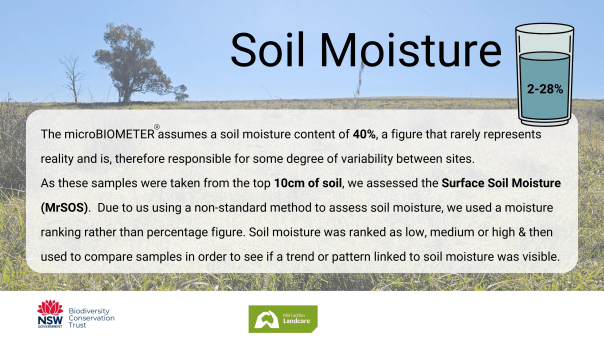
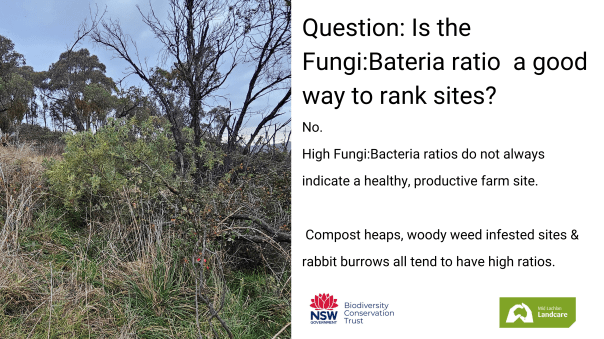
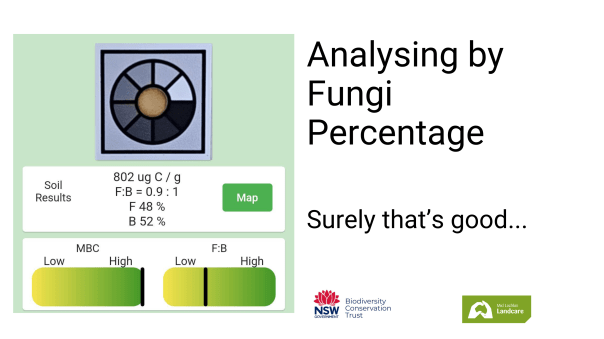
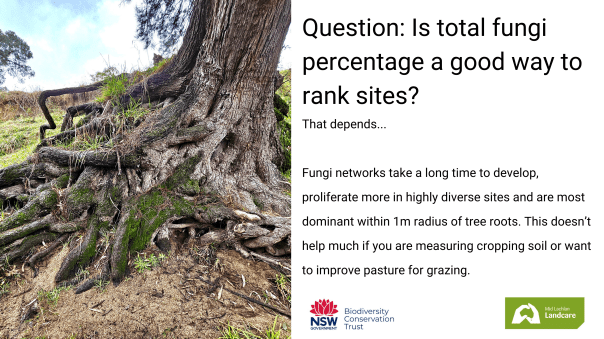
We found it best to view our Microbiometer® results in a more narrative rather than absolute or stand-alone context. In that way it could also be described as a formative rather than summative test. Creating a narrative helps capture the whole microbe ecosystem in a way that allows us to add meaning and context to the numbers:
Narrative assessments build stories that help us to learn more about the subject, to monitor, evaluate and communicate its worth.
A formative assessment tool provides insights that inform ongoing actions.
We developed a five-factor criteria which involved ranking our test sites for Site Diversity, Weathering potential, Water availability, Underlying site Geology and Land use/ management decisions. While this study was not large enough to provide granular insights into how management decisions impact the soil microbiota, we did start to see some patterns emerging & could sort the sites based on their current function.
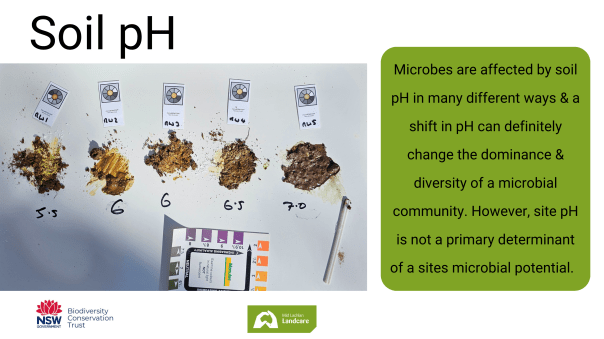
In addition, we tested soil pH for each sample, recorded collection date, temperature, sampling date and a brief site history where possible.
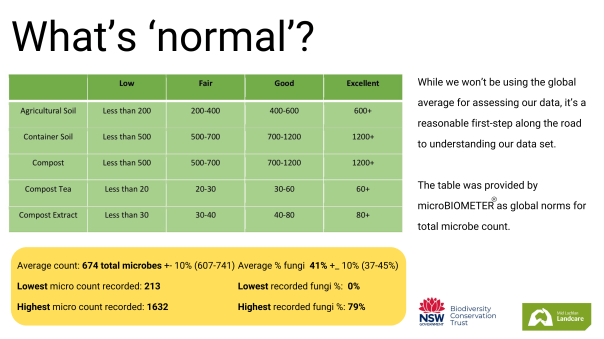
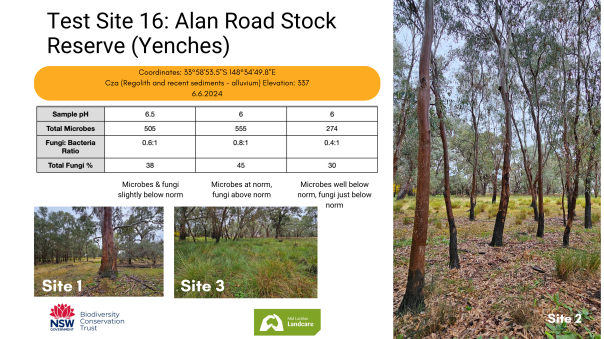
The microbiometer® returns a result for total number of microbes based on the mass of carbon present in the solution tested. We see that as a number, most commonly between 200-1200+. An excellent result for agricultural soil is one that’s above 600 so when our global average came in at 674, it felt like we were on the right track.
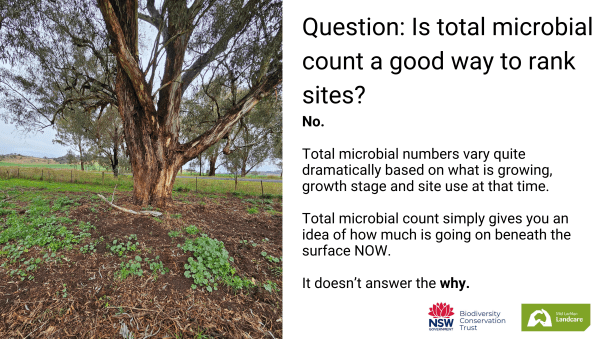
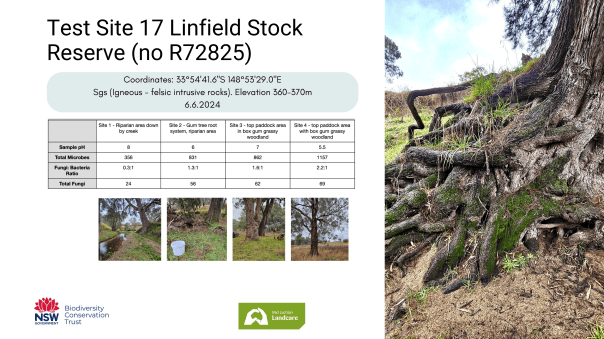
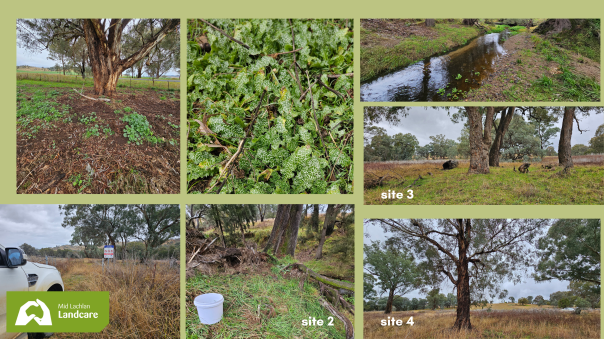
Existing scientific research taught us fungi networks take a long time to develop, proliferate more in highly diverse sites and are most dominant within a one meter radius of tree roots and our experimental data was in alignment with that. Some of our highest results came from the area around established gum trees that had experienced light grazing. One notable result was from Linfield Travelling Stock reserve near Cowra, a site resting on volcanic rock at an elevation of 360-370 meters and one infrequently grazed. We recorded a reading of 1157 total microbes, 2.2:1 ratio of fungi: bacteria and a total fungi percentage of 69% under one of the established eucalyptus trees.
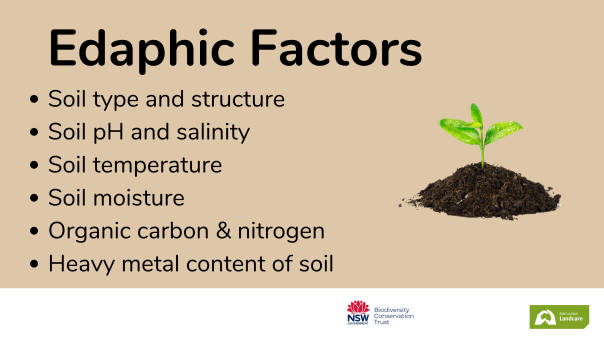
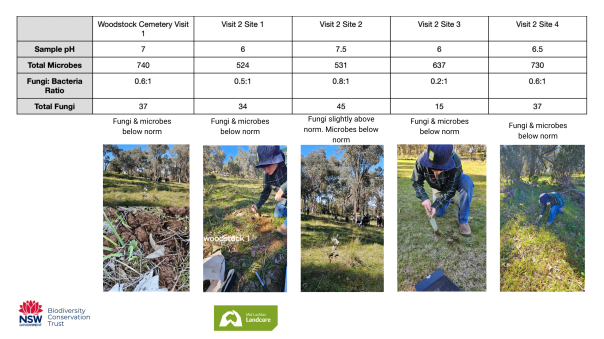
Our trial did not have enough pH diversity for us to make any conclusions about the role of pH and microbe numbers or ratio but microbe numbers were low in sites with known salinity issues.
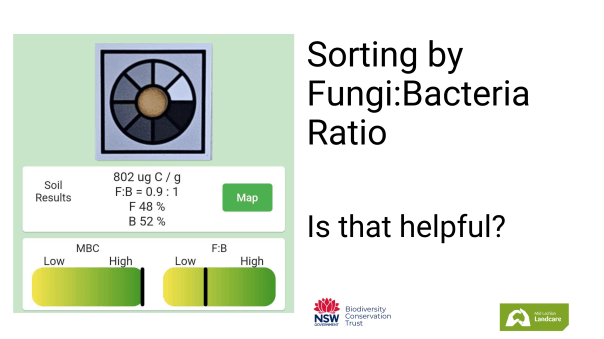
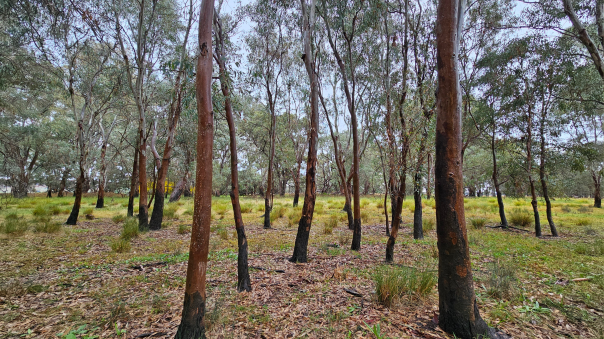
When viewing results from a fungi: Bacteria ratio perspective, we tended to find the sites that were dominated by fungi were more likely to be diverse in their flora, be grazed either lightly or not at all and be in close proximity to trees or deep rooted perennial grasses – especially native red grasses. Fungi dominant sites were typically among our most active sites with microbe counts over 1000. Fungi dominance reduced in line with total microbe numbers.
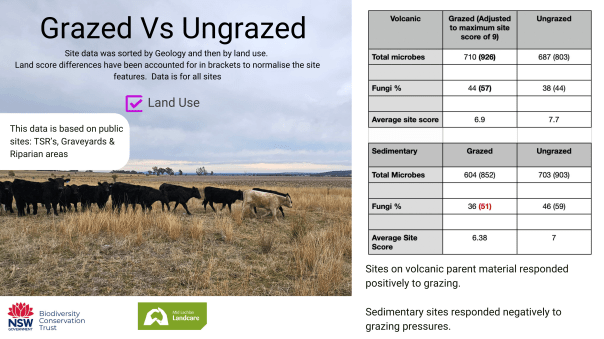
Finally we found underlying site geology to be a strong predictor of a sites ability to sustain a healthy microbiota with sites based on volcanic rocks appearing more resilient and productive than sites based on geological sediments. Our average total microbe count and fungi percentage for volcanic sites was 726 and 42% vs 467 and 34% for sedimentary sites. Another way this could be interpreted is it appeared the sites with underlying volcanic geology were more resilient to land-use pressures than sites built on sedimentary-type geology.
On July 19th 2024, we presented the results of our trial at a booked-out field day in Cowra and sought feedback from our community of farmers, conservationist and community gardeners by asking what we should do next with this technology/project.
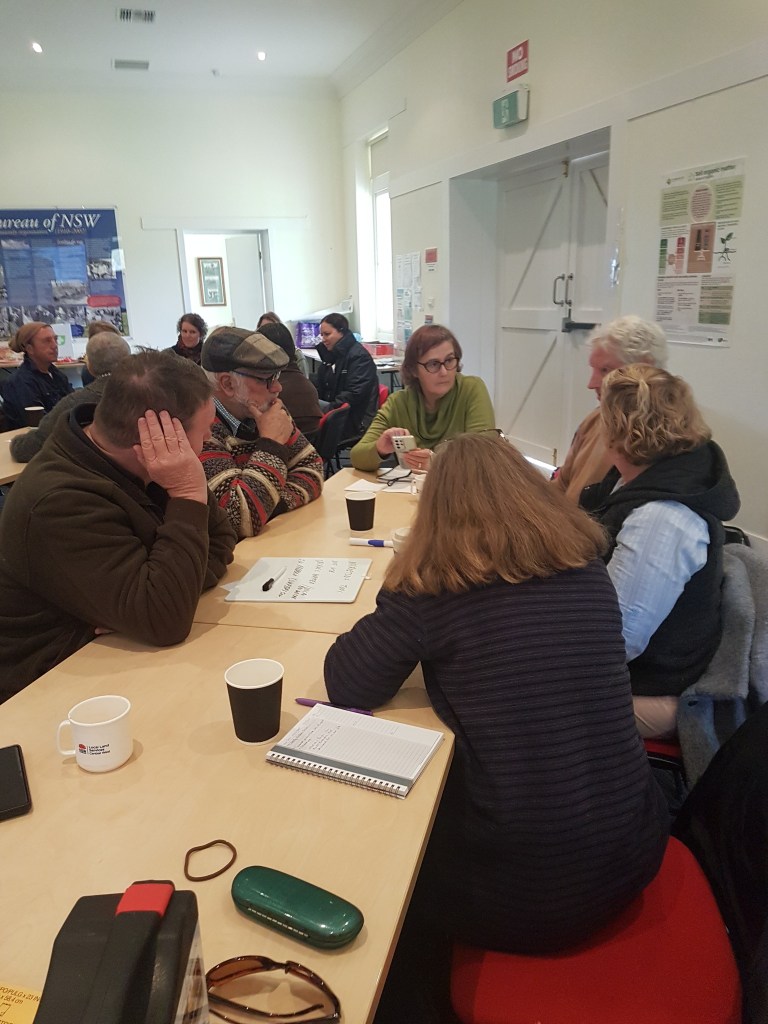

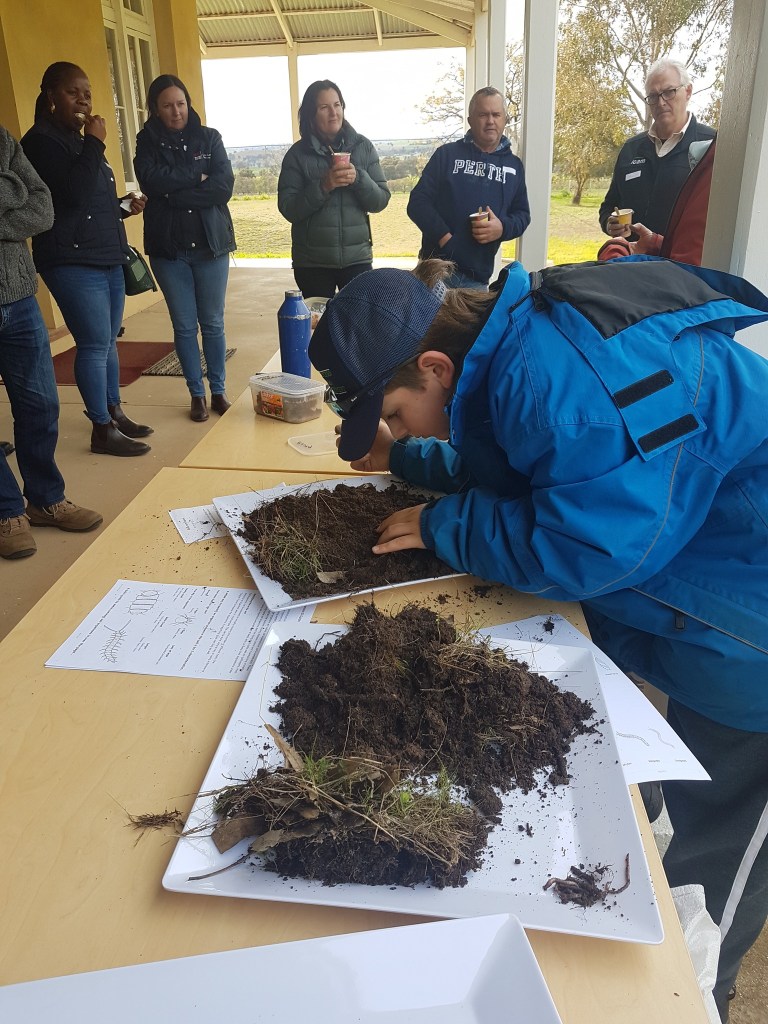
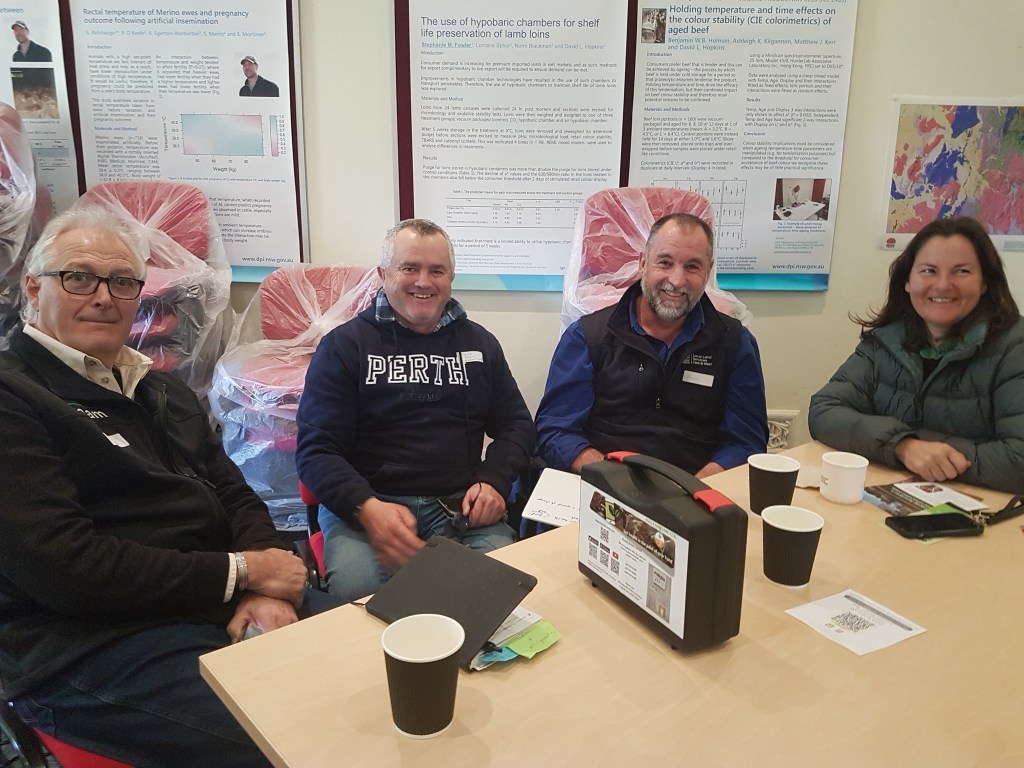


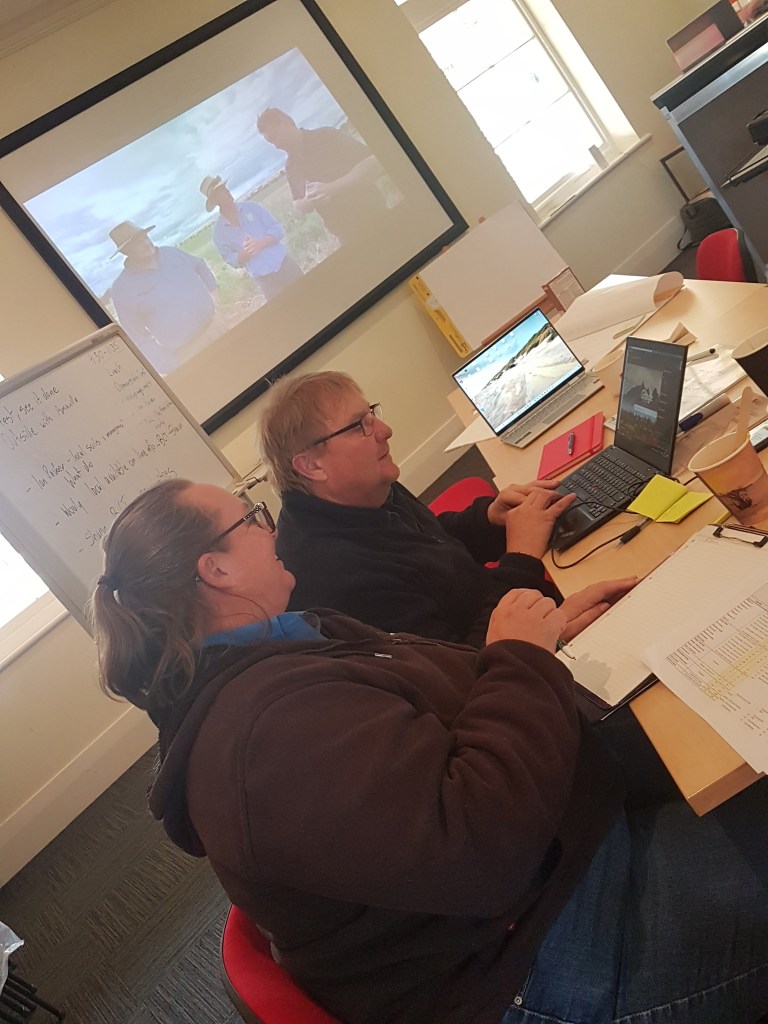
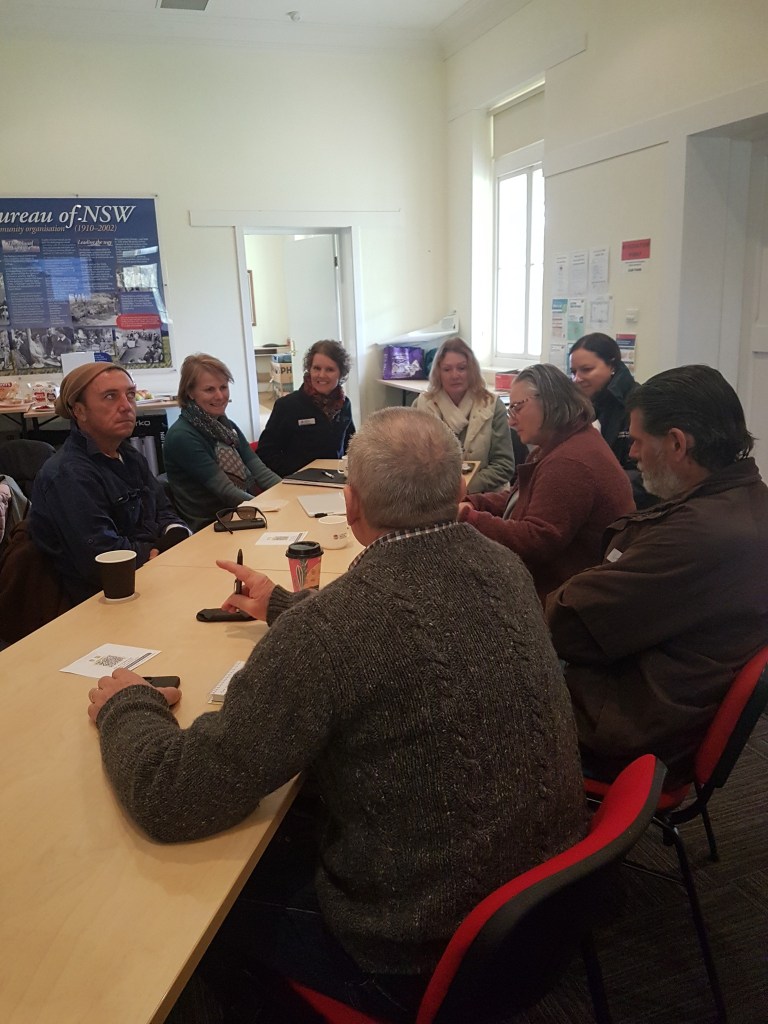
The feedback was overwhelmingly supportive with many wanting more information on how the Microbiometer® stack up against standard soil test methods as well as more information on what other farmers had found with the test.
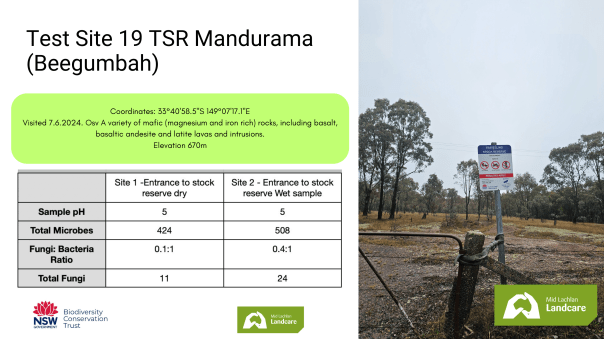
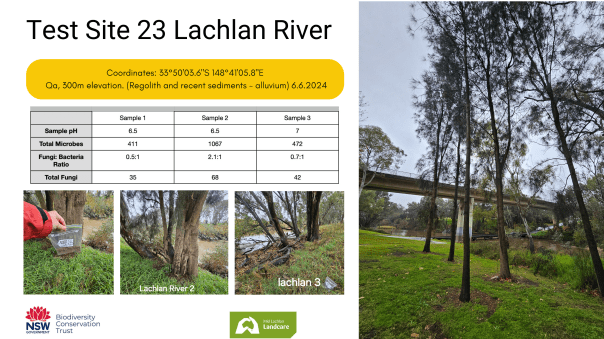
Results:
- How reliable is microBIOMETER data?
Microbe populations can shift and change quite rapidly meaning it’s important to standardise the time between collecting the sample and analysing it. Quoting the DPI’s Soil Biology Basics fact sheet:
‘Populations of microbes can boom or bust in the space of a few days in response to changes in soil moisture, soil temperature or carbon substrate. To gain advantage in this process, many microbes release antibiotic substances to suppress particular competitors. In this way some species can suppress other disease-causing microorganisms’
We quickly found that analysing samples in the field was difficult due to light conditions, other weather events (rain, wind etc) and the space and time requirements needed for each test.
Our method consisted of bagging up samples in zip lock bags then storing them in refrigerated conditions (approx 5-7C) for between 2-3 days before testing them. It was hoped the cooler temperatures plus sealed-in moisture would provide enough stability of the environment to make the test results meaningful.
As we used this protocol for all samples, the results yielded can be compared against each other although it’s likely the microbe communities in our soil samples are somewhat altered from when the samples were first collected. The assumption made at this point is our sample collection & storage protocol was standardised enough that all samples would be affected and altered similarly.
Our five-factor site analysis backs up the above assumption as when results were analysed this way, patterns emerged that made sense given what we know about microbes and what we could measure of each site. These patterns were not immediately evident when other site factors were not considered.
Overall, the microBIOMETER produces data that’s reliable although we’d caution in relying too heavily on the numbers alone and instead, focus on whether total count was low, medium or high (for this type of environment) and the fungi: bacteria ratio.
2) Does taking a microbiological assessment provide us with insights about a site that we wouldn’t be able to get through more traditional test methods?
We believe so although we’d caution against relying on a one-off biological measure for long-term land management due to how rapidly a microbial community can change.
Our goal as a Landcare community is to protect, preserve or restore ecosystems so it makes sense to consider the soil microbiome in that equation. The microBIOMETER provides a cost-effective and rapid way to gain an insight of the soil’s biology.
3) Is the microBIOMETER a useful addition to the soil testing tool kit?
This test provides us with another perspective on the sites current health status and future potential in a way that’s cost and time effective. For those reasons it becomes a question of ‘why not?’ rather than ‘why bother’.
Conclusion:
Overall we feel this project has successfully delivered insights into how the Mid Lachlan region’s soils microbiome functions with respect to landscape features and management decisions although it’s clear there’s still a lot more work to do. Also, after putting the microBIOMETER through it’s paces we believe it’s a useful tool for those looking to gain a deeper understanding of their soil. Our advice would be to use the microBIOMETER or similar microbiology assessment tool/ protocol alongside your existing soil testing tools, at regular intervals to monitor the effect management decisions have on the soil microbiota over time.
This project and our event was possible thanks to the shared work of the NSW Biodiversity Conservation Trust and Landcare NSW under the Private Land Conservation Matters project.
Case Study – A Box Gum Grassy Woodland Habitat on Farms Project
Mid Lachlan Landcare supports district faming practice through its participation in the Box Gum Grassy Woodland Habitat on Farms Project, inviting farmers with an
interest in natural capital (native vegetation and wildlife) to get involved. Natural capital on farms is becoming more valued as it increasingly disappears from the Australian farming landscape. Grassy Box Woodlands in NSW are now classified as critically endangered and its vital that what remains is protected and given the opportunity to expand.
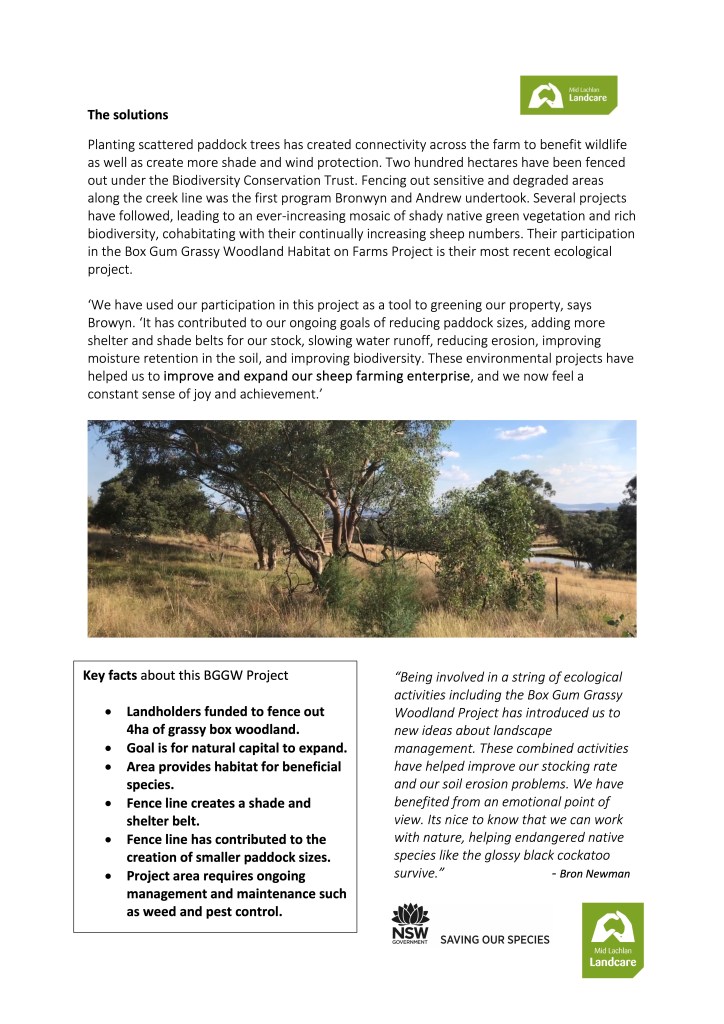
Canowindra Farmers, Bronwyn Newman and Andrew Naylor run 2000 head of Merino sheep on their 688 ha property characterised by shale soils. Land along their ridgeline has been fenced out into a 4Ha Boxgum Grassy Woodland Habitat on Farms Project. This area, now free from sheep camps and stock, contributes to their ever-increasing mosaic of shady native green vegetation across their once heavily grazed, eroded and characteristically dry farm. Full Story & Pictures follow below:

Creative Ways with Weeds – Blackberry Dye Making






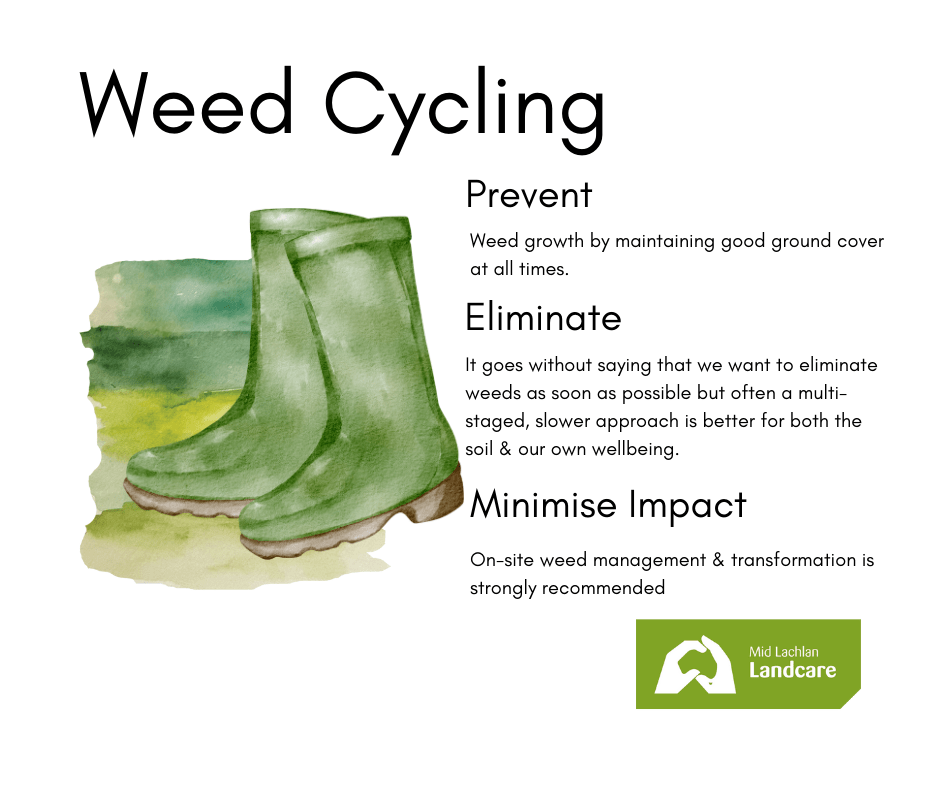

2023/24 produced a long, wet summer just perfect for weeds and as such, many of us are sitting here, at the end of April, feeling exhausted by the unrelenting nature of…nature.
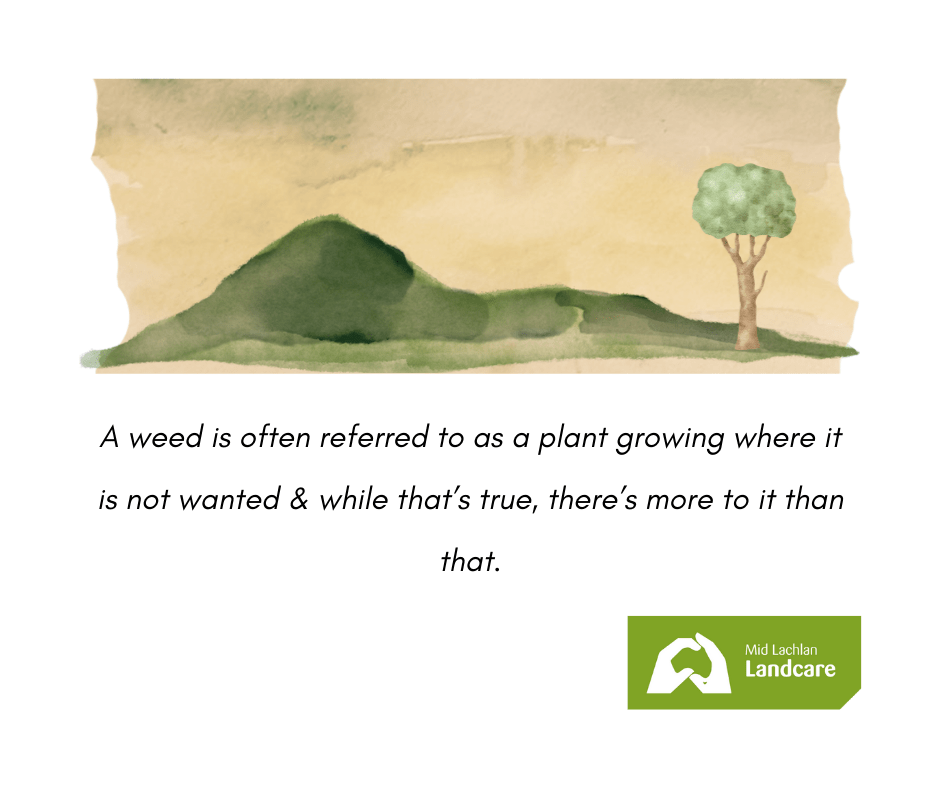
Weeds are just plants growing where they are not wanted.
Really? If that’s all there is to it, how come they spread so far and fast? How come I didn’t turn around to find those understory wattles, tea trees and hop bushes covering the back paddock?
There is, of course, more to it than that. Weeds, especially those classified as ‘priority’ are typically expert opportunists thanks to the lack of competition, the speed and voracity in which they produce seeds or, in the case of Blackberry, tip rooting.
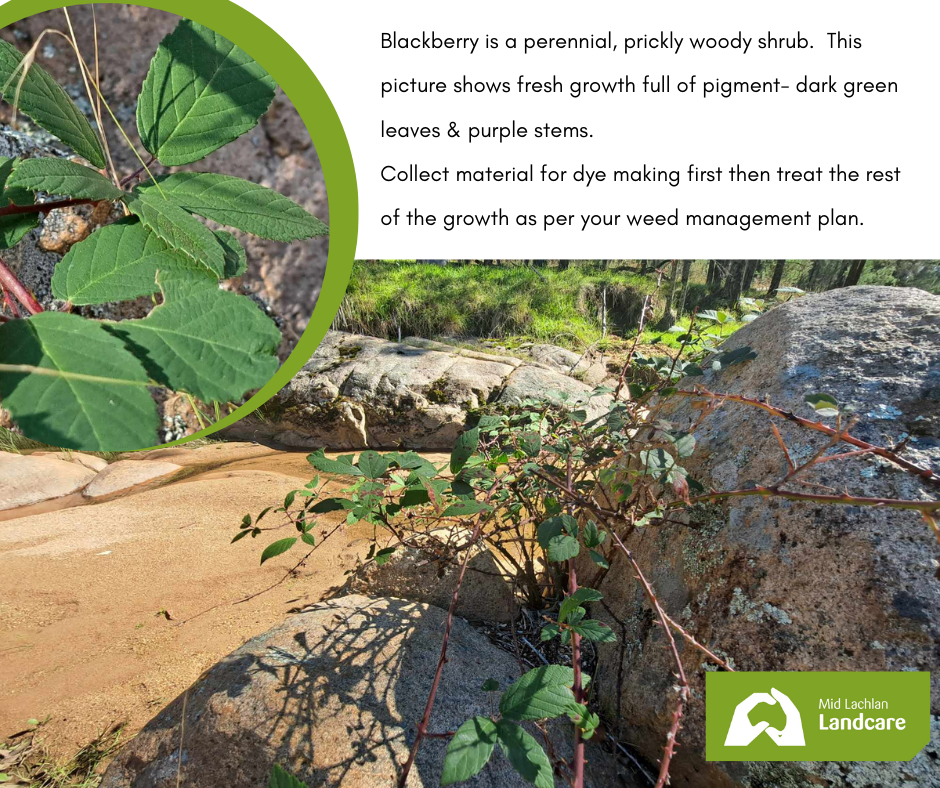
Blackberry grows by producing trailing stems that can take root wherever the stems touch the ground, forming a new plant. This is what creates such a problem both in terms of weed management and groundcover – it doesn’t take long for a thick, tangled, brambly mess to develop and take over the whole area.
Mentally, tackling weeds can feel unrelentingly soul sapping. The saying ‘Nature abhores a vaccuum’ can be traced back to Aristotle and while I can’t confirm he came up with the saying while weeding, I’ve no evidence to deny it either! Aristotle noted that ‘unfilled spaces go against the laws of nature and physics‘ which, in farming and conservation terms means, uncovered ground won’t remain that way for long and if we don’t plant something, the weed gods will. At least sometimes…
While all plants require nitrogen, potassium and phosphorus to thrive, there comes a point when enough’s enough and any more becomes toxic. Both the over-use of fertilisers and presence of animal manure increase nitrate and phosphate levels with soil management decisions largely responsible for fluctuations in soil potassium. Add to that soil compaction, mineral imbalances and erosion and you have created the perfect opportunity for a weed-shaped headache in the form of bare earth (the ‘vaccuum’) and toxically high, or out of balance, nutritional levels (NPK).
In a natural system, Nitrogen, Phosphorus and Potassium are made available to plants via soil organisms such as worms, nematodes and a whole host of microorganisms. These organisms transform soil minerals into forms plants can access, allowing them to develop stronger roots, leaves, fruits and seeds. This symbiotic relationship supports a balanced, diverse and more resilient ecosystem that leaves little to no room for weed infestation.
Well that’s a great story but what can I do about my weed problem now?
As anyone working on the land will appreciate, change takes time, money and hard graft. That’s undoubtedly why waking up to a paddock full of weeds feels like such a kick in the guts. While we can’t change the reality of that, what we can do is offer up a few ideas to help us stay mentally engaged, curious and energised.
This is the first in our ‘Creative Ways With Weeds’ series, designed to help us stay on the weed-busting wagon. Sure, not everyone is going to want to make blackberry dye, but someone might and that someone might just be able to help you with a bit of weed management while they are at it!
They say you can’t make a silk purse out of a sows ear but I beg to differ, I can’t wait to hear about what you create on your weed-engagement journey!
Funding Round – Saving our Superb Parrot 2024 Now Closed

Photo Credit – Jayden Gunn
Ongoing funding means we are able to continue supporting the critically important work everyone has been doing to put scattered paddock trees back into our farms. Planting trees, for the future, to help the Superb Parrot plus many other species in the long term. Some of the key threats to the Superb Parrot are the loss of living and dead hollow bearing trees and poor regeneration of nesting trees. There is a fantastic fact sheet, put together by Local Land Services, about the importance of scattered paddock trees in our landscape and for our farms here
We received a small amount of funding to enable planting of the Superb’s preferred understory plant species and will be providing updates on how that’s tracking during 2024.
Most of you would now be very familiar with the paddock tree work and the mesh we have been using to construct the guards. The cost of this mesh and star pickets has increased significantly over the last few years and as such, we are delighted to be in a position where we have been able to contrinute 70% towards the cost of the mesh, star pickets and trees for this project. We have also provided up to 70% of the cost of understory tubestock and guards.
We really appreciate the interest we received in this project and encourage any interested parties to stay in touch for future funding rounds and activities. You can find out more about the Superb Parrot Project and scattered paddock trees on our website here and can access a Mid Lachlan Landcare region map here to see if your property falls under our region. Mid Lachlan is the blue section.
In the meantime, for those of you wanting to learn more, we have a great video about how to construct the guards here
Please contact us midlachlanlandcare@gmail.com if you would like to be added to our newsletter and informed of future projects like this.

eDNA & the Citizen Scientist
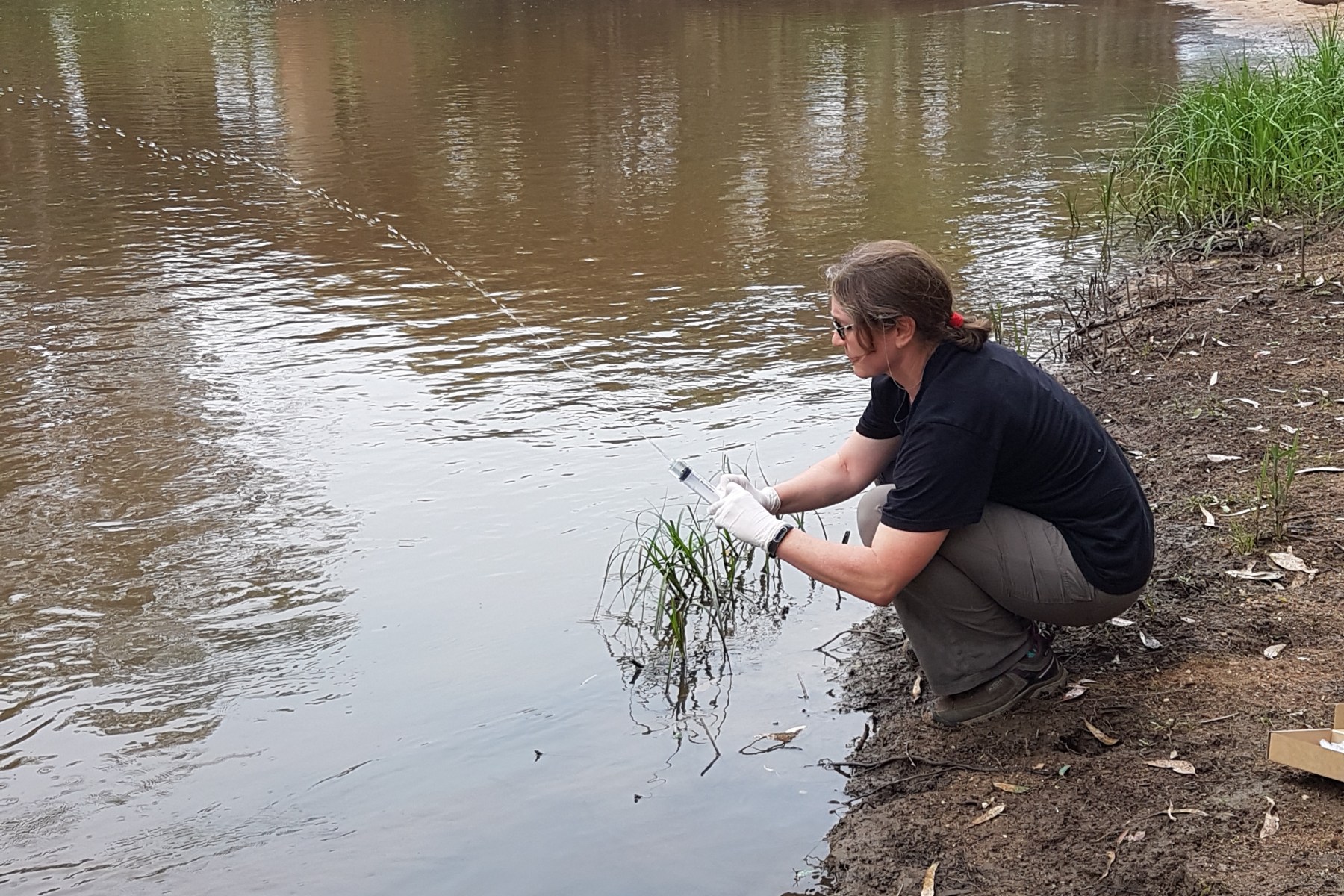
We live in a world where seeing is believing and time is money but try telling that to a Platypus…
During November, Mid Lachlan Landcare were part of the Central Tableland’s contingent participating in The Great Australian Wildlife Search sponsored by environmental research charity Odonata. Our target species was the Platypus and for this survey, rather than relying on our own five senses, we were equip with cutting-edge technology in the shape of eDNA collection kits. To say we were excited was an understatement!
‘E”, or ‘environmental’ DNA sampling uses the presence of genetic markers shed by the target species into their surrounds to confirm their presence in an area. As any true-crime fan will know, we shed and transfer DNA all the time and while not entirely fool-proof, DNA profiling is arguably the strongest evidence we have when it comes to confirming identity.


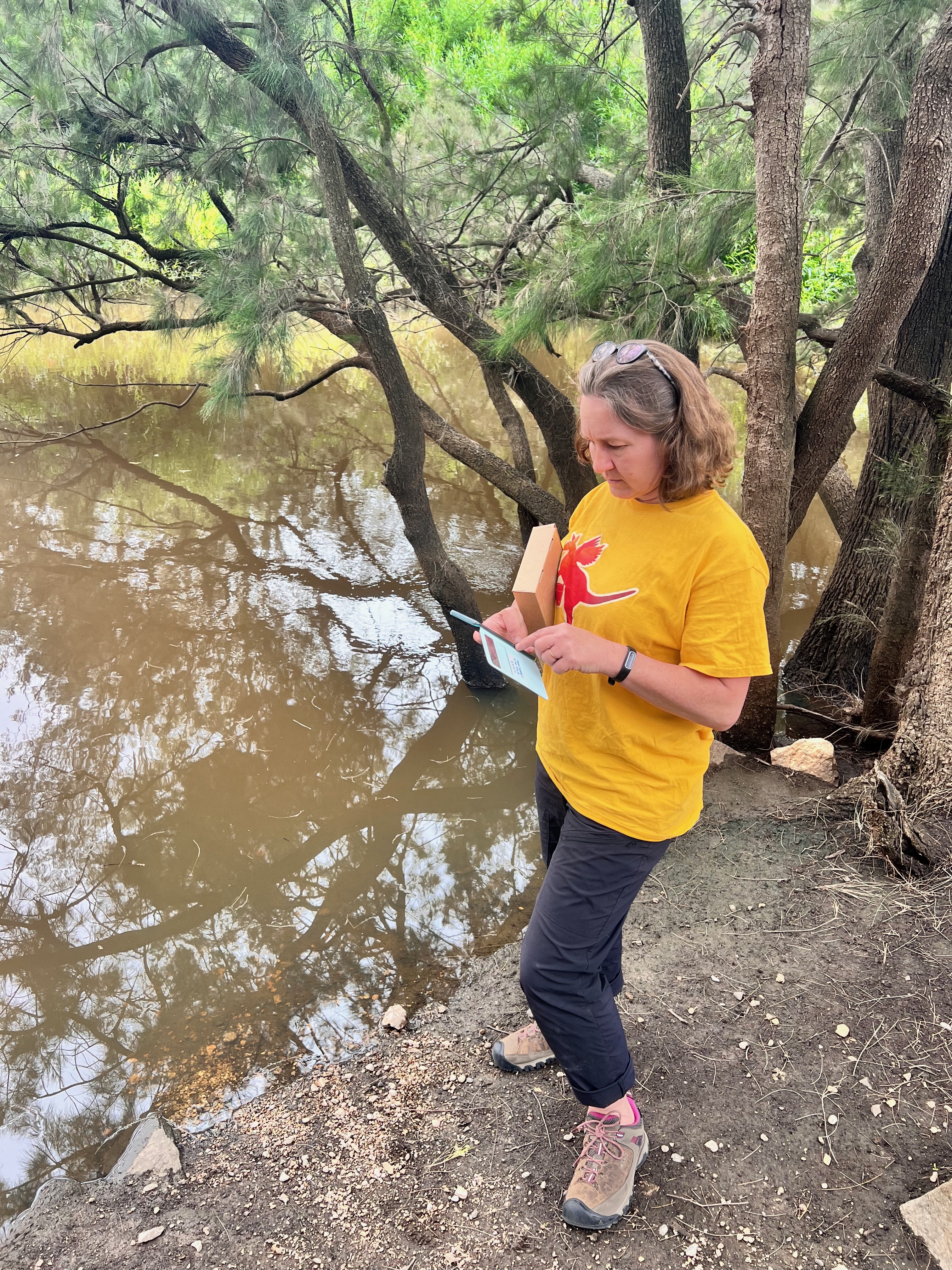
While the results aren’t in yet, we’re keeping our fingers crossed that we’ll detected shed DNA from Platypus faeces, mucous, gametes, skin or hair in some of the samples we collected. Shed DNA remains viable for up to 14 days depending on the weather and water conditions making one water sample as good as two weeks of continual watching and waiting. Not only does this technology broaden the window we have for ‘seeing’ our target species, it also provides us with the gold-standard science-backed evidence favoured by governments and large conservation organisations.
According to EnviroDNA, the company who produce the test kits, the Great Australian Wildlife Search we participated in is the largest systematic investigation of platypuses ever undertaken and one that has been made possible thanks to Australia’s growing interest in Citizen Science.
In addition to the scientific value this technology brings, eDNA makes environmental surveying more time-efficient and accessible. As such Mid Lachlan Landcare are keen to add eDNA testing into future projects wherever funding and opportunity permits.
The Great Southern Bioblitz 24 Nov 2023
A citizen science venture


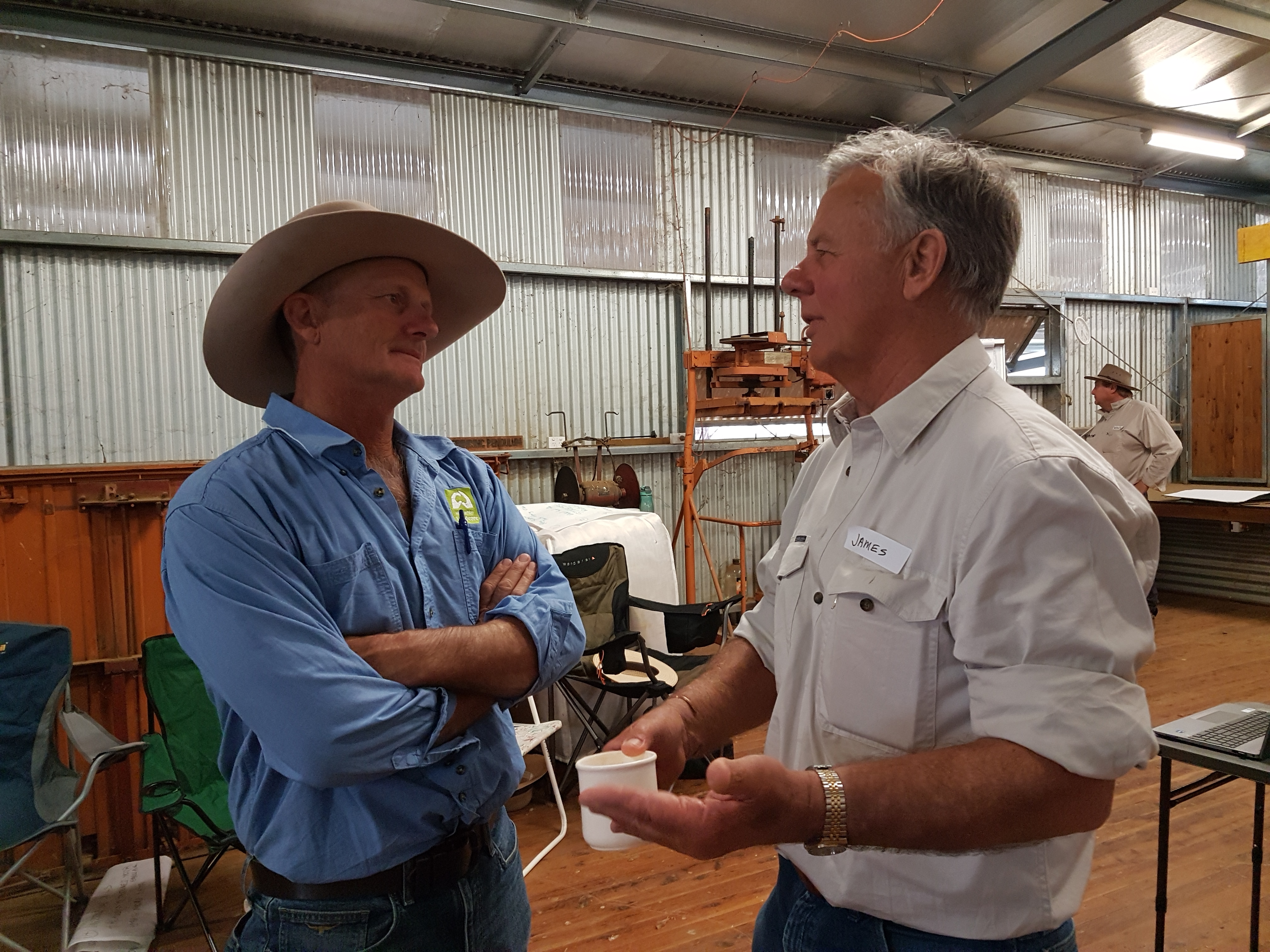
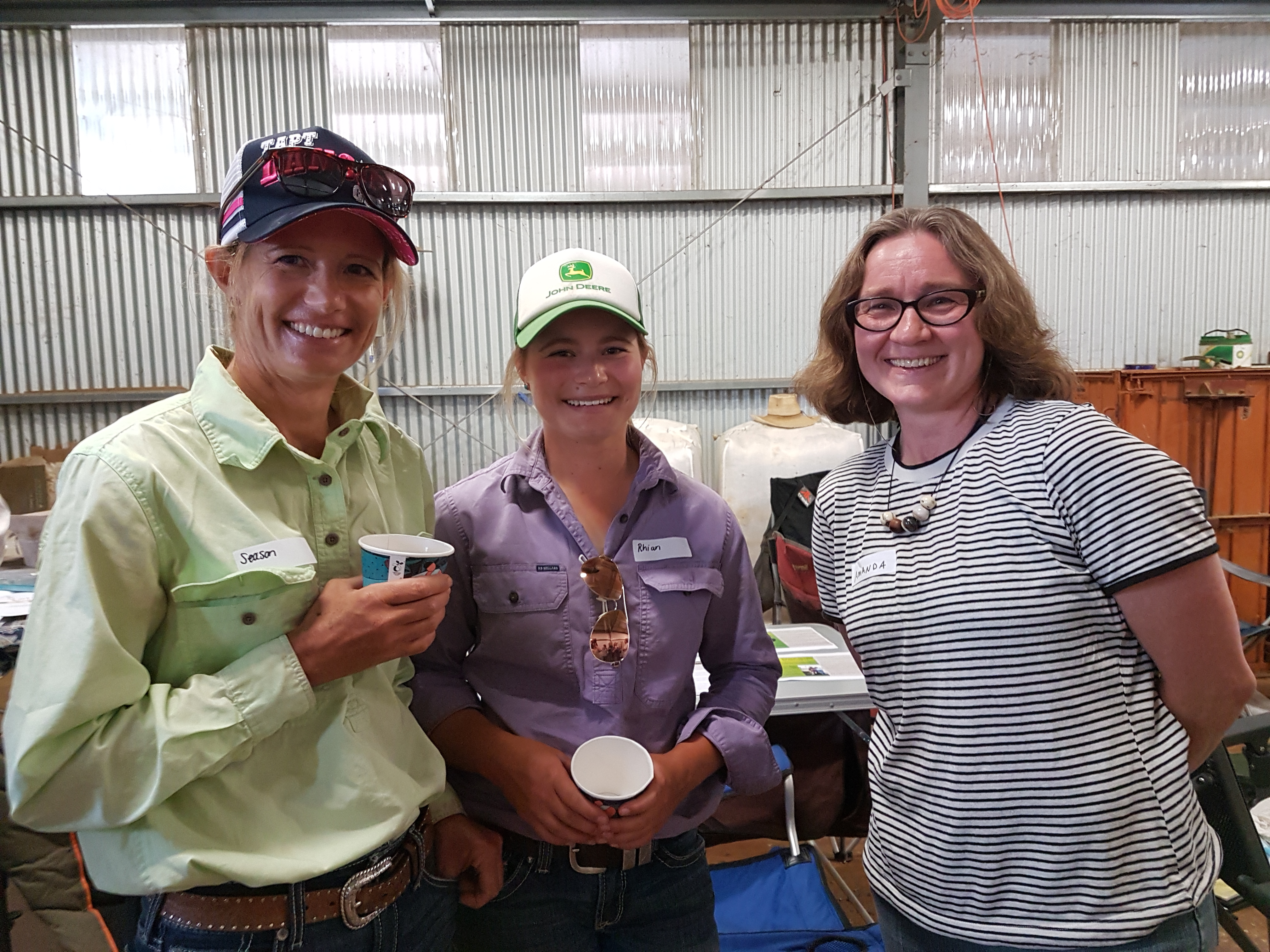
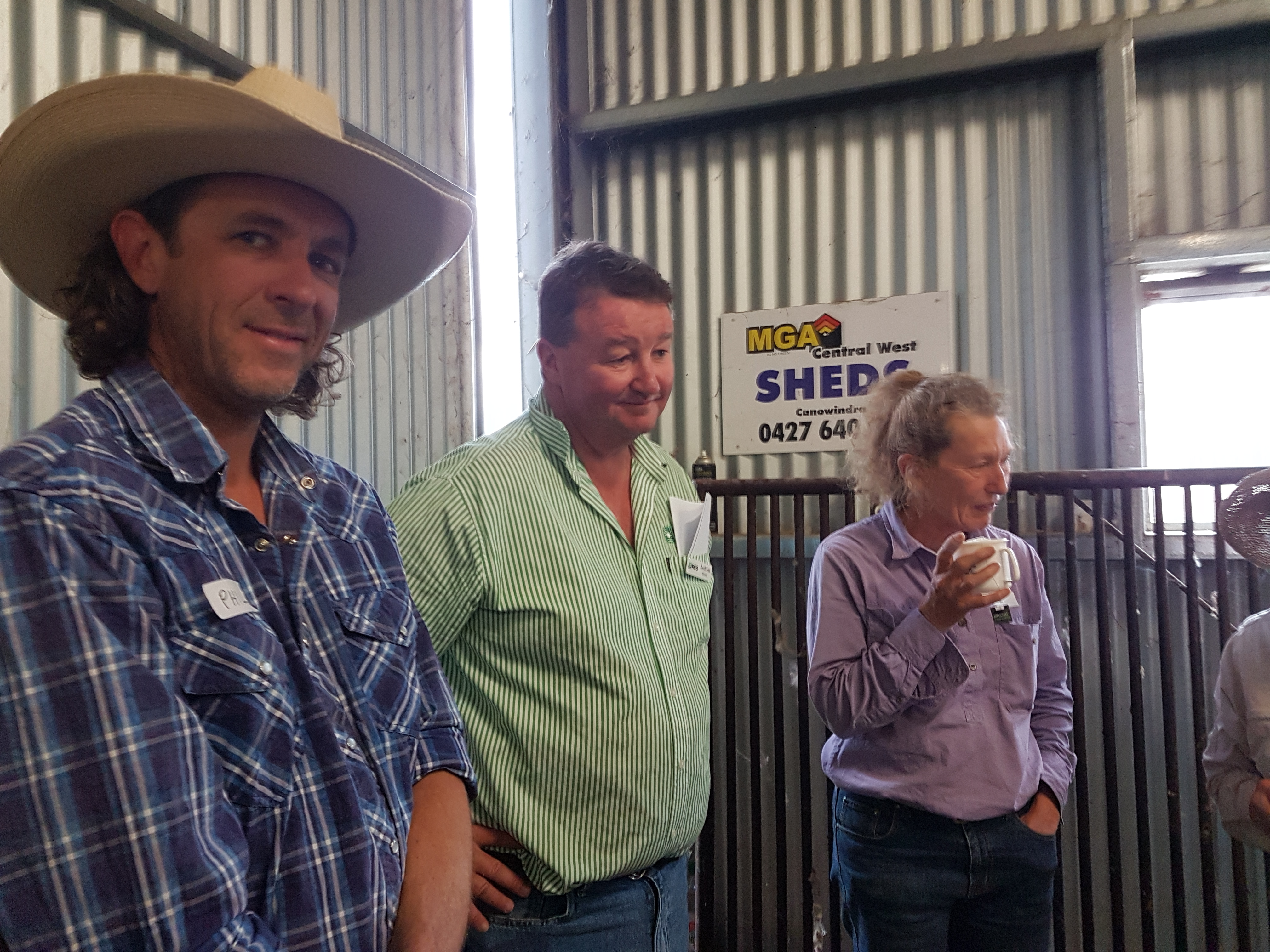
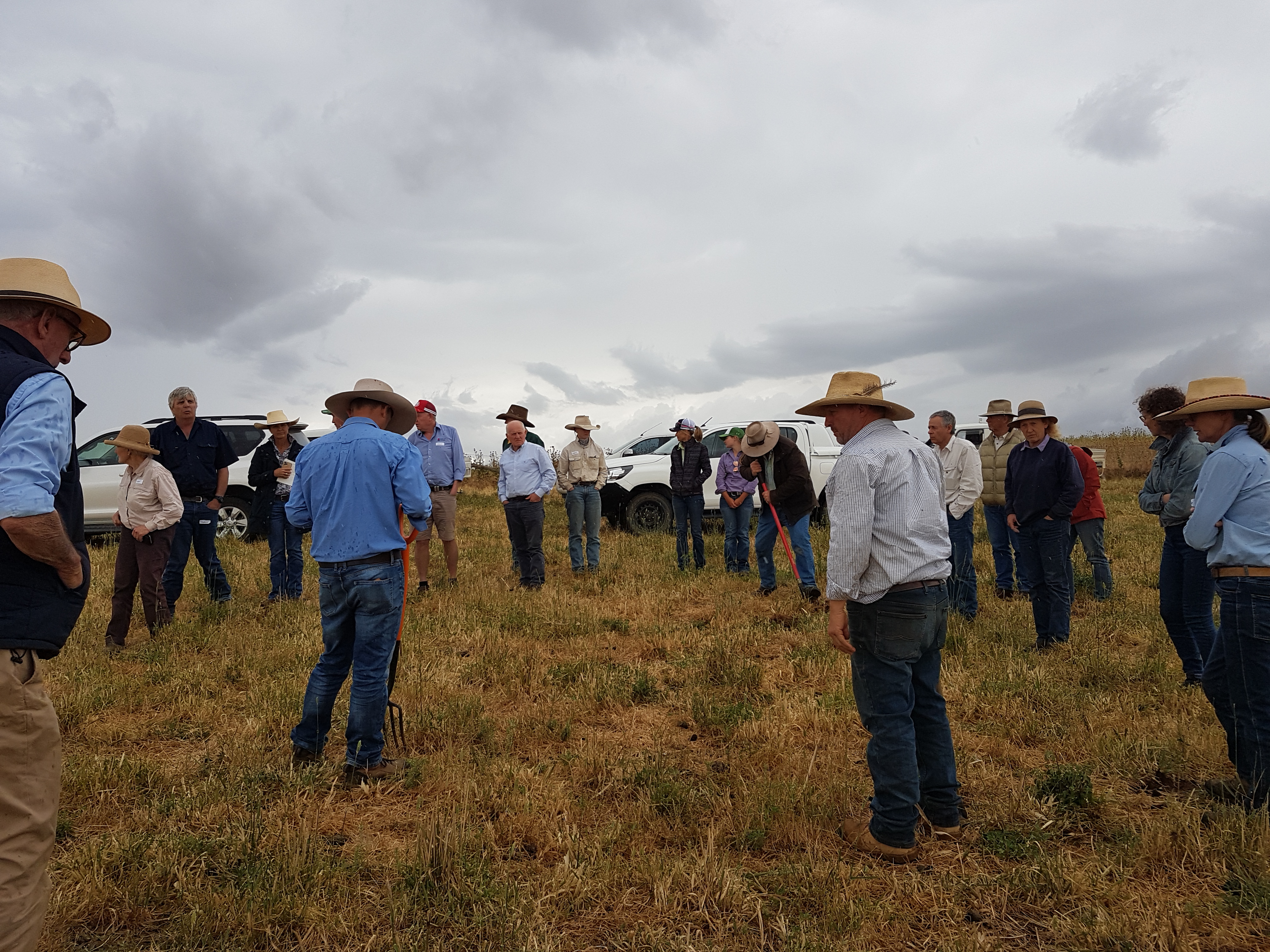
Grazing Groups Catch-Up November 2023 Report
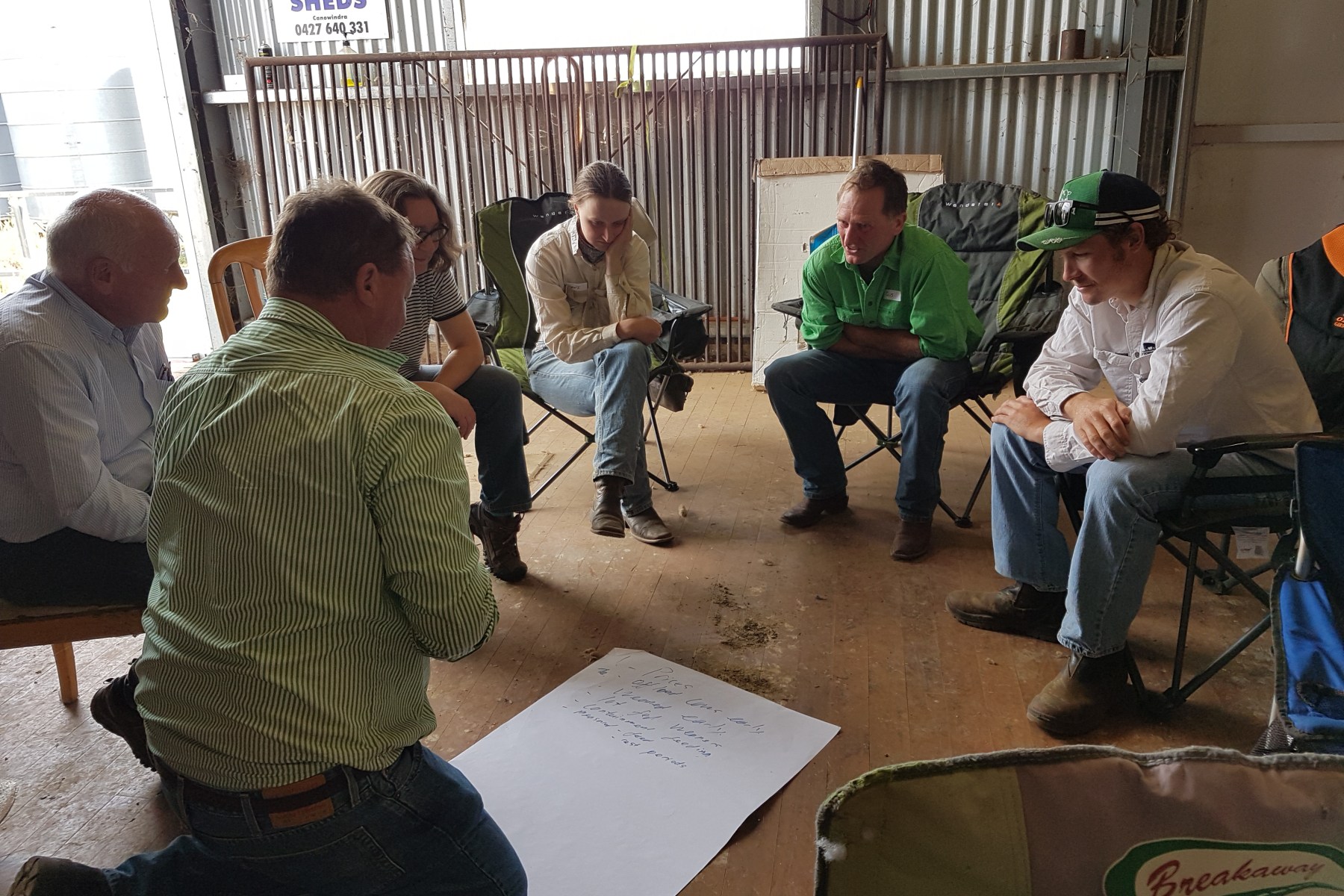
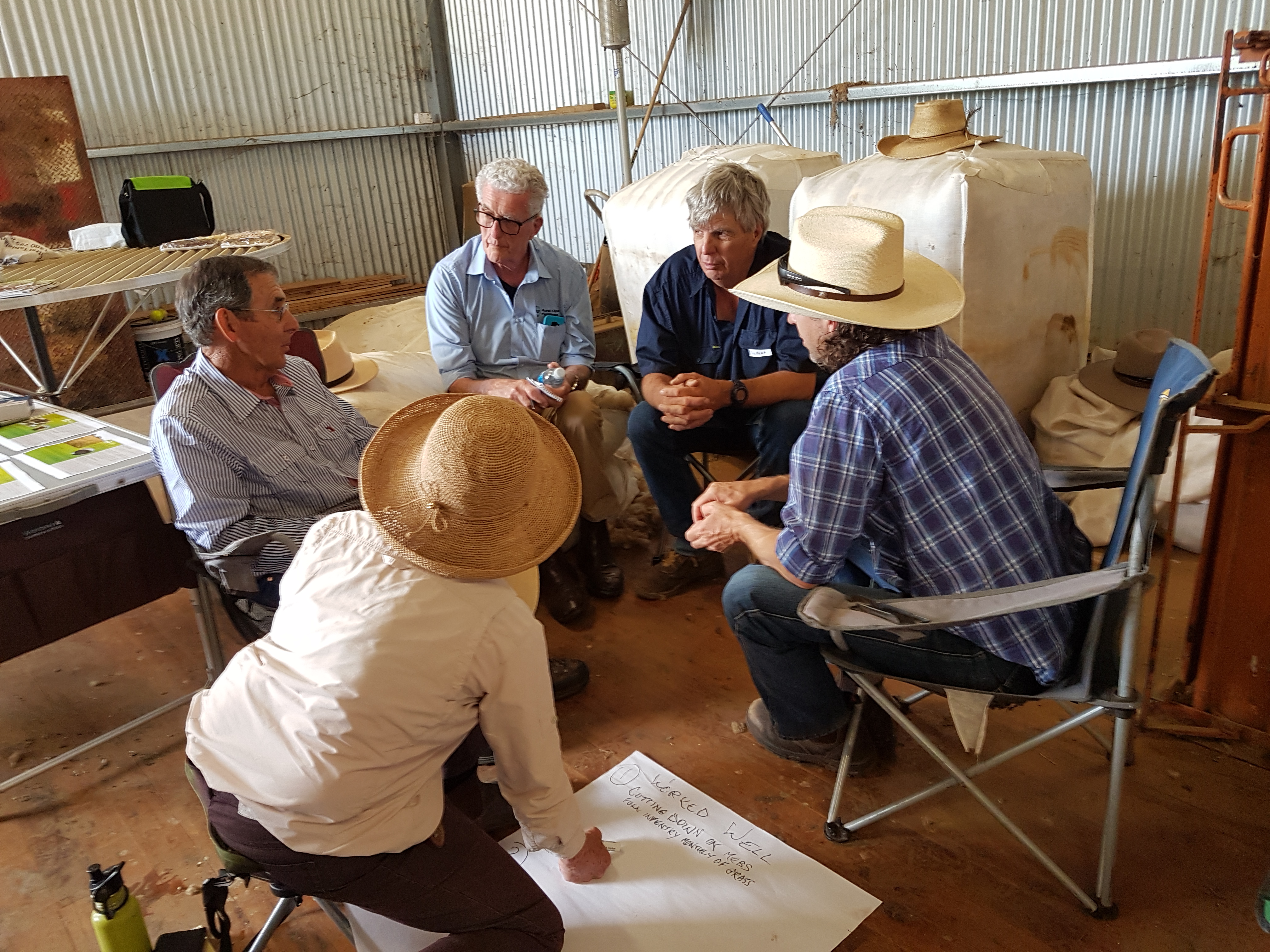
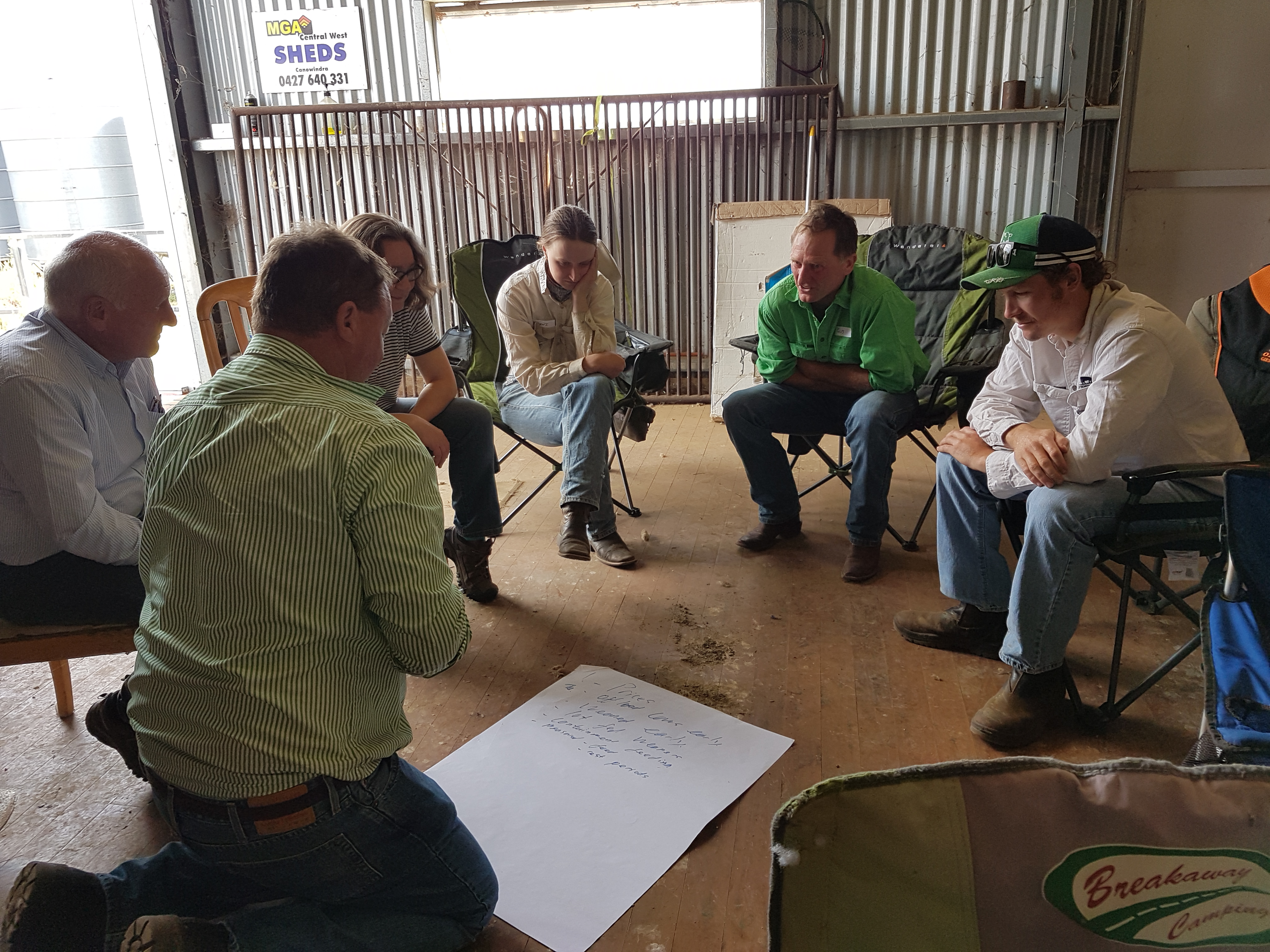
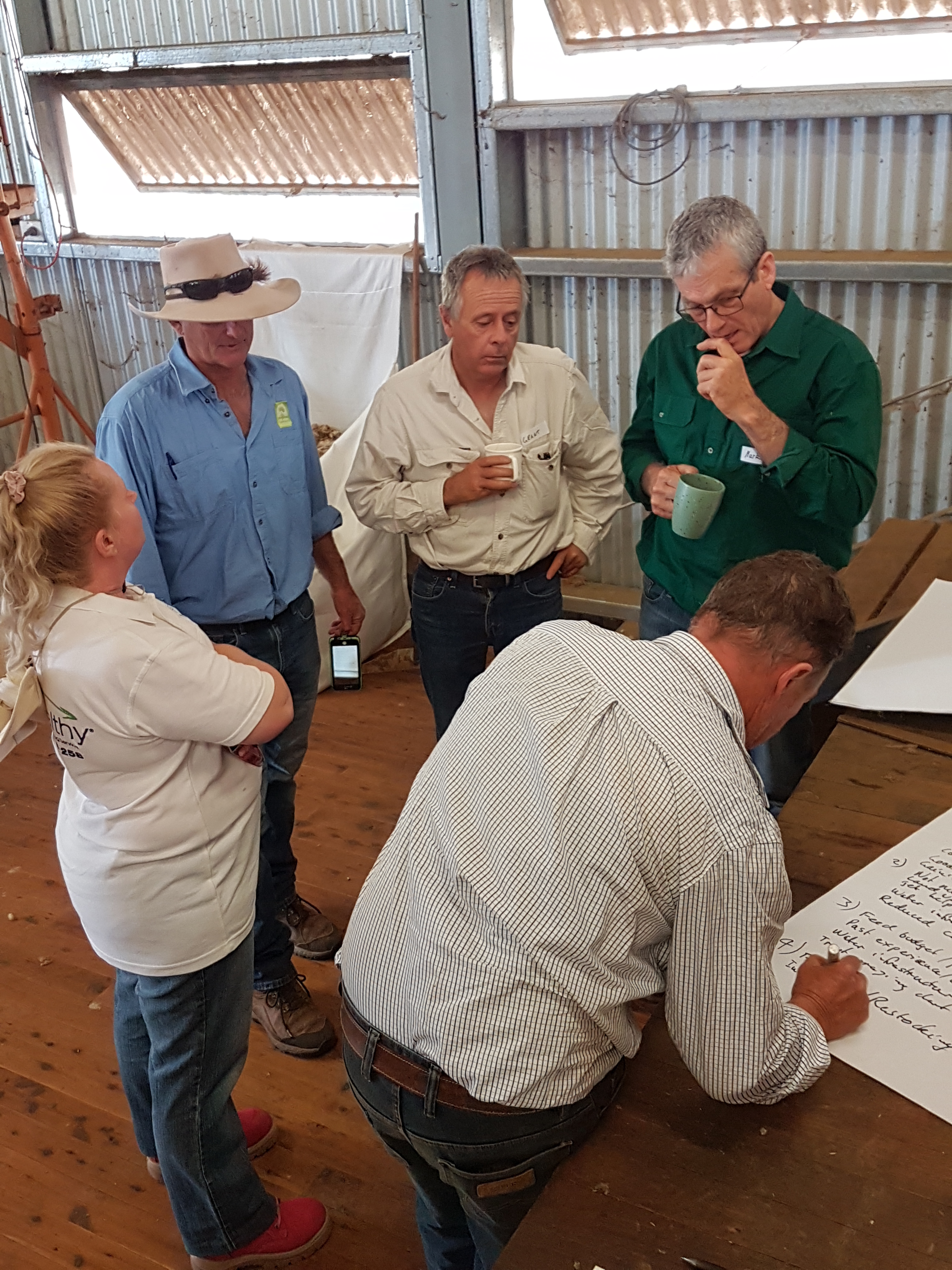
As a part of this day we covered the below three questions to get us all thinking about the upcoming potential dry season.
- What worked well in your business during the last dry time?
- What did not work well for you in the last dry time?
- How are you using your experience from past dry times to make decisions now?
These are great questions for anyone to be considering currently and we encourage everyone to answer these questions for themselves. Below are some of the answers from the group which could help when you need to start making decisions if the current weather conditions persist.
- What worked well in your business during the last dry time?
- Feed budgeting – grass inventory regularly measured
- Prices – Opportunity
- Graze in 1 group – single mob
- Confinement Feeding
- Early weaning
- Cutting expenses
- Peer network – grazing meetings – support network
- Outside advice
- Grazing charts/plan – helped with decision making
- Destocking early – after feed budgeting
- Diversifying the business
- Knowing your long-term goals
- Leaving good ground-cover allowed early opportunities when rains came
- What did not work well for you in the last dry time?
- Stress
- Letting emotions get in way of making decisions / love stock / not wanting to sell them
- Not early weaning
- Delaying decision making for too long
- Buying hay
- Maintenance Feeding
- Cashflow reduced
- Benchmark was too high on grazing planning
- Restocking decisions (high prices of stock delay getting back into market)
- Holding on to stock for too long
- Water infrastructure
- How are you using your experience from past dry times to make decisions now?
- Utilising the feed budgeting, trusting grazing charts and making decisions
- Not thinking about what will happen if it does rain. More important to think what if it doesn’t rain.
- Using technology to aid in decision making
- Leaving feed, maintaining groundcover
- Preparing early
- Working on being rain ready
- Taking the time to plan better
- Grass monitoring – more experience this time
- Upgrading water infrastructure
- Not being too optimistic in business planning
- Flexibility in enterprise in order to take advantage of opportunities
- Matching stocking rate to available grass now
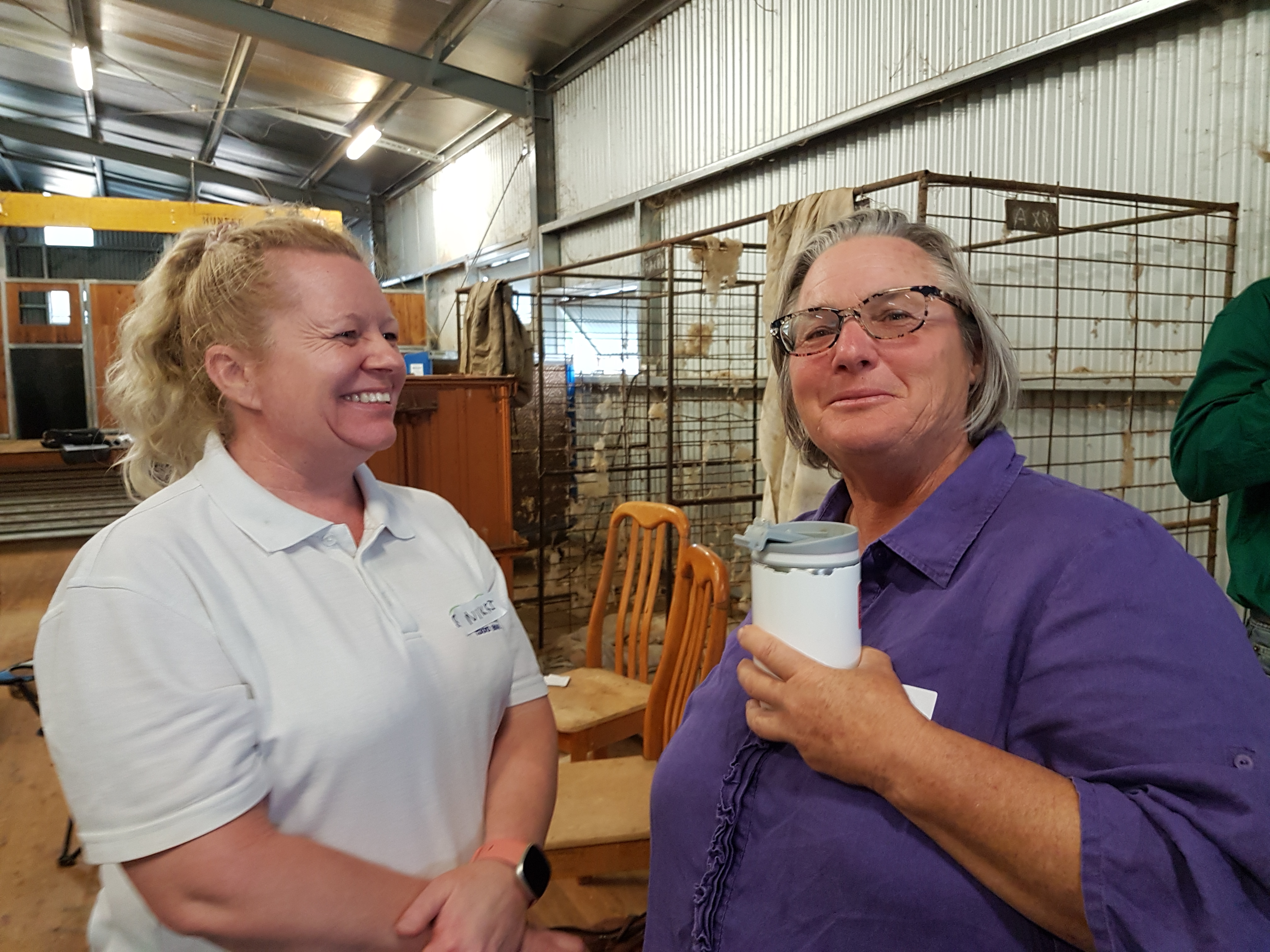
We would like to thank Matt & Tamara Pearce for opening their farm to attendees, Andrew Dowd from RCS – Resource Consulting Services and Mid Lachlan Landcare’s very own Scott Hickman and Andrew Wooldridge for facilitating the event. If you have any questions or want to find out more about any of the things listed above please contact us midlachlanlandcare@gmail.com
RCS Consulting Services also have a free on-line course running at the moment which may be of interest RCS Drought Preparedness.












Great Southern Bioblitz

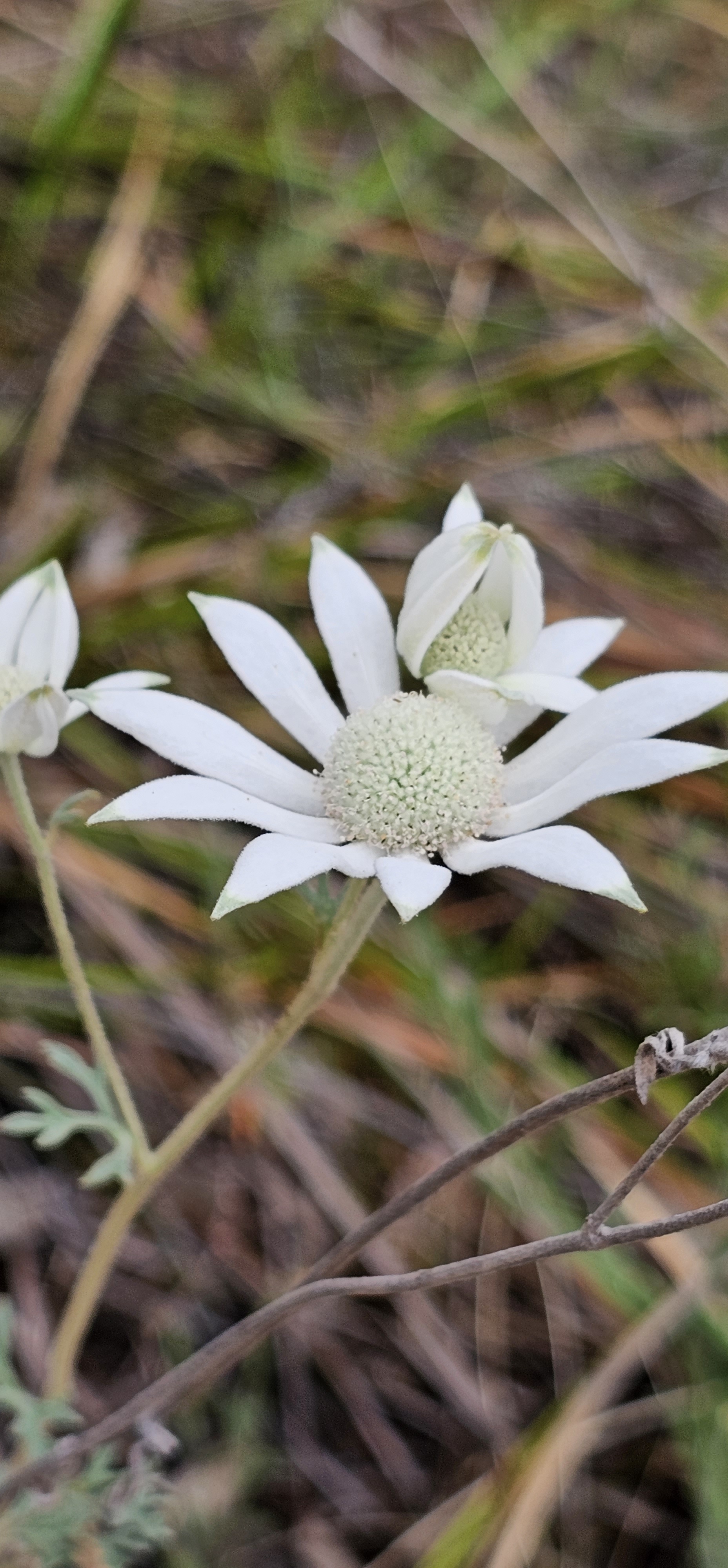
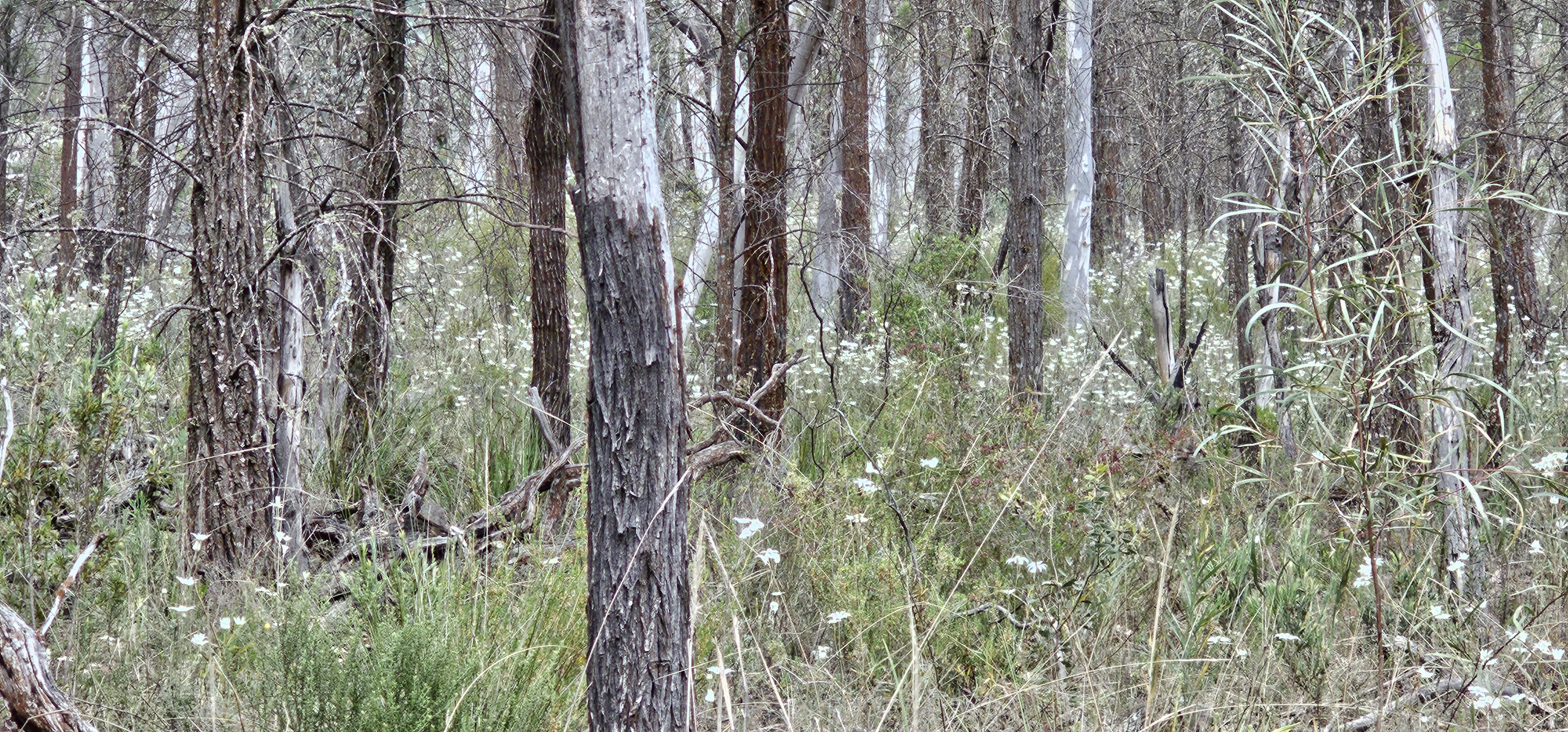
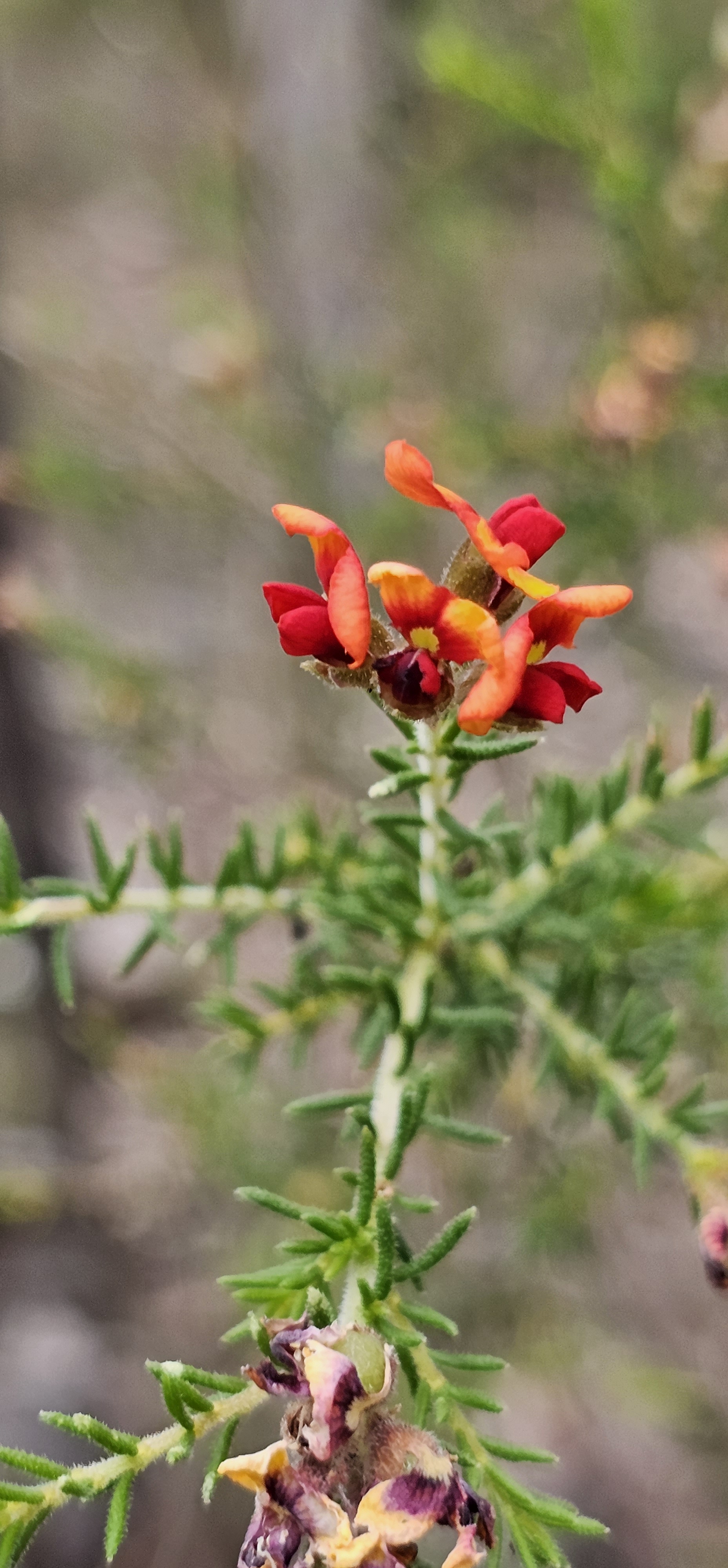
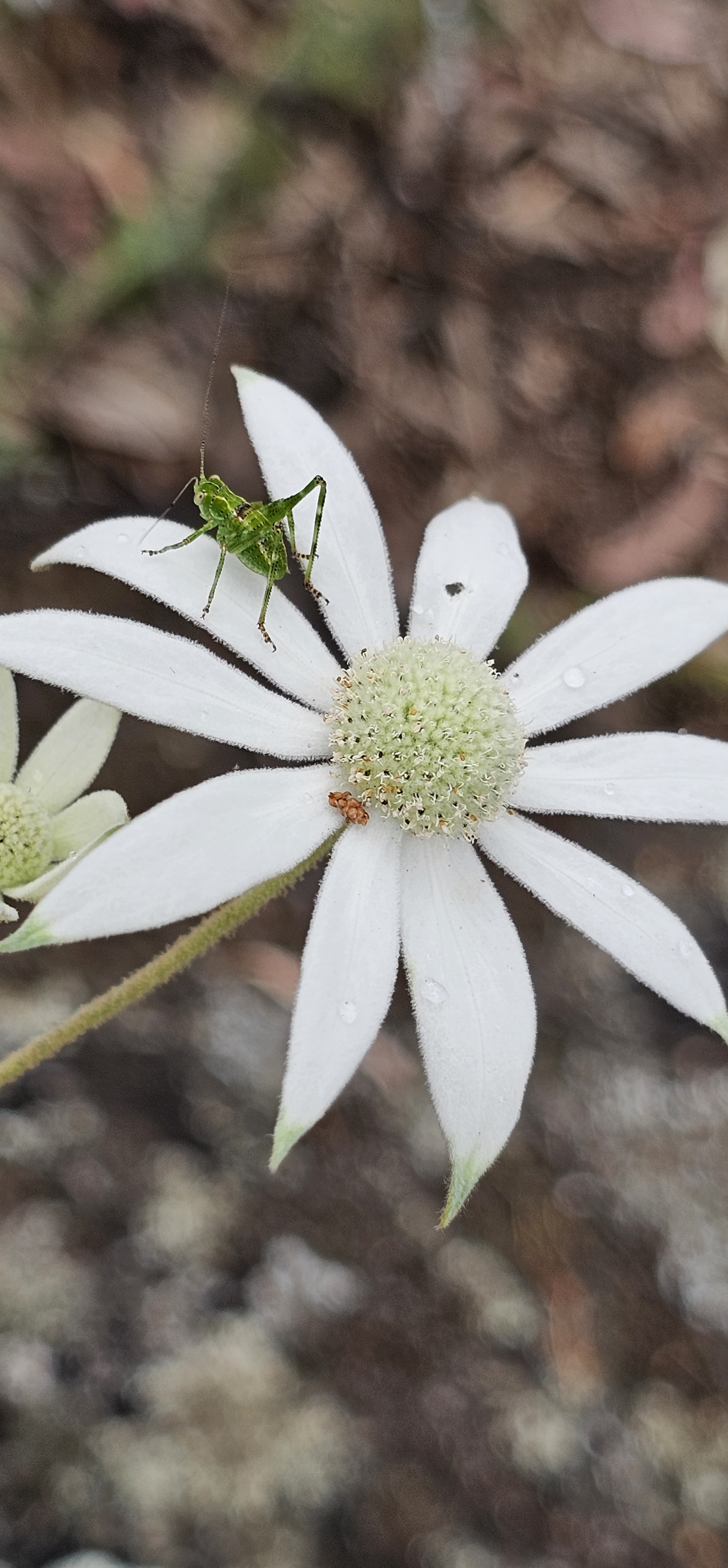
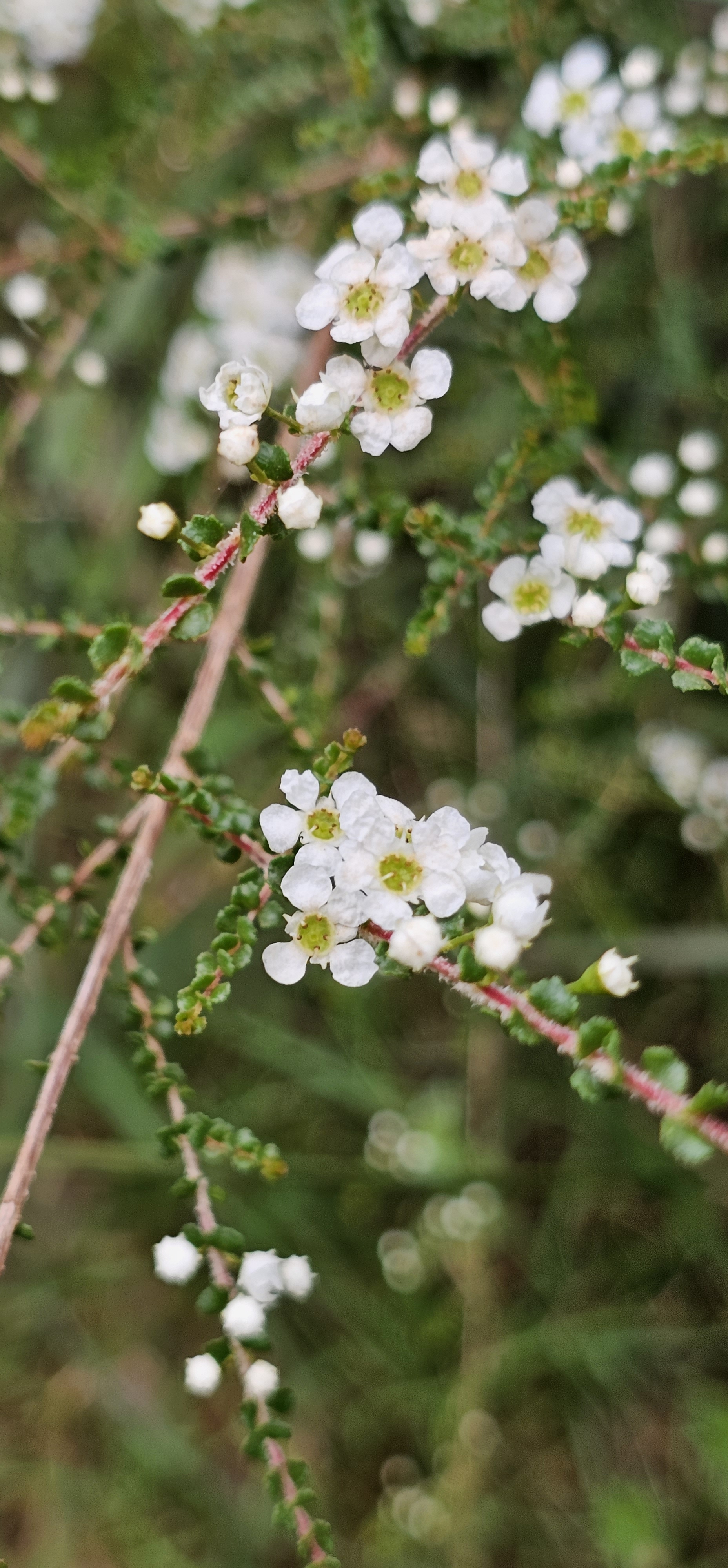
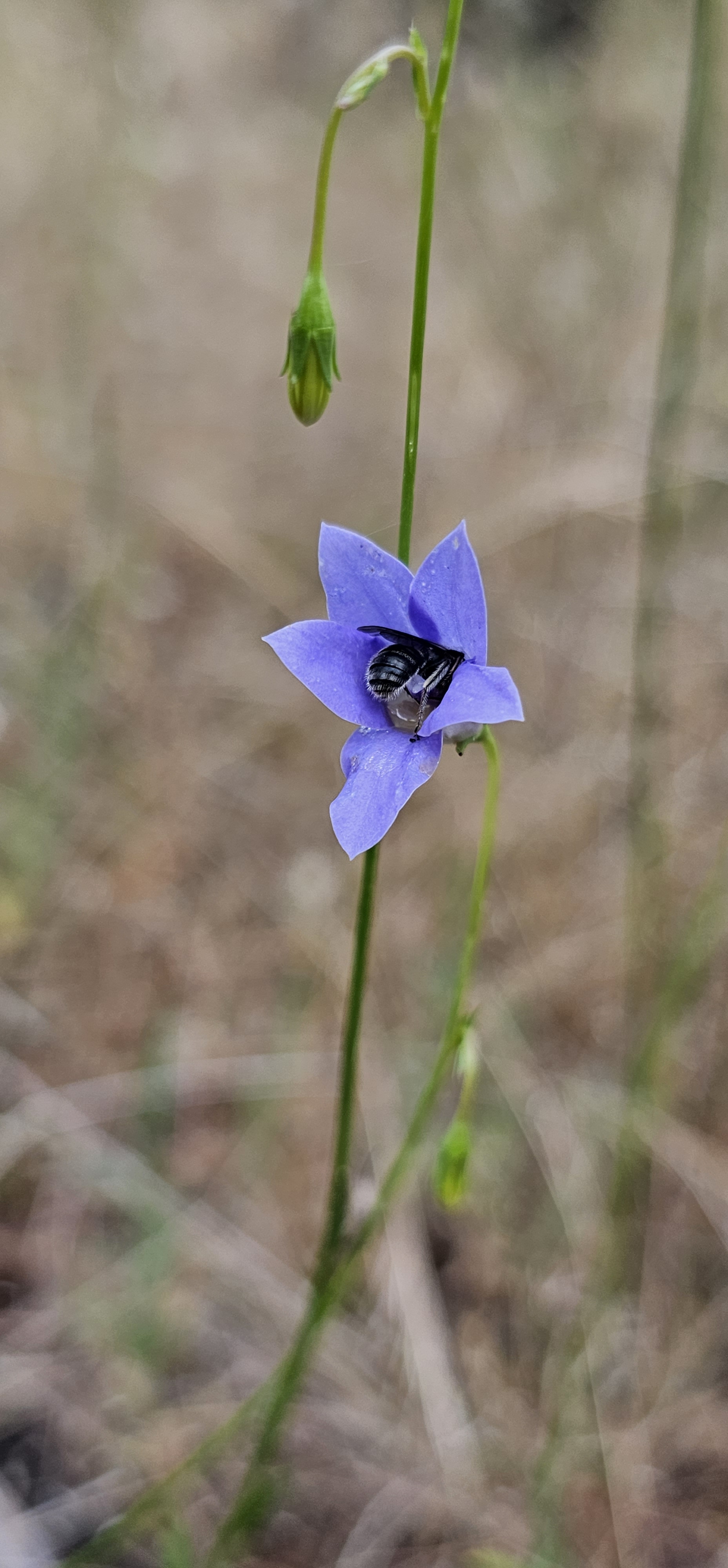
The Cowra region is home to some of the most beautiful Box Gum Grassy Woodland habitat remaining in Australia and at this time of the year the landscape is a real feast for the senses.
The air is sweet with honey nectar from Yellow Box Gum trees and in between the tufts of wallaby grass you’ll spot the deep purple hues and warm, vanilla scent of chocolate Lillies.

Later this month Mid Lachlan Landcare will be hosting a biological census morning on a local Box Gum woodland site as part of the Great Southern Bioblitz. This is a chance to learn more about this fabulous habitat and become a scientist for a day!
The Great Southern Bioblitz started in 2020 and is a citizen science census running from November 24-27th. It is an opportunity for all southern hemisphere countries to showcase our biodiversity and get to know the flora and fauna that surrounds us a little better.
The census is open to everyone and can be joined by downloading the iNaturalist app onto your phone, creating an account and then uploading the flora and fauna you see during the study period.
Participation can be individual, as a group or both and you may choose to survey your garden or farm, your favourite bush walk or even that quiet little spot down by the river.
Mid Lachlan Landcare’s event details are as follows:
Date: Friday 24th November
Time: Meet 8.30 for 9am start – Noon.
Location: 1128 N Logan Rd, Cowra Habitat: Box Gum Woodland with Lachlan River Riparian areas.
RSPV: midlachlanlandcare@gmail.com or call Amanda on 0439 576 903
You can also book a ticket here.
Bring the whole family plus sun/rain protection, water and enclosed shoes
This event is supported by our Box Gum Grassy Woodland Habitat on Farm project funded through the NSW Saving our Species program.


 Mid Lachlan Landcare