Mid Lachlan Landcare
supporting sustainable agriculture and restoring the environment
What I Learned at the 2025 Citizen Science Conference
Last month I travelled down to Melbourne to spend two days at the Citizen Science Conference. Being a first-timer at this event, I wasn’t sure quite what to expect so… I dragged my husband along too! As it turned out, I needn’t have worried as the whole thing was well organised, not too overwhelming & very interesting.
Highlights, insights & updates: #CitSciOz25 – A Catalyst for Change
Keynote Speaker Dr Amanda Caples – Victoria’s Lead Scientist.
- When polled, most Australian Citizens think our environment is in good shape. This is an issue because reality is not matching public perception.
- Citizen Science engagement is growing.
- Artificial Intelligence is a powerful tool that’s playing a vital role in sorting the data citizen science projects generate. While important, it pays to remember that it doesn’t replace expert insight & application.
- Data storage does have an environmental impact cost as data storage centres require a lot of water to keep them cool, plus the space and materials to build them. Quantum computing R&D is happening here in Australia and this transformative technology will change the game in this regard, making data storage much more economical & processing speeds faster.
Keynote Speaker Gregory Andrews – Lyrebird Dreaming.
Gregory has a background as an Ambassador in the Climate, Environment, Governence and Cross-Cultural space. He was also Australia’s first Threatened Species Commissioner. Greg talked about the link between culture & species, stating that you can’t lose one without impacting on the other. He advocates for Active Hope “Hope is not about pretending things will be fine. It is about facing reality as it is, with open eyes and hearts, and then stepping into meaningful action” read more about how caring for country helps here.
Greg mentioned a survey that showed 95% of Australians feel we should be doing more to protect the environment and cited that figure as a mandate for us to go out and get recruiting volunteers for our projects! He also mentioned that he see’s that rural and regional Australia are really leading the way in promoting unity and cohesion in community via citizen science based projects & actions. He also talked on how we can tap into our National Pride in a good way to motivate people to care for country:
What defines us Aussies:
- Magpie swooping
- The smell of Eucalyptus
- Bird Song
- Azure blue skies
- Kangaroos and our other unique animals
- The vastness of it all.
Greg puts his whole being into his work and has a strong emotional attachment to it and the people he works with. I found him to be both big-picture inspiring AND an organised do-er. You can follow him on his blog
I then joined a forum on Youth Engagement in Citizen Science

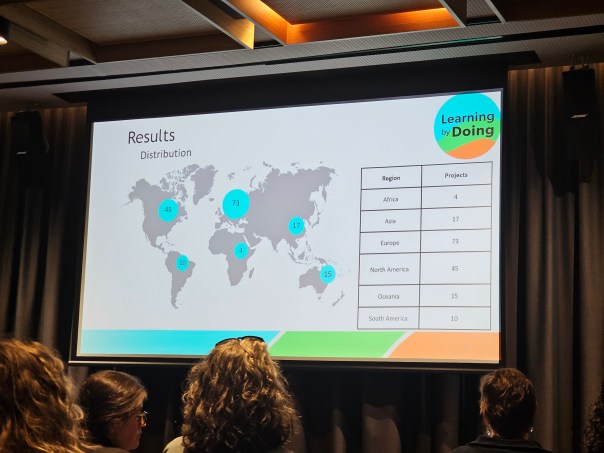

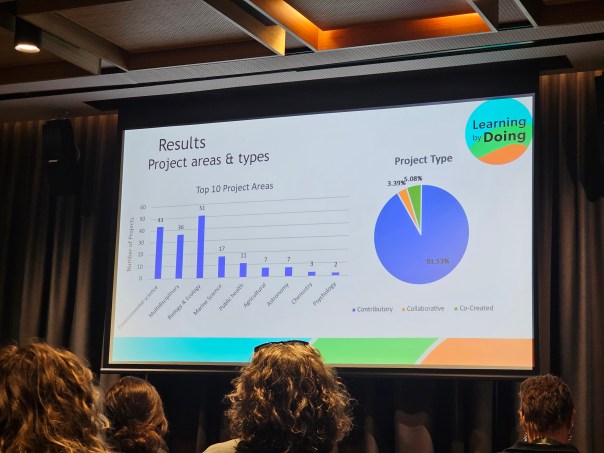
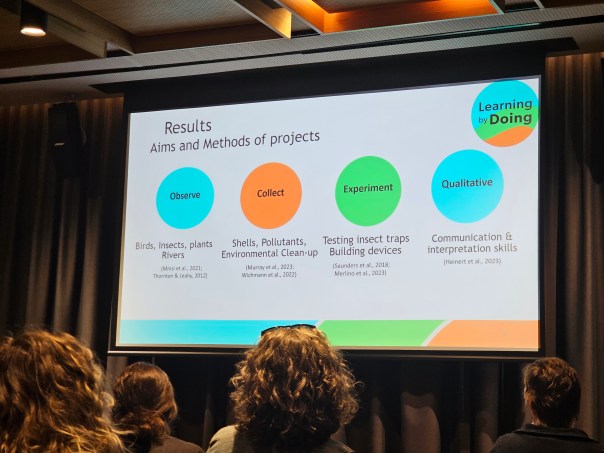
- Victoria Zhang from the University of Sydney presented results of a literature review on citizen science in schools and found that Earth and Environment Science had the most engagement and in that syllabus it was projects around microbiology that were most commonly undertaken followed by bird observations.
- Naomi Lambie from Earthwatch Australia, an ex-classroom teacher explained how citizen science is a powerful pedagogical bridge combining expertise, lived experience and practical, direct engagement in a way that nurtures critical thinking. She was particularly keen to mention the value students found in their project being part of a ‘bigger picture’ project that connected them to ‘real’ scientists and that their data had ‘real world’ value.
- The team from River Detectives explained their program and the role it plays in taking students from citizen scientists to active citizens (citizenship). They also drove home the idea that the product of citizen science research is not always as important as the process – process is key.
- Finally David Mabb, a 12 year old scout from the Melbourne area talked about what he’d learned from 6 years of Bioblitzing:
- Feels great to contribute
- Every observation counts
- It teaches patience
- He was able to serve as informal tech support to older members of their group which also felt good.
- Realising why each little part of the ecosystem matters.
- Enjoyed the gaming element of Bioblitz, e.g: how many species can you capture in 10 mins
The next session I joined was a workshop: Citizen Science in Schools
- Those wishing to get into schools with their projects need to make sure they are aligned to the curriculum and have clear assesment opportunities mapped to them.
- Building programs and relationships with schools takes time
- Make sure projects are differentiated so all ages, stages and abilities can participate.
- Barriers include managing risks & putting together risk assessments, costs and time.
Day 2
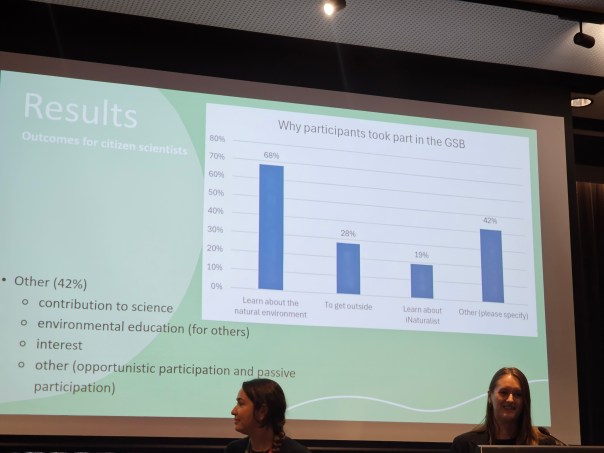
The second day included a range of talks that I’d chosen to help me develop programs for our local area. I attended a talk on Giant Eucalypts with Dr Dean Nicolle; a talk on the history of the Great Southern Bioblitz which included statistics of how the blitz is going and growing & Emma Corro talking on her project ‘poop for fungi, for plants’ which gave me ideas of how to combine soil science with seed collecting & microbiometer.

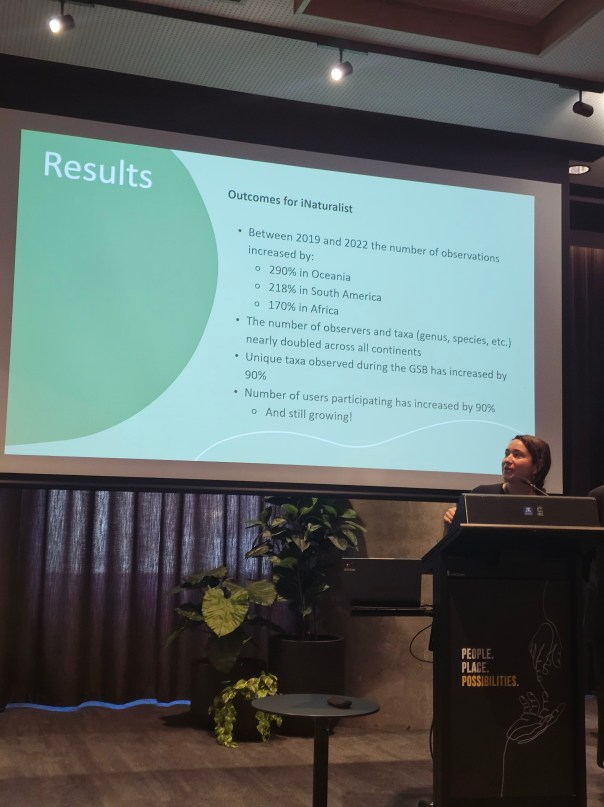
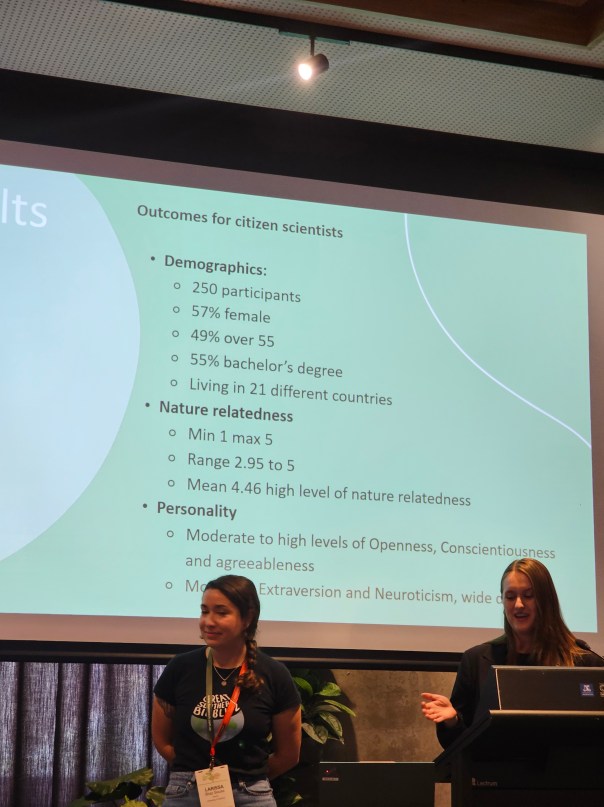
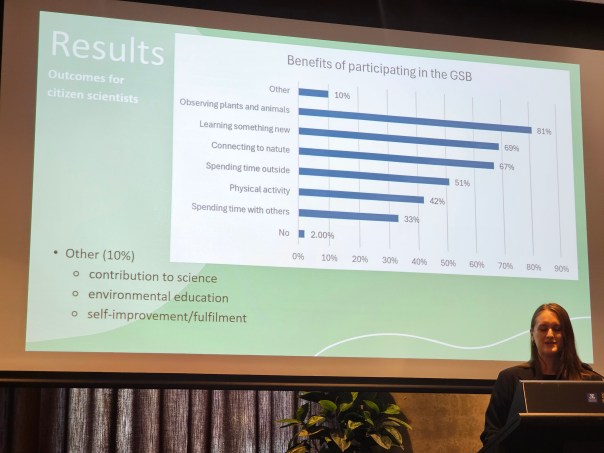
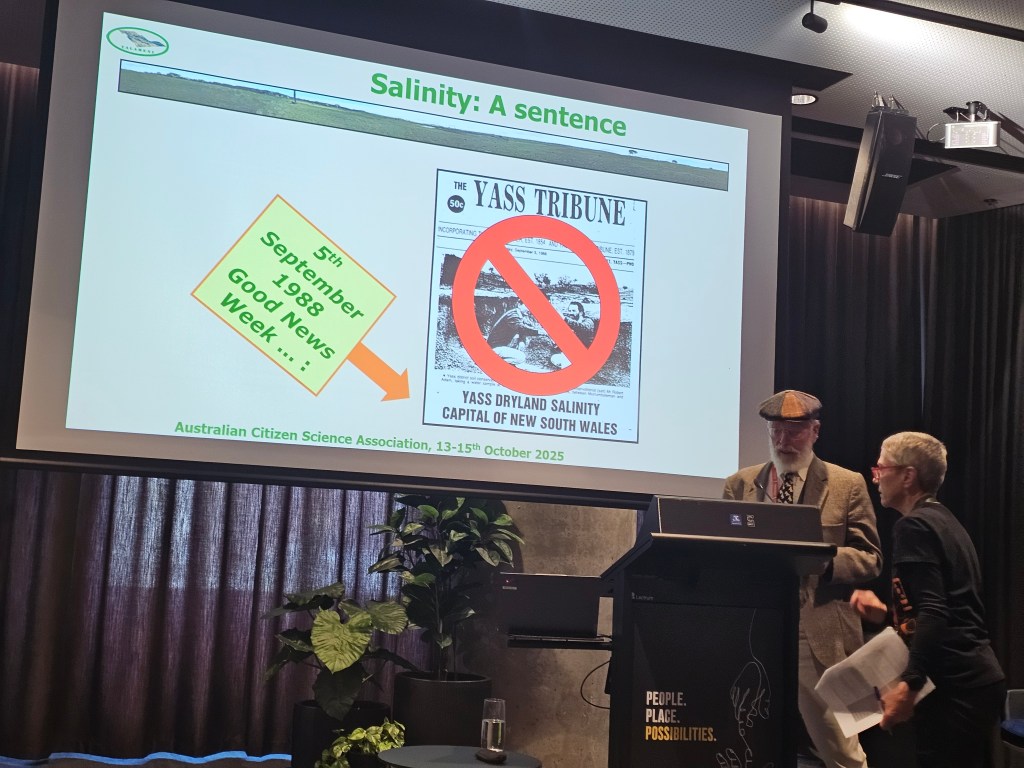
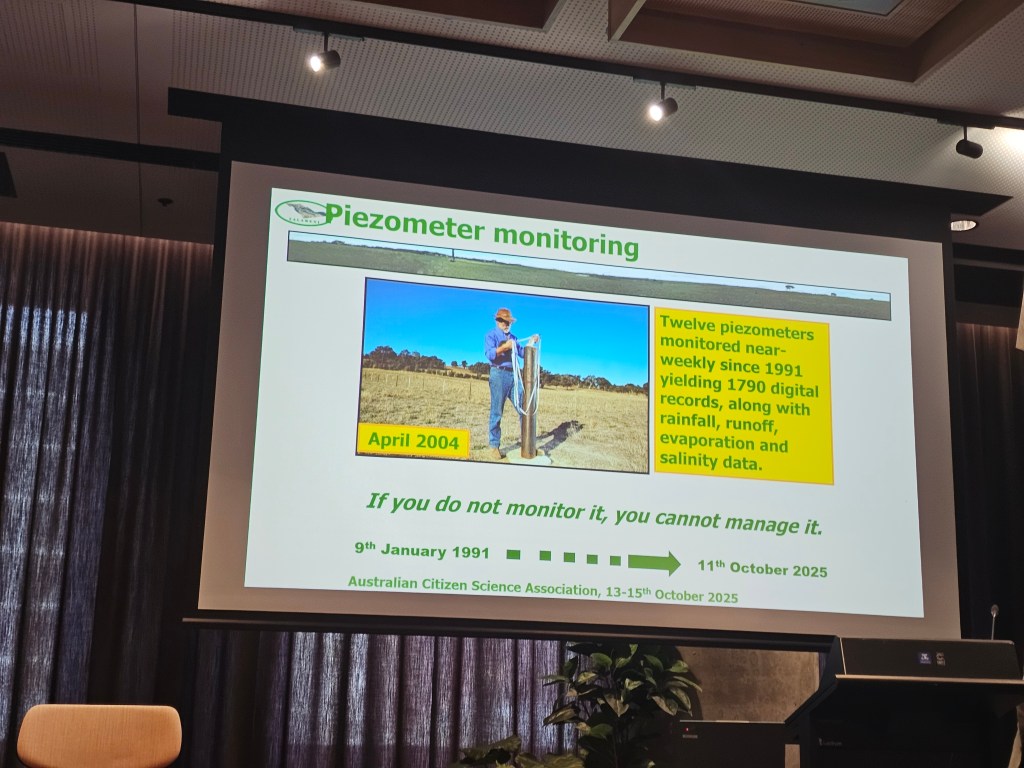
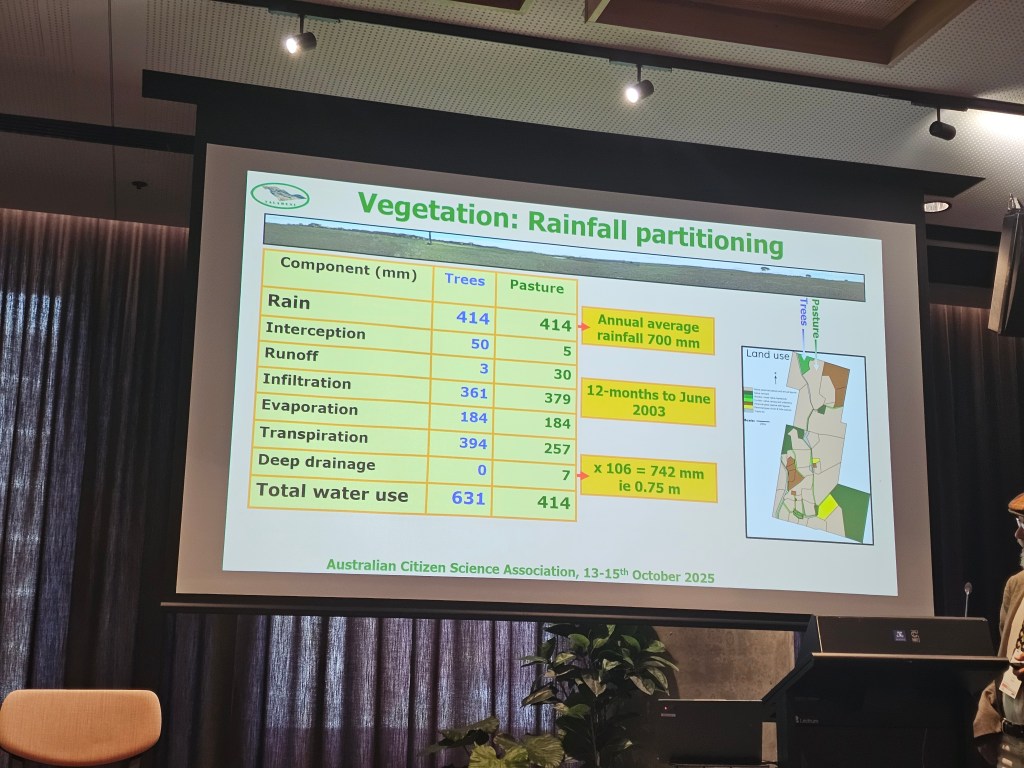
I also listened to a very interesting 35 year look at dryland salinity at John Ive’s place in Yass which fits in very well with what we’re doing here at Mid Lachlan Landcare.

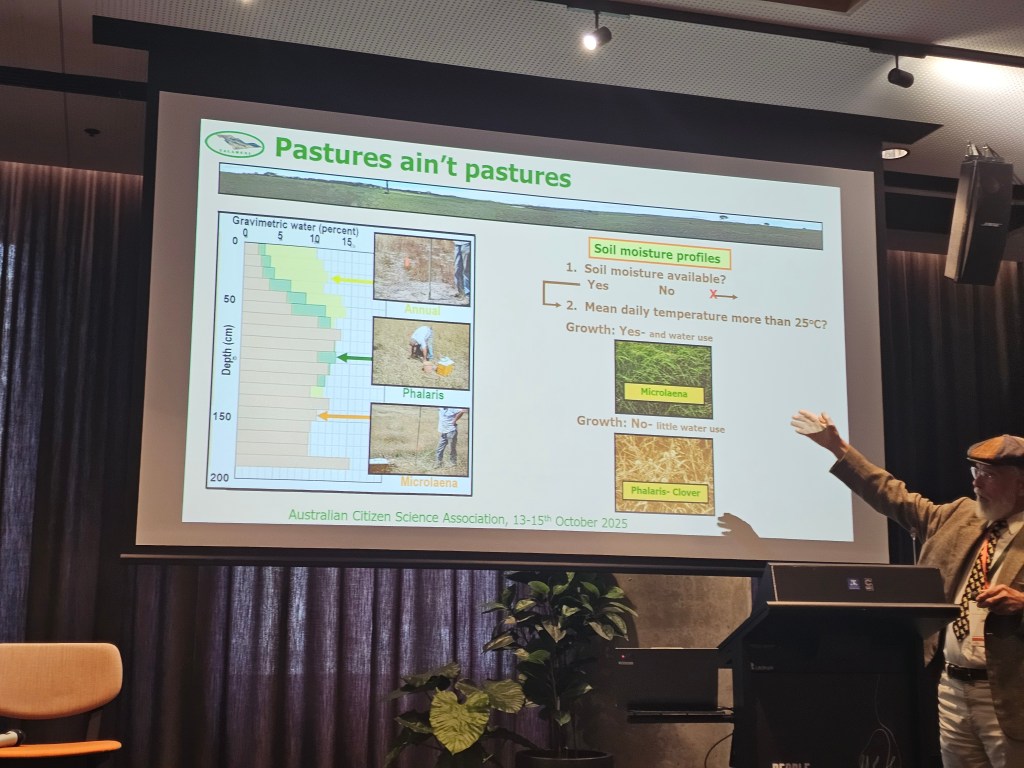
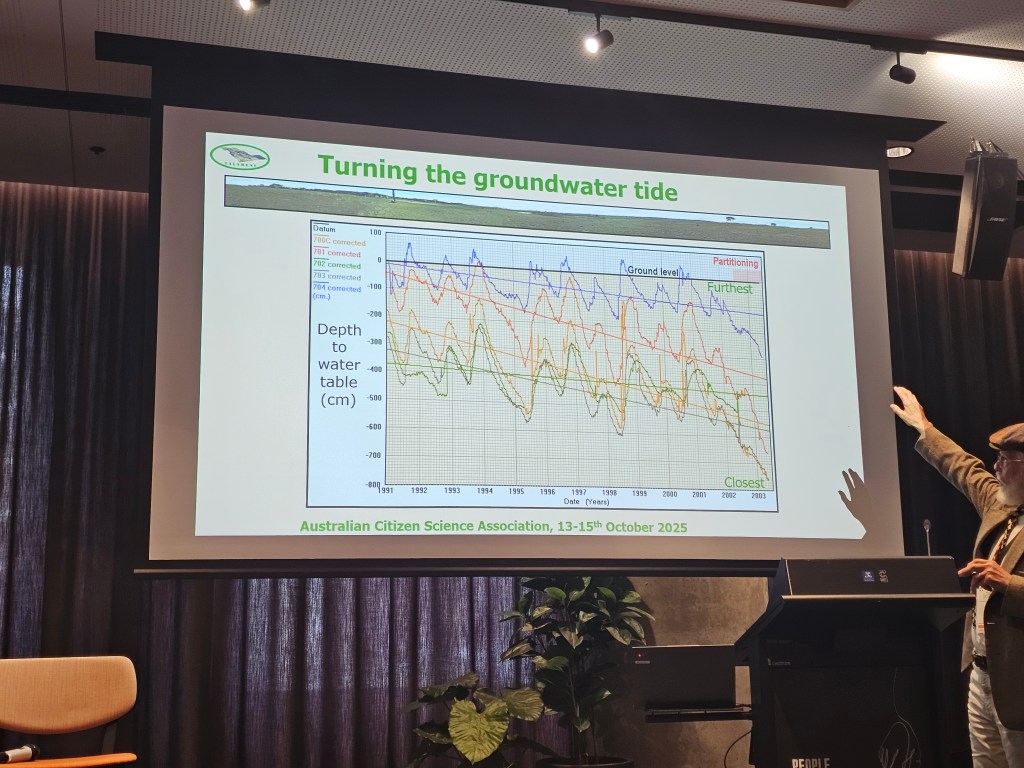
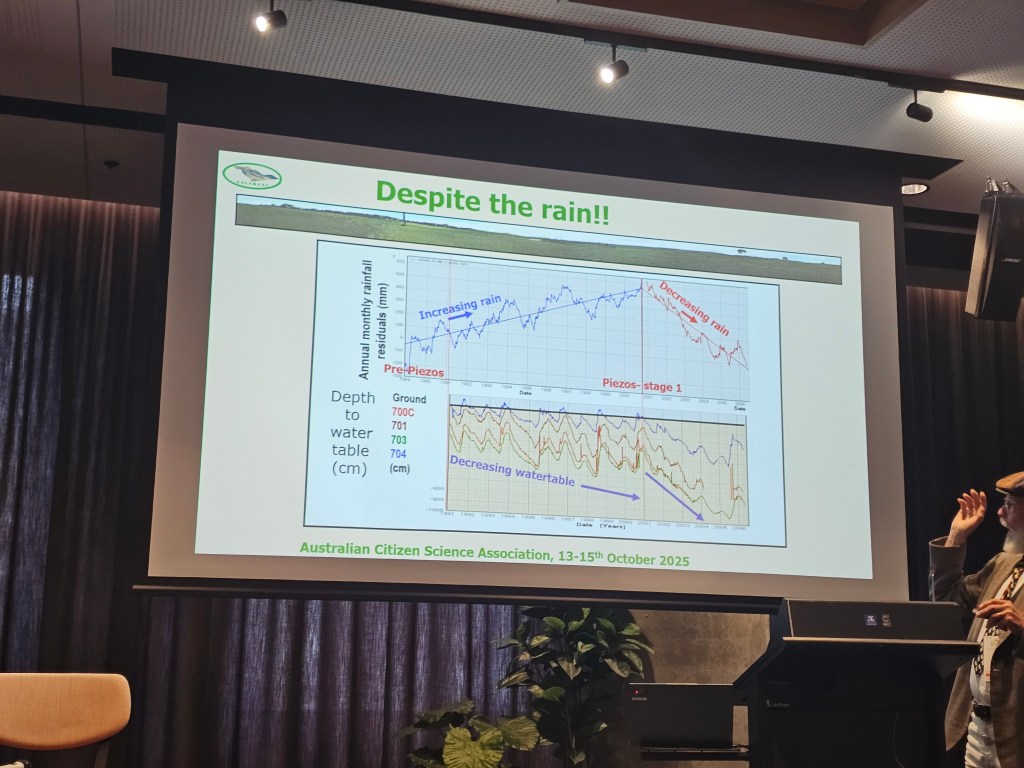
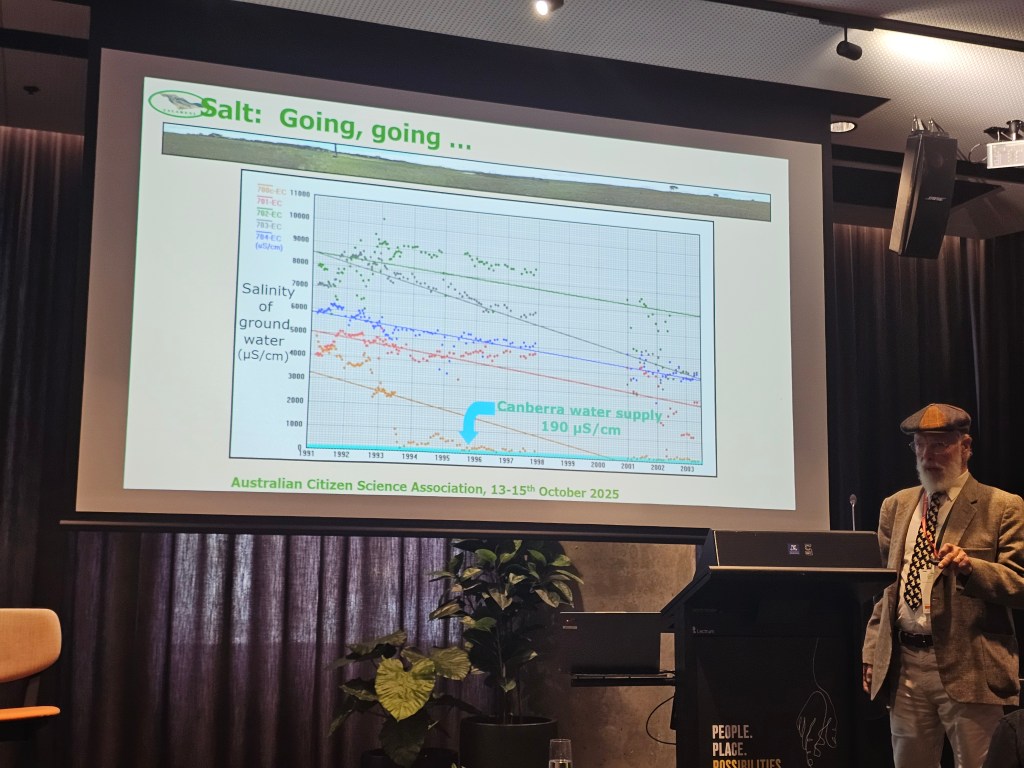
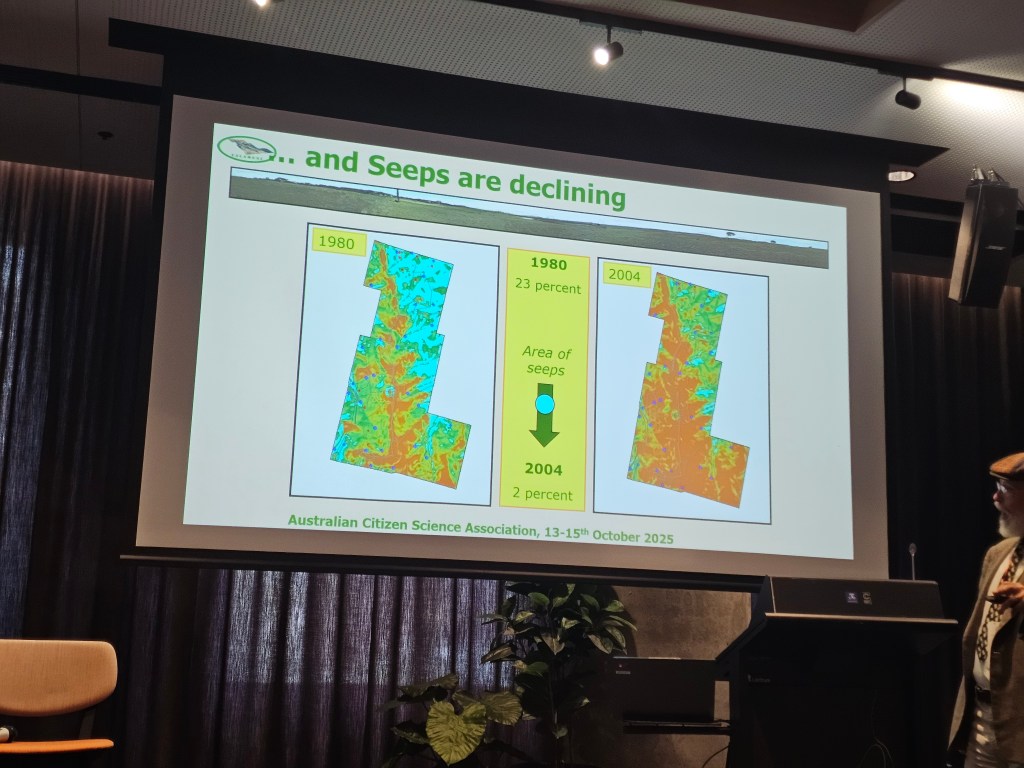
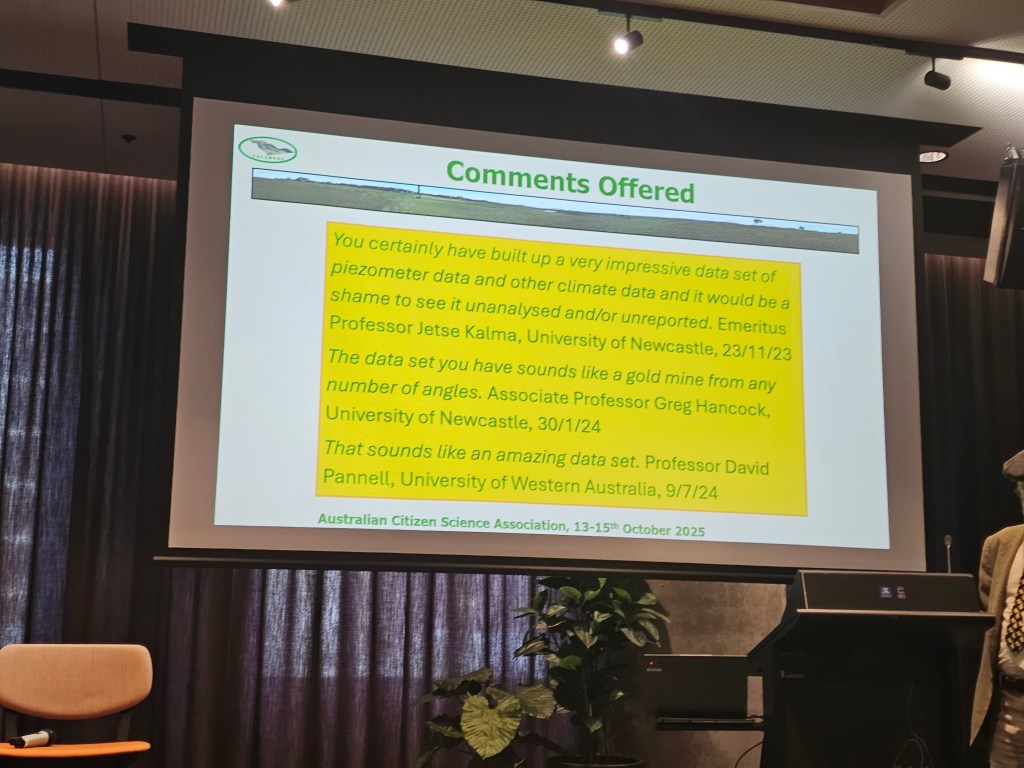
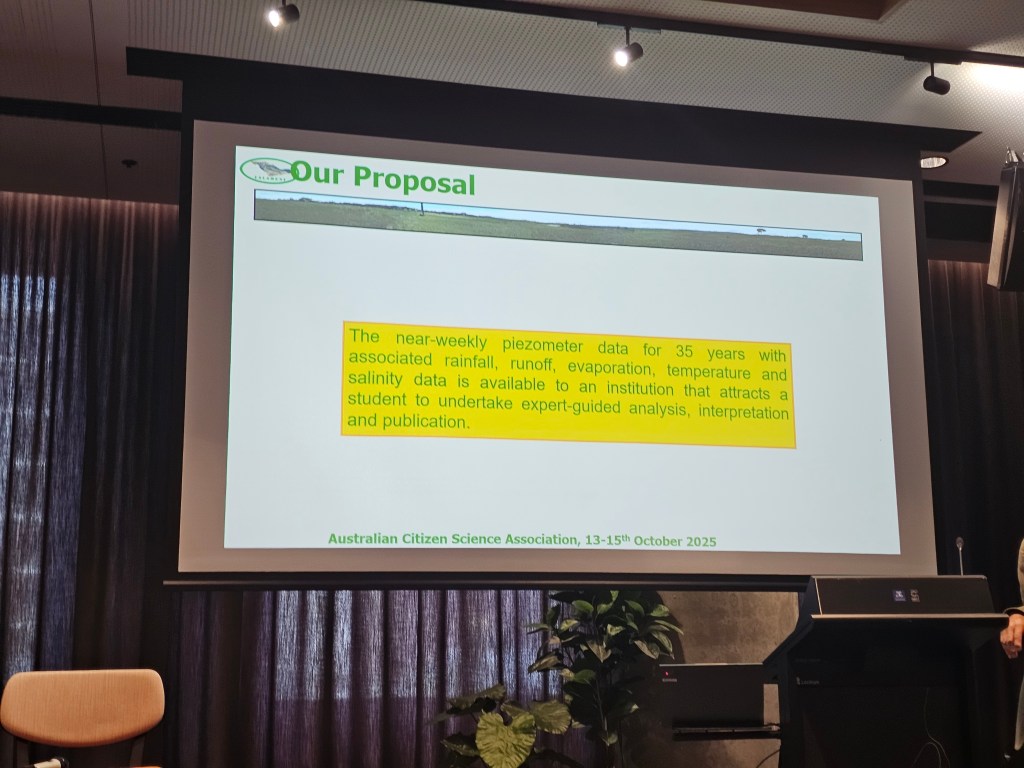
In addition, I got some tips on how to run successful Bat and Moth nights, plus an update on the Bogong moth tracker app which I’ve been keen to promote more in our region given we on the moth’s flight path.
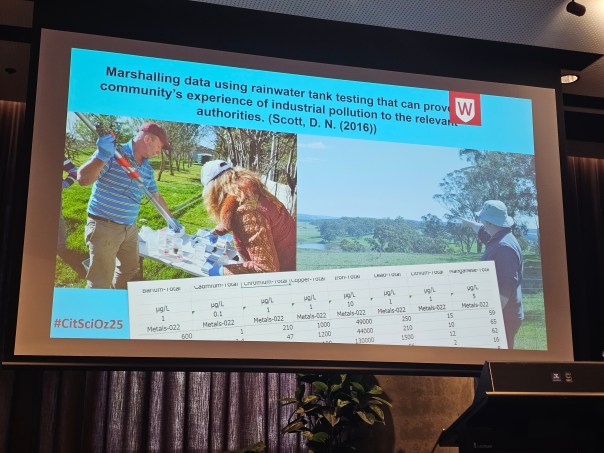
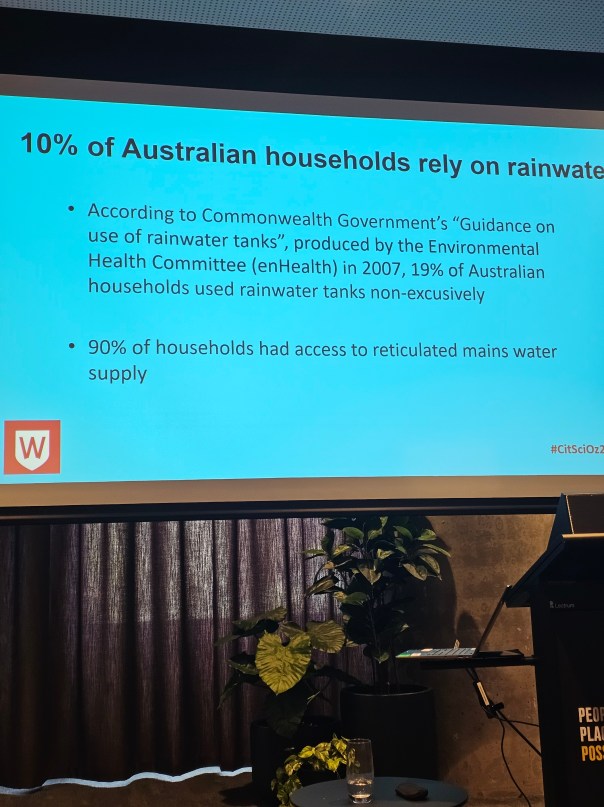
During lunchtime on day two I attended a very interesting symposium entitled “We Are the Monitors Now”: How Rural Communities Are Initiating Pollution Monitoring and Using Citizen Science for Environmental Outcomes by Anna Christie and Ian Wright. Ian has been out to our region to talk on the PFAS levels in the Belubula river so it was great to catch up with him. This talk focused on water quality in rural communities, more specifically around how airborn dust and roof-contaminants impact tank water quality. This talk was a real eye opener and brought home the impact invisible pollutants have on both ourselves and our ecosystem.

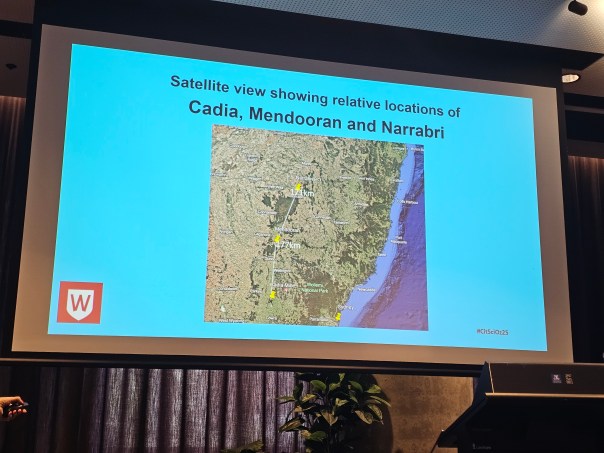

The rest of my time consisted of hearing more from those taking citizen science into schools and community groups and hearing what worked and what didn’t – always helpful and in case you were wondering, apparently taking donuts into schools helps!
Overall I was impressed by the conference and came back advocating for Mid Lachlan Landcare to join the Australian Citizen Science Association as a way of us staying at the cutting edge of this powerful & engaging tool for good! Oh, and I also bought myself a t-shirt 🙂
P.S: The NSW Government has a magazine called the SCAN Journal that’s great for those wanting to get citizen science projects up in schools.

The Bush Goddess Presents ‘Wilding’ at Cowra’s Civic Centre
Wednesday evening saw around 50 of us gather in Cowra for a showing of the film ‘Wilding’ organised by ‘Bush Goddess’ Pennie Scott. Wilding is based on Isabella Tree’s book of the same name that doccuments how their failing farm tried something new on their property, Knebb estate in the south east of England and in the process, transformed everything.
After the showing, a panel including our own Grazing Revolution Champion Scott Hickman were on hand to discuss what the film & talk more about how this regenerative way of thinking is being applied here in the Mid Lachlan region.
Thanks to Pennie for organising such a thought provoking and beautiful evening for us all to enjoy.
Supporting the next generation of young women in Agriculture with the Cowra Show Society.
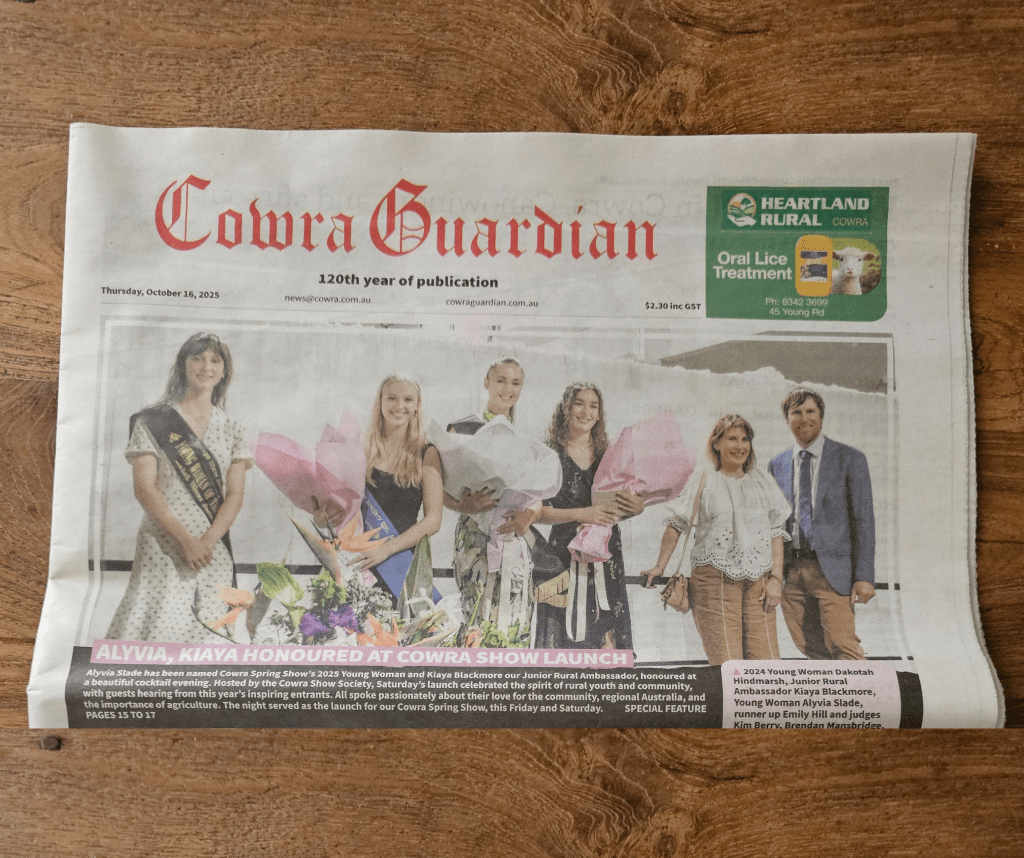
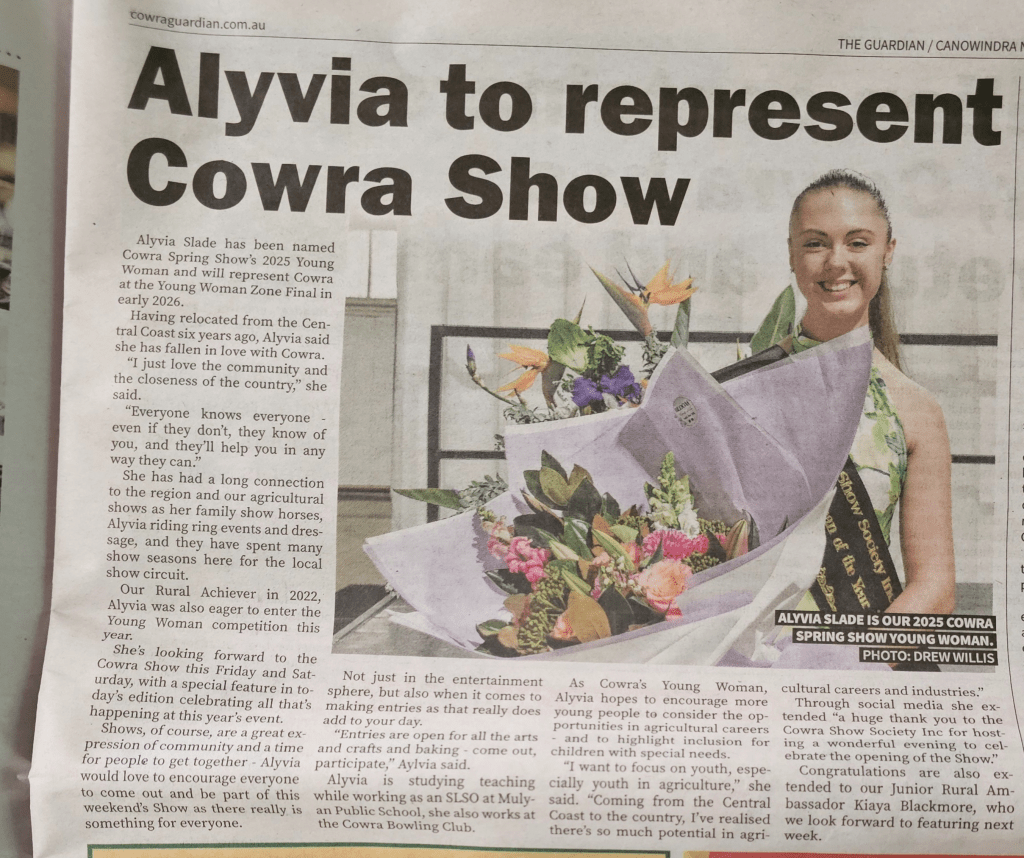
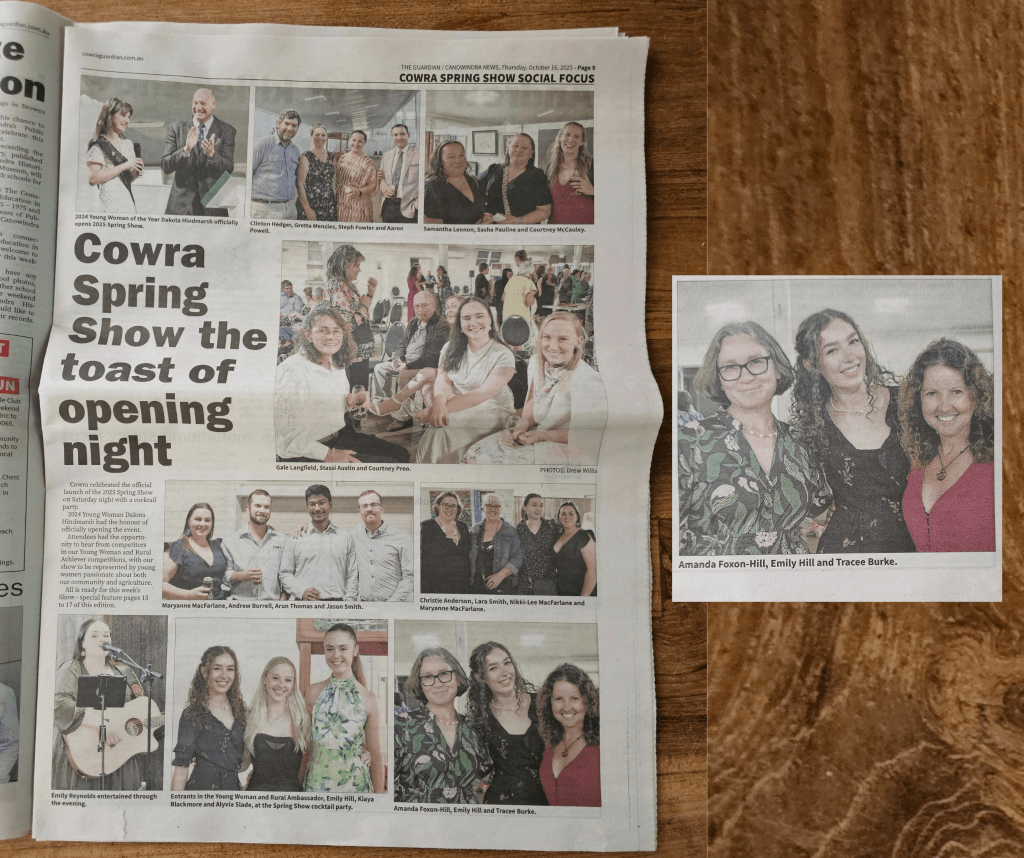
Earlier this month Tracee & I were invited to join the Cowra Show Society at their opening night cocktail party as guests of Emily Hill who was in the running to become Cowra’s 2025 Young Woman. Emily is my youngest daughter and she moved to the area at the beginning of this year after a two-year stint studying fashion in the UK followed by a year working in Sydney. Since moving to the area Em has thrown every bit of spare time she’s had into cattle work, horseriding and volunteering with us at Mid Lachlan Landcare – planting trees & joining our pig eradication activities.
While Em didn’t win the crown this time, she definitely did herself and our Landcare family proud, as did the other two young women, both of whom talked about their ambitions in agriculture and desire to help build stronger & more resilient rural communities.
Tracee & I both came away feeling like the future of our little slice of Landcare heaven will be in good hands with these driven and capable young women at the helm.
Carp Compost Tea Results Are In
Back in July we gathered up some of the carp caught during the Canowindra Carp Muster & took it back to Emu Park farm, Canowindra to turn it into fertiliser. We did this by (sort of) following a tried-and-tested biological fermenting method promoted by Gerry Gillespie of Returning Organics to Soil. You can read about the first part of that process by following this link to our earlier blog post.
Around 6 weeks after putting the fish in the barrel they seemed sufficiently digested and so we sent some of the juice off for analysis.
I opted for a test protocol commonly used for liquid fertilisers which made sense given what we’d (hopefully) created. But as simple as that sounds, selecting a test and test facility isn’t always easy so I did consult with a few people in our Landcare network first, to check what information would be most useful for them.
Like any (once) living thing, Carp can also accumulate toxins as they are going about their business. However, we made a collective decision not to spend a significant sum & time testing for those at this stage. Carp in the Belubula river has already been tested for PFAS quite recently and by groups better set up to deal with the data. In terms of heavy metals, fish in the area are also regularly tested for these with results informing fishing guidelines. Lastly, with only a small bucket load of fish making up a small scale, potentially one-off experiment, we figured the risks associated with any potential contamination would be relatively small and likely in the order of that one may find with commercially bought mulches & recycled soil adjuvants.
So, if the purpose of our experiment was to investigate the ease of which feral species can be turned into liquid fertiliser, what was the result?
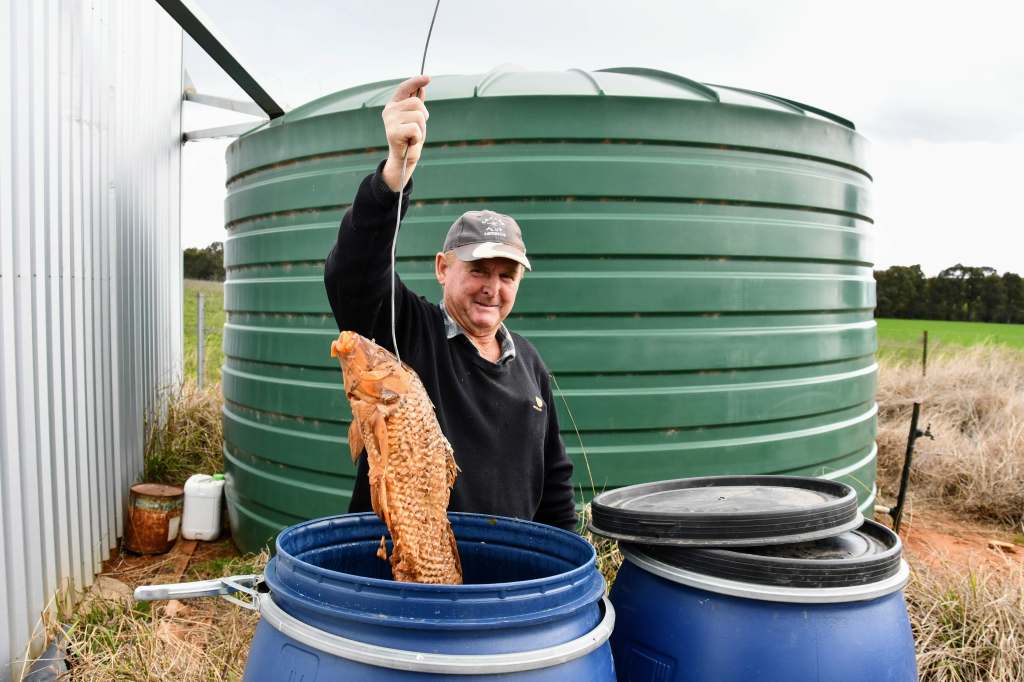
Four weeks into our experiment, Eliza from The Land newspaper came to grab some pics for the paper and that gave us a chance to go fishing once again!
The official instructions call for you to chop up your protein source but I was really keen to avoid any extra steps that might make this a complete pain for farmers. So, we popped our carp in whole!
Keep in mind, we’d been ‘cooking’ up this biological soup in the depth of winter, the fish appeared to be breaking up very well, mostly from the inside out which made sense to us.
The following week Robbie got into the barrel with a mixer to see if he could chop up what was left and apparently there wasn’t that much so it was clear the microbes were doing some of the hard work for us. That said, it totally makes sense that the process would go much faster if the surface-area-to-volume-ratio was a little larger.
We left the barrel for a few more weeks before getting a sample for test. We probably could have called it earlier and sent off a sample at the 7 week mark (around 8th September) but life got in the way and we ended up sending it off on ten days later.
Incitec Pivot’s Nutrient Advantage brahcn ran the testing for us and we chose the C3 test, the protocol for which can be found here, along with the prices.
The Results:
Our Yield of ‘soup’ would have ended up being around 100 litres.
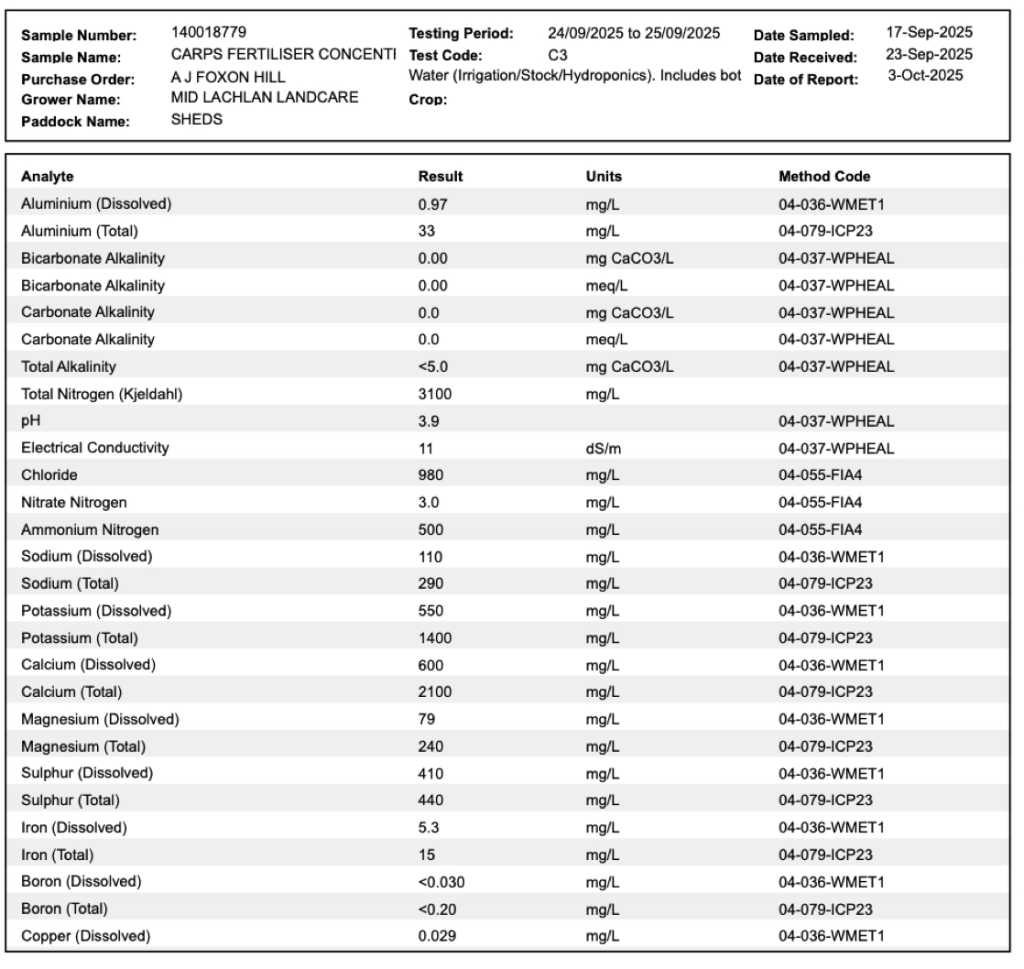
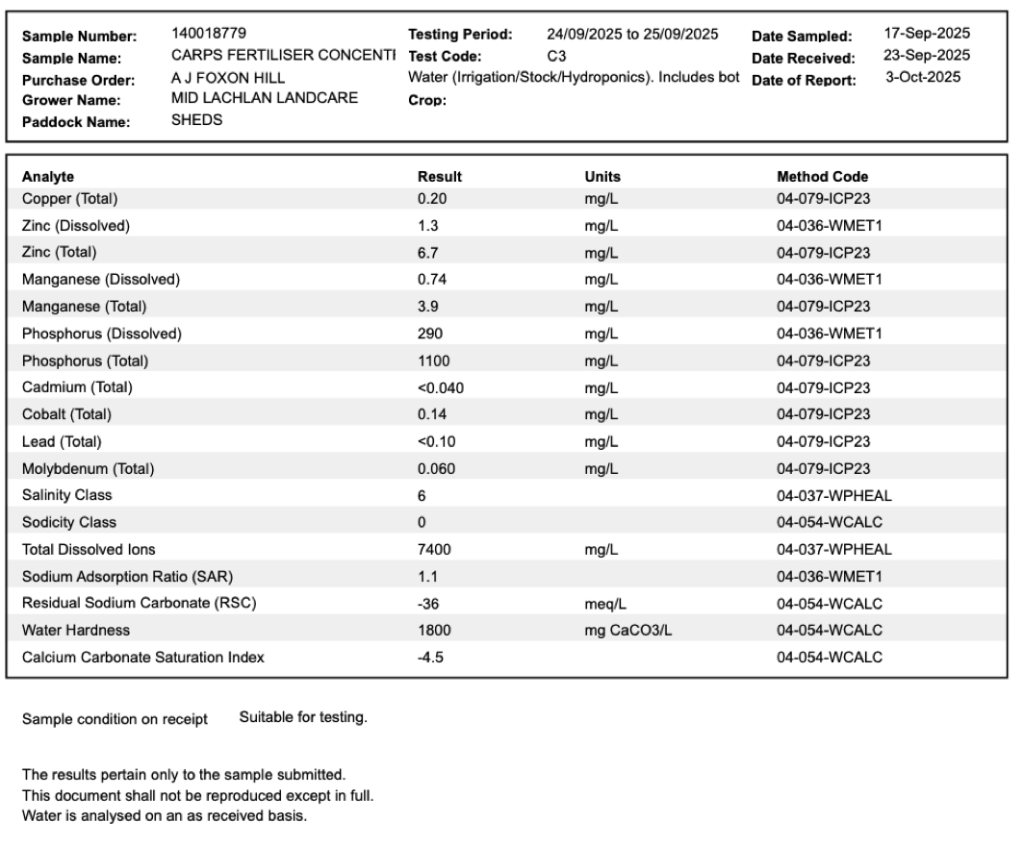
While I am a chemist, I’m not an agronomist so I’ll leave the detailed analysis to those of you who are suitably equipt to do so. However, what I did work out is the N,P & K are within appropriate ratio’s and that by diluting what we ended up with 10x, we’d get a product that, in that regard, was the same strength as the commercially available Charlie Carp. So, we turned a bucket of dead fish, around 9 litres of milk, a few cups of molasses and a small amount of rice water costing approx $20 into about $50 worth of All-Purpose Charlie Carp. On that basis, the effort seems a little mis-spent…
What’s next for our Carp Soup?
We’re way too late to spray this on the current seasons crop but the aim now is to filter it then decant it into 20 litre containers and store it until the next crop goes in when we’ll give it a try.
Is this worth doing?
Ultimately that’s a question with an applied answer – it depends. Here’s some of the thought’s we’ve had around the subject.
Dead Stock/ Ferals
Farmers will always end up with dead protein sources to manage. The easiest way to handle that is to just leave things where they lay. A little harder is to move it to a strategic site where it can help reduce water run-off or perform some other physical function as it breaks down. Both of these leave the dead thing available for predation by living things and in some cases, this opportunity can bring with it more problems -feral pigs, foxes etc. If that doesn’t happen, you will return the carcus and it’s nutrients to the soil but they’ll be concentrated in an animal-shaped heap at the end of the process. This may work out just fine but could create a patch (or patches) of soil that are super-fertilised Or even hotspots for toxins if the protein source was contaminated.
Verdict: Turning protein into liquid, sprayable fertiliser spreads any benefits across a wider area & dilutes any risks.
Time & Motion Study
Our project was small scale & experimental & therefore innefficient in terms of time and output. However, it wouldn’t take much to integrate this into an efficient farm-waste protocol where the stock ‘juice’ was made up in bulk ahead of time and barrels ready to go. The set-up just needs a couple of drums with lids you can fully open, a place to chop stuff up, access to water & a stick mixer of some sort to get into the mixture occasionally. Filtering can be done using gravity, some fine mesh and another bucket & spraying could be carried out using something like a hose pipe rather than a boom spray (although that could be possible if the mixture can be filtered finely enough). The ‘cooking’ doesn’t actually require any input – the mixture sorts its self out – so it’s not too time consuming that way.
I wouldn’t see this as a way to replace fertiliser costs, more of a way to a) maximise value from a problem (protein waste) that already exists on-farm and b) prevent or reduce follow-on problems that arise from dead stock/ ferals.
Sense & Sensibilities
It feels good to make a (reasonable) quality product out of waste. It feels like you’ve cleaned something up and make the world a better place WHILE creating something of value to yourself.
Rotting things stink but the biological soup way of digesting dead things reduces the smell considerably. This is of great benefit where there’s a lot of dead things all of a sudden – Pig Culls for example – or where you are on a smaller block / home garden and don’t want to stink out your space for the 5-7 weeks or so while the process goes on. Before doing this my biggest concern was that I’d have a barrel load of reaking fish but no, the barrel smelled quite nice most of the time – a licquorice beer type of smell. That alone made me value this process.
Verdict: Doing this is doing good.
We hope you’ve enjoyed hearing about our experiments in Carp digesting and would definitely encourage you to have a go!
We’d also like to thank Watershed Landcare and in particlar Cheryl Nielsen for inspiring us to give this a go. To Weddin Landcare who introduced us to Dr Ernie Harbott from Compost Culture & created an opportunity for us to talk about our experiment at a recent workshop we co-hosted with them.

Paddock Walk at Nanami
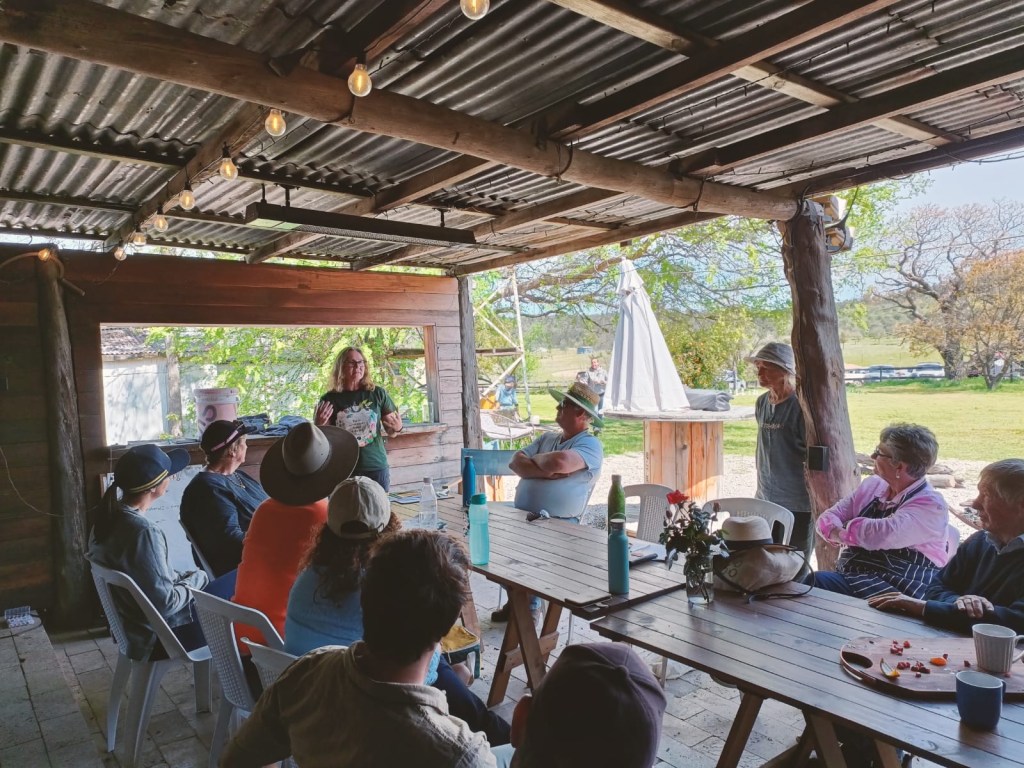
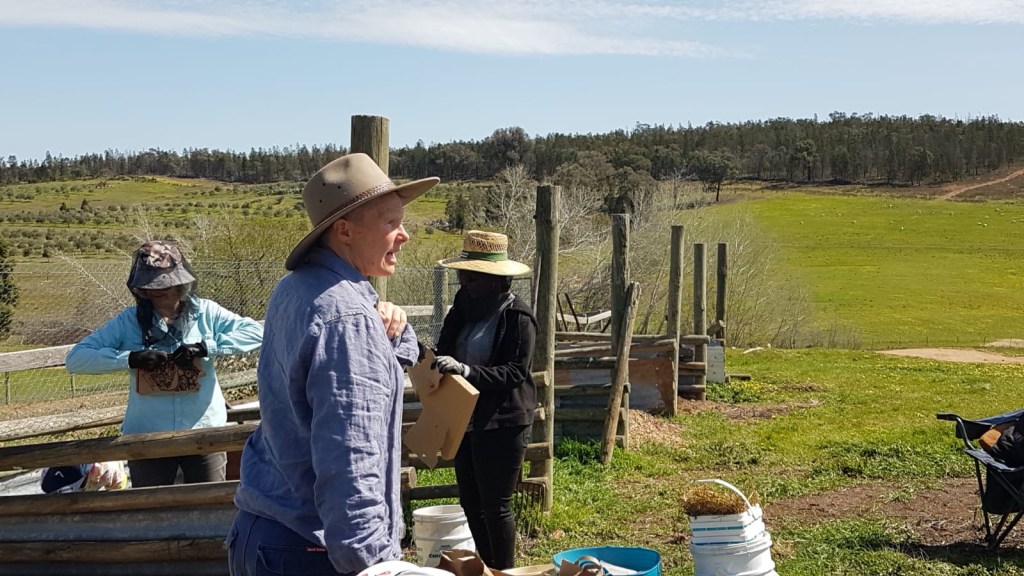
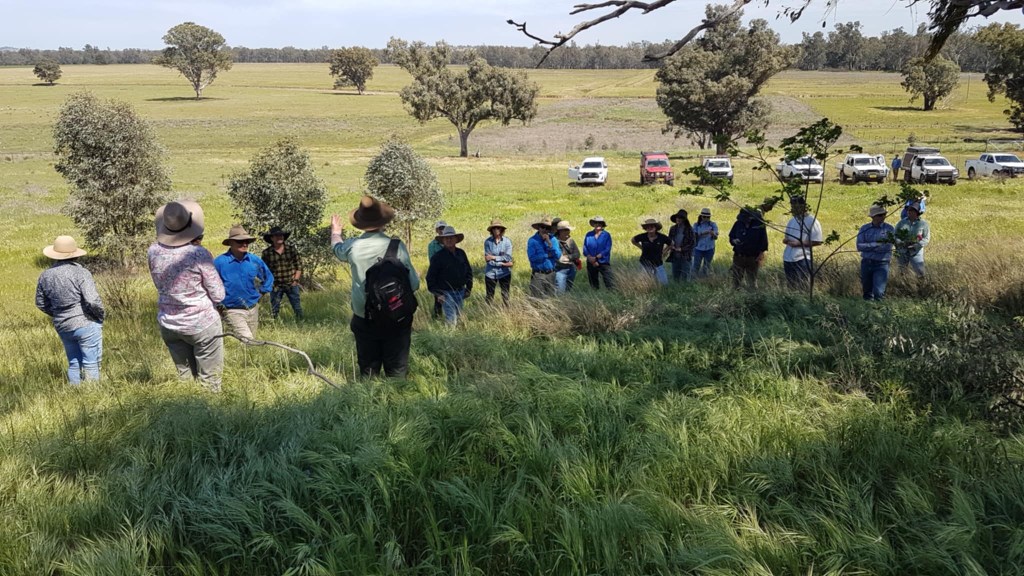
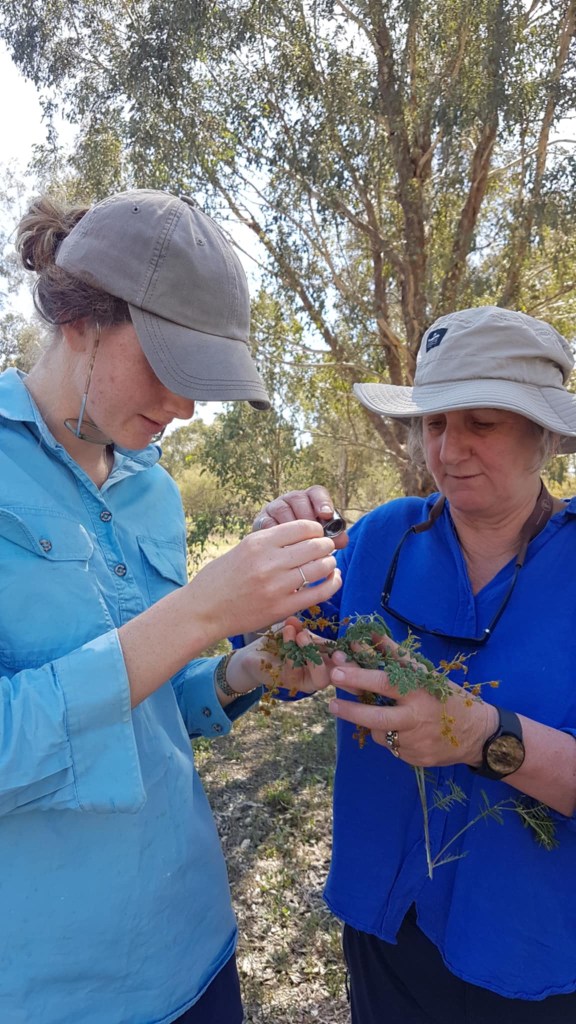
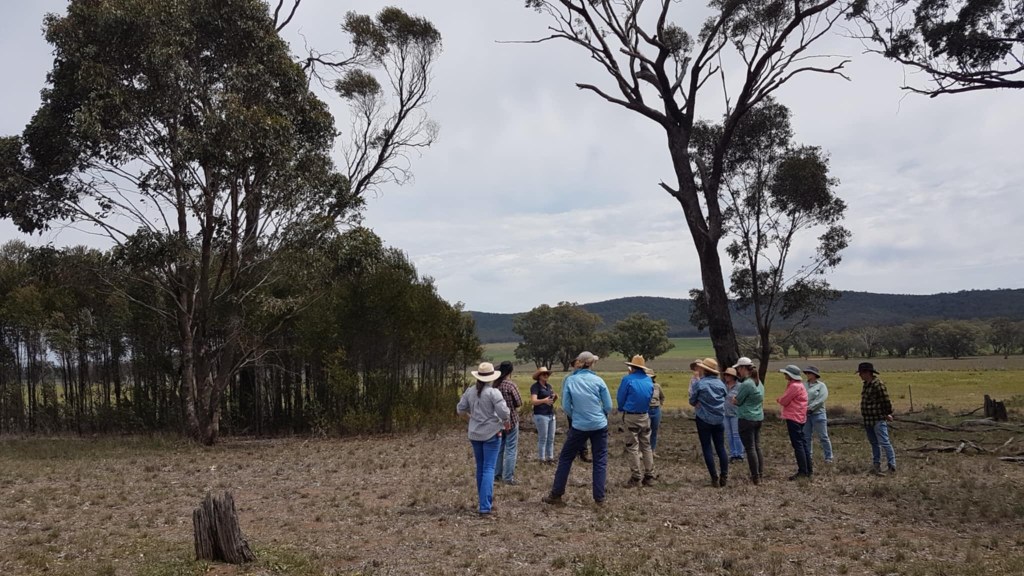
Fantastic day today with Central Tablelands Local Land Services and Eugowra Catchment Landcare learning all about plant ID with botanist Dan Clarke from Arcane Botanica.
I forgot to get pictures of most of the amazing things we found but did get this gorgeous Greenhood Orchid. (feel free to ID it for me)

Thanks so much to Tamara for organising and to Tim and Ash Wright who opened up their farm ‘Nanami’ for us all to experience.



Earth & Environment Science Tour with Hunter Valley Grammar School
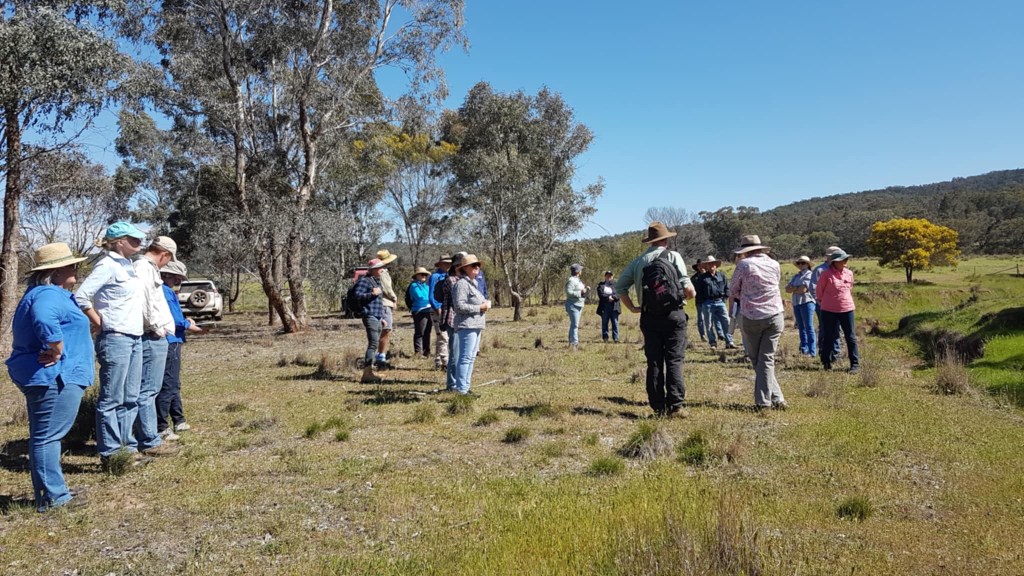
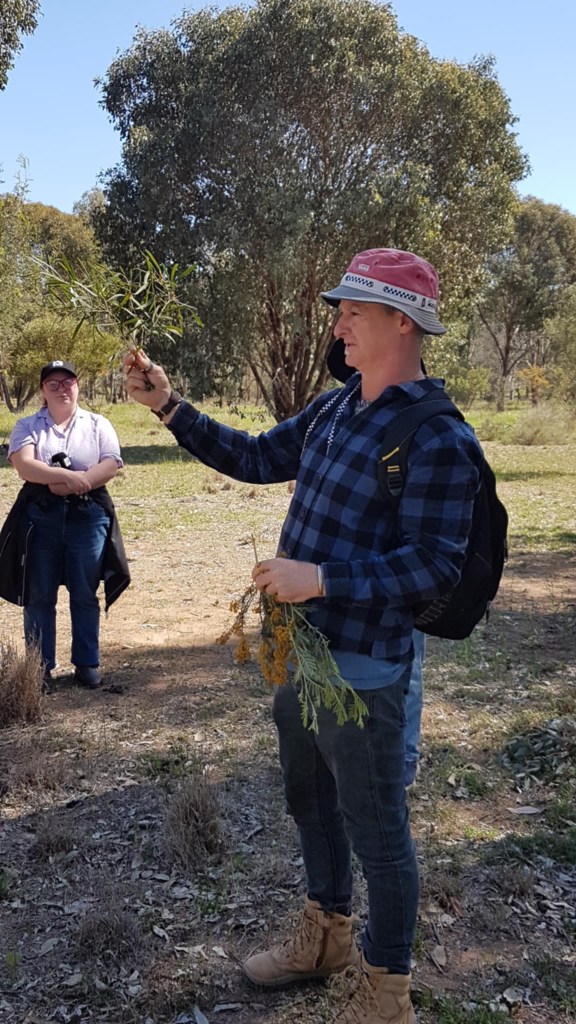
We had a wonderful afternoon with Hunter Valley Grammar School’s Earth & Environment Science students & their teachers.
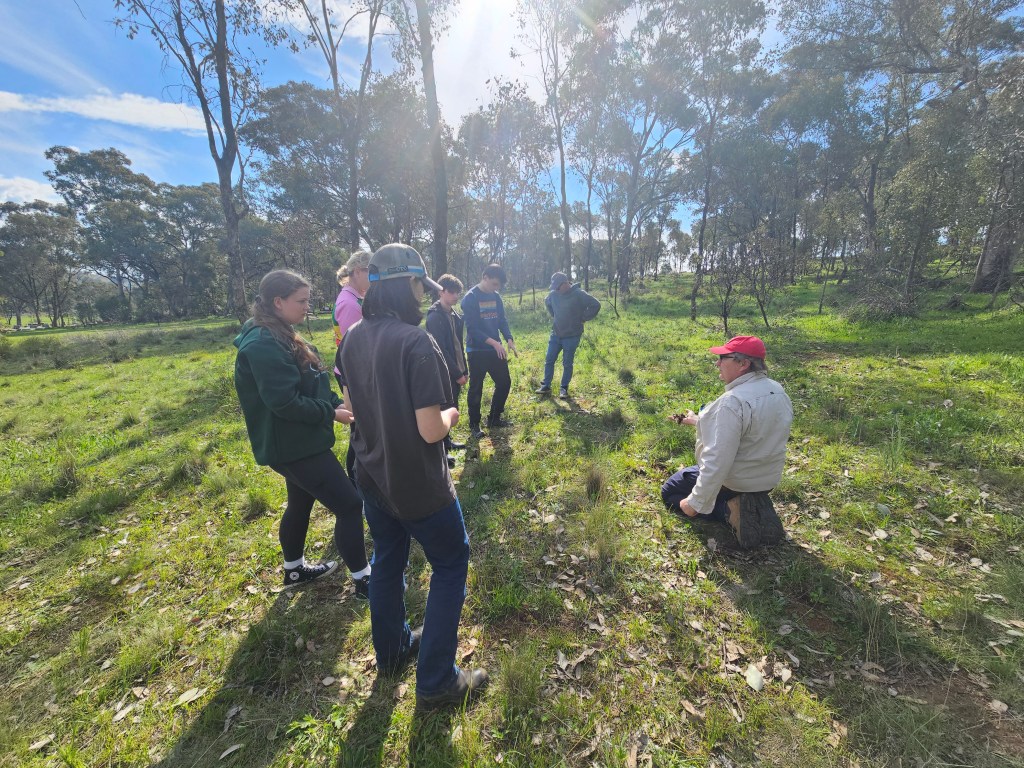
We started off in Canowindra at the Age of Fishes Museum & a surprise visit from a 2 week old poddy lamb which was very cute.
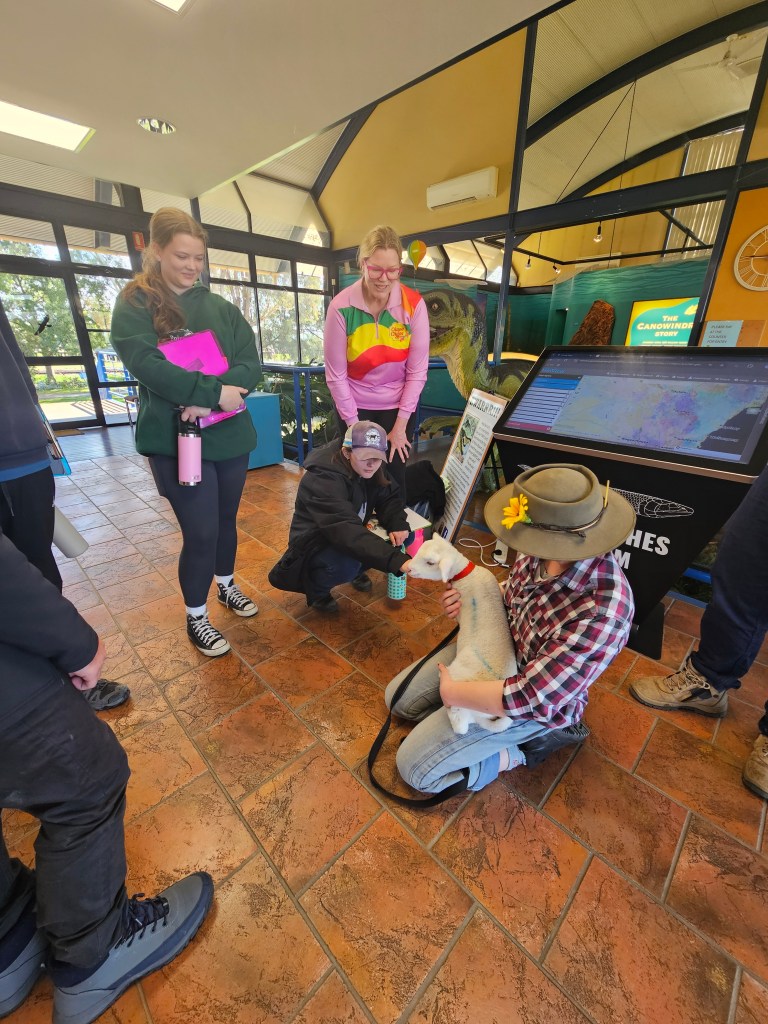
After a round of cuddles Andrew Wooldridge from the Department of Climate Change, Energy, Environment and Water gave the students a run down of the area’s fascinating and diverse geology using the NSW Governments MinView website.

We then drove to the lookout and from this high point Andrew utilised the 360 degree vista to facilitate an active discussion around how successive geological shifts have shaped both the landscape and successive generations of humans who have interact with it. Canowindra is ideally situated for discussions like this, being within view of Mount Canobolas in Orange, the the granite country surrounding the villages of Woodstock & Wyangala, the canola covered alluvial flats of Cowra and the National Parks of Conimbla and Nangar.

We had time for two more stops on our tour, in between which we discussed Landcare as an organisation and the specific work we do for the Mid Lachlan Community. Our team have projects that cover salinity monitoring and management decision making, erosion control, ecological restoration & ecologically informed farming practices. We were able to demonstrate much of that at a local farm and in particular showcase the role trees play in maintaining the health & vitality of a modern dryland agricultural business.
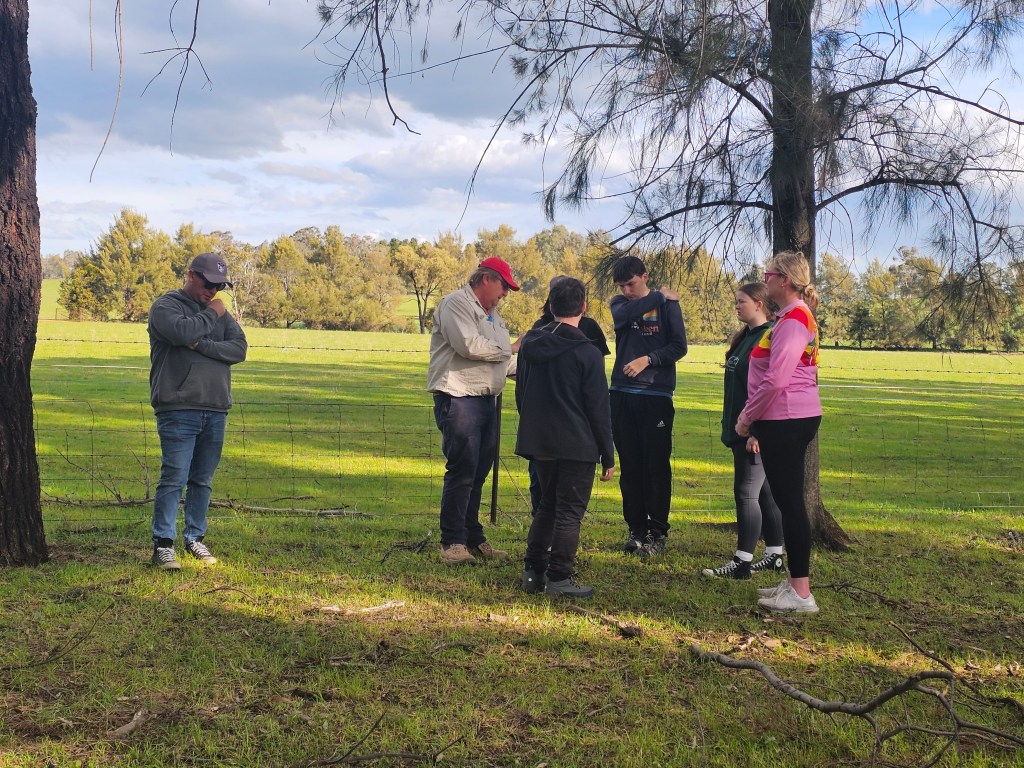
Finally, we chatted about the soil microbiology project we’d completed last year and how that was playing out & shaping decision making across our community. We were delighted to hear the school had decided to run their own microBIOMETER trials as part of the International Baccalaureate study program commencing shortly. We look forward to hearing how that goes and comparing notes next year!
Connecting to Country, Reviving our Rivers.
OZ Fish Unlimited and Landcare NSW have been working in partnership since 2020 to scale-up habitat restoration and improve the health of our waterways. While Mid Lachlan Landcare may have joined the party a little late, we’ve certainly made up for it over the last couple of months with a successful Carp Muster, a collaborative riparian restoration day with Little River Landcare in Cumnock to support the Purple Spotted Gudgeon & a Riparian restoration afternoon along the Belubula with Canowindra Gardening Club.
Inspired by that I recently took a holiday out to the Macquarie Marshes – If you look closely you’ll see cattle grazing in this paddock. Also if you turn up the volume you’ll hear the marshes frogs!
The view from the other side of the track.
and then onto the Brewarrina fish traps & Bourke where I got to sit under the shade of some of the largest River Red Gums (Eucalyptus camaldulensis) I’ve ever seen.
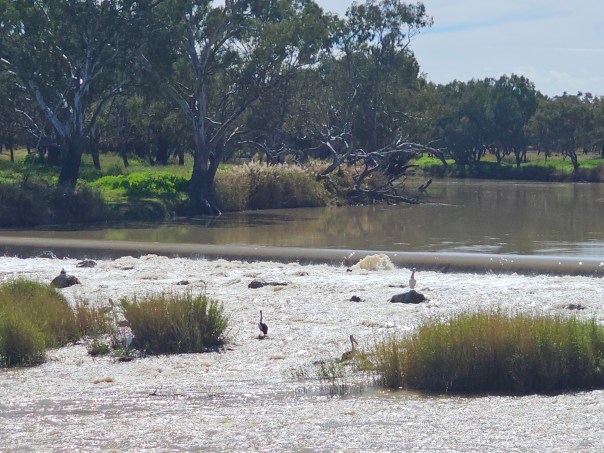

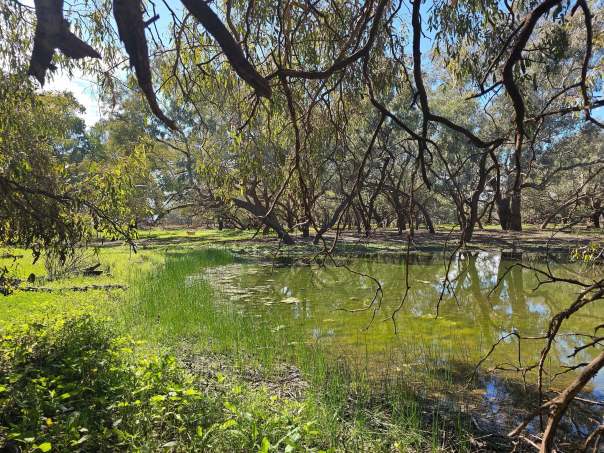
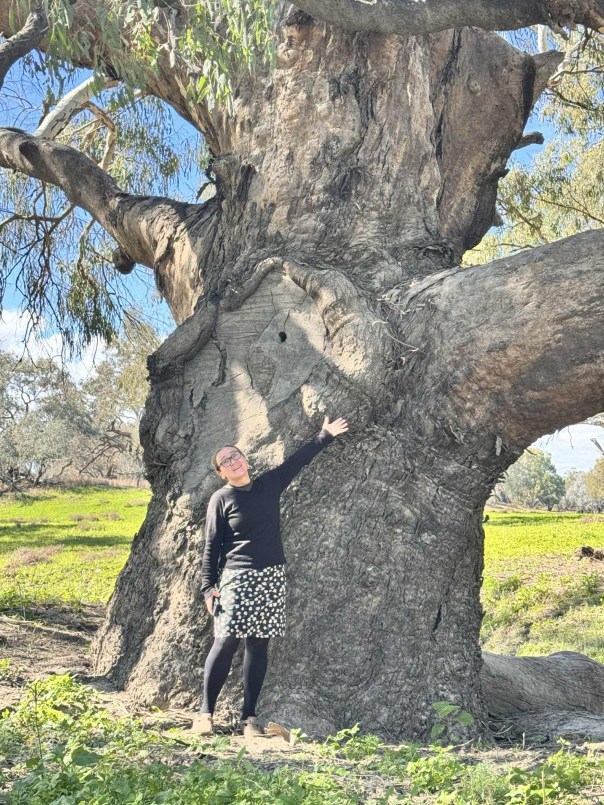
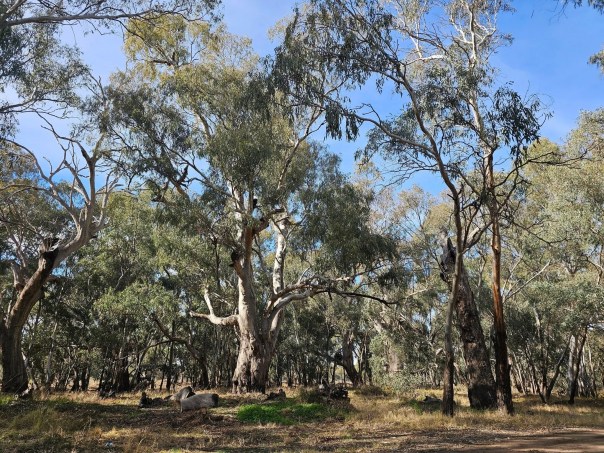
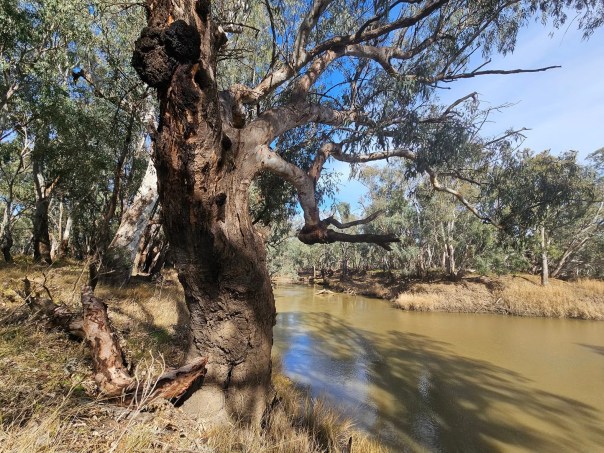

Coinciding with my outback adventure was a regional tour by Australian artist Dobby & the Sydney Youth Orchestra performing his latest masterpiece ‘Warrangu; River Story’. Do take some time to have a listen – you can find an introduction to it below and the whole album on Spotify.
After which, ask yourself am I the road back to the country or is the country the road back to me…
Citizen Science & Bogong Moth Tracking
Citizen Science: the collection and analysis of data relating to the natural world by members of the general public, typically as part of a collaborative project with professional scientists. Dictionary.com
Spring marks the start of the Bogong Moth migration as they move east from inland areas of South Queensland through to South Australia across to Alpine regions of the Great Dividing Range. The Mid Lachlan Region sits within their migratorary root and as such, it’s possible you might see some of these beauties, especially if you’re out camping of an evening. If you are lucky enough to be visited by the moths, take a moment to note your sighting on the Bogong Moth Tracking website. In doing that, you’ll be participating in a Citizen Science monitoring and mapping experiment to protect not just these beautiful moths but also the Mountains Pygmy Possom that depends on them for food. You’ll also be playing your part to ensure the human relationship to this migrationary event continues to connect us to country for years to come.
The Bogong Moth migration holds great importance for many Aboriginal people encompassing the Bundian way, a 365km pathway from the South Eastern coast of Australia to the highest point in Australia, Targangal (Mount Kosciuszko). I found the book below while visiting the Snowy Mountains and found it a beautifully inspiring read & a great way to really feel the importance of this migratory event.

Bounding Into Spring with our Grazing Group
Friday 29th August had us at Cooyong in Crowther for our ‘Bounding into Spring’ grazing group meet up. Cooyong is a 600 Ha mixed farming business consisting of a prime lamb operation using planned grazing management principles incorporating irrigation & fodder cropping.
Forage and fodder crops include forage sorghum, pennisetum, millet, lablab, cowpeas, soybeans, grain sorghum and maize. NSW Dept Primary Industries
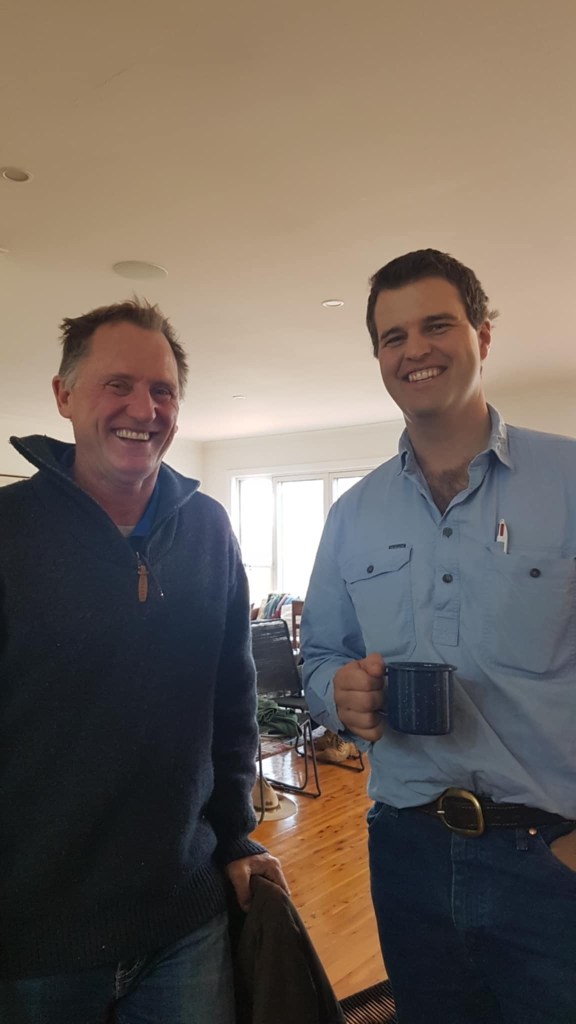
Our grazing group leader Scott Hickman welcomed us to the event and introduced everyone to new recruit Tom (pictured below) who’ll be leading the charge in engaging with those looking to start their careers in this area with a particular focus on younger graziers. Do get in touch with us if this appeals to you.

Kicking off the day was District LLS vet Emilee Johnstone who not only answered all our animal health questions but also shed insights on emerging opportunities and threats from her research on animal nutrition and grazing rotations. Local Land Services have great resources online covering Ewe nutrition &Parasites.
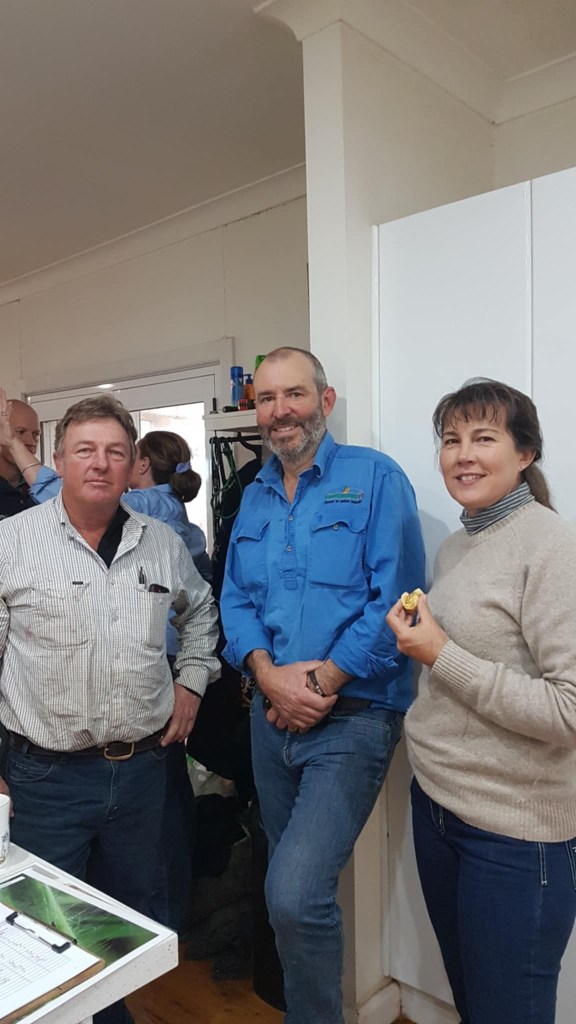
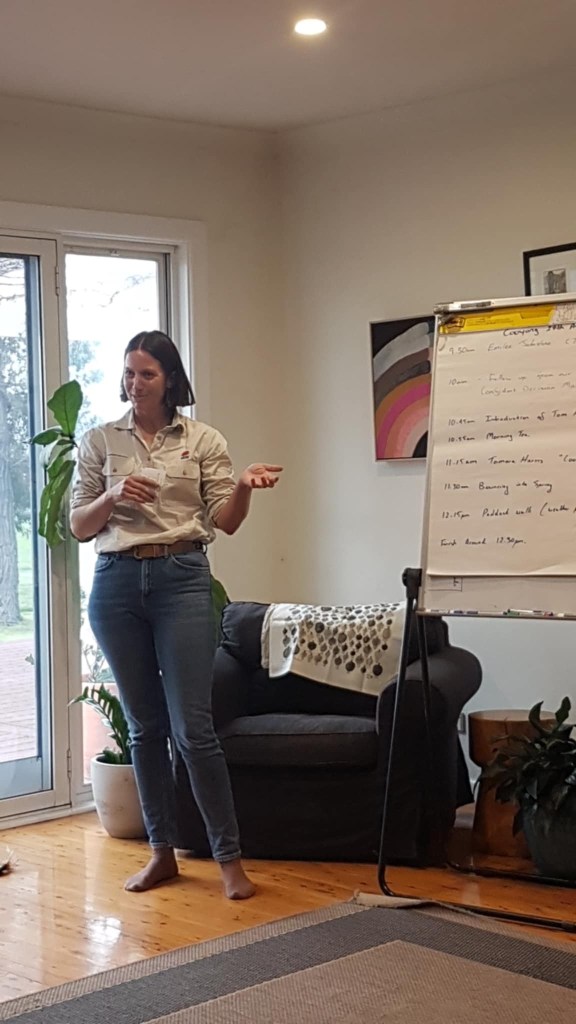

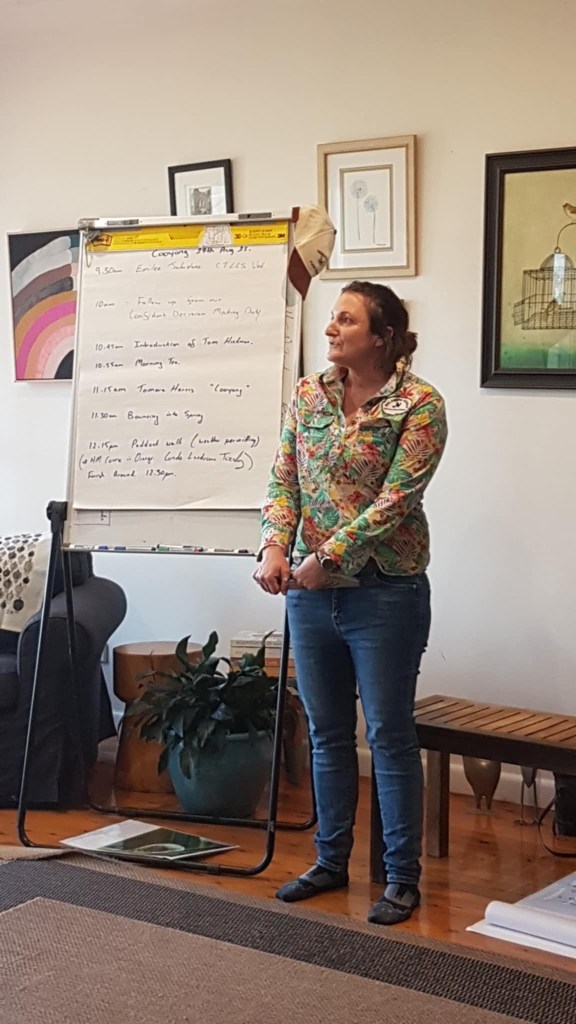
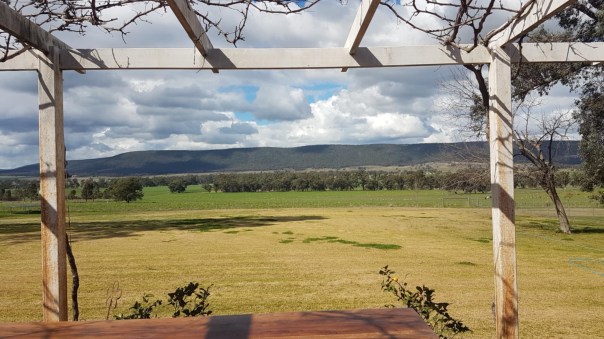
Host Tamara Harris talked about how she and her husband set up their farming operation to work around two full-time off-farm jobs plus a young family. Good fencing & prompt maintenence was identified as an essential element of this style of farming along with technology such as remote controlled water troughs & Maia Grazing. These infrastructure & software investments have payed dividends over the recent years and reduced day-to-day management stress.
During the day we took the opportunity to share how we’d each travelled through winter before sharing our plans for spring – the result being a mood of cautious optimism albeit with the usual caveats over factors out of our control.
Finally we heard from Leonie Coleman, Senior Land Services Officer (NRM) about her Natural Capital farm planning project & how these reports are being utilised to help demystify Natural Capital Markets & guide decision making. It was also interesting to hear how individuals have used their farm’s assessment to help market the products they produce and even the property itself. Some have also found it helpful in attracting funding, securing loans to help grow their businesses & even succession planning.
After a quick cuppa we headed out to the paddocks for a poke around and check out the roots on some chickory, plantain and phalaris. These paddocks had been heavily cropped before being grazed.
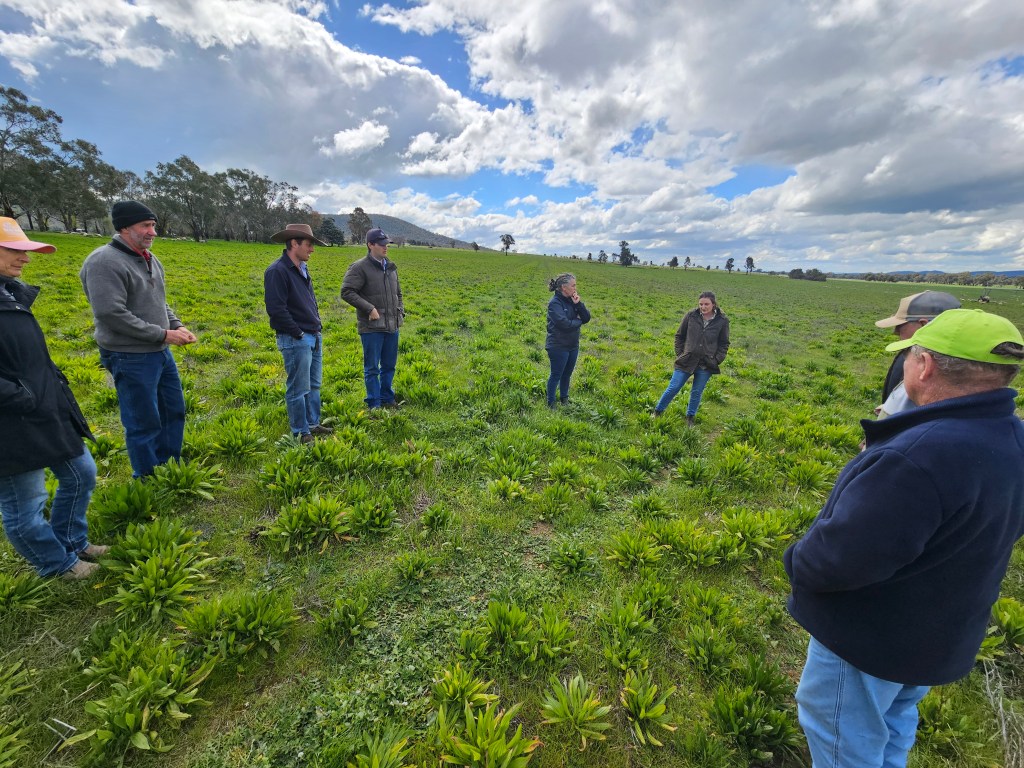
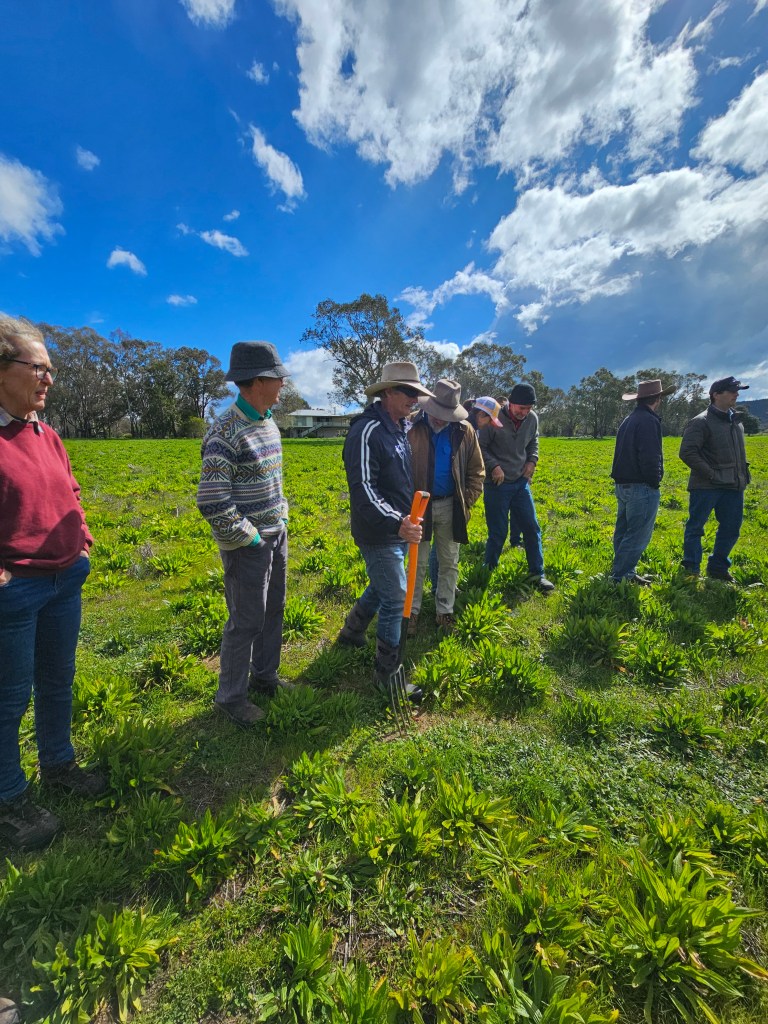
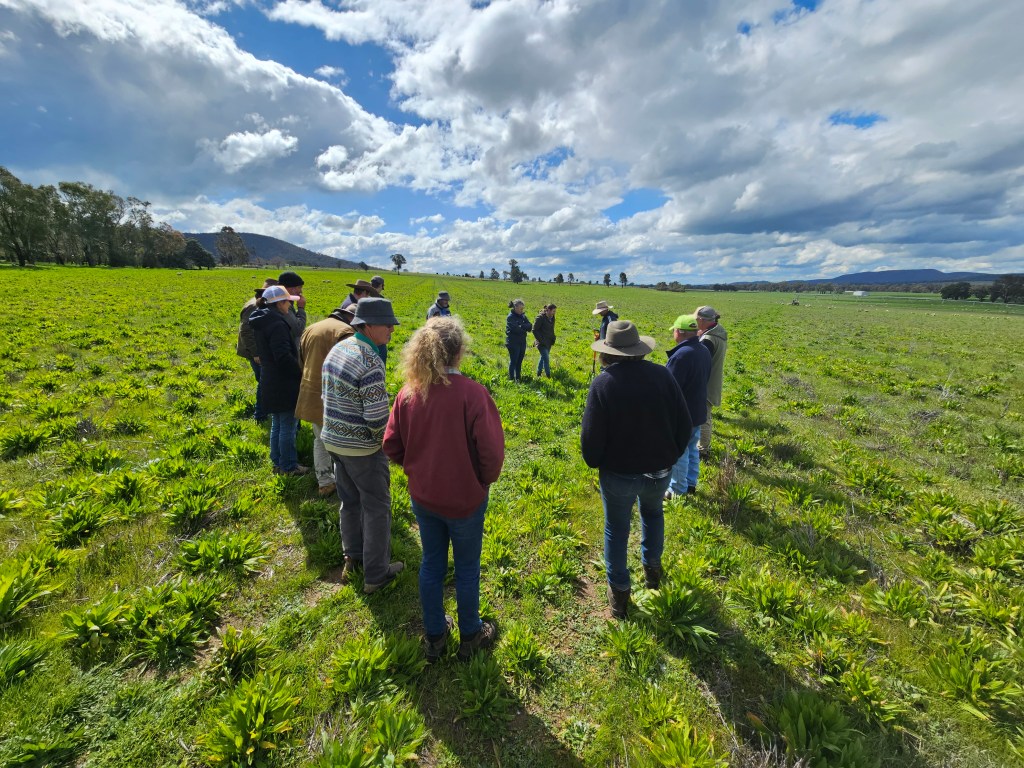
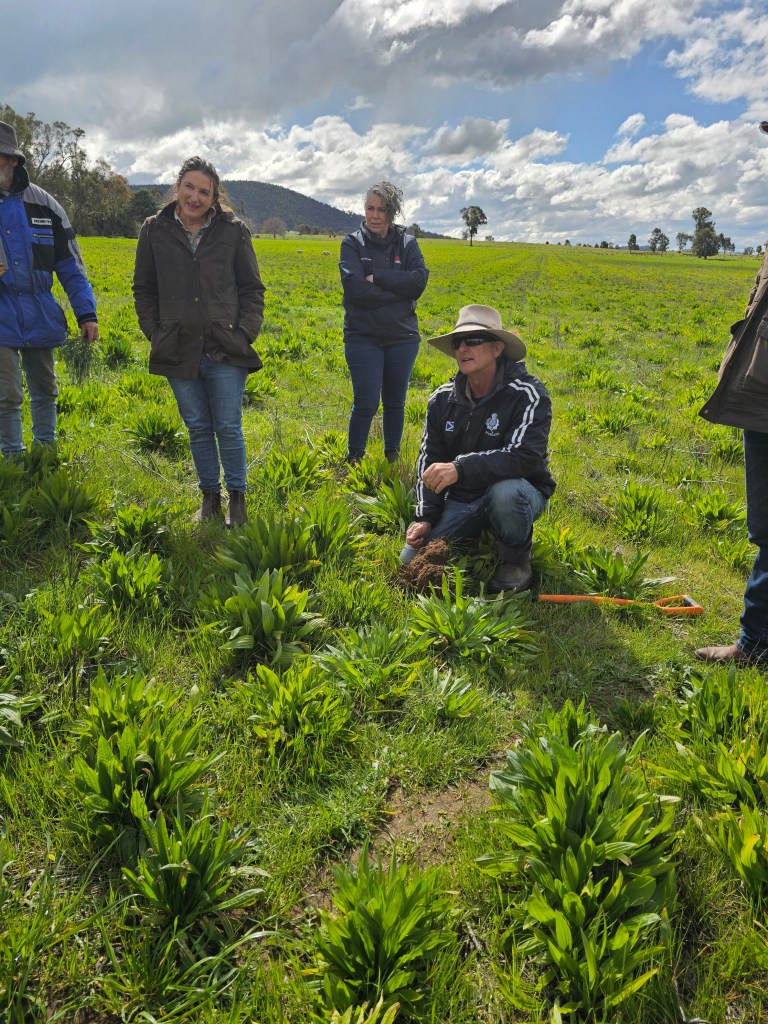
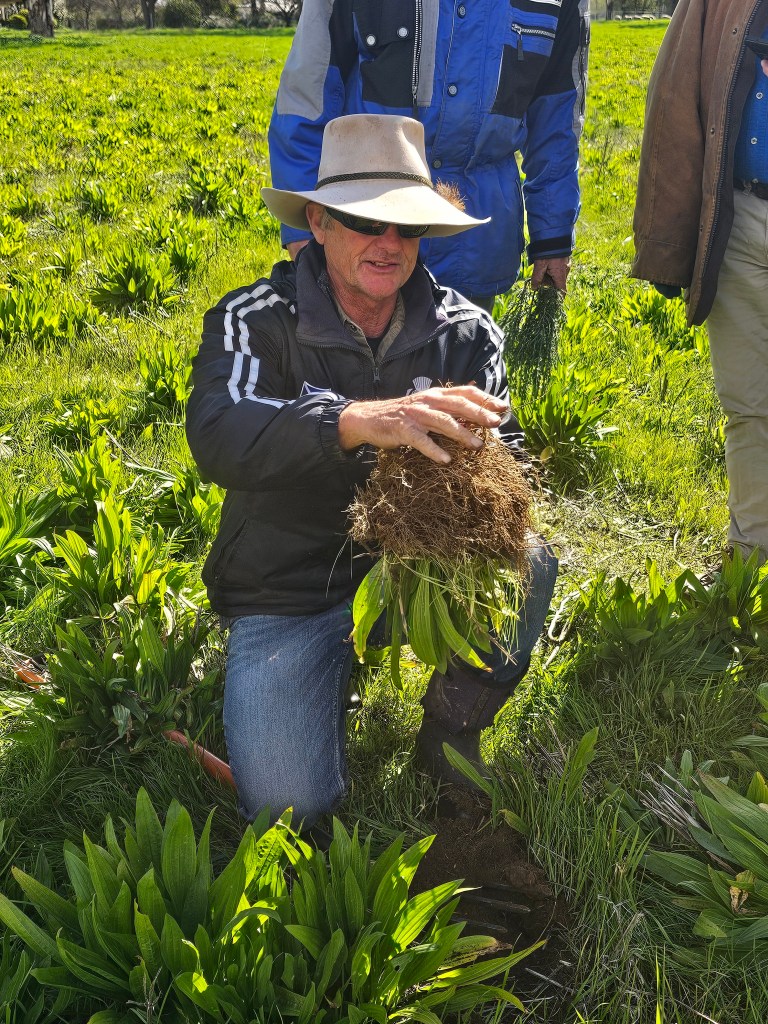
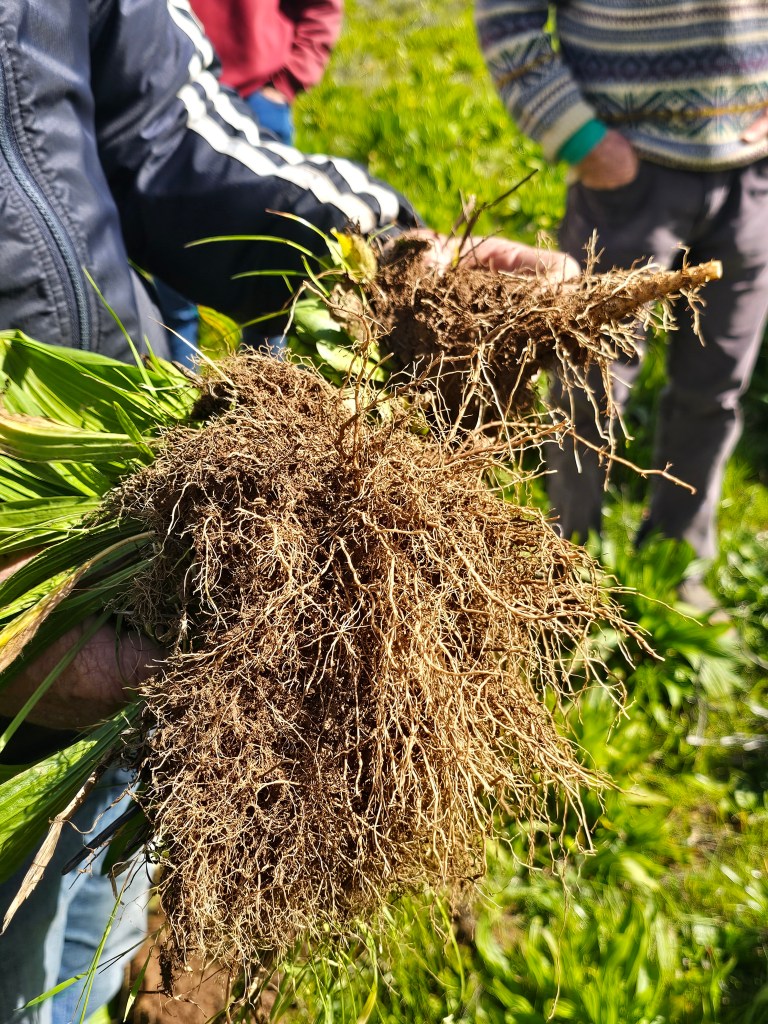
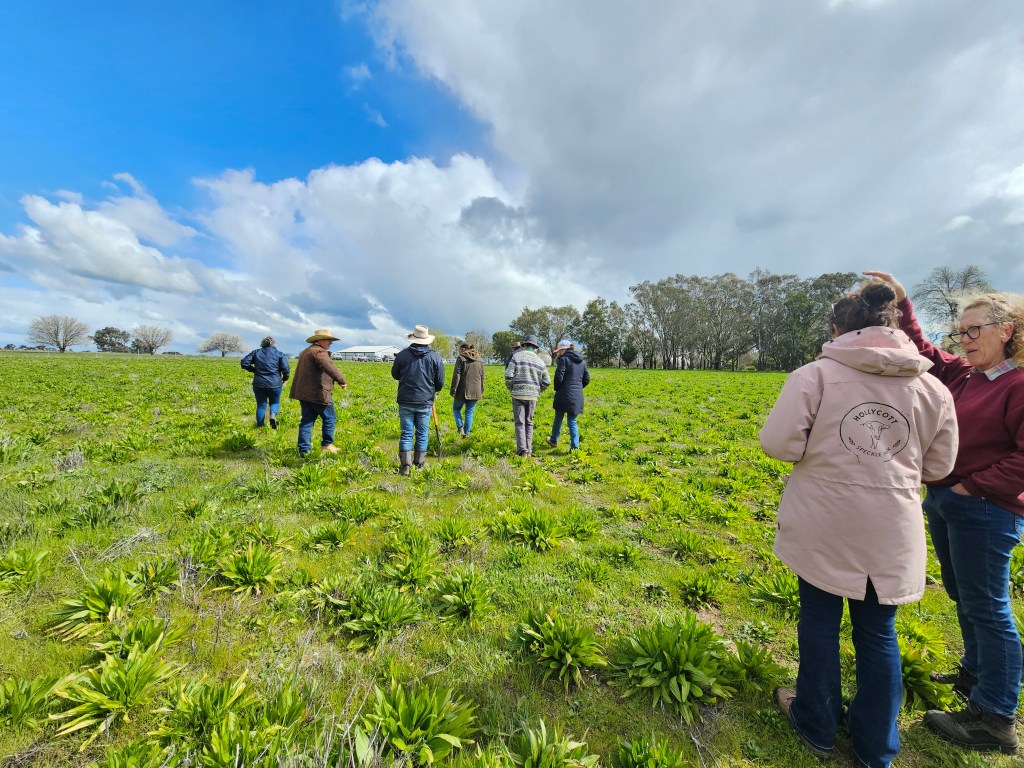

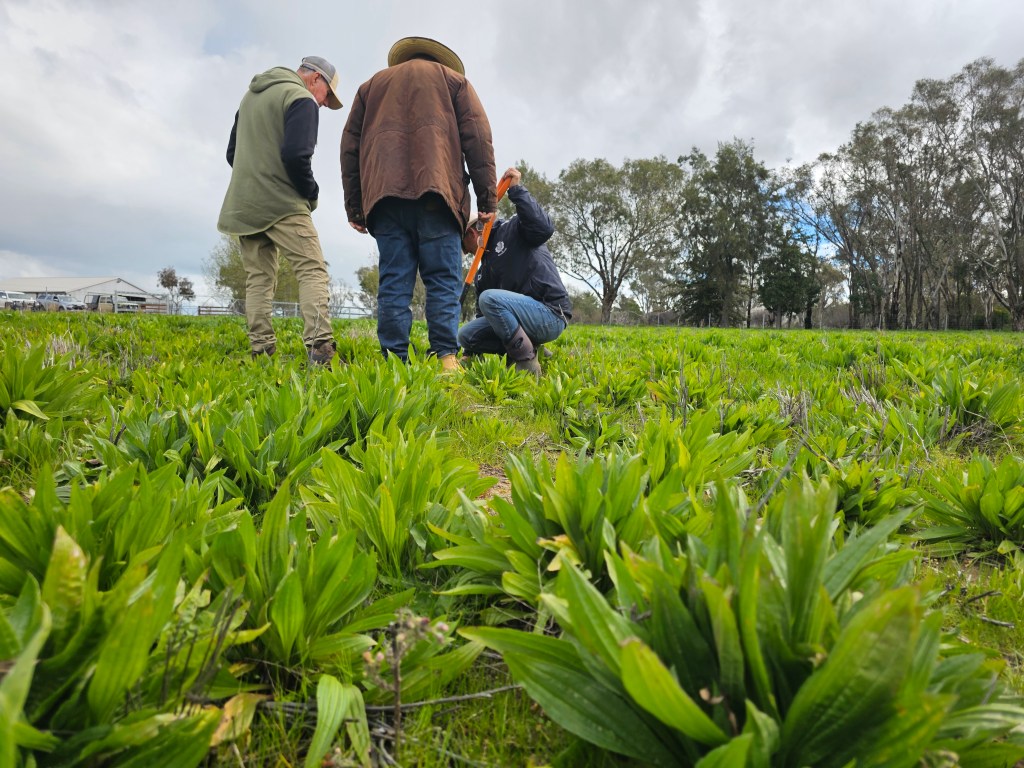
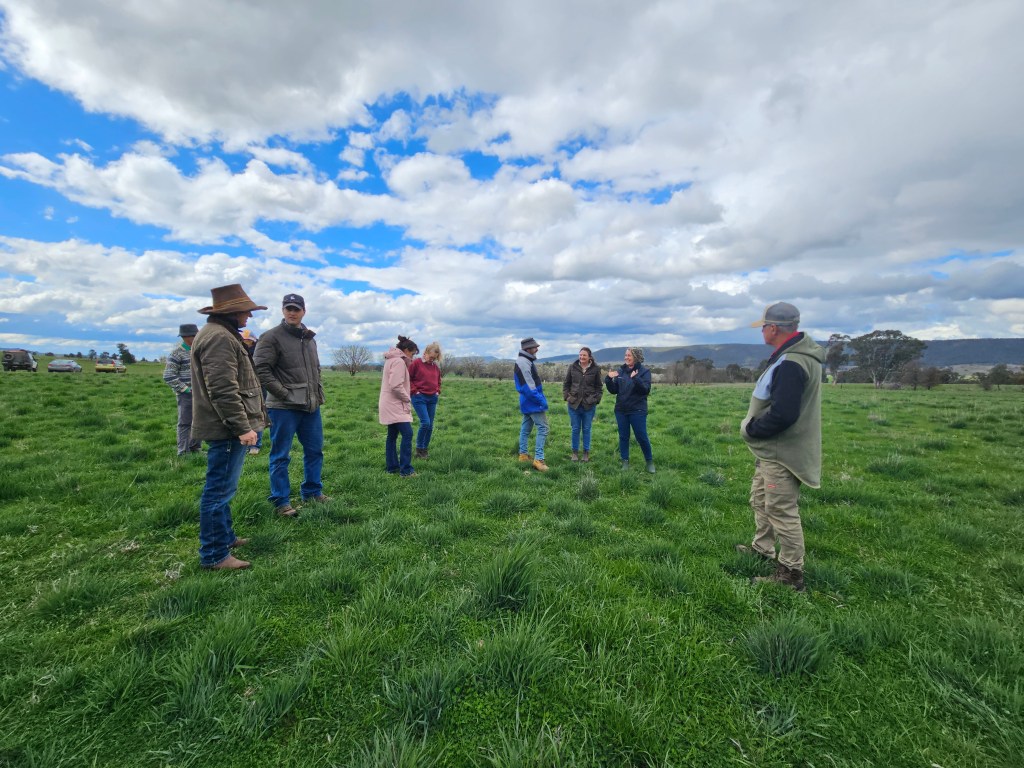
Points of note from the day included:
- Look out for pulpy kidney in sheep this seasion. This can quickly become a problem when the diet changes too quickly. Maintaining rumen health is key.
- Barbers Pole is a parasite to be alert to.
- Cattle can be used to clean up a paddock and reduce parasite burden on sheep as most worms are found in the first 5cm of grass.
- Fluke could be an emerging problem in wet paddocks.
- Tamara has fenced off her dams to take the pressure off them and improve their ecological value and function.
- Supplimenting cattle with Cotton seed worked well for one of our members
- Members noticed that grass was growing faster where grazed – the Golden Hoof!
- Add Kangaroo’s to your grazing chart when grass budgeting.
- Consider your relationship with agistment early – will you do it, will you offer it. It’s a relationship business that works best if planning proceeds need.
- The Farming Forecaster App was mentioned as a useful tool for understanding soil moisture across the region.
- Cibo Labs Pasture Key was also mentioned as a useful feed budgeting and management tool.
- Confinement feeding was discussed as being ‘multi-purpose’ including in times of drought, bush fire, quaranteen for sick stock and for paddock recovery.
- Local Land Services Natural Capital Farm Report was designed to help you understand what questions to ask aggrigators and providers (such as carbon accounting & off-setting) before you sign up. It’s since been found helpful for many more elements of farm planning.
Our grazing group meet-ups are open for everyone with an interest in livestock and a passion for soil & environmental health. We’ll be holding another meet-up later in the year so watch this space or get in touch to be added to our mailing list.
Glossies at Gooloogong Public School
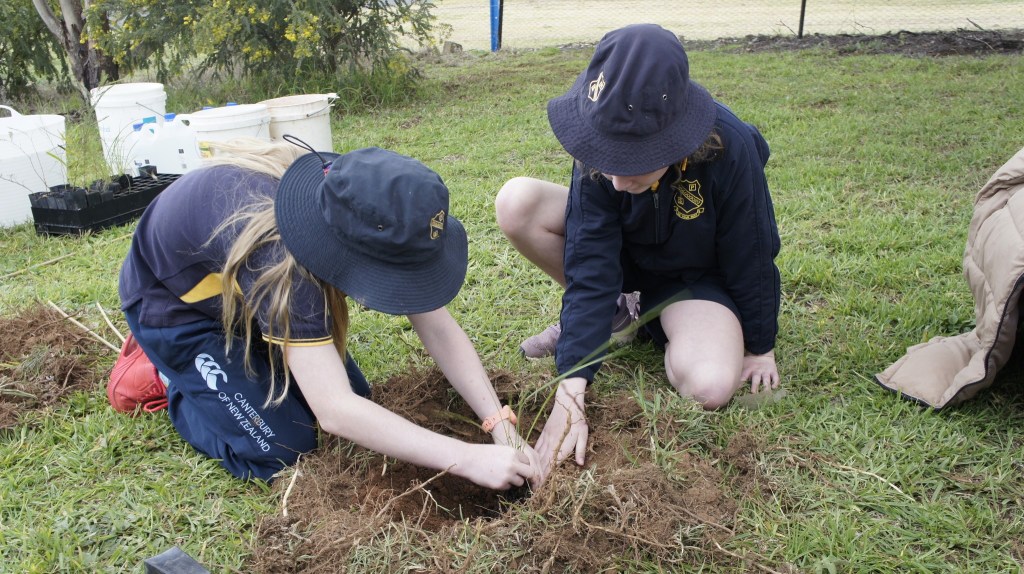
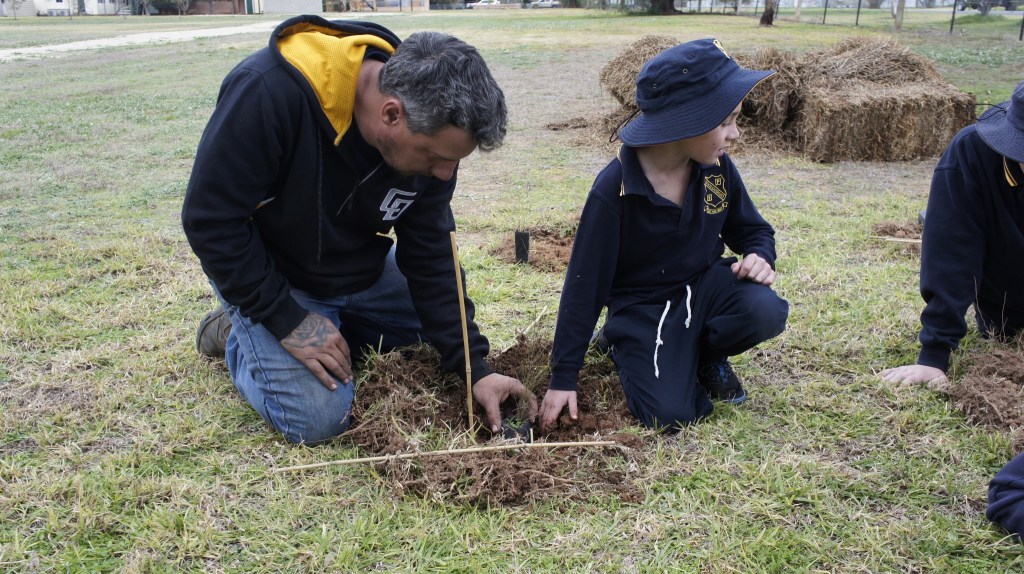
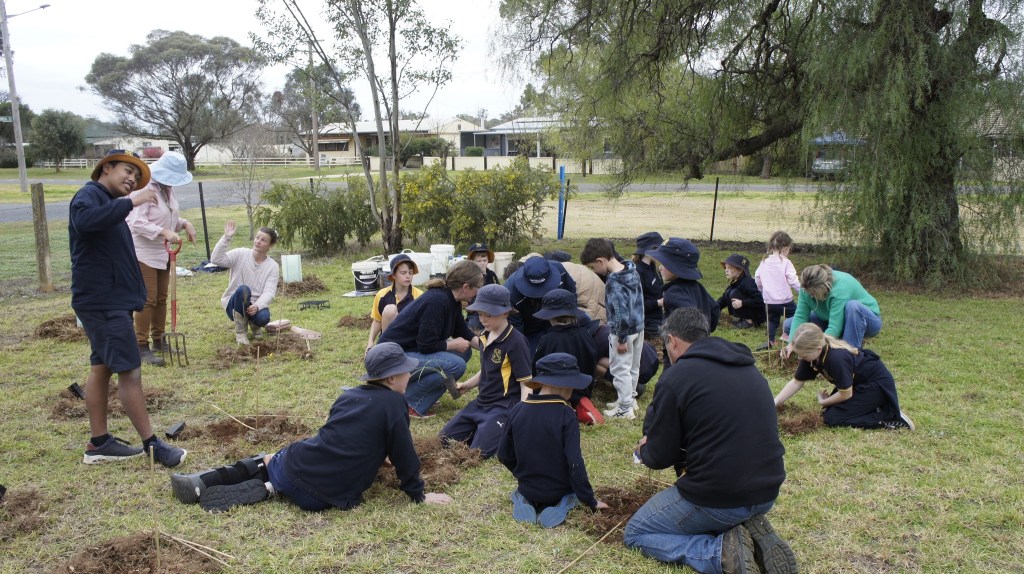
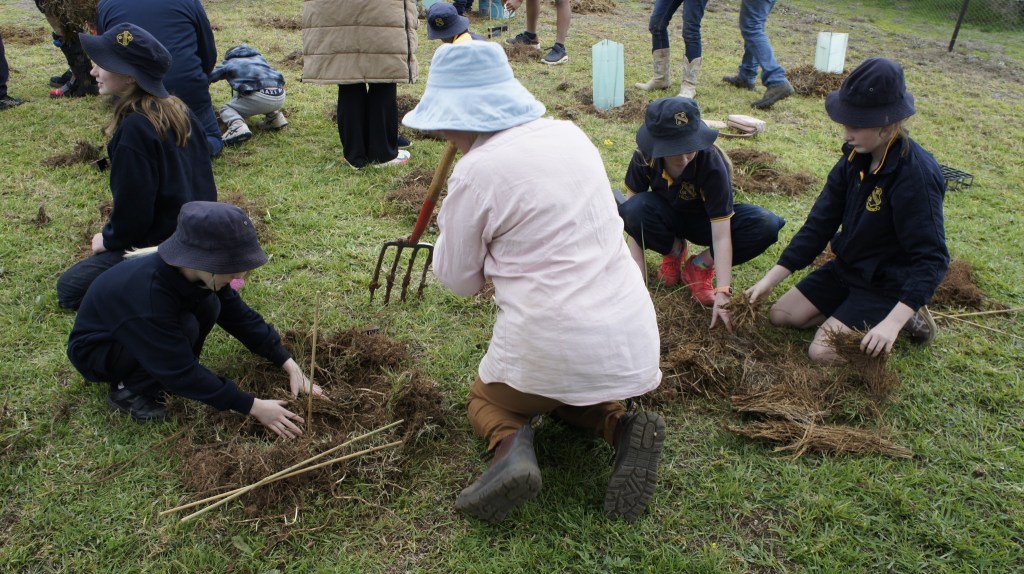
Our last Glossy Black Cockatoo planting event of this round of funding took place at Gooloogong Public School earlier this month.
Under the guidance of Kangarooby Landcare’s Ruth Workman, a willing team of students along with their teachers and parents, got stuck into some serious planting in the corner of their school’s playing field.
Glossies and known to frequent this area as they make their way in and out of the Conimbla and Nangar National Parks and with any luck, one day they will be able to take a rest and grab a bite to eat out here in the company of future students.
Together we planted about 28 plots which included some She Oaks (feed trees) plus acacia’s and Lomandra grasses. These are joined by mature she oaks, gum trees, acacias and other understory species surrounding the school.
Every little helps.



 Mid Lachlan Landcare