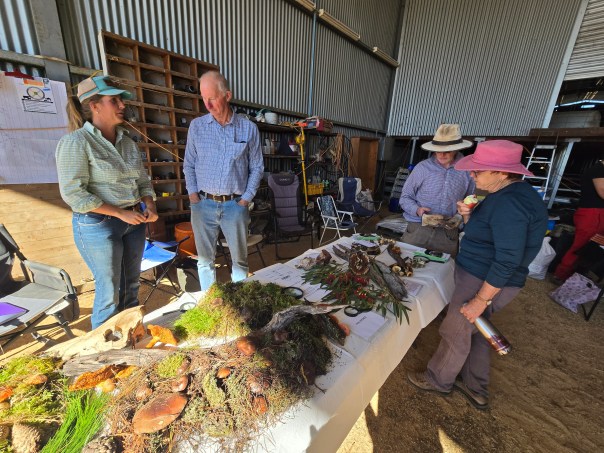
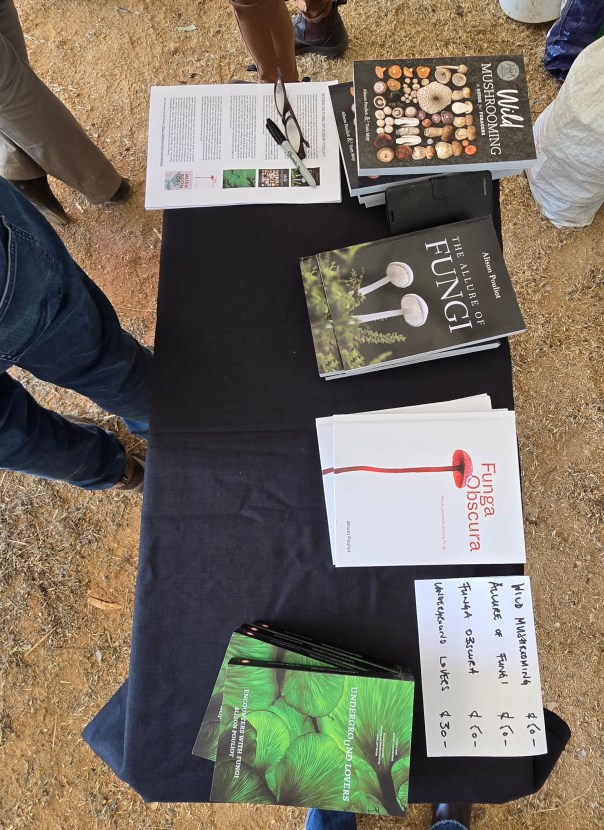
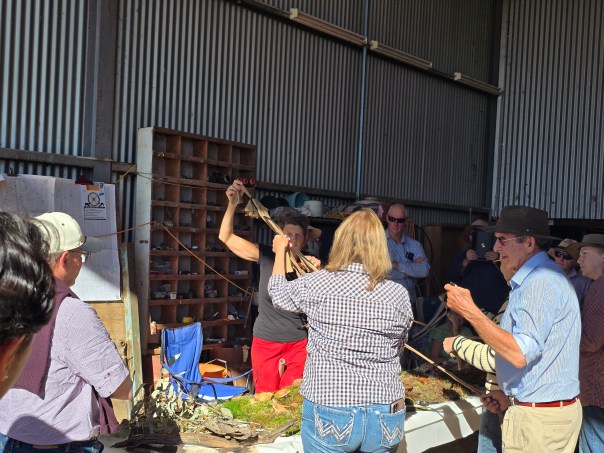
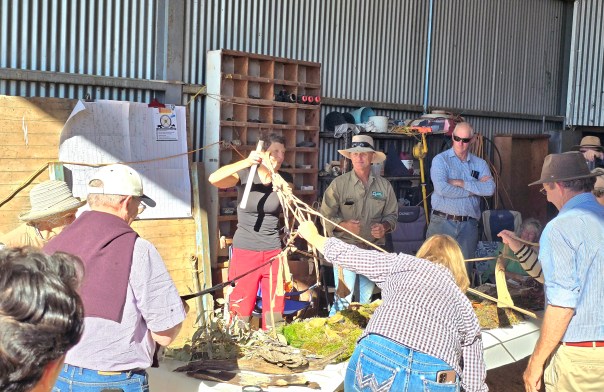
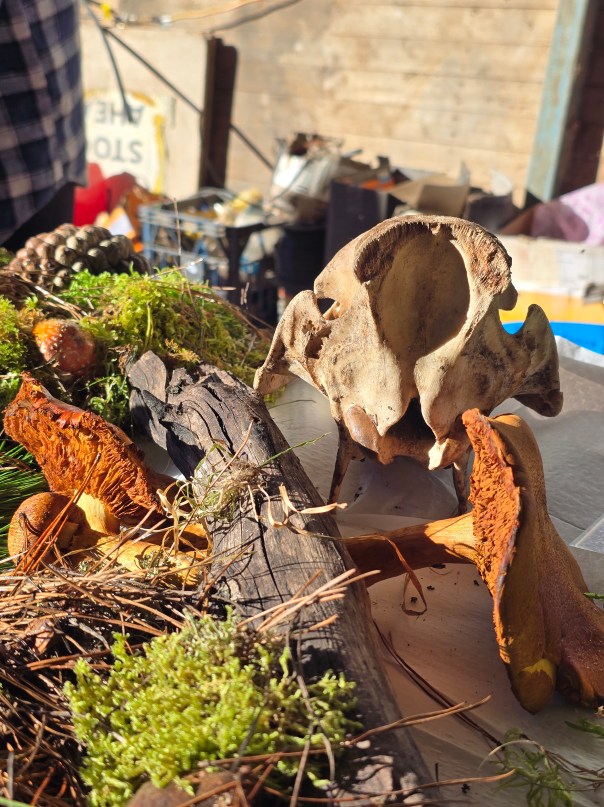
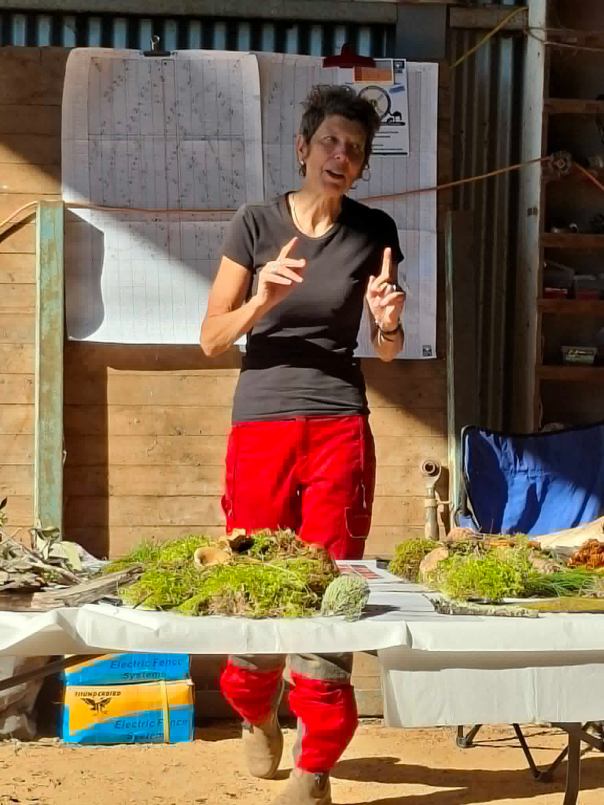
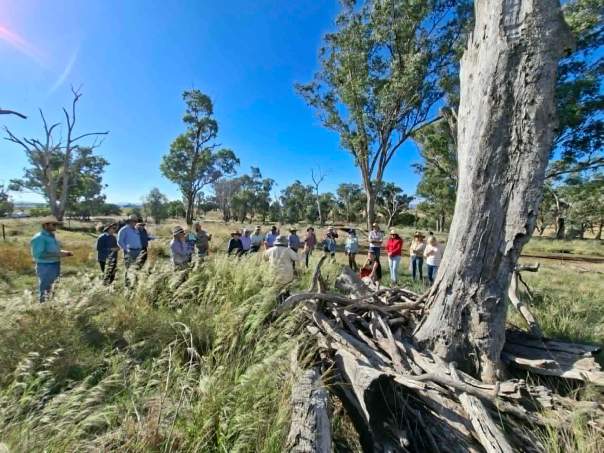
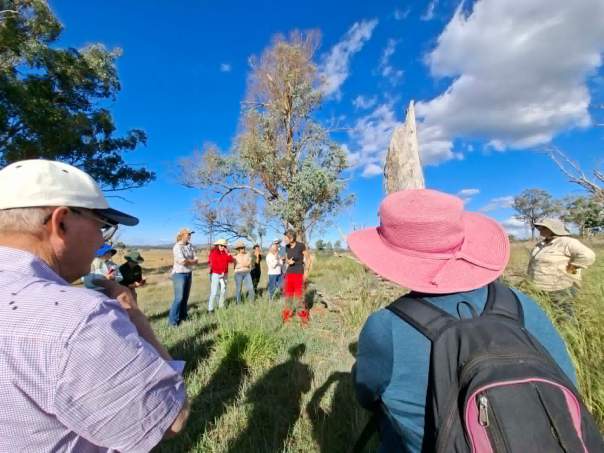
We kicked off Mycology May with a fabulous day with our ‘Growing the Grazing Revolution’ crew at Garrallan in Cowra. It had been quite dry in the lead up to our event so mushrooms were in short supply out in the paddocks. Never mind though as Alison came prepared with a few beautiful specimins for us to explore and discuss.
Working with a farm’s natural soil biology makes so much sense. Microbes in soil act like a chemical factory, delivering what’s needed to crops, native grasses, shrubs and trees. Mycelium networks are just one of a number of ways that nutrients are shared and life preserved across an ecosystem. How to keep that underground network healthy and functional was the main topic of discussion for this session.
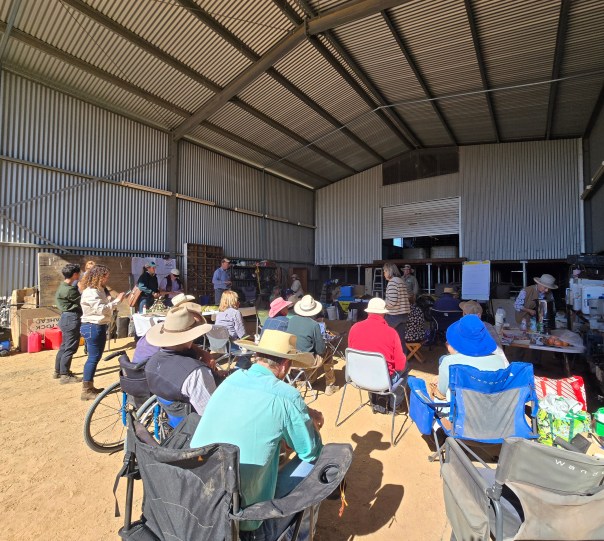
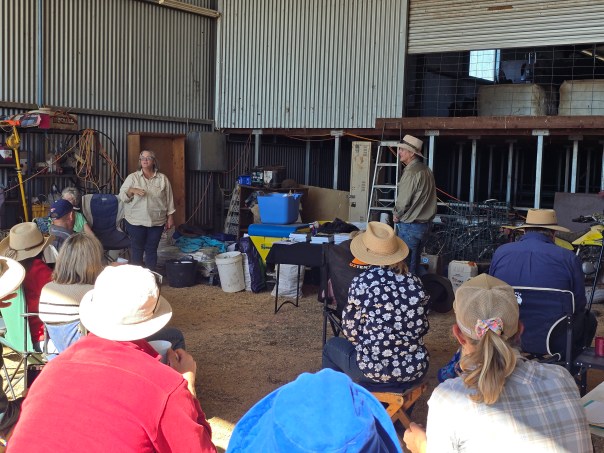
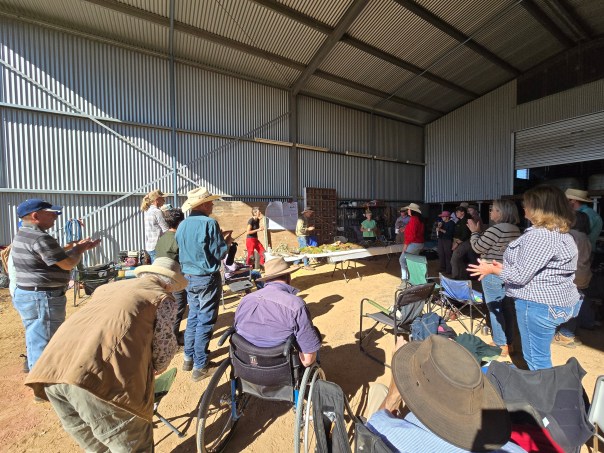
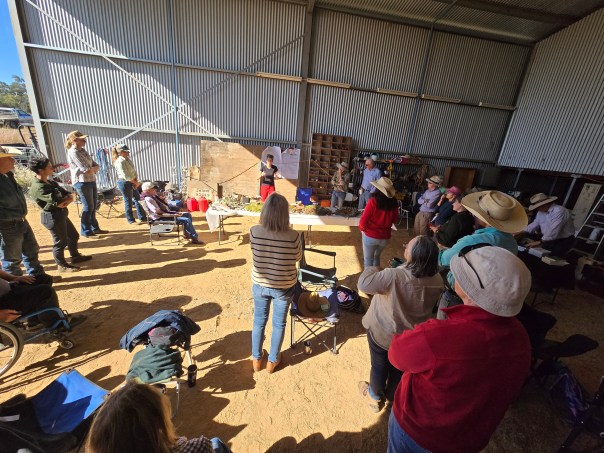
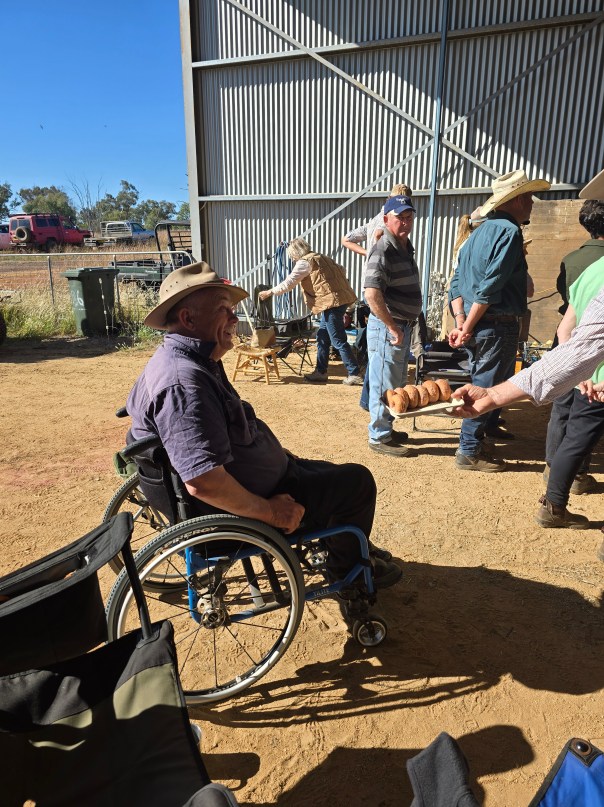
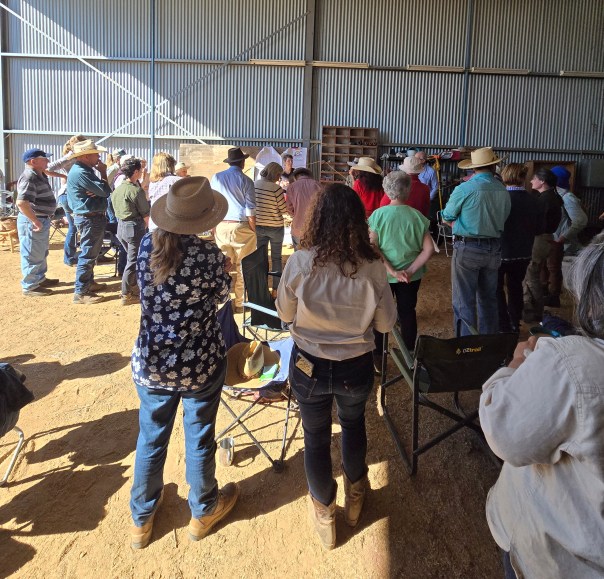
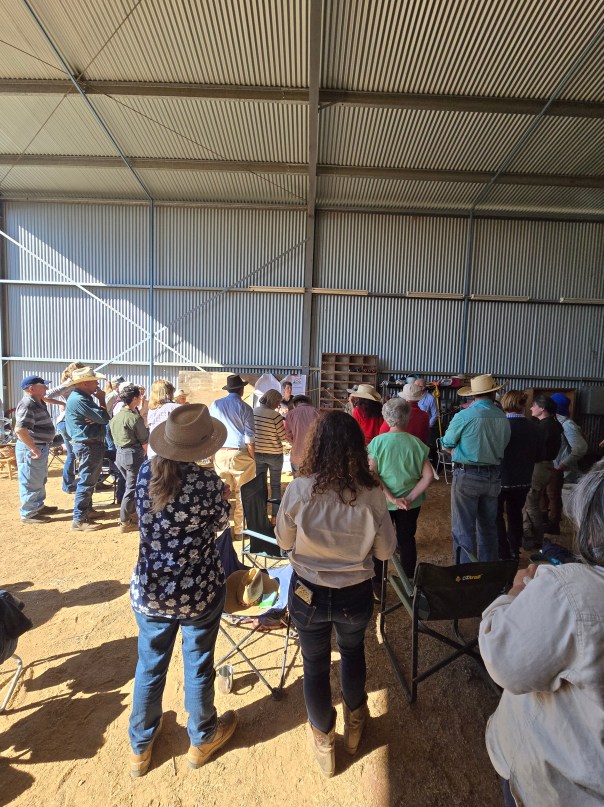
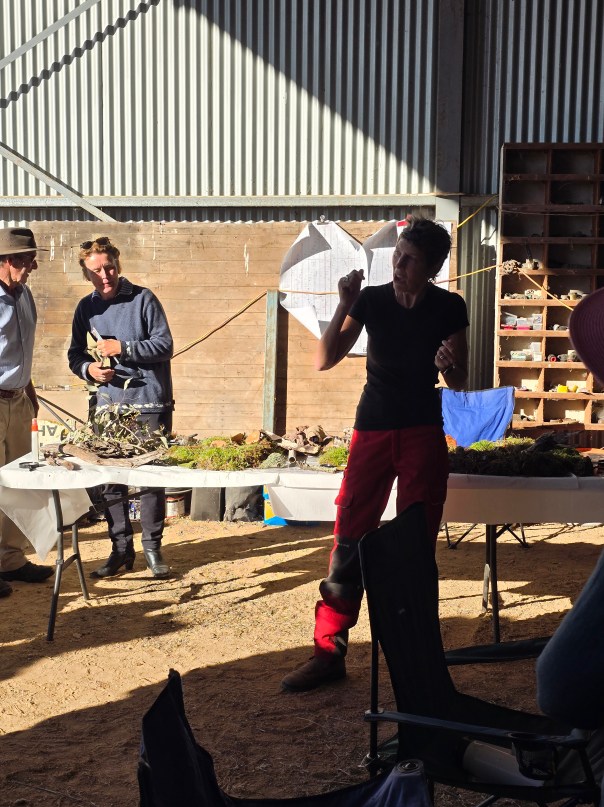
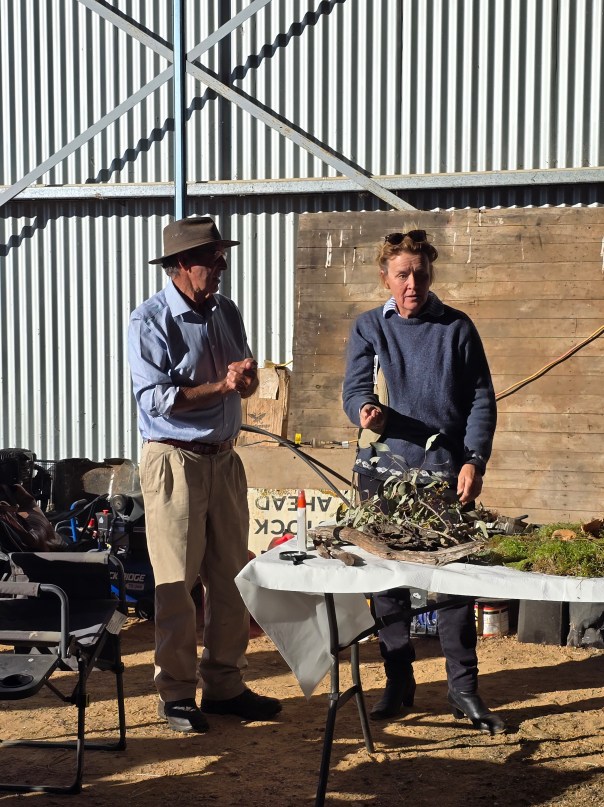
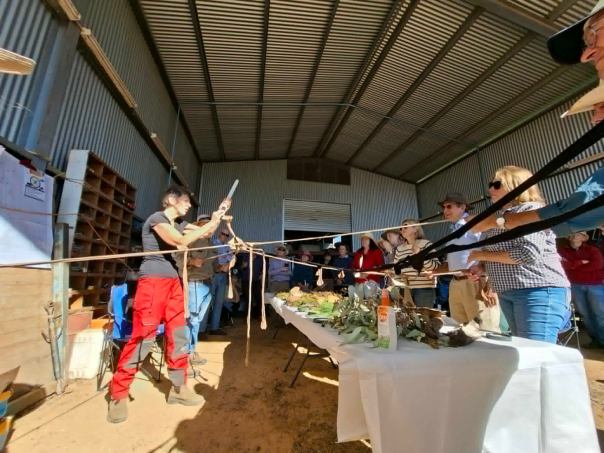
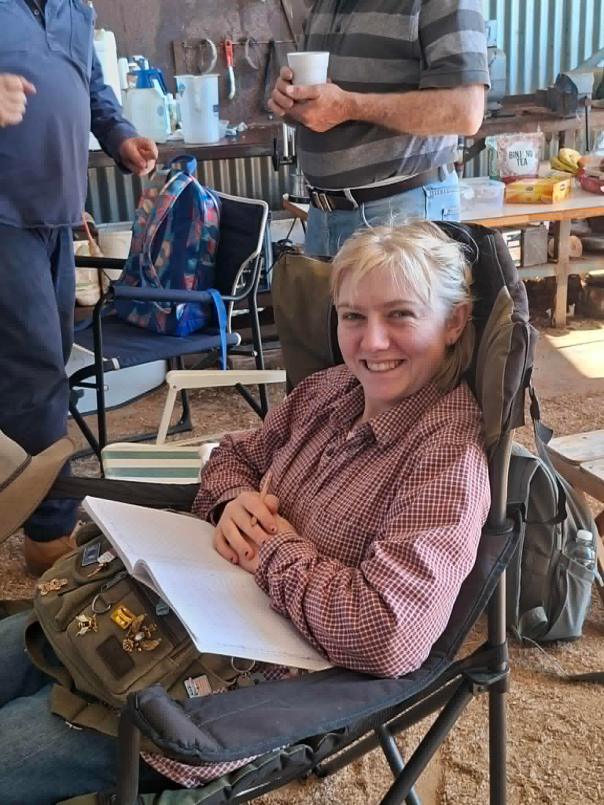
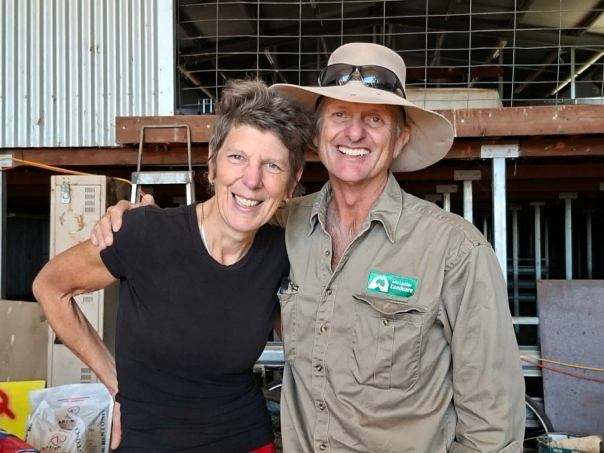
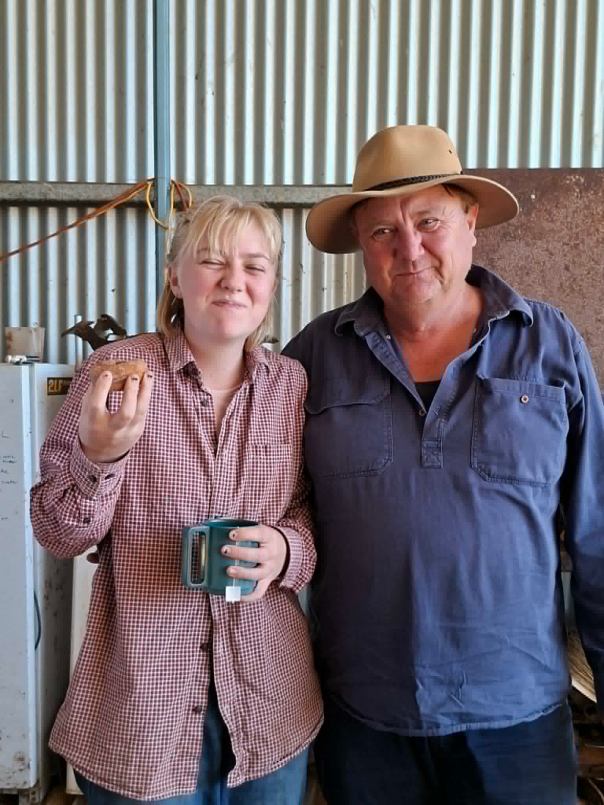
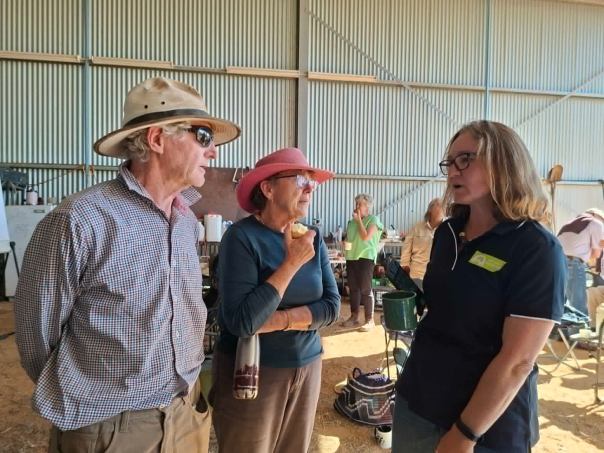
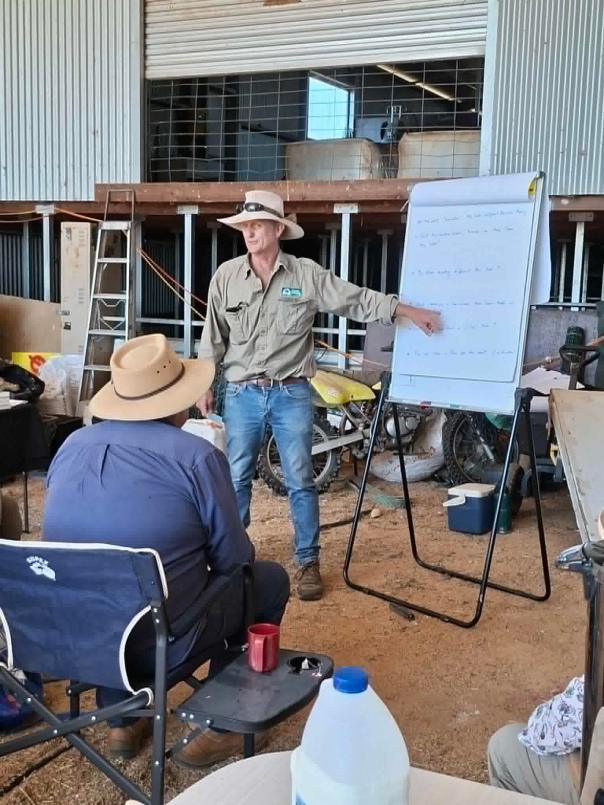
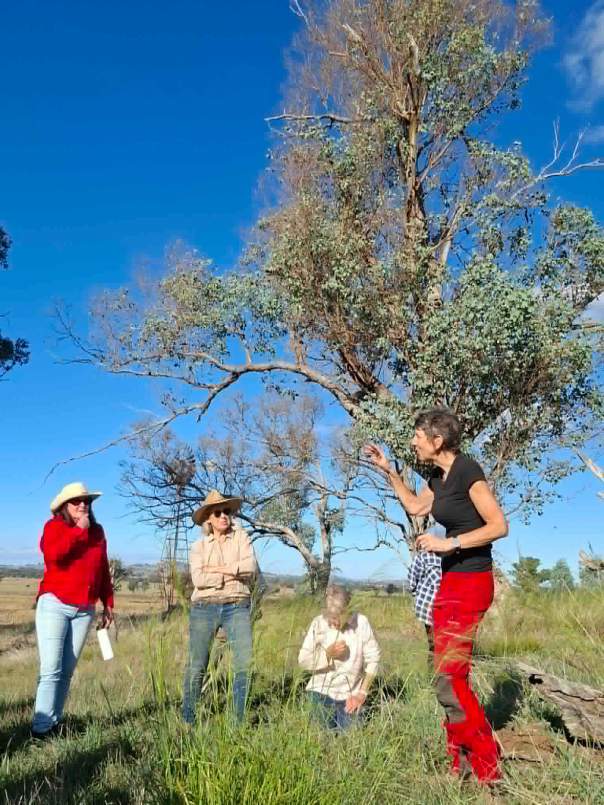
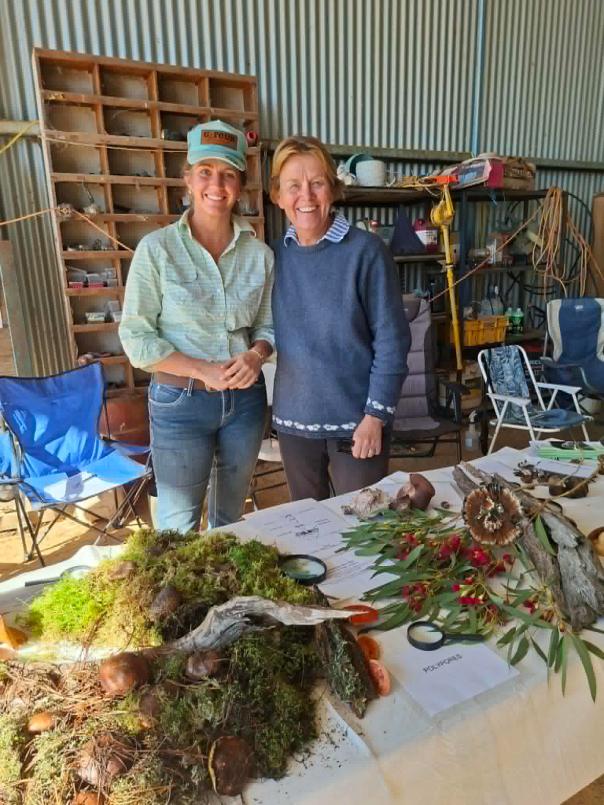
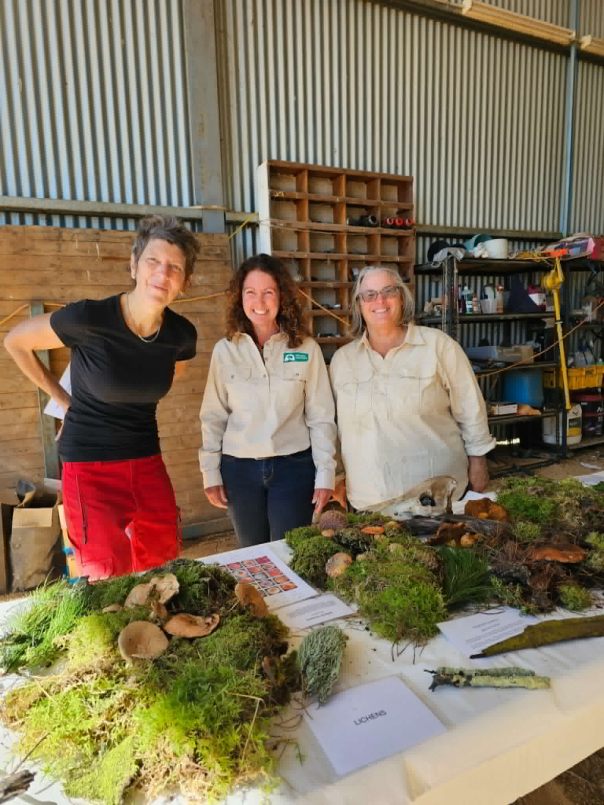
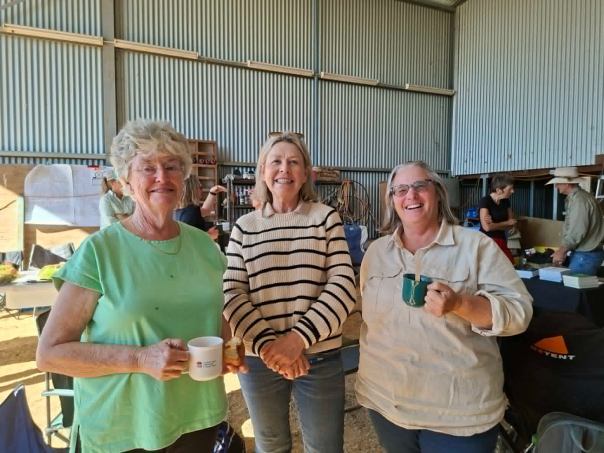
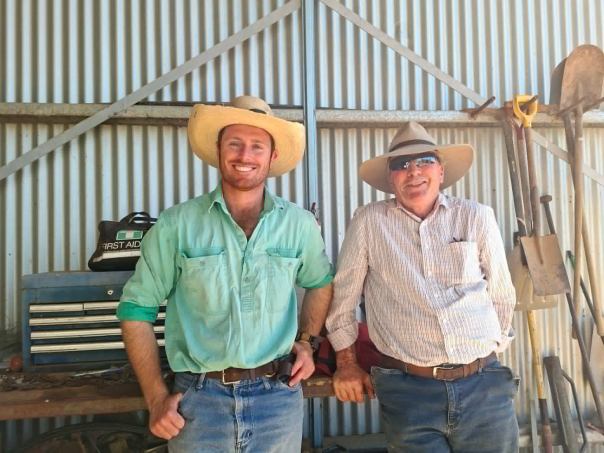
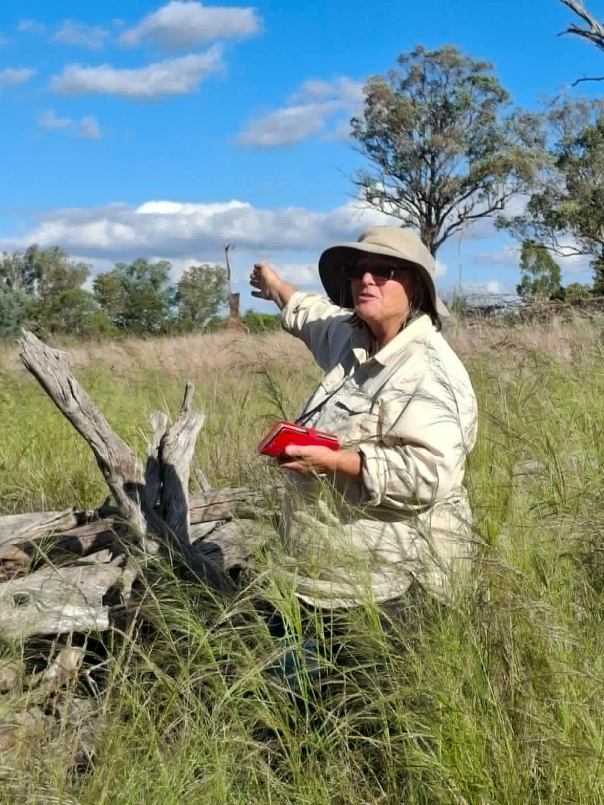
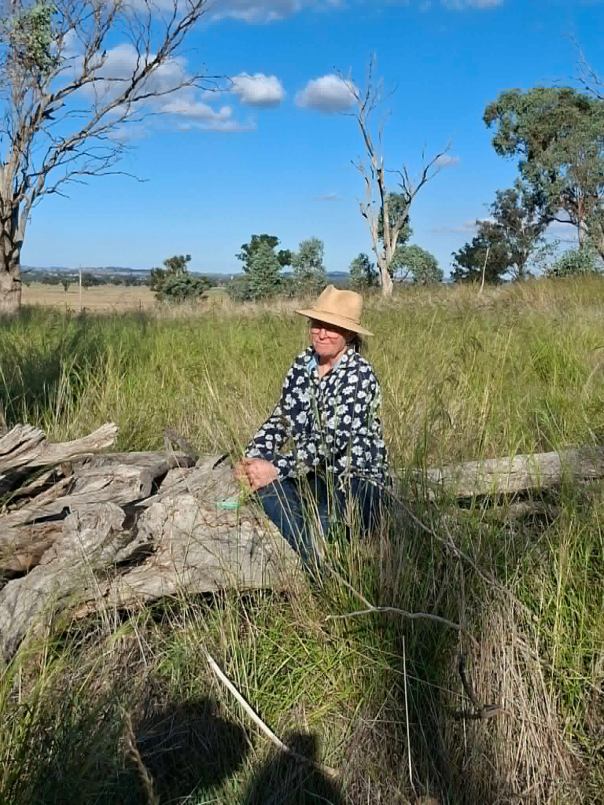
During our meet-up we took a moment to check in with each other and share what we’ve been reading. As you can see, our GGR team are a well-read bunch!
Pottenger’s Prophecy: How Food Resets Genes for Wellness or Illness by Deborah Kesten, Gray Graham and Larry Scherwitz.
The emerging new science of epigenetics, which reveals the foods you eat switch genes on or off that can lead either to wellness or illness.
Where the light gets in by Ben Crowe
“Where the Light Gets In” by Ben Crowe is a transformative guide that aims to alter your perspective on life by introducing nine key perspective shifts.
Two Islands by Ian Kemish.
If you needed to find somewhere safe to hide from pursuers, Skarnsey, a small (fictional) island in the Outer Hebrides off Scotland’s west coast would appear to be perfect … and Niko, a survivor of the war in the Balkans, needs to hide.
The Persian: The SUNDAY TIMES BESTSELLER from former CIA analyst and The Rest is Classified Podcast Co-Host David McCloskey
Last One Out, Noone stays forever. Jane Harper
He had been here, that was clear from the marks in the dust. And he had been alone. In a dying town, Ro Crowley waits for her son on the evening of his 21st birthday. But Sam never comes home. His footprints in the dust of three abandoned houses offer the only clue to his final movements. One set in. One set out.
Natures Last Dance: Tales of wonder in an age of extinction by Natalie Kyriacou
Amidst the tragedy of wild species extinction lies a hidden world of survival and wonder. Conservationists are locked in a high-stakes battle with the ghost of a drug lord and his herd of hippos. Scientists are fighting to save a flightless bird that romances rocks. Unconventional animals are upending 21st century beauty standards, and financiers are betting on whale poo to make its debut on Wall Street.
Deep Listening To Nature by Andrew Skeoch
Deep Listening to Nature is an invitation to open our ears to the natural world. Beginning by tuning in to the sound of creatures around us, Andrew discusses how to identify species by call, interpret their communications and find empathy for their sentience.
Craft For A Dry Lake by Kim Mahood
In Craft For A Dry Lake Kim Mahood takes us on a lyrical journey to her heartland – travelling with her beloved cattle dog back into the Outback of her youth, seeking to lay to rest her father’s ghost but finding herself faced with many of her own.
Crossings by Ben Goldfarb
The road to hell might be paved with good intentions, but the roads to pretty much everywhere else are paved with the corpses of animals. In Crossings, environmental journalist Ben Goldfarb explores the outsized yet underappreciated impacts of the, by one estimate, 65 million kilometres of roads that hold the planet in a paved stranglehold.
The Biggest Estate on Earth by Bill Gammage.
Across Australia, early Europeans commented again and again that the land looked like a park. With extensive grassy patches and pathways, open woodlands and abundant wildlife, it evoked a country estate in England. Bill Gammage has discovered this was because Aboriginal people managed the land in a far more systematic and scientific fashion than we have ever realised.
The Dreaming and Other Essays by WEH Stanner
Without condescension and without sentimentality, in essays such as ‘The Dreaming’ Stanner conveyed the richness and uniqueness of Aboriginal culture.
Symbiotic Planet by Lynn Margulis
In Symbiotic Planet, renowned scientist Lynn Margulis shows that symbiosis, which simply means members of different species living in physical contact with each other, is crucial to the origins of evolutionary novelty.


