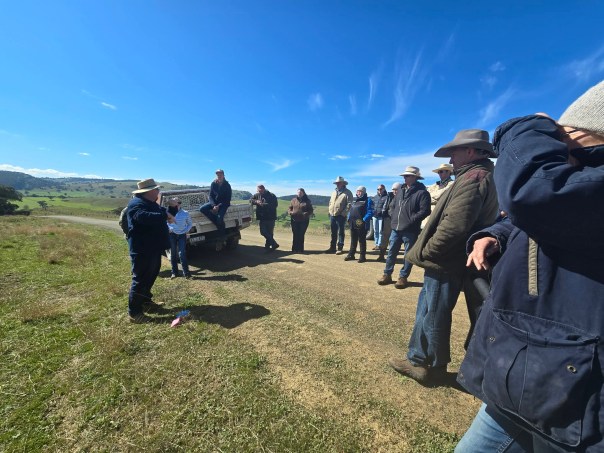
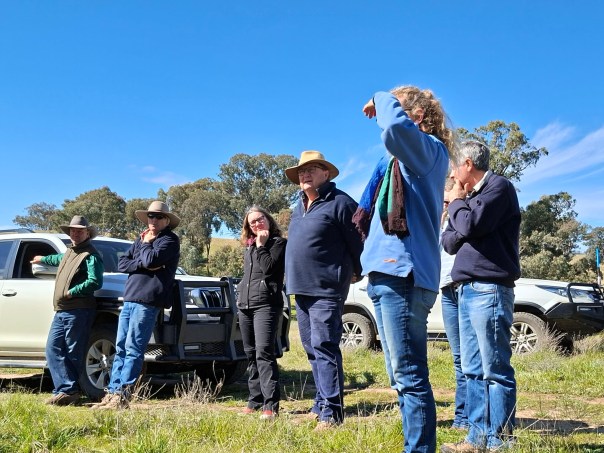
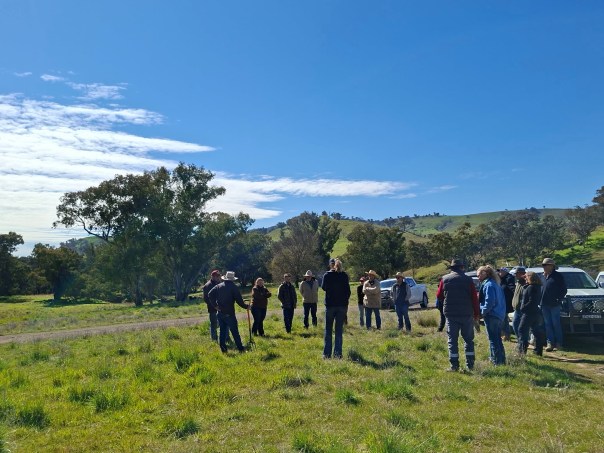
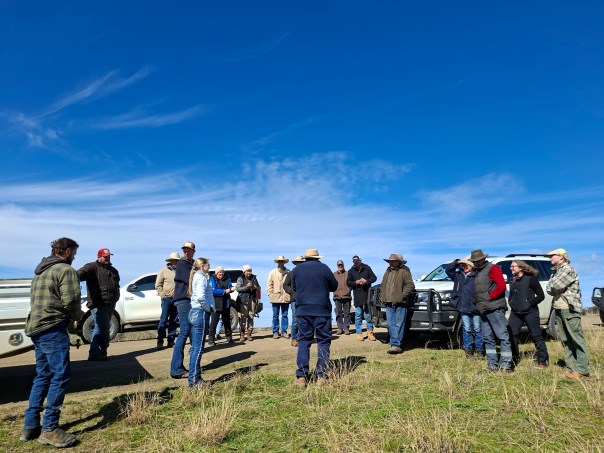
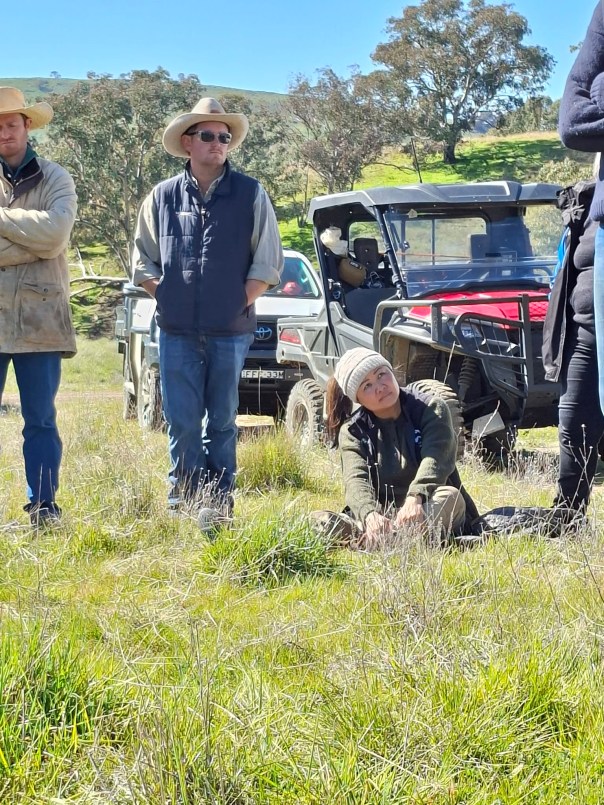
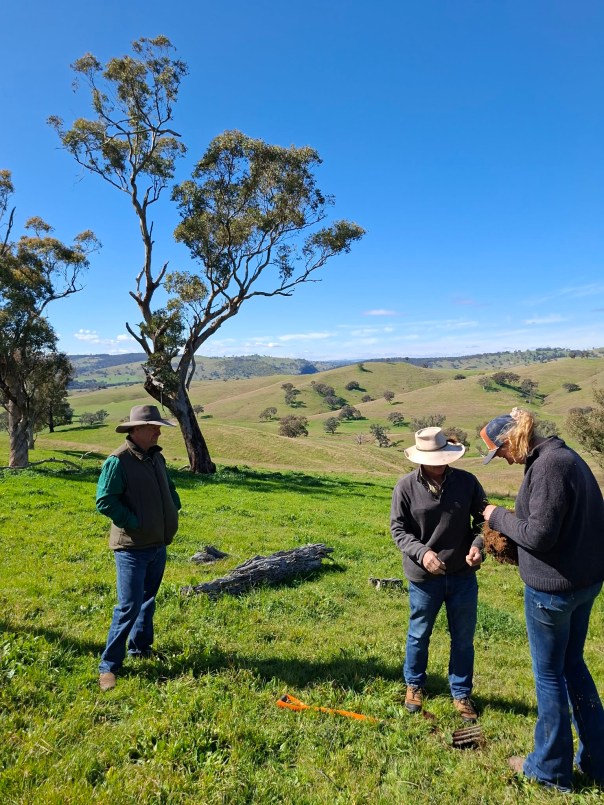
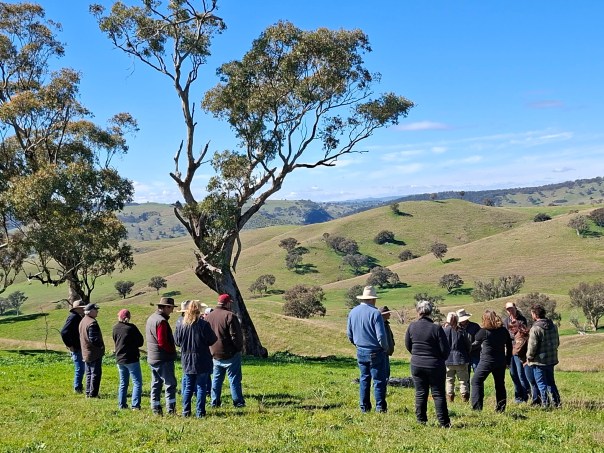
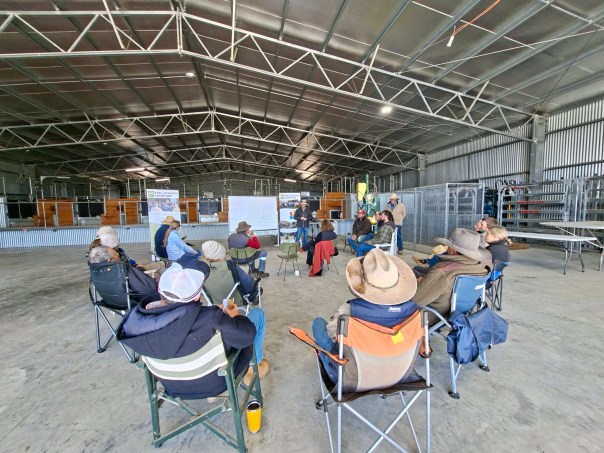
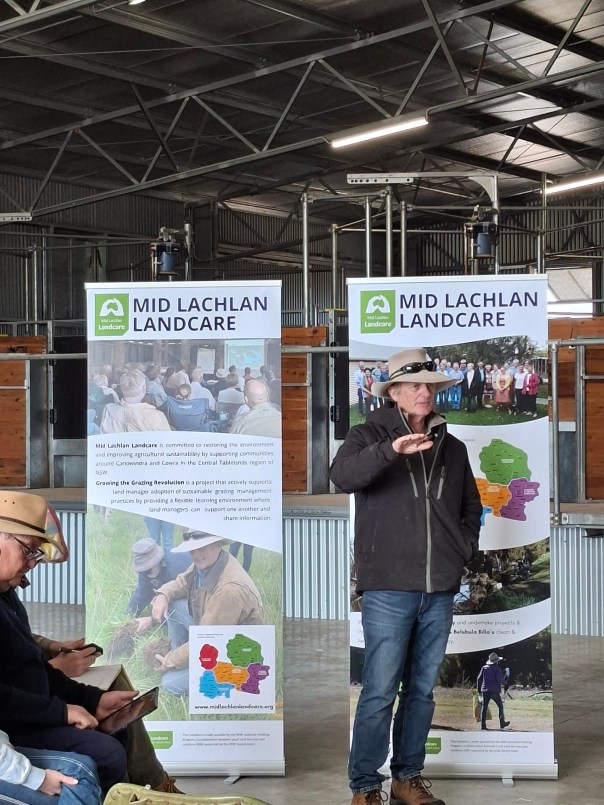
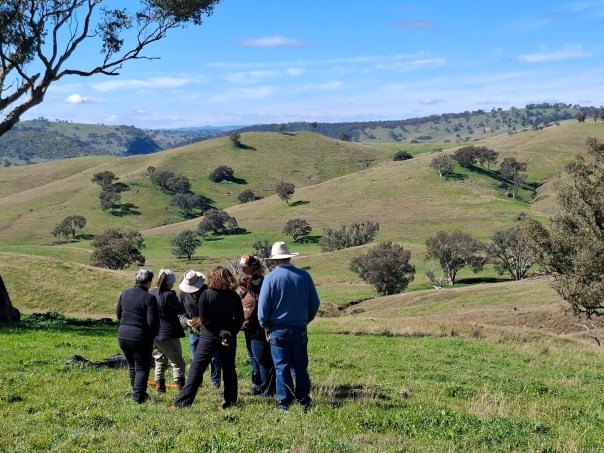
‘Malongulli’ is a large family-owned business running a sheep breeding and cattle operation. The property consists of a large range of soil and landscape types with we explored with our grazing group earlier this week declaring ‘this is our time to grow grass!’
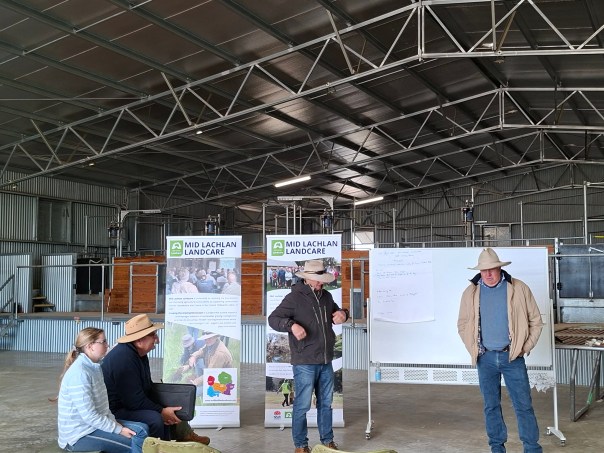
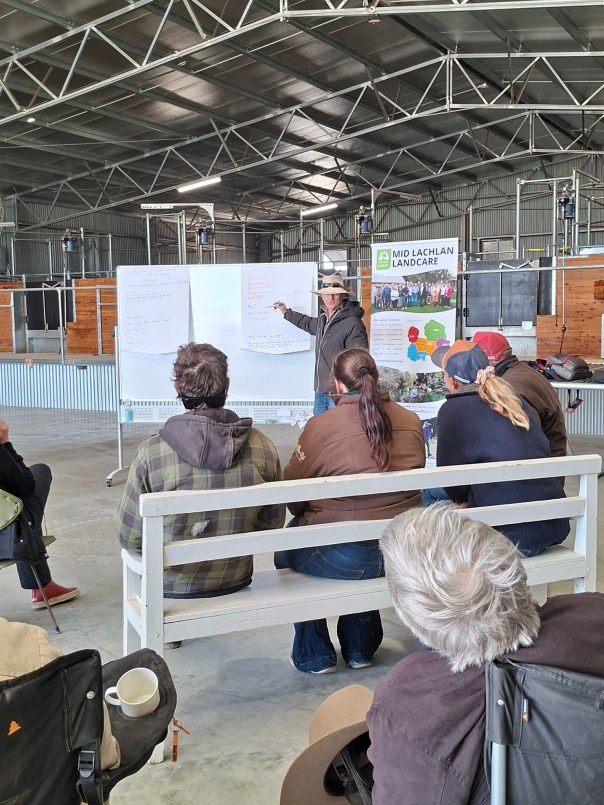
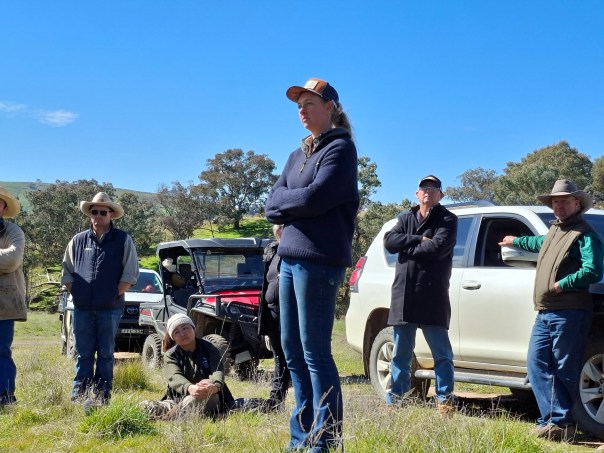
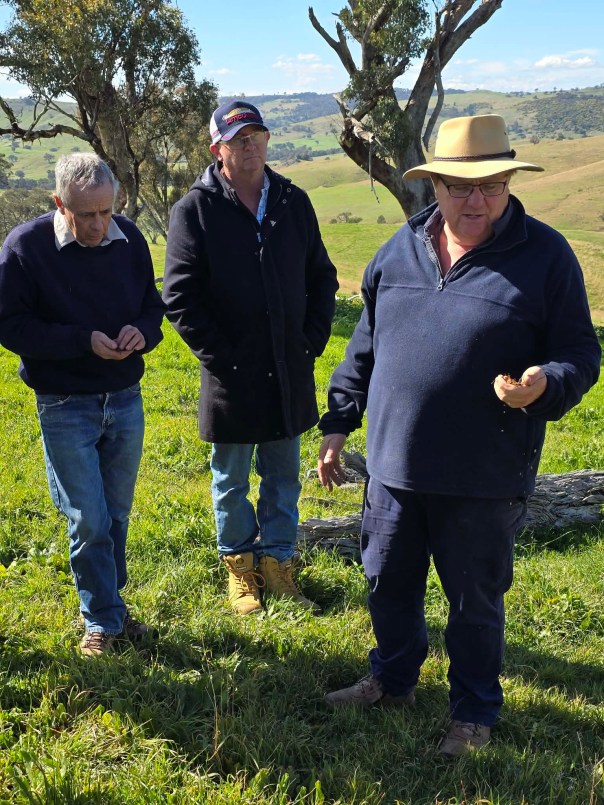
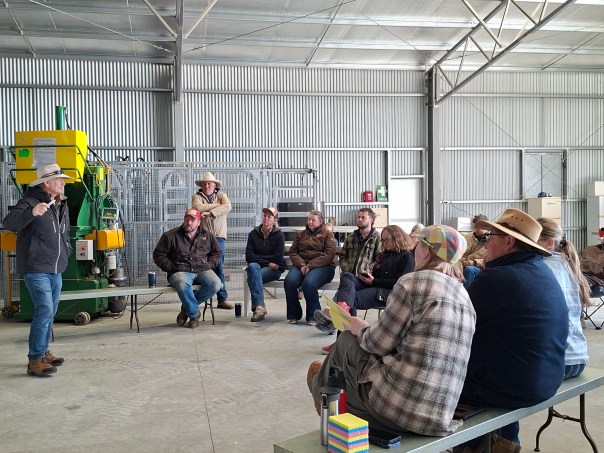
Each season brings with it questions to answer and during this grazing meet-up we discussed:
* Stock moves – fast or slow?
Why ask this? Well it’s a quesiton that encourages us to interrogate our peceptions against our reality. For example, we may expect our grass to stop growing in winter and as such, plan to move our stock slowly when in fact, the milder winter, our grass mix or stocking rate has meant grass has continued to grow.
* Recovery Period (how is your place recovering/ what are you planning going forward)
Again this may seem like a no-brainer and indeed it might be if we’ve been walking our paddocks and are used to what ‘recovery’ looks and measures like but so often that’s not the case. Time, resources, weather, other life happenings and previous decisions we’ve made can impact this and again lead to our reality being somewhat at odds with our perception or ‘best laid plans’.
* How much grass do you have?
One of the core skills our grazing group teaches is grass budgeting. Again a seemingly simple task of going out and measuring your grass but again a task where the devil is in the detail. How much grass do you have/ do you need/ would be enough is akin to asking “How long is a piece of string’ without context.
* Animal health?
Some seasons throw up more problems than others and this winter has been relatively warm and wet for many of our graziers. As such some reported a few issues over the winter months with prolapse (Sheep) and foot issues. LLS have a seasonal update on foot health that can be accessed here.
Some farms have reported big issues with feral pigs. We are all reminded to report sightings to Feral Scan and to join together with neighbours in our baiting, trapping and shooting efforts wherever possible.
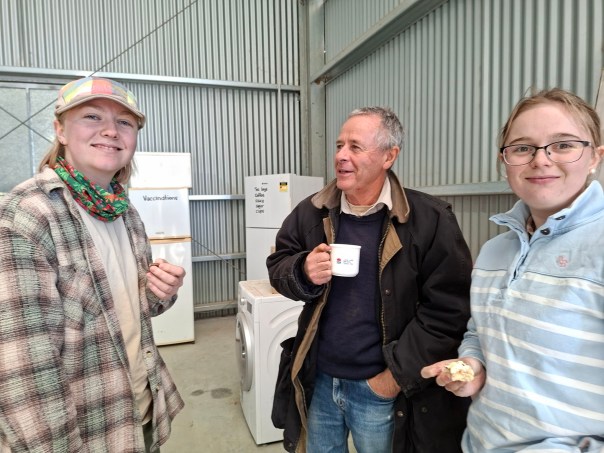
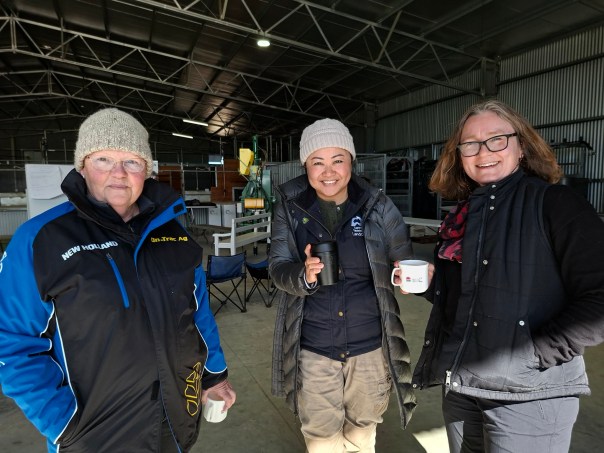
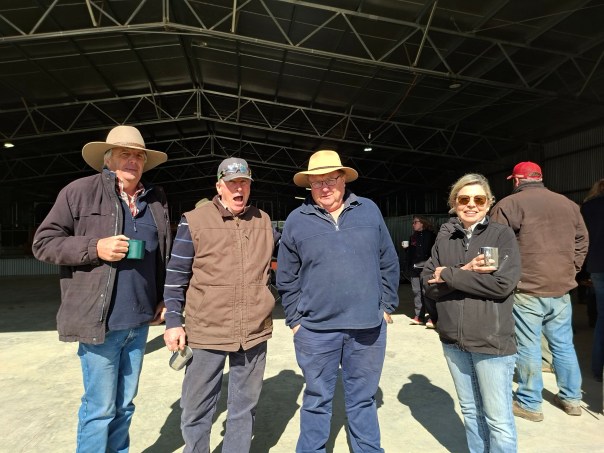
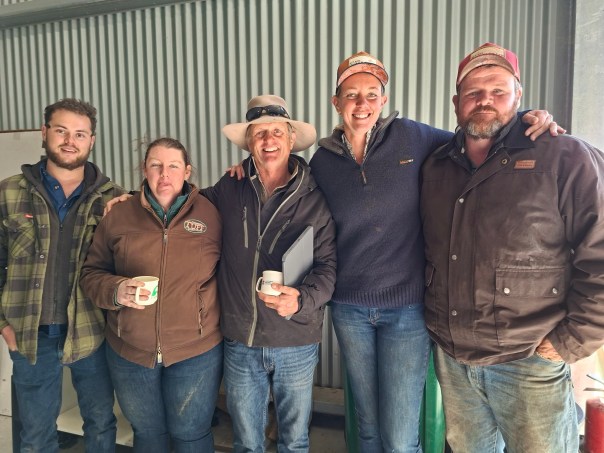
We had a cracking day with the Malongulli team and must also thank them for putting on such an outstanding morning tea (which we didn’t actually get a picture of – too busy eating!).
Our Growing the Grazing Revolution team will be putting on more events like this throughout the year so do come along and get amongst it as you’ll be most welcome.
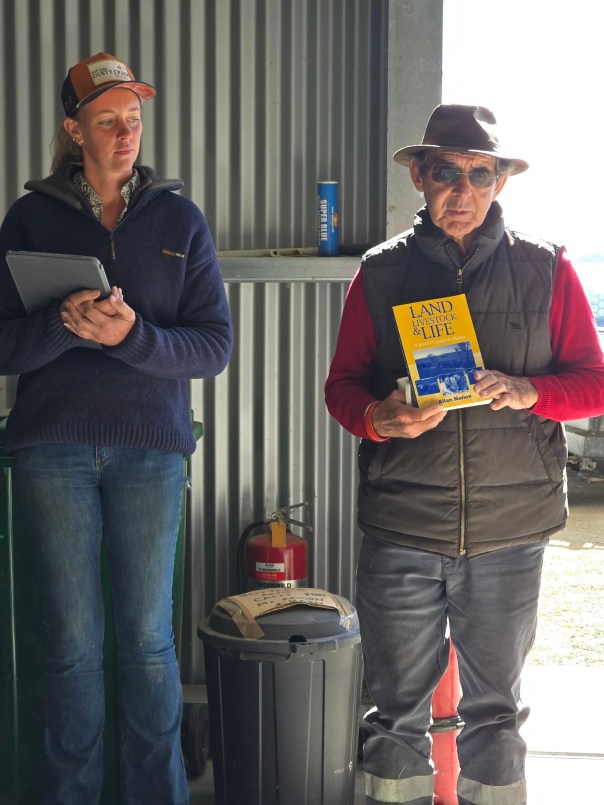
This month’s book club recommendation was ‘Land, Livestock and Life‘ by Allan Nation, recommended by David Marsh.
Mid Lachlan’s Complex Soil Geology
It’s not unusual around these parts for properties to be straddling several different geologies. We recommend checking out your place on the minview website to gain more insight into what’s under the soil across your farm.
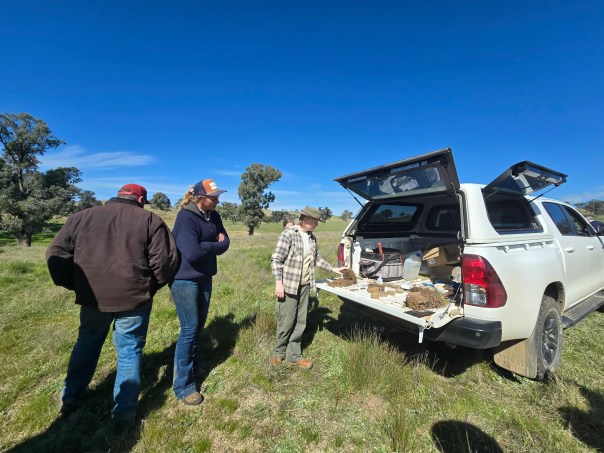
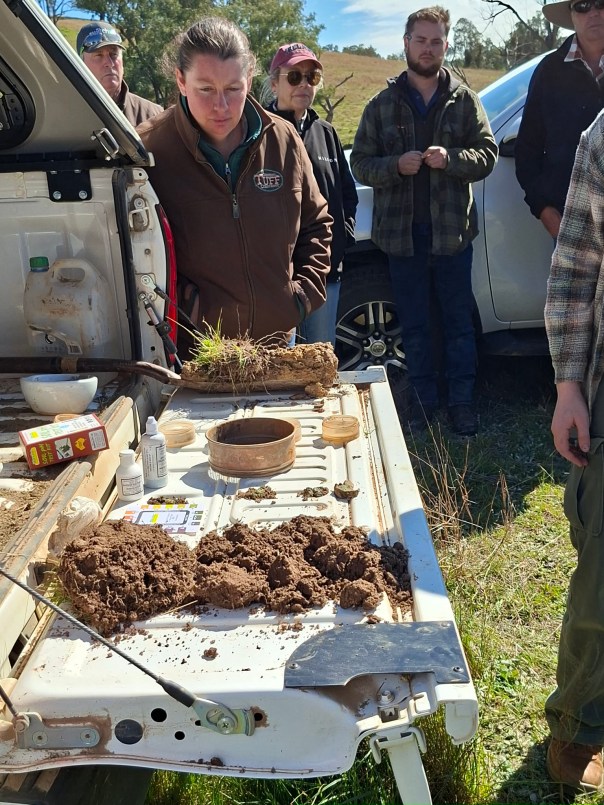
What Soil Tests did we do.
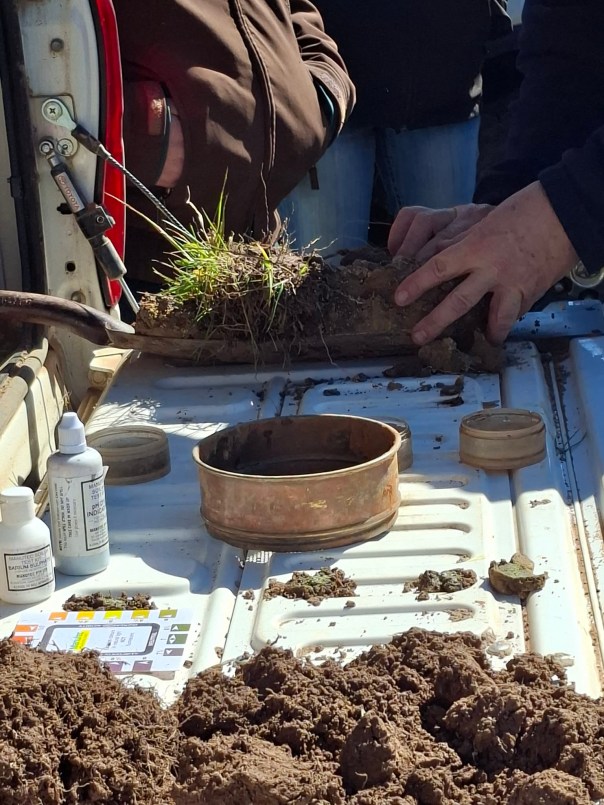
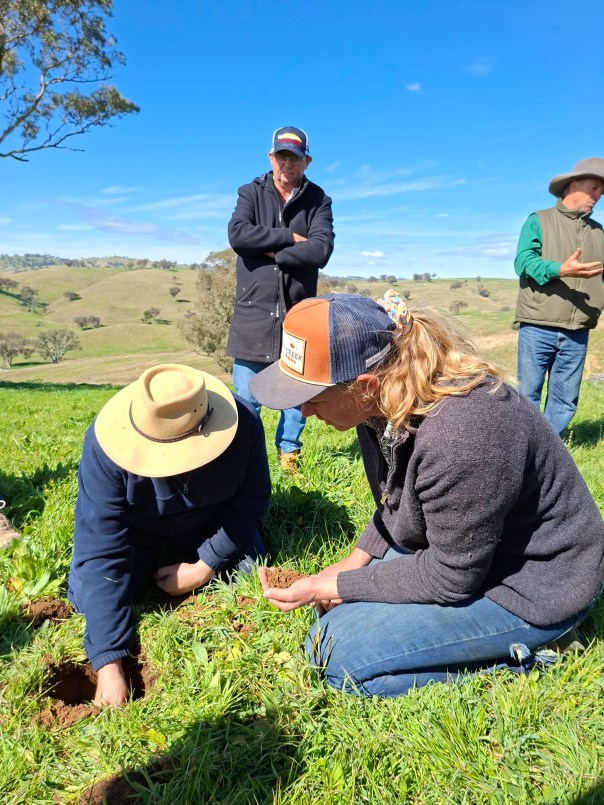
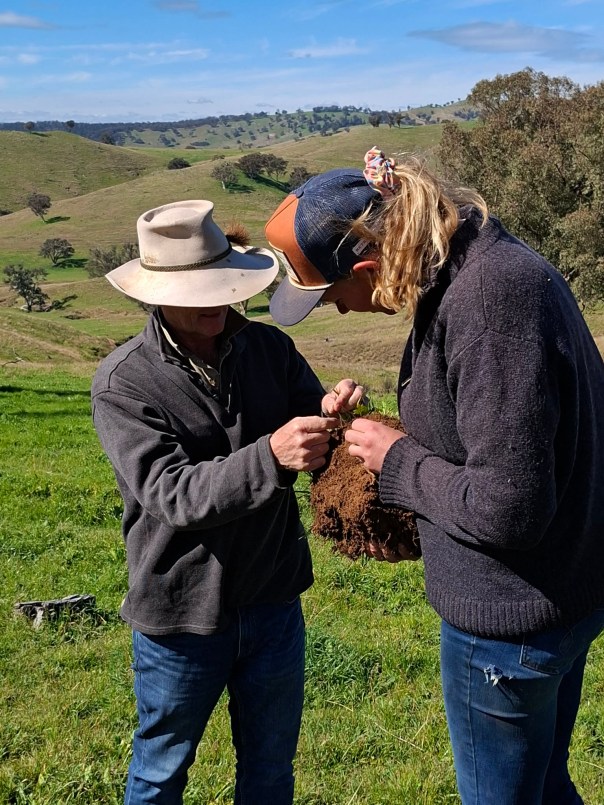
- Put a fork in it. How your fork moves through the soil profile tells you a lot about soil health. A fork that smoothly cuts through the layers means plant roots will do likewise. That’s what we are looking for and this test is free and easy.
- Turn a bit over. Have a look at where the roots are going, the soil colour and texture, how much life is in there, how the soil smells. All of this is valuable information about how a particular part of a paddock is tracking. Don’t know where to dig? Well you can start anywhere until you get confident with recognising what’s under your grass in different areas but after a while you may want to refer to your farm management plans and maps, choosing places strategically to help inform your next moves.
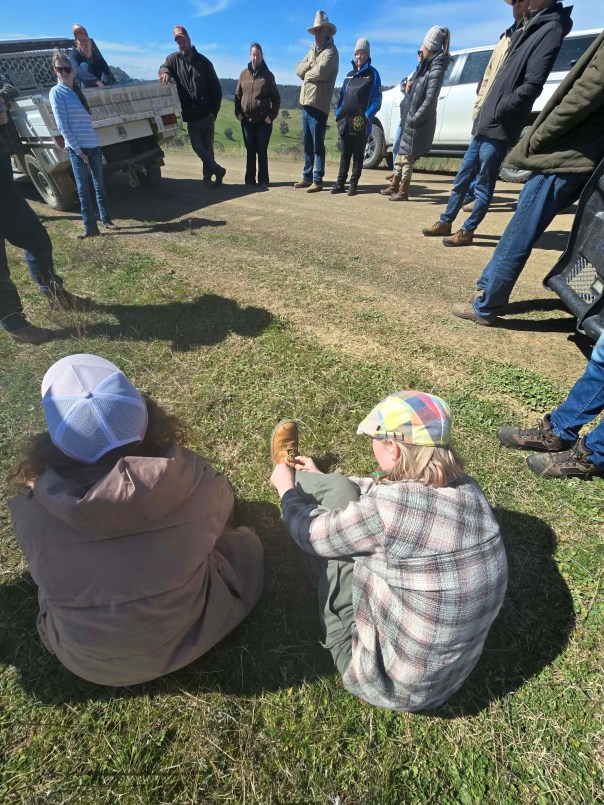
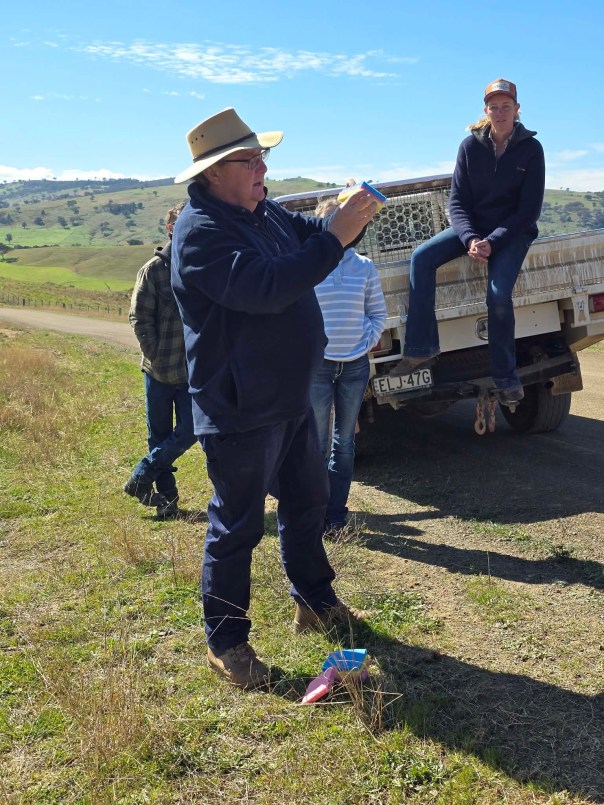
- Dispersion test. This is one of the tests we did on the back of the ute to see how water moves through the soil profile.
- pH. This is a measure of acidity in the soil with results ranging from very acidic through neutral and then to alkali. Knowing your soil pH is essential when planting crops or re-seeding paddocks for grazing.
We may well have carried out a few more tests too but those are enough to get most projects started.


