2026 marked the start of on-ground works for phase 3 of the Landcare Enabling Program, a funding round with two core components – a) Aboriginal & b) Innovations Partnerships. The Aboriginal Partnerships Grant Program aims “to improve Aboriginal cultural knowledge and understanding of Landcare groups, foster sustainable partnerships with Aboriginal groups and facilitate employment of local Aboriginal Landcare Coordinators:” NSW Government. We’re planning to tackle that with Erambie Men’s Collective who are based in Cowra.
Mid Lachlan Landcare, spanning Cowra, Gooloogong, Canowindra, Woodstock and surrounds is country rich in history and strongly rooted in culture, practice, and values that breathe life into this special place to this day. This is Wiradjuri country, a land where the nigh skies stretch right the way around until you feel like the milky way begins at your head and ends at your feet. These are dark emu skies, skies that frame our three rivers (bilas): the Galari (Lachlan), Wambuul (Macquarie) and Marrambidya (the Murrumbidgee) Murrunbidgee.
Over the last two hundred years, these hills, paddocks, river flats and rocky ridges have served as both a fronteir and refuge. This is strong, fertile soil. This soil has nourished and been nourished by generations of leaders, do-ers and innovators and it was on this soil that we met to scope out our first round of cultural burning with George Coe from Erambie Cultural Collective and Greg Ingram from Central Tablelands Local Land Services.
Our first stop was to Garralen on the banks of the Lachlan river where farmer and current custodian Marion Mitchell met us with her sister Beth, good friend Ken Hutchinson and Biodiversity Conservation Trust officer Sharon Cunial. I (Amanda) went along to represent Mid Lachlan Landcare as Coordinator leading the facilitation of this partnership.
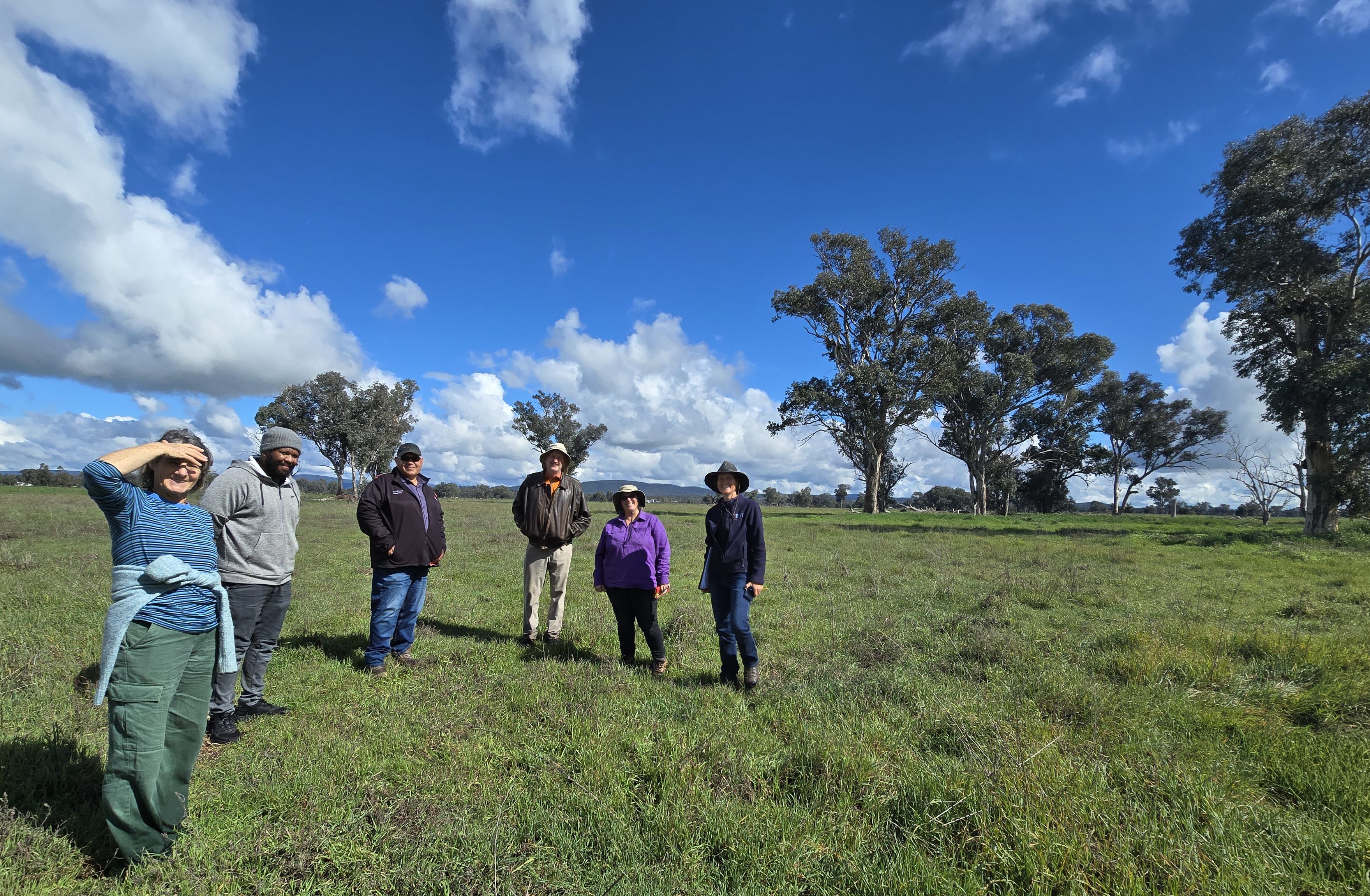
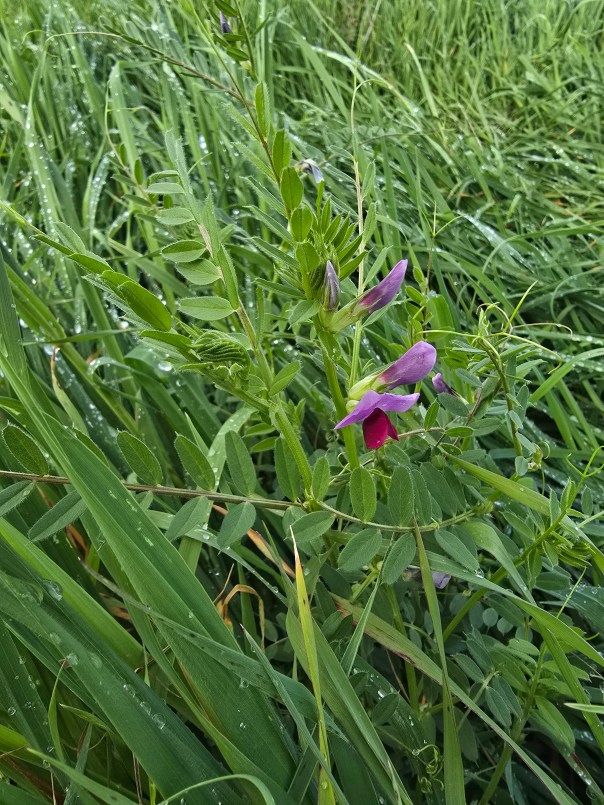
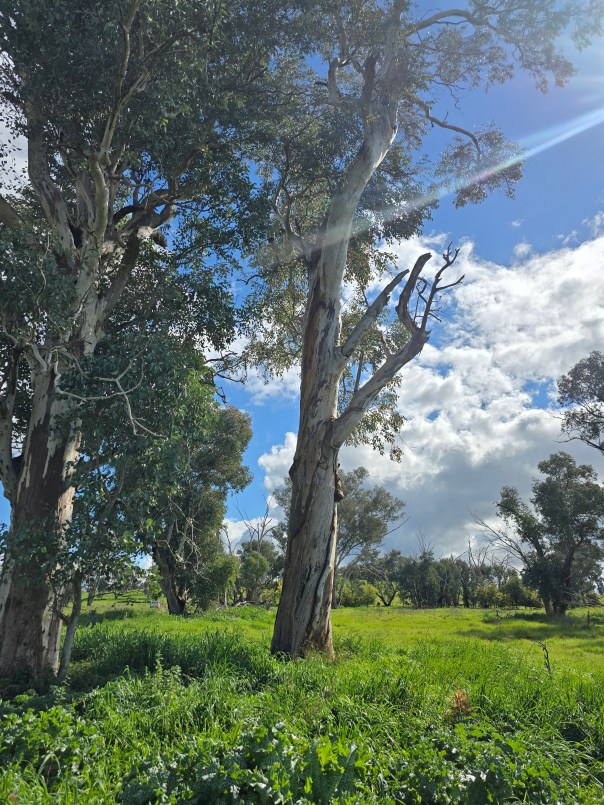
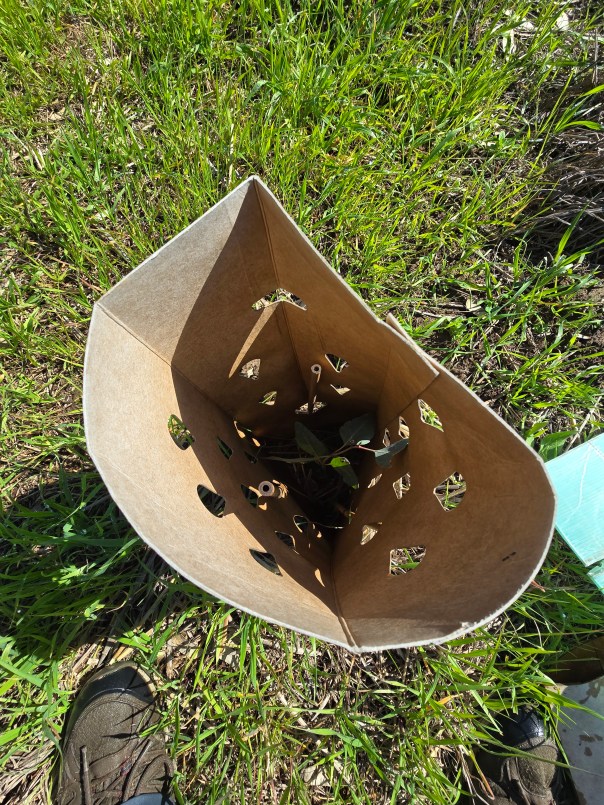
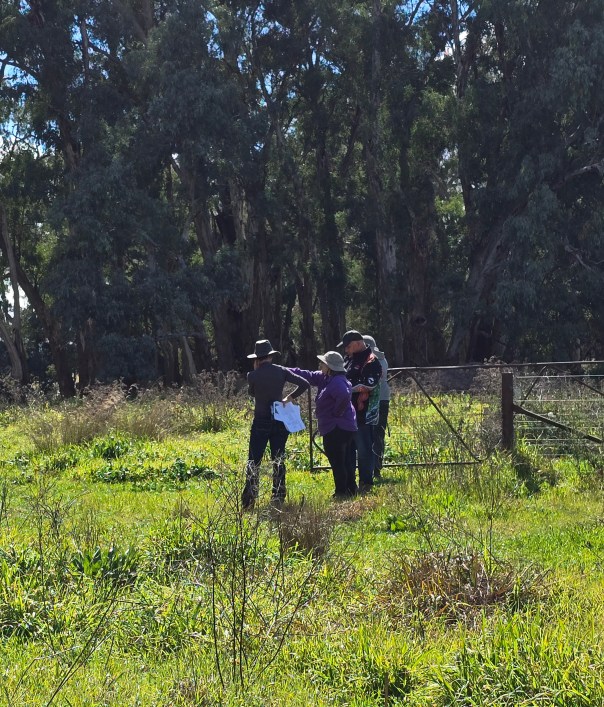
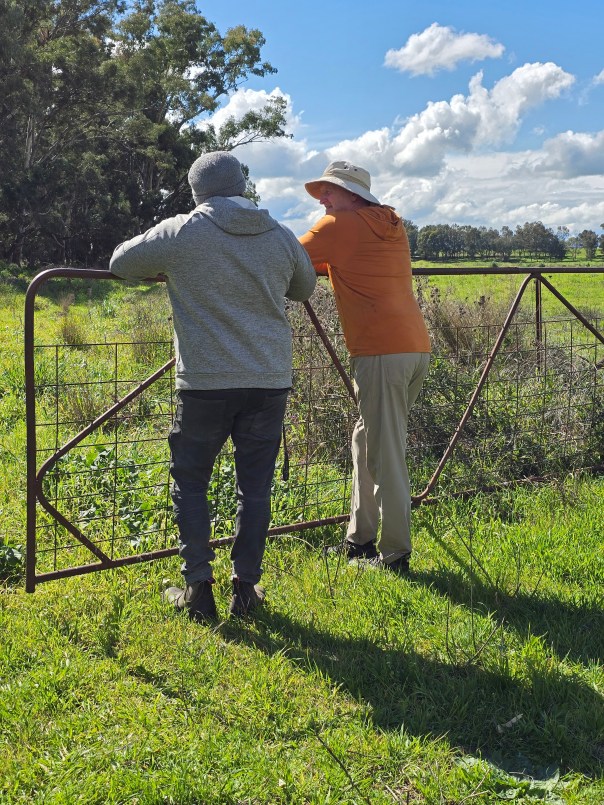
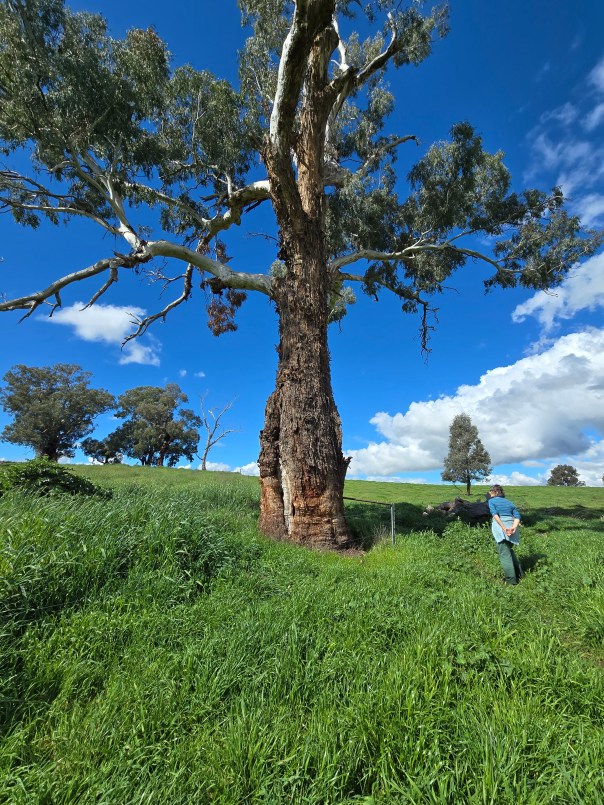
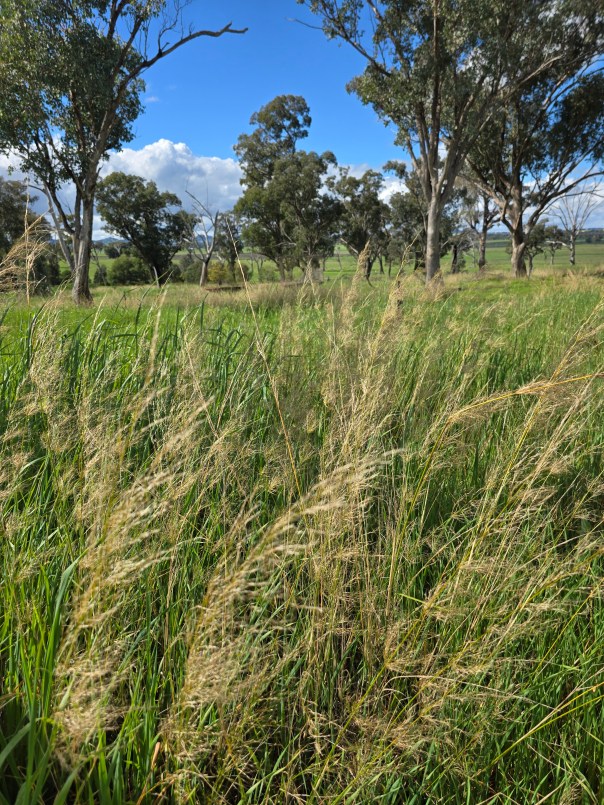
Marion presented her vision for the site that she’d nominated for burning and shared stories about her and sister Beth’s history with this property. Marion had also invited Sharon from the BCT along as this particular patch of Garrallan is managed for conservation. It quickly became clear that a cultural burn would both help Marion reach goals of reducing fire risk while improving pasture and mesh well with long-term conservation outcomes. Next up was for George and Greg to walk the site to get a better idea of the specific needs on this country and the best approach for the burn to take. Once that was done we headed down to the banks of the Galari Billa (Lachlan) to check out a scar tree and the re-vegetation plantings we’d helped Marion with earlier this year.
Site Two: Mount Belubula.
The second stop of the day was with Bron and Andrew at Mount Belubula, a fenced-off conservation patch with stunning views across the valley. This is important Glossy Black Cockatoo habitat and one which we’ve conducted a number of habitat plantings on previously.
Again Bron and Andrew filled us in on their management plans for this site and while surveying, we happened upon a couple of brown snakes sunning themselves on a rock just out from their burrow. Sadly I was too slow for a photo but it definitely reminded us that spring is just around the corner and it definitely is warm enough in the sun for snakes!
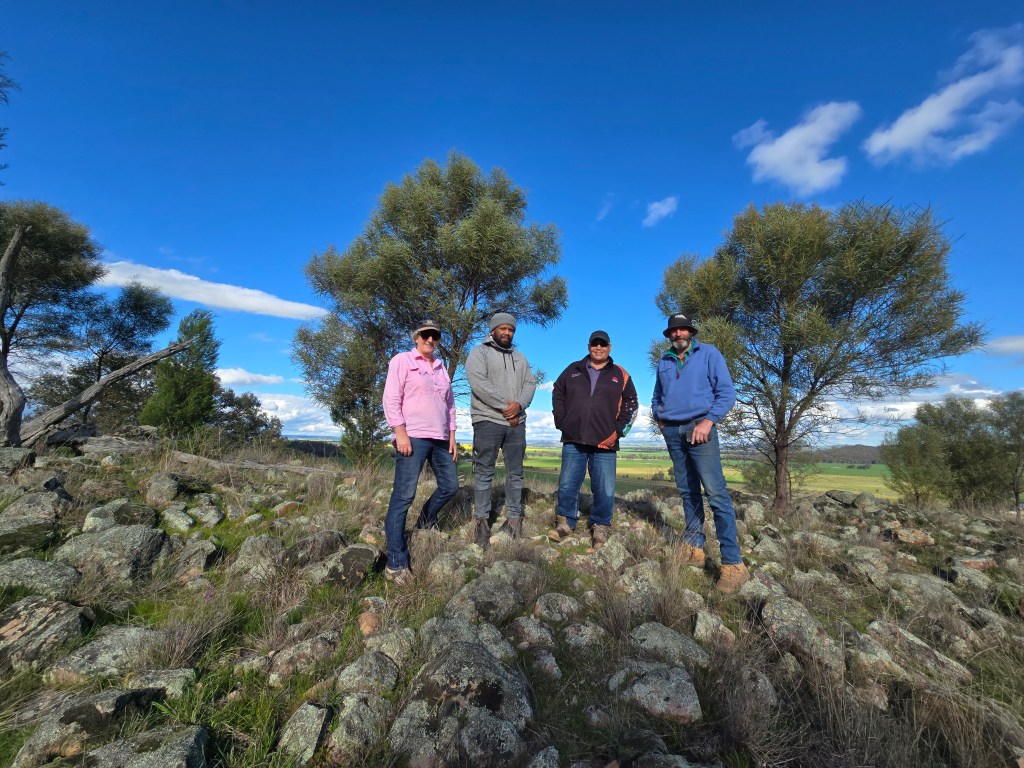
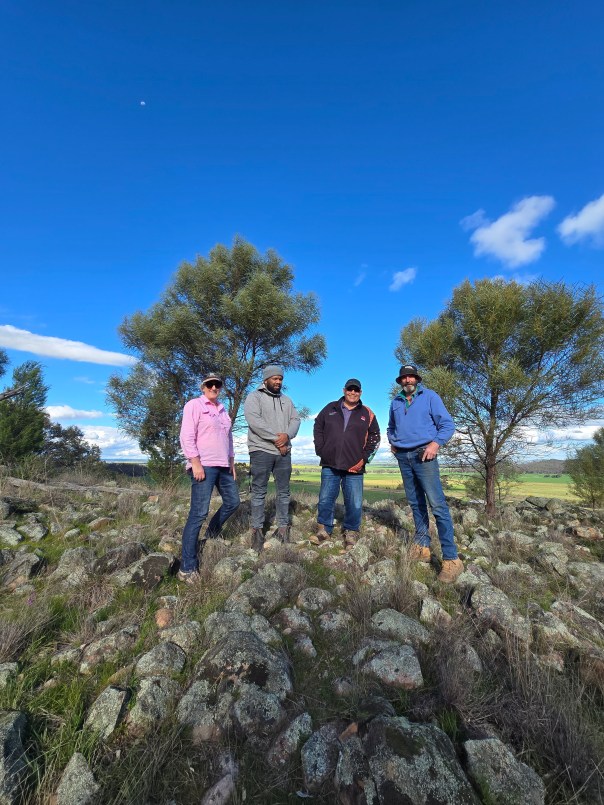
Again this site has a BCT covenant on it so Bron and Andrew will work the cultural burn into their conservation management plans to ensure the best outcomes.
As you can see from the picture this site is completely different to Marion’s and judging by the conversations being had between George and Greg, that will mean a different approach to the burn will be taken.
Some Background Into Cultural Burning.
Discussing burning for conservation with the BCT – different types of burning and how to apply for a permit.
The ‘One step at a time’ approach.
As with all new business ventures and partnerships, it’s best to start off slow then slowly and organically build momentum. As such, we are currently taking a measured, step-wise approach to cultural burning, an approach that we hope will see this and the second site we visited (at Mount Belubula in Canowindra) actioned before the window for burning closes in October. Following on from that we have a couple more sites on our ‘to-do’ list after which, all being well, we hope the Erambie team will be well on their way to running full-steam-ahead. But that doesn’t mean we aren’t interested in hearing from you. If you’d like to enquire about cultural burning please do drop us an email and when the Erambie Men’s Collective are ready with their systems, we’ll share their direct contact details.
A Bit More Information pasture improvement.
As shown in the video, Cultural burning can really help bring back grasses and other forbes where there were once weeds or lower-value fodder. Brackens and ferns are sometimes eaten by livestock, especially when there’s little else around to eat but they can be toxic. We’ve come across this in our grazing group so rock fern grazing is definitely something we should keep an eye out for the side effects of. Managing land by fire to improve the quality and quantity of feed is something that we, as Mid Lachlan Landcare are keen to explore more deeply with the help of Erambie Men’s Collective.
Is all of the LEP 3 Aboriginal Partnerships project focused on Cultural Burns?
No, this is just one part of our partnership project but it’s one that could definitely hit our collective long-term goals of bringing meaningful on-country employment opportunities for the Erambie community and surrounds. Other aspects to this partnership include re-invigoration of the bush food/ market garden at Erambie & building stronger relationships between community and our extended Landcare family. Networking local Aboriginal Partner groups and individuals with Mid Lachlan Landcare’s strategic project groups & activities such as Growing the Grazing Revolution, Soils for the future and Educational outreach is another area of focus. Together we believe that by exploring the diverse range of opportunities Landcare offers together, we’ll all get better, more meaningfully partnered outcomes for ourselves as individuals, our communities and the land we share.


