Mid Lachlan Landcare
supporting sustainable agriculture and restoring the environment
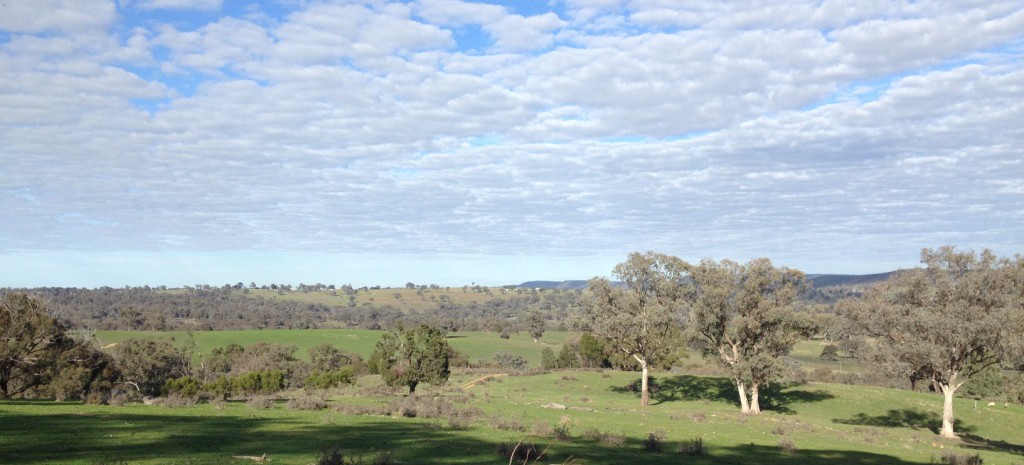
Community Box Gum Grassy Woodland Groundcover Plant Purchase

This is a great opportunity for you to order some Box Gum Grassy Woodland groundcover plant species for Autumn next year. This is a trial but if it goes well we could look at running this type of community purchase each year.
Oz Plants and the Weddin Community Native Nursery are going to attemp to grow us the 11 different species listed below. These plants would be fabulous to include in any Woodland patches you may have. They could also go into any revegetation projects you may have completed or are working on. Many of them are also truly worthy additions to your garden.
I’ve included the species and they link to further information. Feel free to contact us if you have further questions about any of the species. I love to talk about them as many of you would already know 🙂
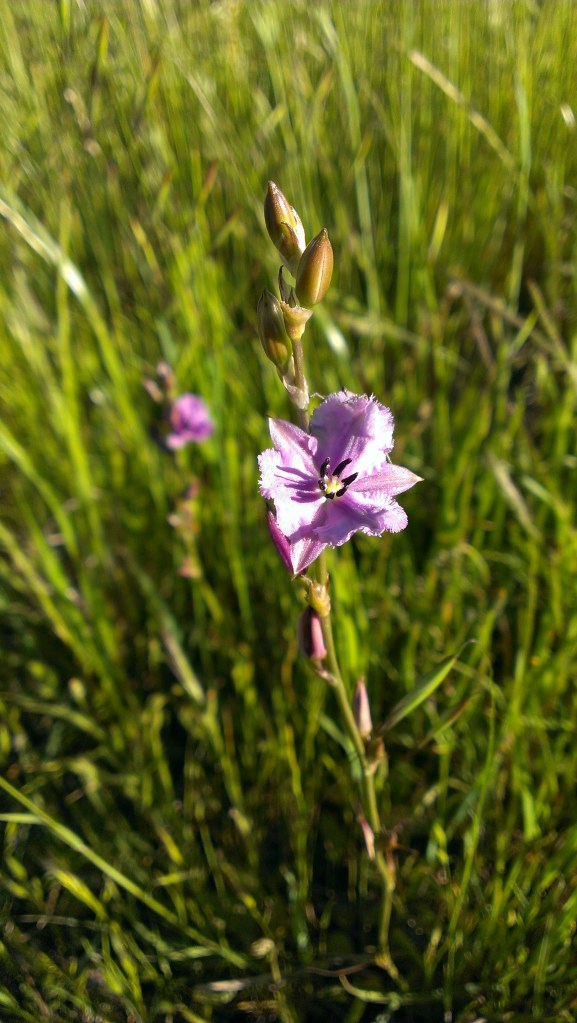
Chocolate Lily (Dichopogon strictus)
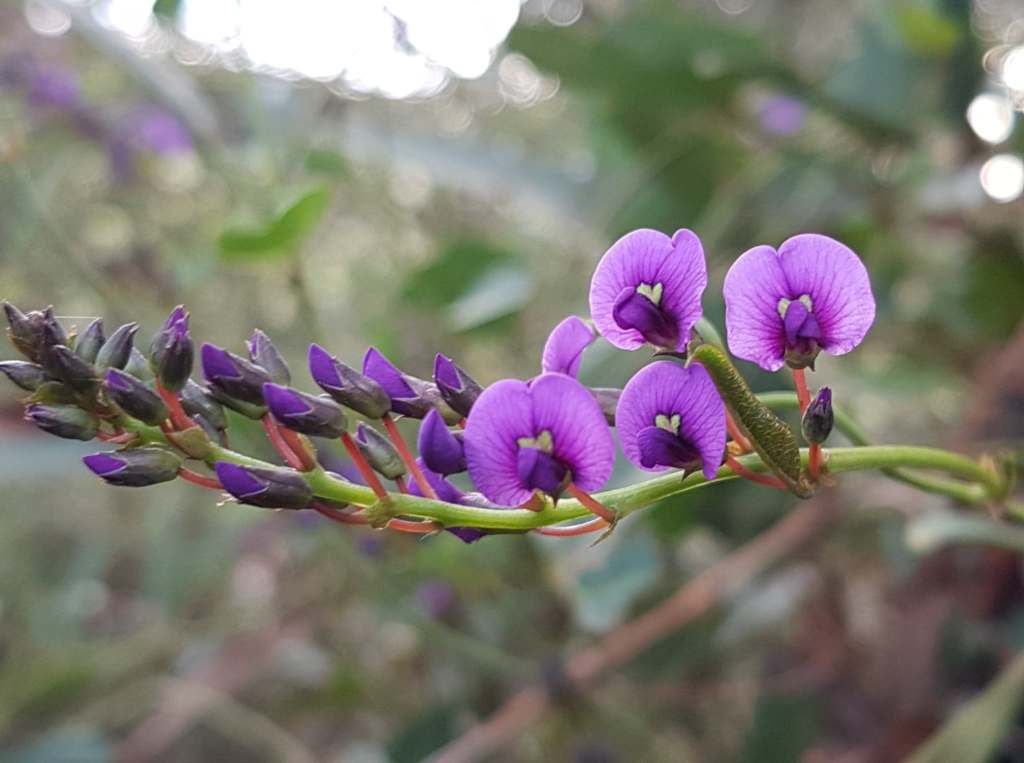
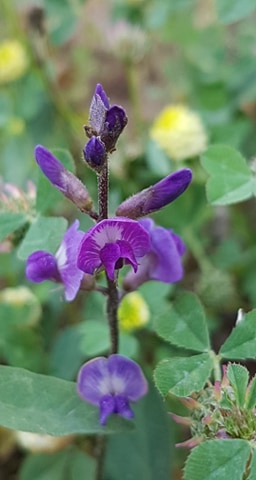
Hardenbergia (Hardenbergia violacea)
Spreading Flax Lily (Dianella revoluta)
Wallaby Grass (Austrodanthonia sp.)
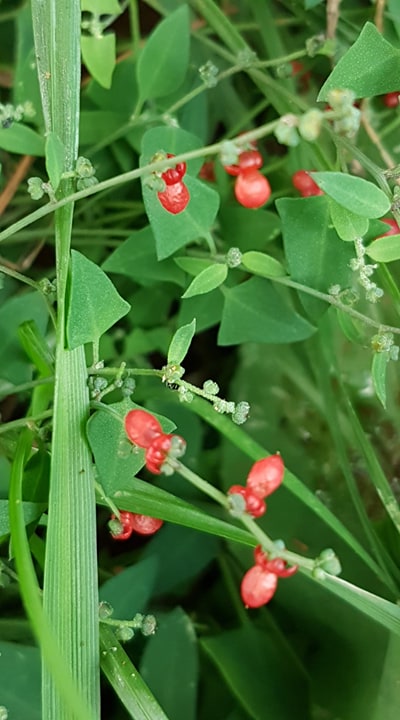
Climbing Saltbush (Einadia nutans)
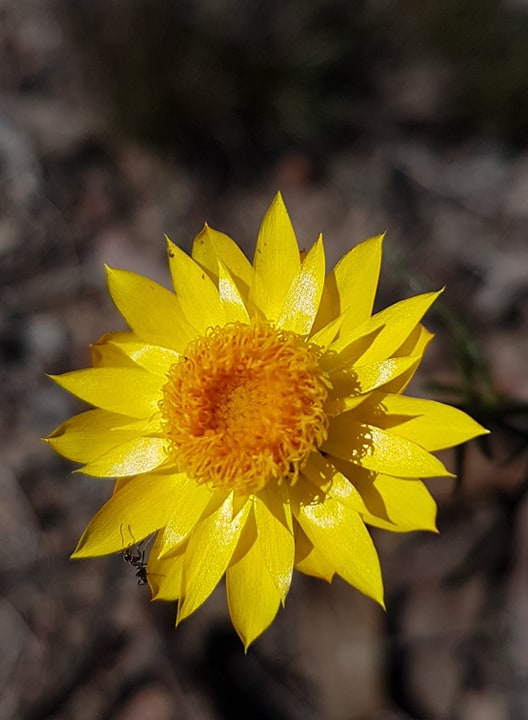
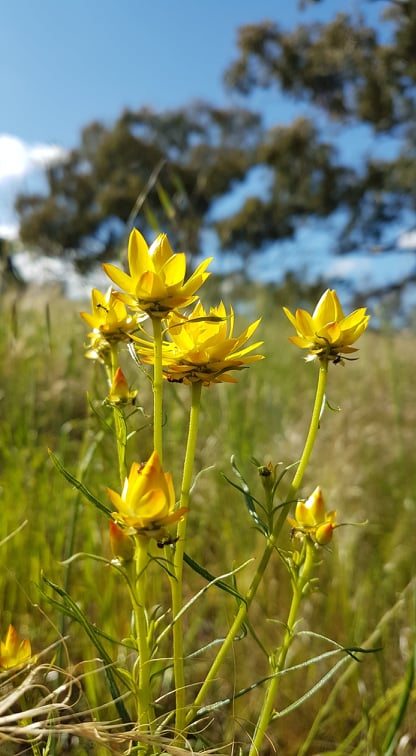
Sticky Everlasting Daisy ( Xerochrysum viscosum)
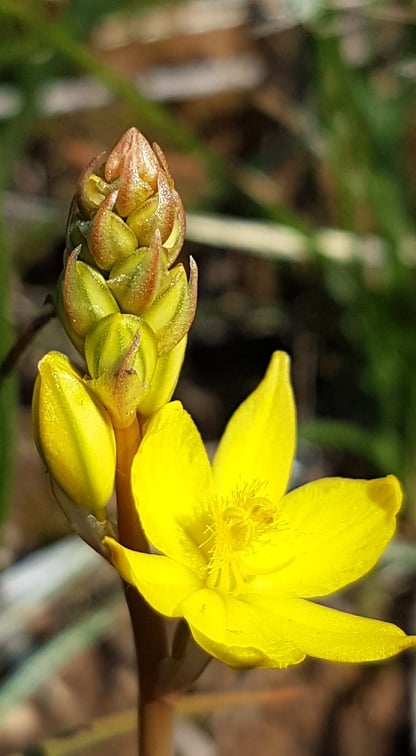
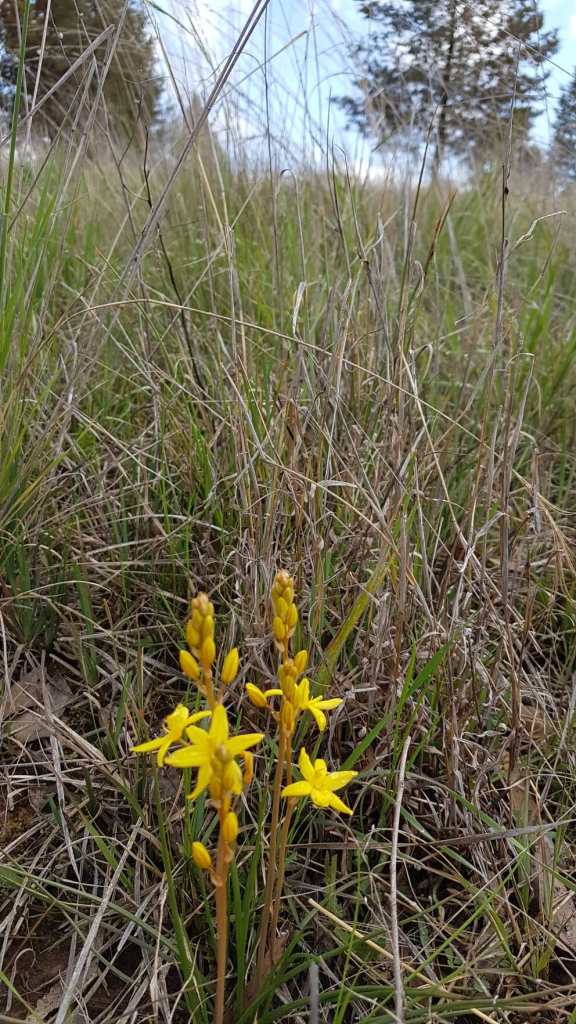
Bulbine Lily (Bulbine bulbosa)
Twining Glycine (Glycine clandestina)
Weeping Grass (Microlaena stipoides)
We cannot guarantee that we will be able to grow all of the species successfully and in the quantities ordered but we will do our best. The plan is to have them ready for planting in Autumn but some may take a bit longer to come up?
Next Steps :
Send an email to midlachlanlandcare@gmail.com listing the species you would like and the amount of plants by Wednesday the 17th November 2021.
We will tally up the total numbers and will then be able to let you know how much it will cost per plant. Note: we are anticipating approximately normal tubestock pricing. You will then confirm your order if you are happy with the pricing.
Best attempts will be made to grow these gorgeous groundcovers and we will keep you all updated on how they are coming along. Then fingers crossed in Autumn they will be ready to plant 🙂
Mid Lachlan Landcare will work with you to adjust numbers to match available plants if lesser numbers germinate.
We have seen all of these great groundcover species during the monitoring of our Box Gum Grassy Woodlands Habitat on Farms project which is great news and so we know they should all be in our landscape around here.
Below are a few pictures of some of the above species I have taken over the last couple of years on farms around the region 🙂






Cowra Archibird photo competition 2021

Time to get your photo’s in for this years Archibird photo competition. We are so excited to be able to support the Cowra Natural Resource Management Committee to run this again for the 3rd year. Hopefully it is going to become a permanent event.
This competition has received exceptional support from our community with over 200 entries last year covering about 65 different species. Lets make this year even bigger!!!!
Remember this is about showcasing the amazing birds in our region and involving you all in getting out into nature to try your hand at bird photography 🙂 Your photo’s don’t need to be perfect.
We are calling it Cowra bird month and have picked October as it coincides with the National Aussie Backyard Bird count. Did you know that last year within the Cowra LGA there were 39 observers who took part during the week and 88 bird species recorded for the area. Those 39 observers recorded 4725 individual birds during that week.
It would be great to have more people taking part in the Aussie Backyard bird count for the region as well. This runs from the 18th – 24th October. You can find all the information you need to partake in the count here. I’m no good at photographing birds so I’ll participate in this instead 😉
Please note entries for the Archibird close on the 12th November.
The terms and conditions can be found here
All the wonderful photographs can be viewed on the Cowra NRM facebook page here
Birds On Farms – Birdlife Australia Project

Hooded Robin – photograph by Jayden Gunn
Hi everyone,
My name is Jayden Gunn, I’ve recently filled the role of Project Coordinator for Birdlife Australia’s Central West NSW Birds on Farms project.
Woodlands have been severely depleted throughout south-eastern Australia. Temperate systems in the Central West of NSW – one of the country’s longest-settled agricultural regions – have been particularly impacted resulting in widespread and catastrophic consequences for our native woodland dependent birds. Birds on Farms is a monitoring program coordinated by BirdLife Australia and implemented by citizen scientists across Victoria and NSW. It aims to address important conservation questions about bird distribution, population health and habitat use on private rural land. Importantly, the project also engages new landholders in bird identification, appreciation of their behaviour, ecology and habitat use. The project has 3 focus species – the Turquoise parrot, Hooded robin and Brown treecreeper where some on-ground conservation work will be implemented to support these species into the future.
We are currently seeking EOI’s for properties to be involved in our bird monitoring program. Surveys are undertaken quarterly. The surveys are undertaken by the landholders if they are skilled and experienced birdwatchers. Otherwise we’ll help to arrange an external birdwatcher to undertake the surveys instead, in which you are also able to be involved as an assistant/trainee if you are interested. Please feel free to let your neighbours and colleagues know about this monitoring program as well, as we are seeking at least 40 properties to be part of this program. We would assist you in the set-up of the 2-hectare survey locations, understand the monitoring of these sites and provide guidance in other relevant aspects.
Please don’t hesitate to contact me for further information. I look forward to hearing from you.
Please have a look at this projects introduction below and it provides all the information you need to know to contact Jayden and get involved.

Animals of Box Gum Grassy Woodlands

On the 16th of September about 25 people settled in to watch our live ‘Animals of Box Gum Grassy Woodlands’ event with the fantastic team from Australian Wildlife Displays and Anthony the ranger leading this event. We were able to get up close and personal with the Tawny Frogmouth, Murray Darling Python, Green Tree Frog, Goanna, Cunnigham’s Skink, Long and Short Necked Turtles, Bearded Dragon, Shingleback Lizard and a wonderful cute young Squirrel Glider.
Did you know:-
- Long Neck turtles are carnivorous and short neck turtles are omnivorous.
- Squirrel Gliders can travel 50m in one glide.
- Shingleback lizards are omnivorous and love eating flowers especially our native groundcover type flowers.
- Green Tree Frogs can live for 16-20yrs
- Bearded dragons have an arrow shaped head and can get themselves stuck in chicken wire
- Cunningham’s Skinks live in family groups and can smell who are their relatives so they know not to mate with them.
- Shingleback lizards can live for 20-25yrs and they mate for life.
- Foxes can smell buried turtle eggs and dig most nests up and eat all of the eggs.
- Young Squirrel Gliders love mealworms.
A couple of things stood out the most in regards to habitat requirements for almost all of these animals and what we can do to encourage and protect them on our farms.
- All of them need timber/trees either living trees, dead trees or fallen timber on the ground. This is all crucial for them to move through the landscape and have areas to live, shelter or hide. It is hard to not ‘clean up’ our farms but if we can consciously try and leave some fallen timber (especially if it has hollows) and not cut down the trees that have died it can make such a difference to the long term survival.
- Foxes are a huge threat to all of these species and Anthony truly believes one of the best things we can all do to help is to undertake fox control on our farms.
- Fencing off Riparian areas was another important way we can help our wildlife into the future.

Anthony talked about a time not that long ago when you would see a bearded dragon on almost every fence post and pairs of Shingleback lizards were almost an everyday sight. Why do we not see this anymore?
We have such a huge diversity of animals that depend on our Box Gum Grassy Woodlands and with less than 10% of the pre European distribution left in NSW we need to do everything we can to preserve and enhance these areas on our farms.
We need to continue to look for innovative ways to strive towards healthy, profitable farms whilst enhancing and preserving any patches of woodland we might have.
Little actions by us can make a big difference to these species!
If you would like to find out how you can get involved in doing on ground works on your farm to protect or enhance your Woodlands, please contact us at midlachlanlandcare@gmail.com
The ‘Animals of Box Gum Grassy Woodlands’ event was made possible by the NSW Government through a partnership between the Saving our Species program and the Environmental Trust.
Request for people to undertake Superb Parrot Surveys

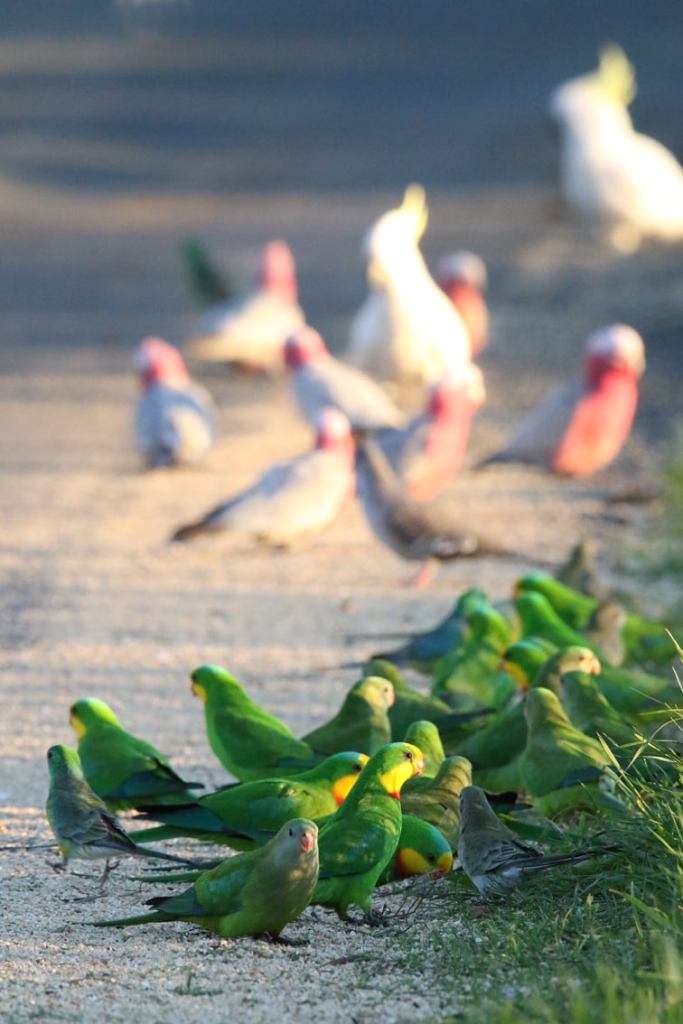
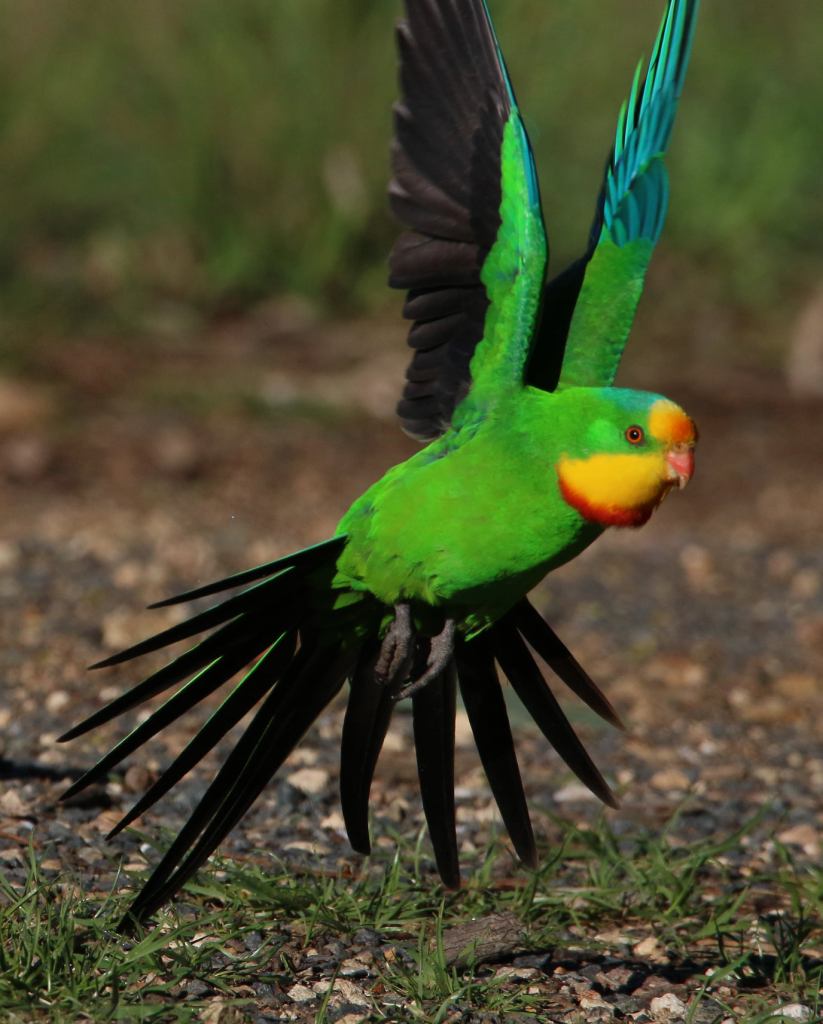
Love is in the air for our beloved Superb Parrots at this time of year and we really need your help to undertake surveys in the region. It’s easy to survey for Superb Parrots if you a already familiar with this bird and it’s call. If you are not familiar we can help you. We really, really need your help to undertake surveys in the region. It adds to data already collected and in the future will help us better understand this beautiful bird.
Due to COVID many of the Saving our Species staff are unable to head out and about to survey as they usually would at this time of year. This is where we as citizen scientists can help 🙂 It is also a great way to spend some time outdoors.
There are a couple of survey types you can do and Tracee is happy to send you all the details and talk you through your first survey.
So please contact us at midlachlanlandcare@gmail.com to find out how you can become involved. Below are a few more gorgeous pictures all taken by the wonderful Phillip Weyers. These should get you inspired to survey 😉


Small amount of trees available for Neville residents

Unfortunately Neville and Region Landcare has wound up. They had a small amount of funds left over which they have passed on to Mid Lachlan Landcare with the intention that the funds are used for Neville residents to obtain local native trees/shrubs for planting on their properties/backyards.
If you are a local around or within Neville and would like to plant a few native trees please send an email to midlachlanlandcare@gmail.com by the 17th Sept 2021 with your name and address.
Once we have the replies we will be able to work out how many trees we can supply to you. We are aiming to be able to do this by the end of September but of course it will depend on COVID rules. If we cannot organise before the season gets too hot we will plan to have them ready to go Autumn 2022.
Neville and Region Landcare did lots of fantastic work in the Neville region over the last 8 or so years. It will be lovely to get a few more trees in across locals properties to add to their great work.
We look forward to hearing from you.

‘Soils for the Future’ pit field day June 2021

For a full report on our recent field day held at ‘Glenbrook’ Canowindra head to the below link
Box Gum potential project site visits

Wow, I have been lucky enough to be invited to 12 farms this year and discuss potential projects for this round of funding. They have all been very diverse with some great ideas and projects.
It has been lovely to find new species that I haven’t seen on other farms before. It is also always amazing to see the work people have already undertaken, or been undertaking, over many years to improve their woodland areas or improve connectivity across the landscape.
Did you know that the White Box, Yellow Box, Blakelys Red Gum Woodlands this project is focusing has now been listed as critically endangered since July 2020. Every little thing we can do to help this wonderful woodland survive into the future is just so important.
Below are some pictures from a recent potential project site visit. We found what looks like 5 different orchid species along with mostly native groundcover grasses and forbs. Also a first for me, on a farm around here, was Platylobium formosum (Handsome Flat-pea). What a cool name. It wasn’t in flower yet but I can’t wait to see it when it does come into flower.
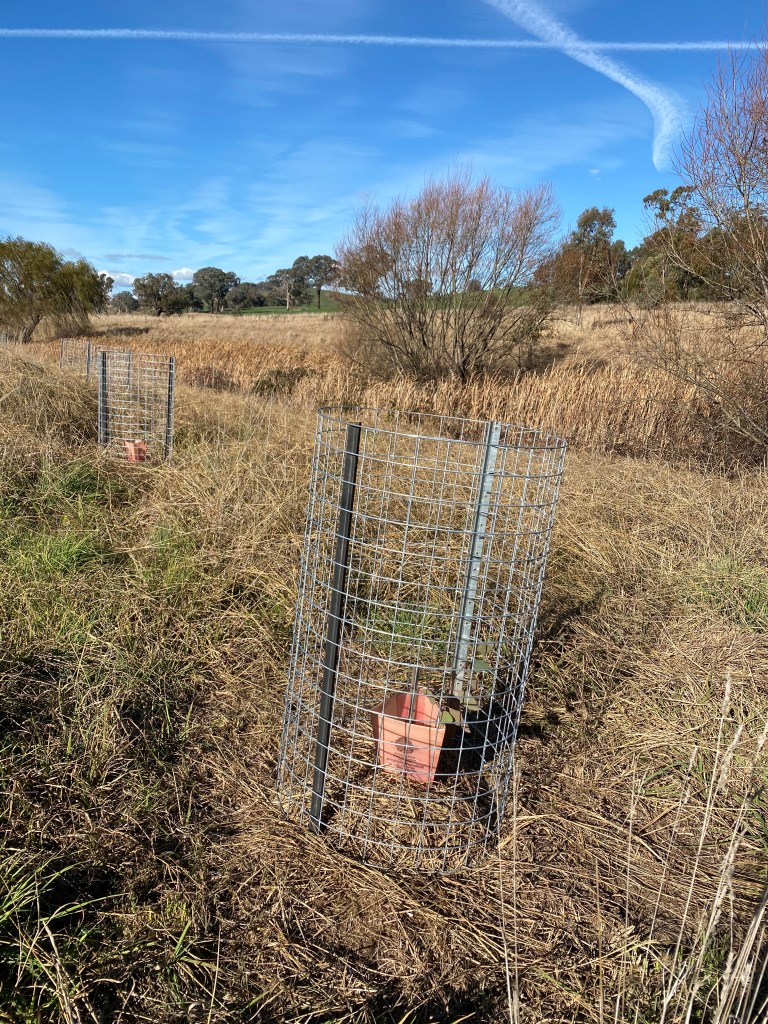
It did appear that some of the plants were being nibbled on by native and/or feral herbivore’s and so the landholder has already gone and made some protective cages to cover up some of the orchids and the young Handsome Flat-pea plants to ensure they get to flower 🙂 How great is this!!!
You all insire Mid Lachlan Landcare every day with the things you are doing on your farms to ensure the future survival of such a beautiful and important woodland while striving to be thriving, healthy, profitable farming business’s as well. What amazing people 🙂

Now protected Handsome Flat-pea (platylobium formosum) 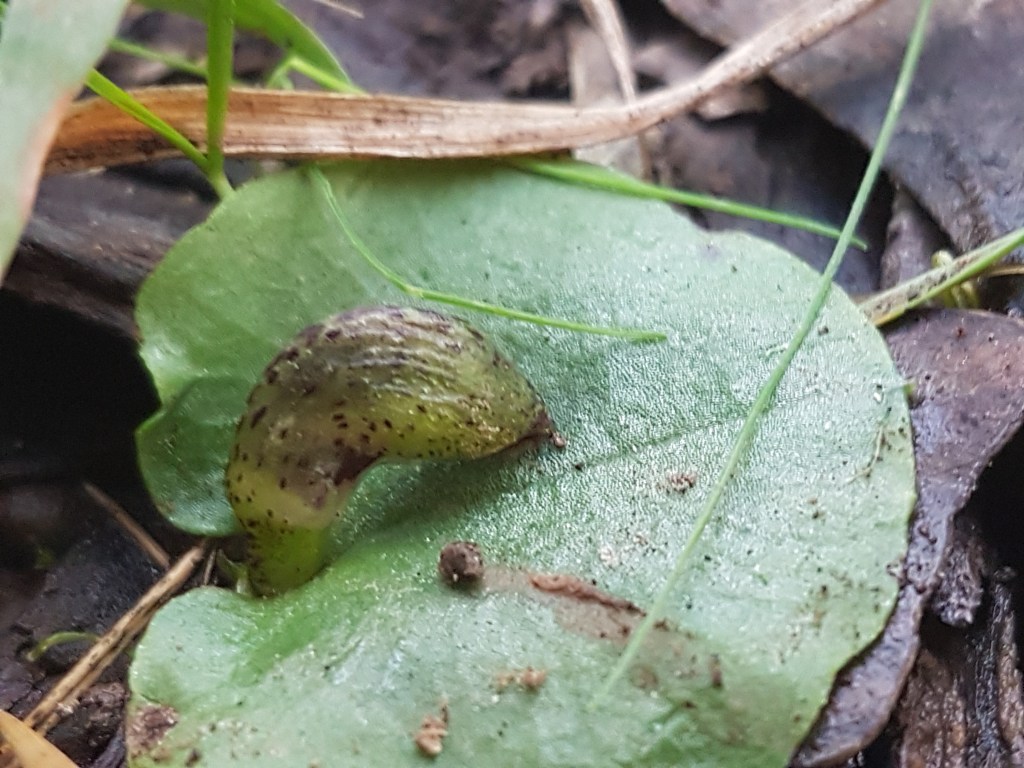
We think this orchid could be one of the Corybus sp. or Helmut Orchids. 
Guards around the Handsome Flat-peas 
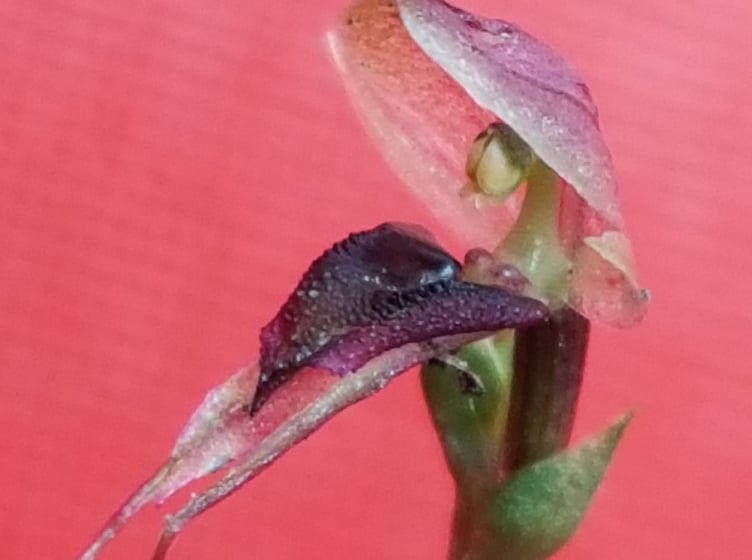
This tiny little orchid was in flower. Acianthus collinus (Hooded mosquito Orchid) 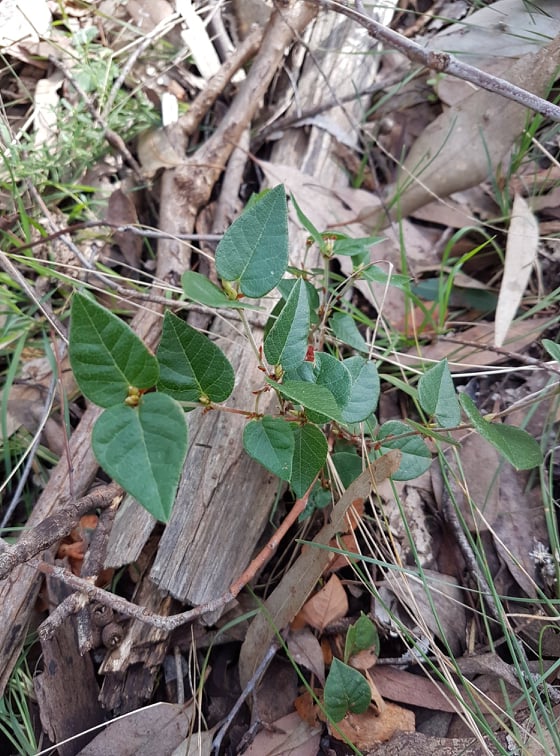
Handsome Flat-pea 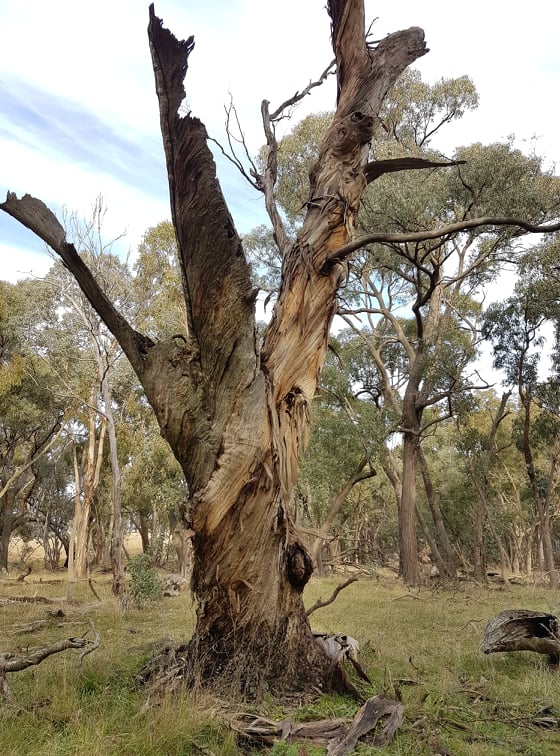
Great old dead tree still providing hollows and an important part of this remnant patch of Woodland. 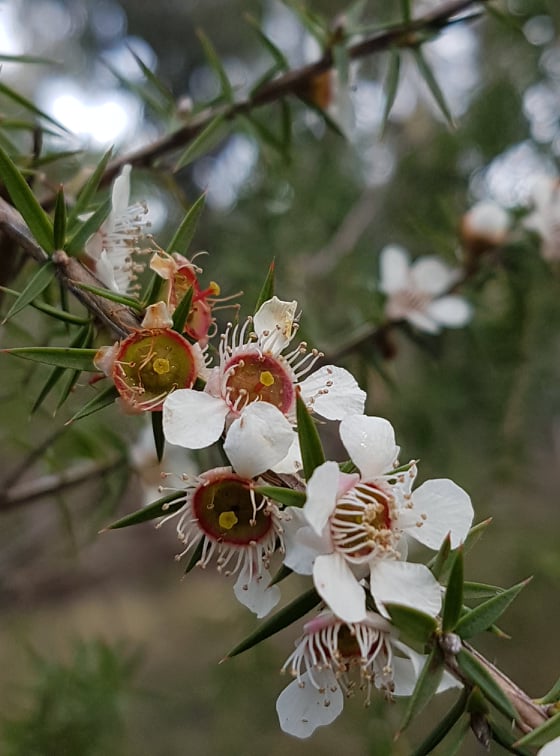
Leptospermum sp. One of the Tea Tree species and it was currently in flower which is great in the winter. Cheery white flowers. 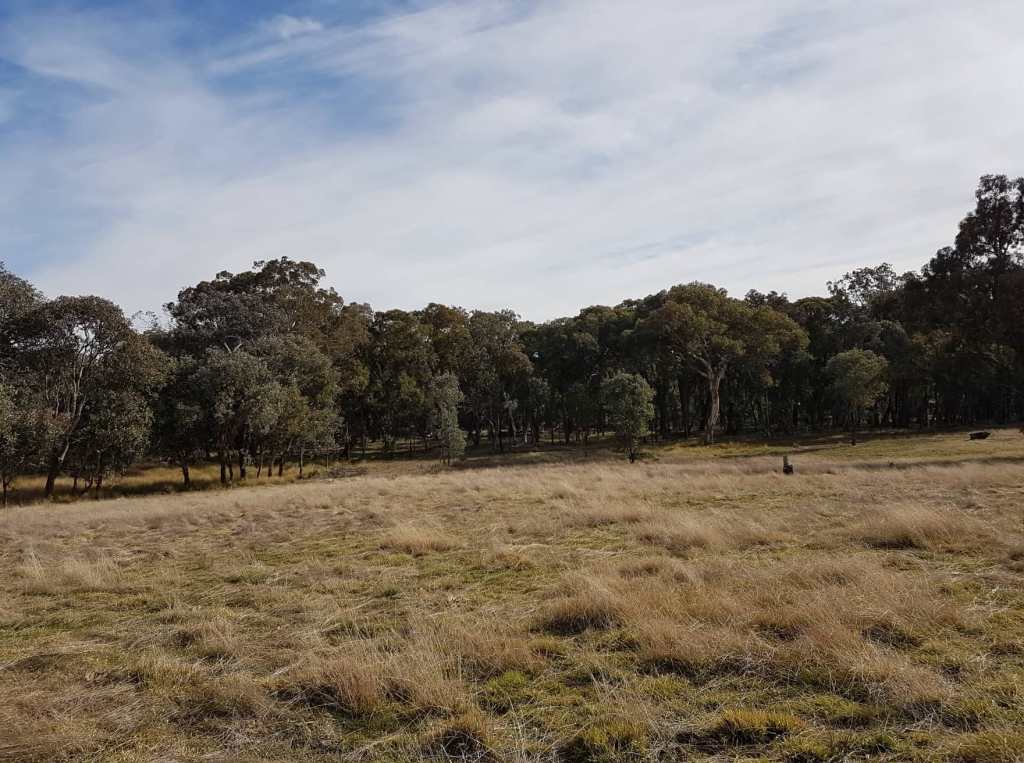
Beautiful remnant Woodland patch.
2021 Community Purchases Outcome

This year we decided to build on the Community mesh purchases we have completed the last few years by including a second height of mesh and also to trial some new biodegradable small tree guards. This was done at the request of many of you and I must say it has been another successful purchasing effort. By purchasing together we are able to buy in bulk and reduce the costs for us all 🙂
The summary for 2021 is :-
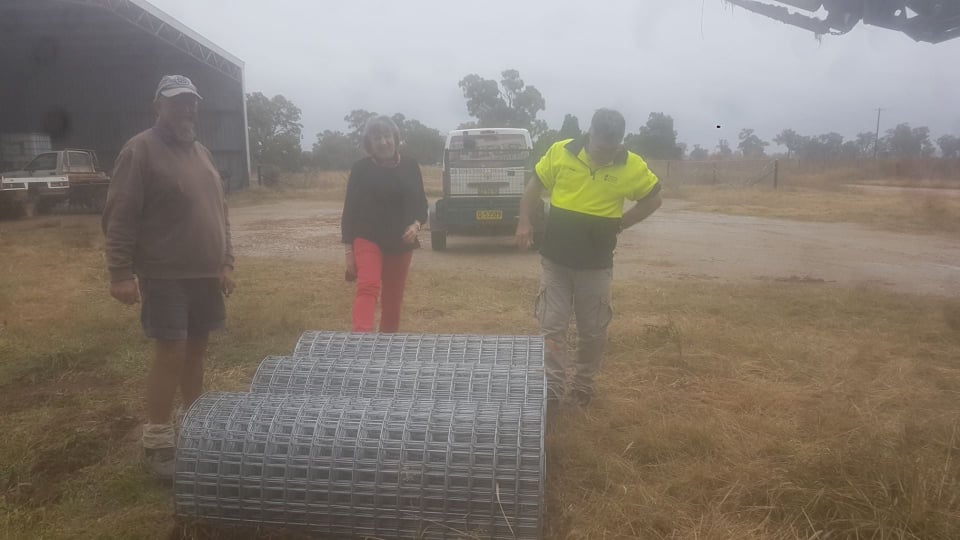
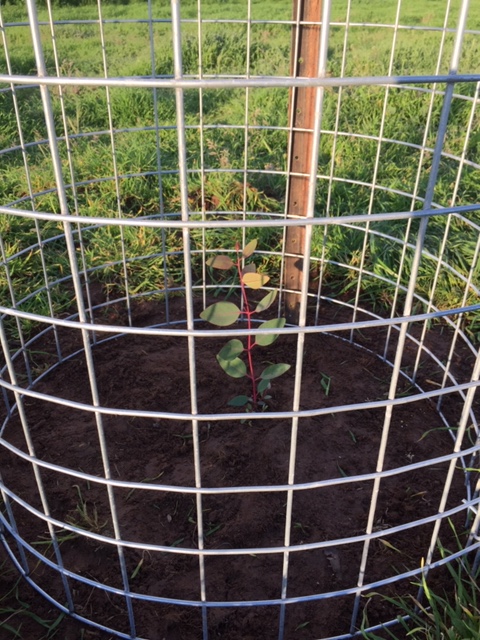
- 14 rolls of 1650 high heavy duty stock proof tree guard mesh which will result in 168 new scattered paddock trees on 8 farms across the region.
- 35 rolls of 1200 high heavy duty stock proof tree guard mesh which will result in 420 new scattered paddock trees on another 8 farms across the region.
- 2000 biodegradable tree guards being trialled on 11 farms across the region.
This is such a great result and wonderful to see some new people getting involved in the purchasing and planting of scattered paddock trees across their farms.
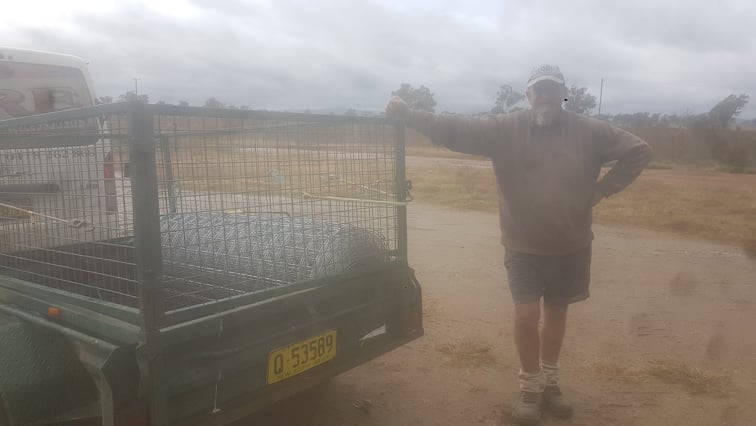
A huge thanks goes to Will Johnston (Cargo) and Marion Mitchell (Cowra) for volunteering to be depots for the delivery of the mesh and guards. They then coordinated everyones collection times. It worked so much better this year than other years when we have had to hand load from the office in Cowra!!
A special thanks also to NSW Saving our Species Box Gum Grassy Woodland Habitat on Farm project for providing some funds to further reduce the costs of the mesh this year.
The small biodegradable tree guards seem to be going well. We used 2 bamboo stakes instead of a hardwood stake and reports so far are that everyone is happy with them. They are suppossed to last about 18 months. You can find out more details on them here if you are interested. It worked out a much better price to purchase 2000 of them and deliver to a central depot.
We will try and do this again in 2022 so if you have any other products you think would be good to do a bulk purchase of let us know.
Feel free to send us through photos of your scattered paddock trees. We love them!!!
You can find out more about the importance of scattered paddock trees here. It gives you an idea of why it is so critically important for us to start planting new ones now and every year 🙂



 Mid Lachlan Landcare