Mid Lachlan Landcare
supporting sustainable agriculture and restoring the environment
2021 Community Purchases Outcome

This year we decided to build on the Community mesh purchases we have completed the last few years by including a second height of mesh and also to trial some new biodegradable small tree guards. This was done at the request of many of you and I must say it has been another successful purchasing effort. By purchasing together we are able to buy in bulk and reduce the costs for us all 🙂
The summary for 2021 is :-
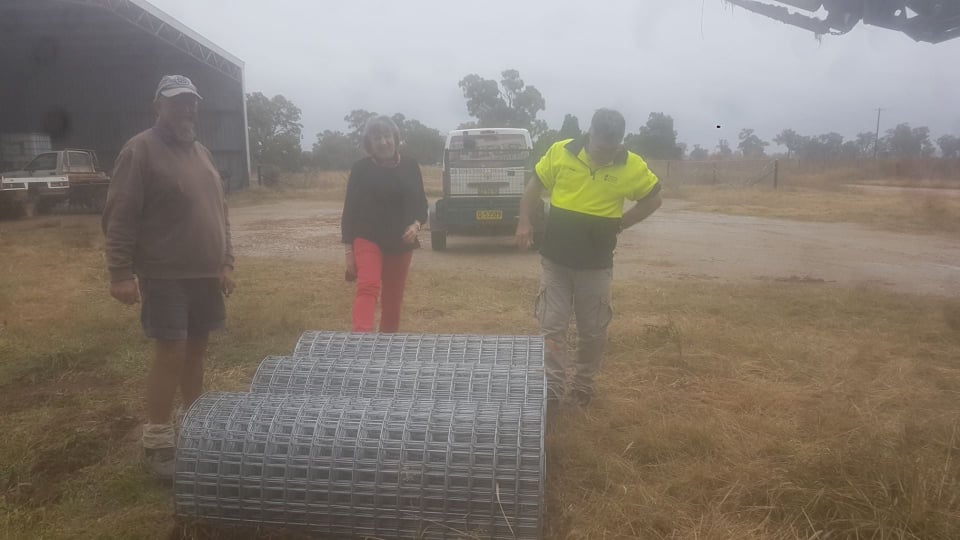
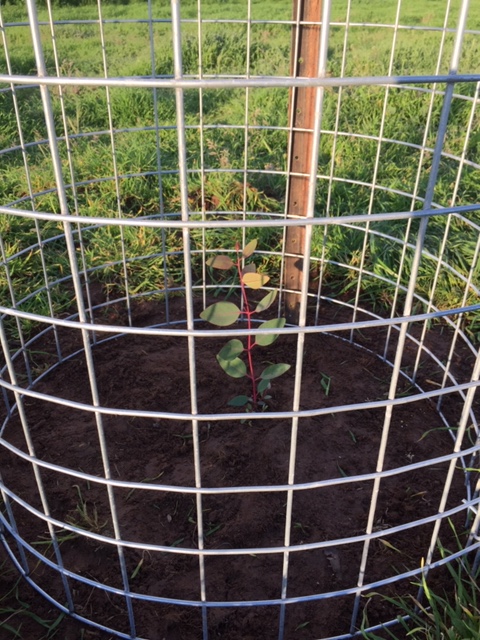
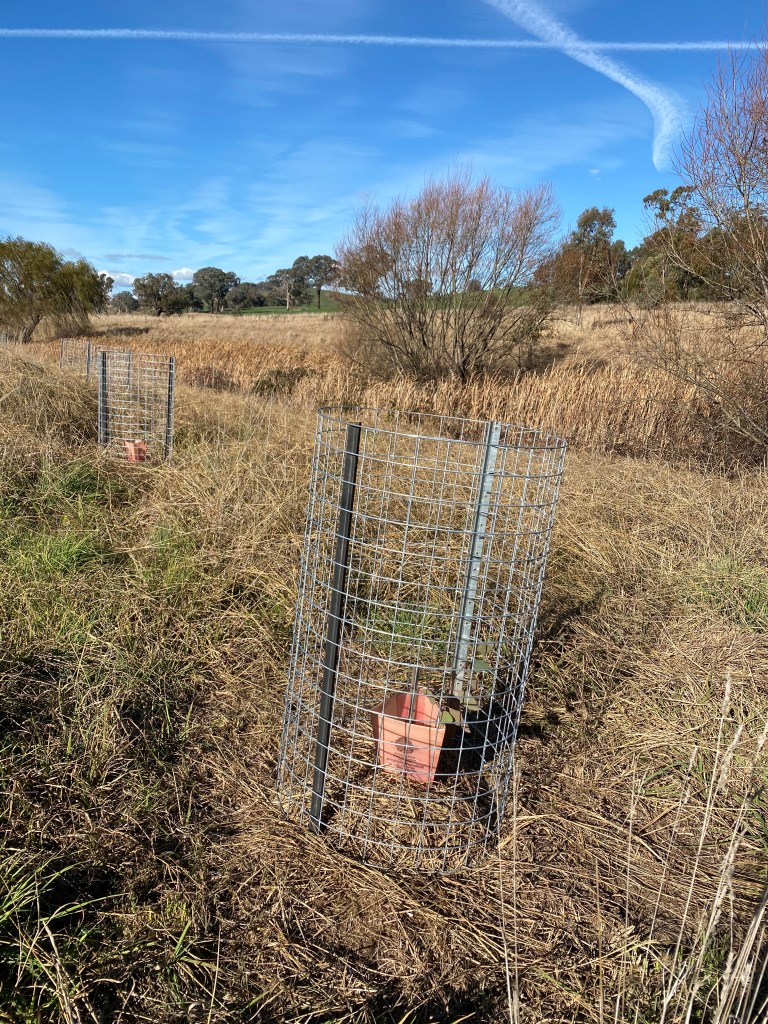
- 14 rolls of 1650 high heavy duty stock proof tree guard mesh which will result in 168 new scattered paddock trees on 8 farms across the region.
- 35 rolls of 1200 high heavy duty stock proof tree guard mesh which will result in 420 new scattered paddock trees on another 8 farms across the region.
- 2000 biodegradable tree guards being trialled on 11 farms across the region.
This is such a great result and wonderful to see some new people getting involved in the purchasing and planting of scattered paddock trees across their farms.
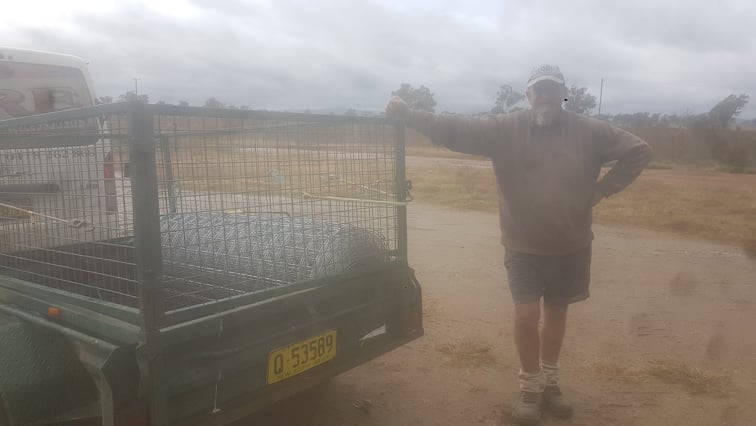
A huge thanks goes to Will Johnston (Cargo) and Marion Mitchell (Cowra) for volunteering to be depots for the delivery of the mesh and guards. They then coordinated everyones collection times. It worked so much better this year than other years when we have had to hand load from the office in Cowra!!
A special thanks also to NSW Saving our Species Box Gum Grassy Woodland Habitat on Farm project for providing some funds to further reduce the costs of the mesh this year.
The small biodegradable tree guards seem to be going well. We used 2 bamboo stakes instead of a hardwood stake and reports so far are that everyone is happy with them. They are suppossed to last about 18 months. You can find out more details on them here if you are interested. It worked out a much better price to purchase 2000 of them and deliver to a central depot.
We will try and do this again in 2022 so if you have any other products you think would be good to do a bulk purchase of let us know.
Feel free to send us through photos of your scattered paddock trees. We love them!!!
You can find out more about the importance of scattered paddock trees here. It gives you an idea of why it is so critically important for us to start planting new ones now and every year 🙂

Cafe Champignon Cowra

By Trudi Refshauge
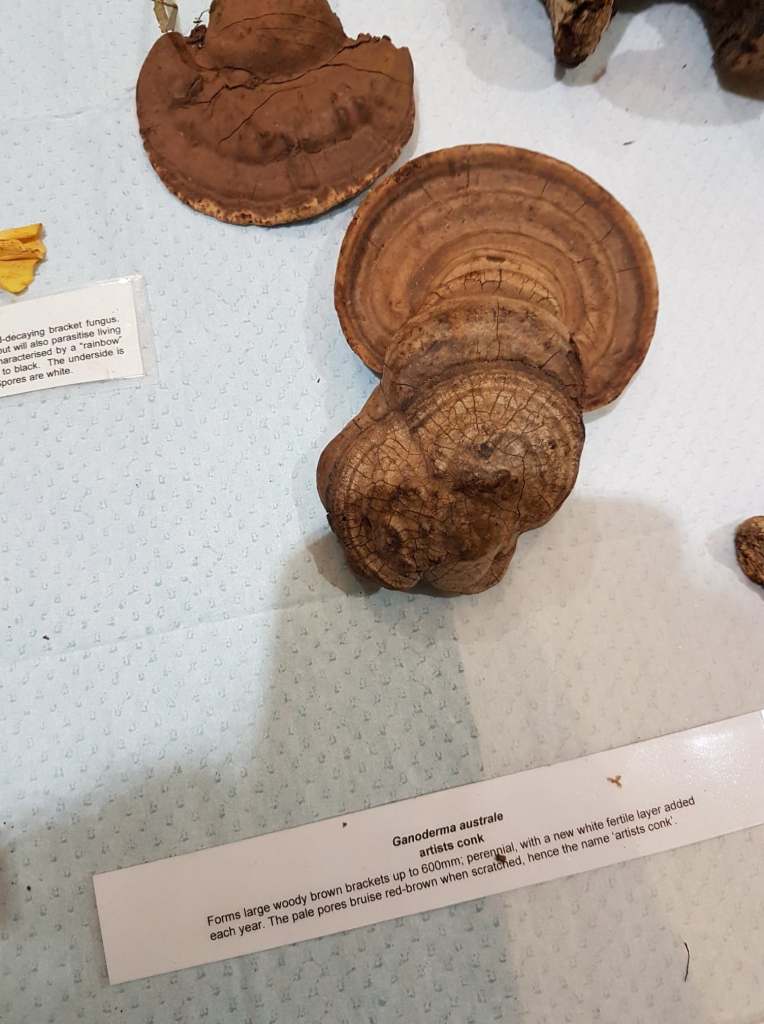
When you see a humble mushroom growing in a paddock or beside a fallen log, do you wonder if it’s toxic or beneficial, can it be eaten or will it kill you?
International fungi expert, Alison Pouliot, recently visited Cowra and was invited to run a workshop for interested locals by Mid Lachlan Landcare and Cowra Council’s Natural Resource Management Committee.
A mushroom is neither animal nor plant but contains properties from both kingdoms. Mushrooms are the external flowering part of fungi, which is a third kingdom on its own.
Farmers attending Pouliot’s talk were interested to learn mushrooms have an important function in agriculture. They were told fungi play a key role in holding soil particles apart, making it sponge like and habitable to invertebrates like worms allowing soil to be further aerated.
“Fungi have a root like structure known as mycelium which allows water to trickle down deeply into the soil. Without mycelium, soil becomes anaerobic,” said Pouliot.
Pouliot explained there is a nutrient exchange going on when fungi sits around plant roots.
“Fungi forms a sheath around the root systems of trees, grasses and other plants. This can increase the surface area of the root by over 1,000 times, allowing plants to access water and nutrients more easily and send carbon from one tree to another.”
Pouliot explained this underground fungal network can source water from a drain line or dam and feed it to plant roots at higher or dryer points in the landscape.
Fungi has implications “greater than we ever once imagined” Pouliot said. An old mother eucalyptus tree can connect to up to 37 younger trees through their roots and connected mycelium. “Potentially what you do to the mother tree will effect the health of these younger trees.”
Ray Walsh from Cowra Council’s NRM committee said that farmers attitudes have changed since the 1970s and 1980s. “They understand the importance of avoiding soil compaction and minimizing stubble burning which may help fungi in their soils. They are very interested to learn about the role fungi plays in improving carbon in our soil,” he told Pouliot.
For those interested in foraging for fungi, Pouliot explained picking mushrooms has been a toxic threat feared by all except the highly trained. “You use all your senses when selecting toxic from edible mushrooms.
When touching a stem you need to assess if it feels like velvet, suede, sandpaper, butter, wax or mucous. The smell of fungi can range from iodine, ammonia, chlorine, burnt rubber or burnt hair. It’s also important to observe their shape and where they grow,” said Pouliot.
Mid Lachlan Landcare officer, Tracee Burke said she was pleased with the capacity turnout. “It was incredible to hear Alison say that fungi does the same thing as irrigation and fertilizer with its ability to distribute moisture, nutrients and minerals in the soil.”




Box Gum Grassy Woodland Site bird surveys completed

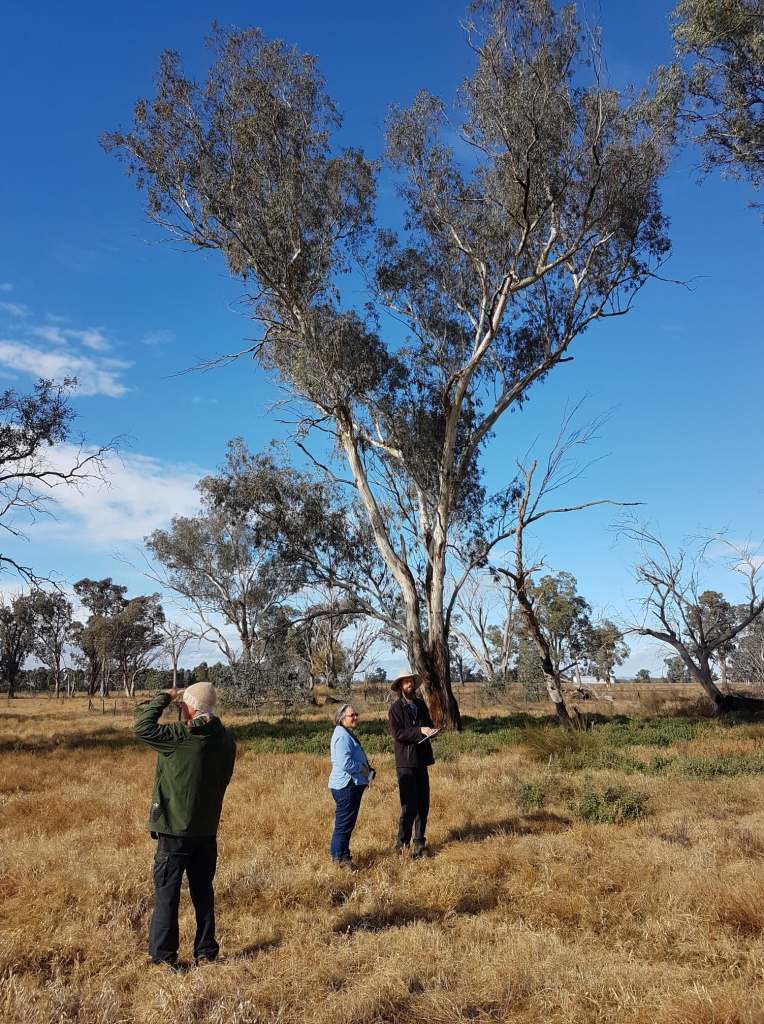
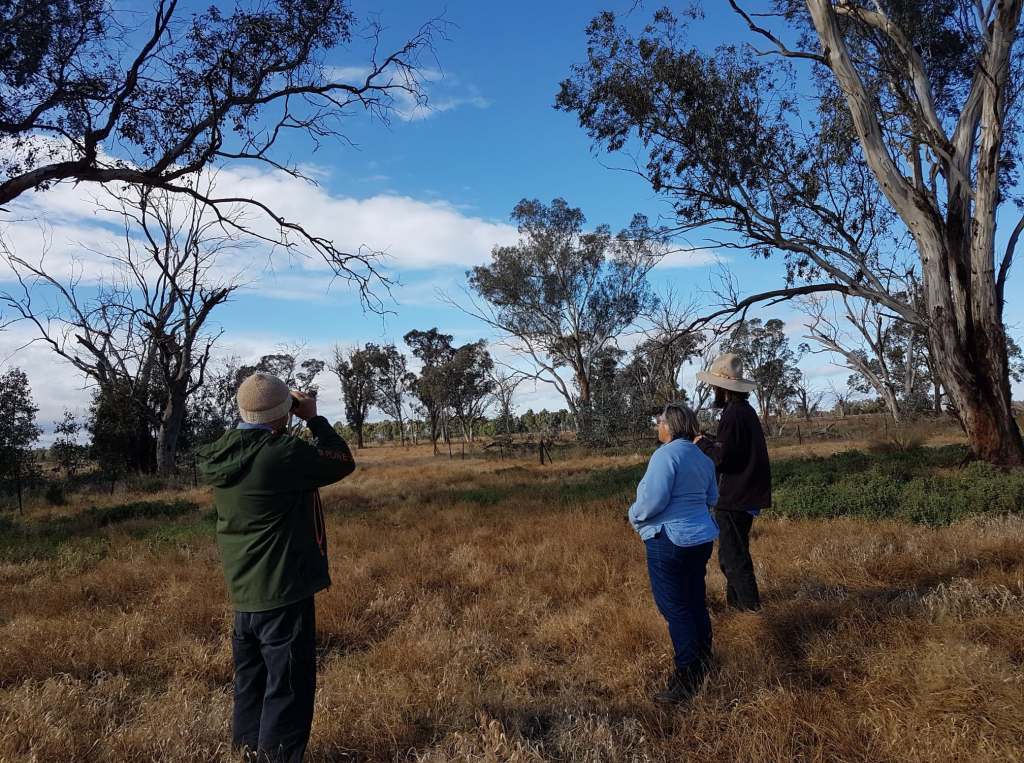
We had a fantastic time during May performing bird surveys on our nine year 1 project sites. We had our expert Dan Florance along to positively identify the bird species found during each 20 min survey.
At most of the sites we had the landholder as well as another participant taking part in the surveys. This way we all had a chance to learn more via visiting other sites and also a chance to hone those bird ID skills by taking part in a couple of surveys.
Even though we surveyed in May we identified Superb Parrots on 5 of the 9 sites surveyed which was fantastic news. It seems these birds are spending more of the year hanging around the Cowra area than ever before.
Another special find was Grey Crowned Babblers on one of the sites. Reports from a knowlegable neighbor indicates that Grey Crowned Babblers haven’t been seen on these farms in many years. All the work that these project sites along with previous works to improve habitat and enhance Box Gum Grassy Woodlands appear to be making a difference not just for the Woodlands but also those animals that rely on it to survive.
Some other notible species identified were :-
- Nankeen Kestral
- Noisy Miners
- Red Wattlebird
- Southern Boobook
- Pied Butcherbird
- Crested Pigeon
- Australian Wood Duck
- Black Kite
We also managed to get slightly distracted on one site by a gorgeous little Stone Gecko who stole the show from the birds. There is a picture of him/her in the slideshow below.
If you have a patch of ‘bush’ on your farm we highly recommend taking a little time out from all the jobs and spending a bit of time walking around in there. It is so special to have a patch of wildness and it is so important for the survival of Box Gum Grassy Woodlands in the future. Every patch is important!!
Don’t forget you can contact us midlachlanlandcare@gmail.com to find out how you can get involved in this project.



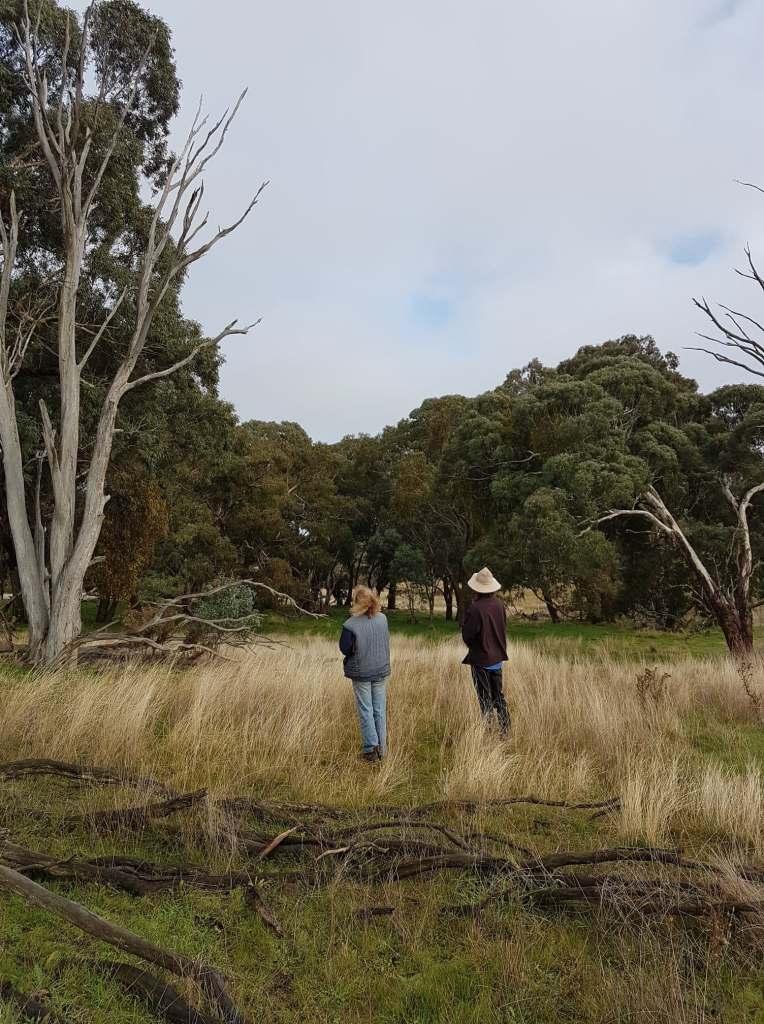


Meet the Board ‘Growing the Grazing Revolution’
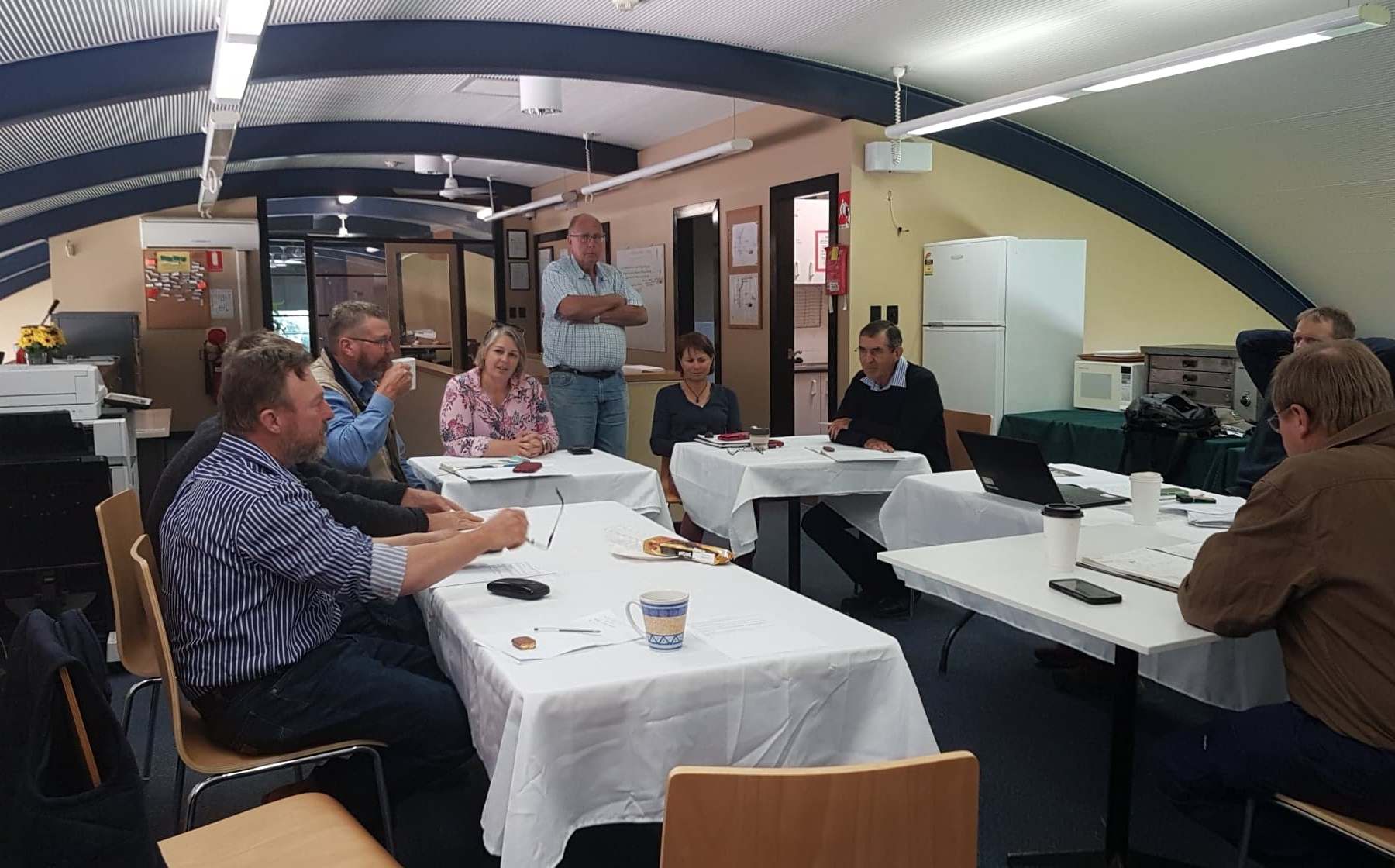
It is time to introduce you all to the wonderful volunteer board that guides our ‘Growing the Grazing Revolution’ project. These passionate individuals come together to help make this project what it is and they are a big part of it’s success and continuation over the last 10 years.
We asked them if they would like to answer the following 3 questions about what drives them to volunteer their precious time to this project.
1) What do you enjoy the most about being on the Growing the Grazing Revolution board?
2) What’s the most exciting thing about your farming business?
3) Could you please give us 3 words that describe Mid Lachlan Landcare.
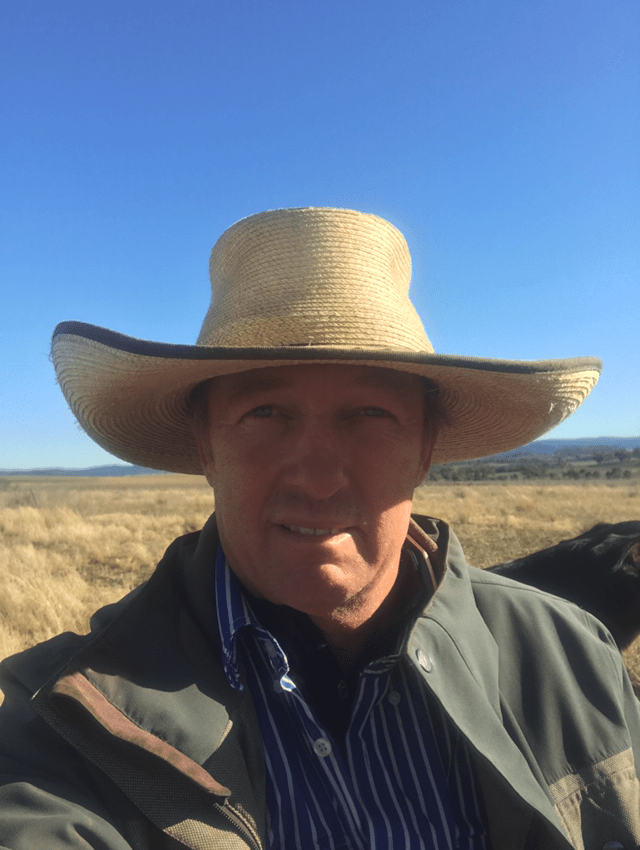
Matt Pearce – Cranbury
- Like the group of like minded people with similar farming strategies and to provide input based on experience in regen agriculture.
- Seeing the improving ecology of the land.
- Passionate, knowledgeable, diverse.
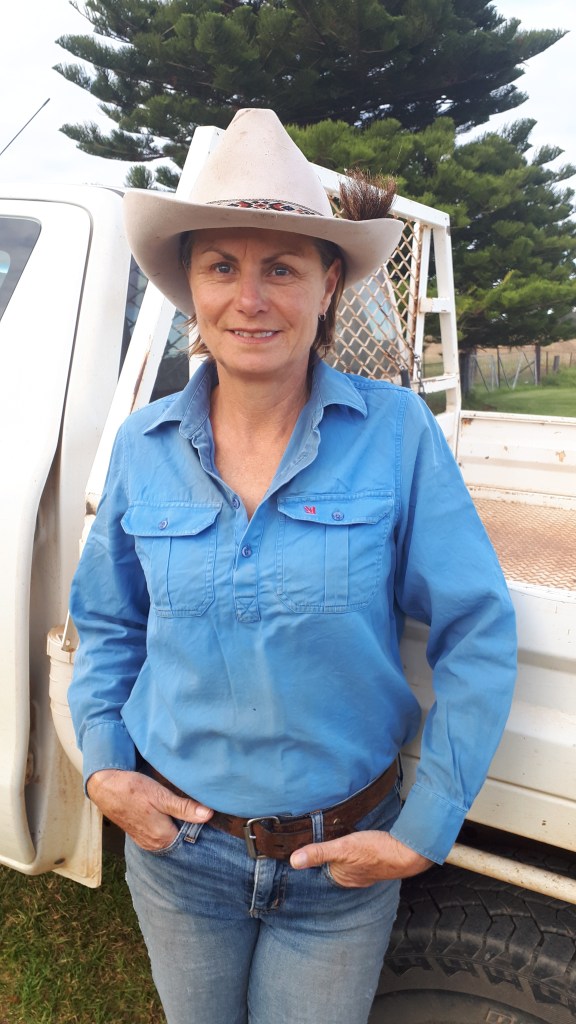
Wendy Bowman – Canowindra
- I enjoy working as part of a team because as a farmer you are often working alone.
- The most exciting thing about my farming business is seeing ecosystem functions happening right in front of you
- Passionate, committed, innovative.

Gus Hickman – Woodstock
- I enjoy my input to the board & being able to support it with decision making for continued benefit of the community.
- Developing ways to continue to run a profitable business while working in sync with the landscape. The potential to continue to increase the biodiversity and health of the land.
- Supportive, innovative, collaborative
Ross Skene – Canowindra
- As I am the oldest member on the board I enjoy the progressive input and enthusiastic ideas that are generated by my fellow board members.
- The ease of the operation and the improvement I see in the sustainability of our property in good and bad seasons. This at my age (77) has allowed me to stay on the land and pursue other off farm income producing ventures as well as having quality time with family and friends.
- Enthusiastic, progressive, dedicated.
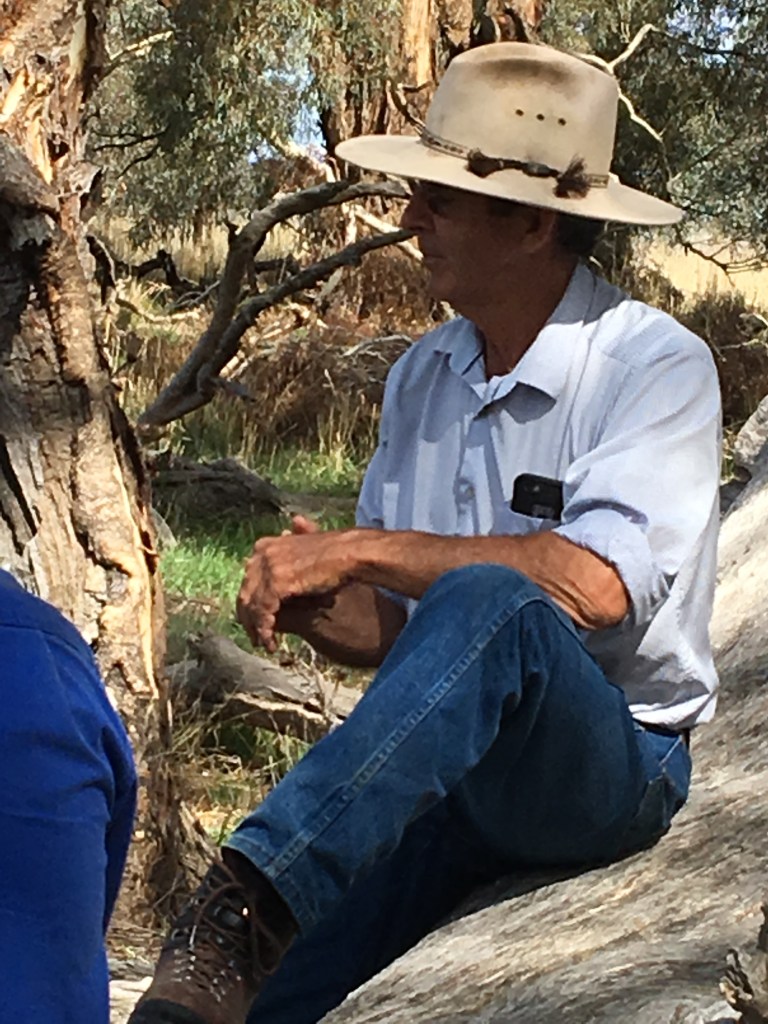
David Marsh – Boorowa
- I love being on the board of GGR because of the open mindedness of everyone who is part of it.
- Watching native warm season perennials spreading across our farm from 1 hectare max. in 1999, to big areas all over in just ten years.
- Committed to change.
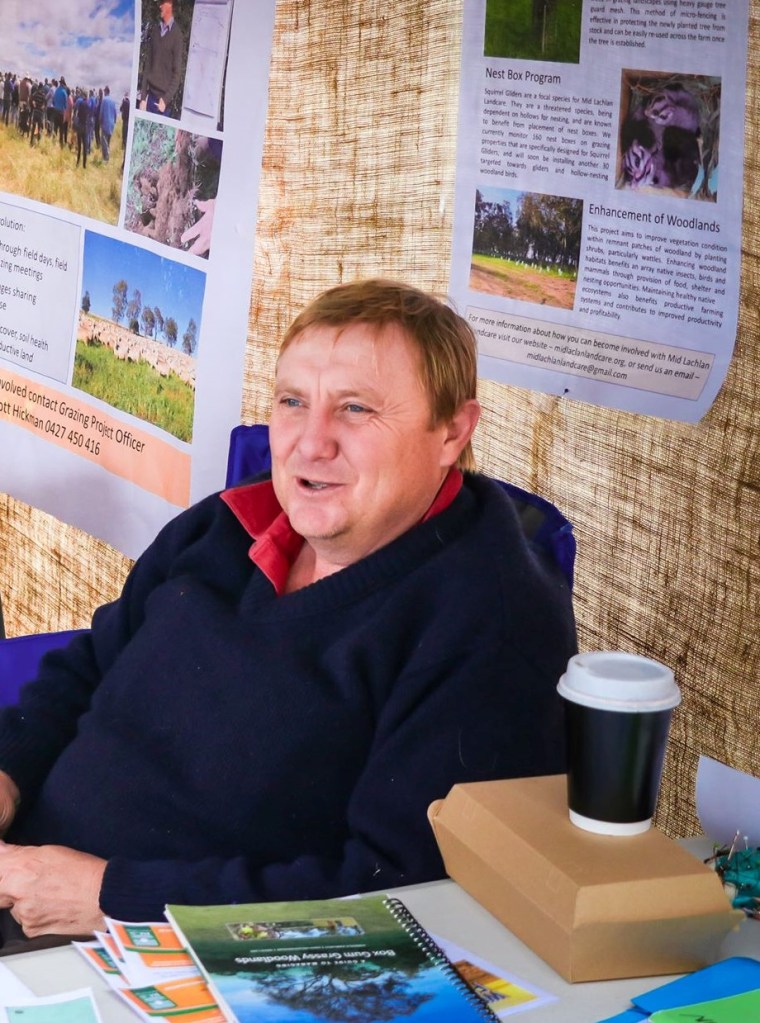
Andrew Wooldridge – Canowindra
- Learning heaps – from applied discussions with other people who have interest and expertise with profitable land management businesses that are based on healthy ecology.
- This year seeing a huge increase in variety and extent of native pasture species. Also meeting people who are interested in the link between human health, healthy food, healthy animal practices and healthy landscapes.
- Action, network, community.
Sharryn Lewis – Woodstock
- Collaboration with like minded people. Being only new to the board I am learning so much from those who have a huge amount of knowledge and experience and are so willing to share it.
- That we have 3 generations of our family who have input into decisions made. Seeing the changes and improvements that have not only happened to our soil and pasture but also our stock since we have moved to an improved grazing system.
- Engaging, proactive, collaborative.
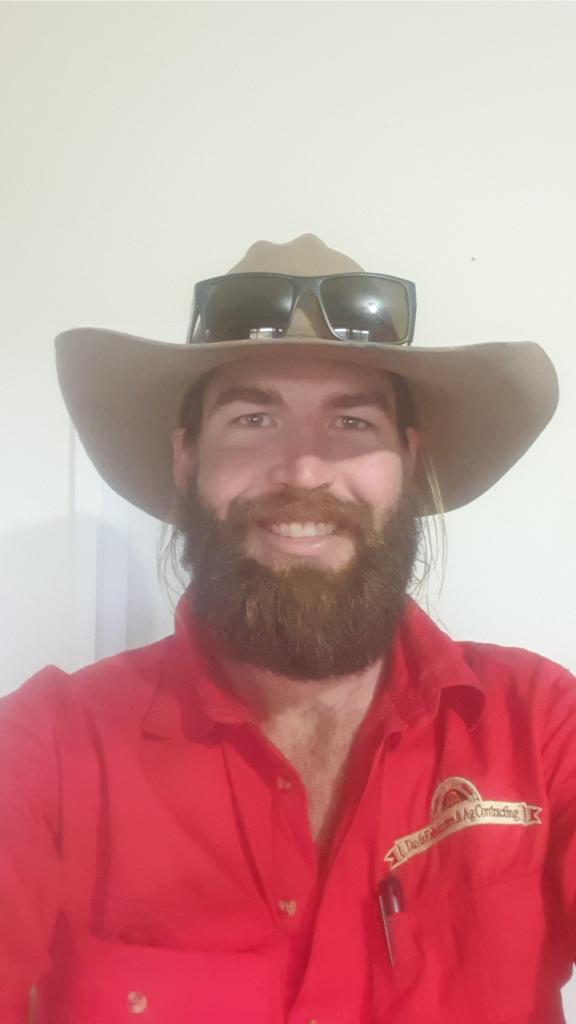
Lachlan Davis – Cargo
- I enjoy being on the board because you get to work with and learn from like minded people facing the same challenges and events that we are. Its a great opportunity to learn from a bank of experience from the fellow members.
- The most exciting thing about our business is seeing how much of a positive impact we can make and how drastically you can improve any grazing enterprise through simple grazing management principles. It’s a win, win, win. A win for the country, a win for the animals and a win for us.
- Team, education, improvement.
Dung Beetle nursery contruction in full swing

The wonderful Cowra Mens Shed is working hard to build the 24 dung beetle nurseries needed for our special Bubas bison farm breeding project. Pictured above is Rob, Chris and Peter from the Mens Shed attaching the mesh to the top of one of the nurseries.
The 12 farms around the region that are taking part are ready to go as well, which is great news.
We have heard from Bernard Doube of Dung Beetle Solutions that the beetles should be ready to travel up with him at the end of May for distribution to our project participants.
Bernard will be up to run some workshops around the region on dung beetles and their importance. Contact midlachlanlandcare@gmail.com if you would like to know more about these workshops.
Special thanks again to Central Tablelands Local Land Services for providing the funding to allow this project to happen.
You might spot this beetle around your farm now

Are you seeing much Dung Beetle activity at the moment?
They seem to have really kicked off here in the last couple of weeks. I have collected a few from our cattle dung to have them identified. I might be a bit weird but the more I’m learning about these incredibly beneficial insects the more I want to learn!!
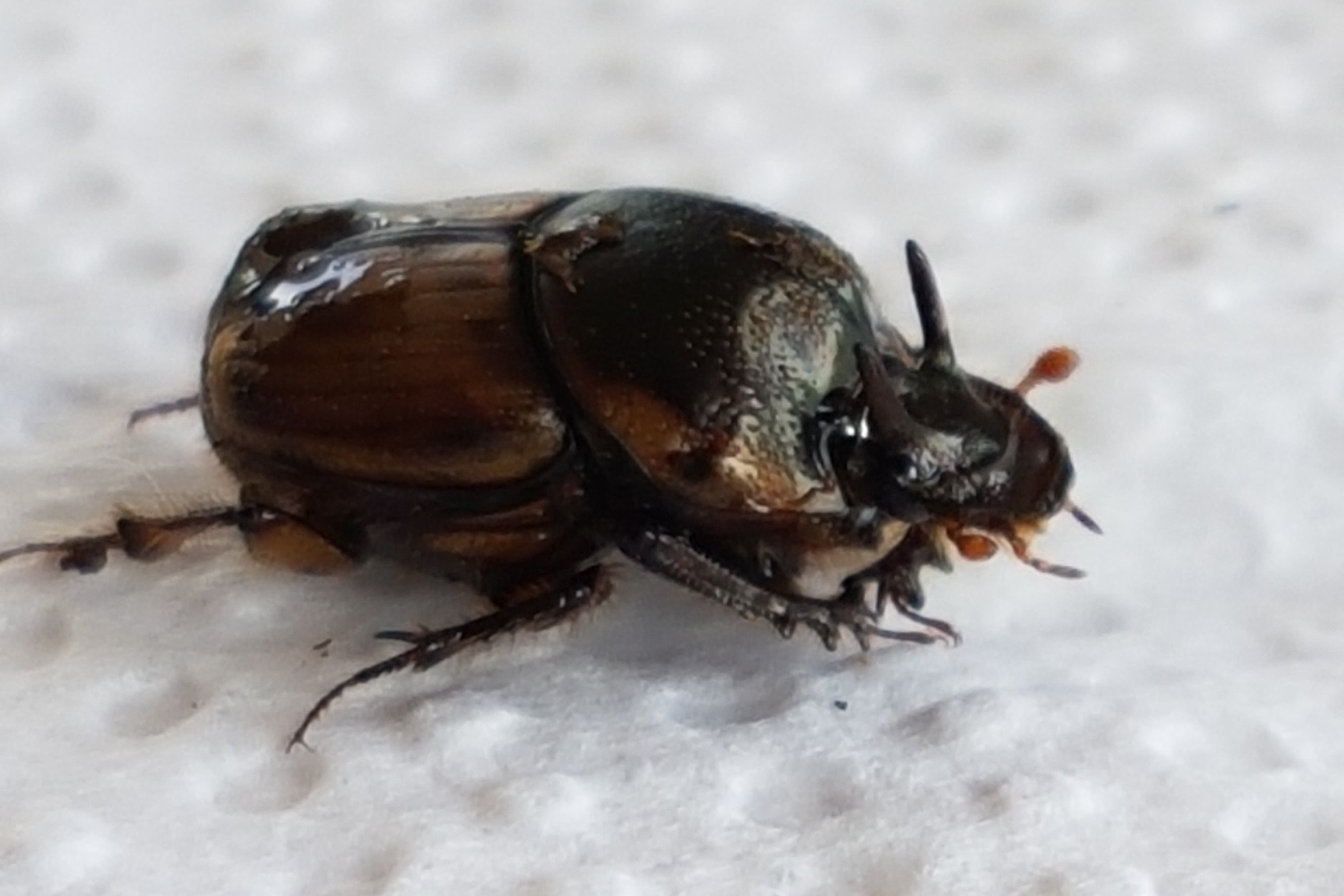
The pictured beetle is Onthophagus gazella and it was one of four species of dung beetle successfully introduced into Australia in 1968. They were native to sub-Saharan Africa. It is a two-toned beetle and males have a pair of horns at the back of their head. Another identifying feature is that the legs have distinctive dark oval patches on their undersides when the beetle is turned over which you can see on the images below.

They fly at dusk and dawn. They can be active from spring to autumn. These little guys can be now found across northern and eastern Australia to about the Victorian border.
The adult beetles build nesting galleries at the end of burrows approximately 20-25 cm below the dung pat. These galleries are packed with several dung masses or brood balls each with one egg. The development from egg-adult takes 6-8 weeks depending on soil temperature. There are at least two generations a year. Fattened mature grubs will overwinter in the dung balls they have been developing in underground. Adults that emerged from the soil in late summer will also overwinter in burrows underground.
Imagine all the goodness these beetles are adding to our soils and the improvement in water infiltration into our soils through the burrows!!
Note: no beetles have been harmed in the taking of these photos  To avoid them running across the table while trying to get photos you can pop them in the fridge for a little while. It slows them down for a short time. I was having terrible trouble trying to photograph them until someone gave me that little tip.


Sites selected for this round of Box Gum Grassy Woodland projects

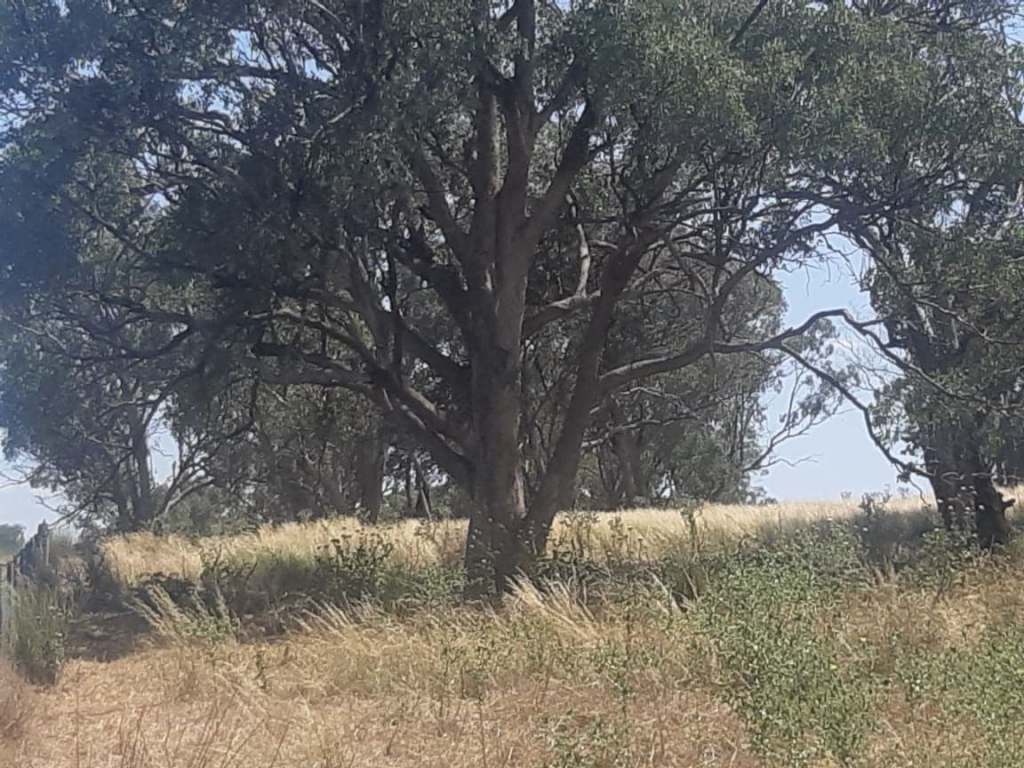
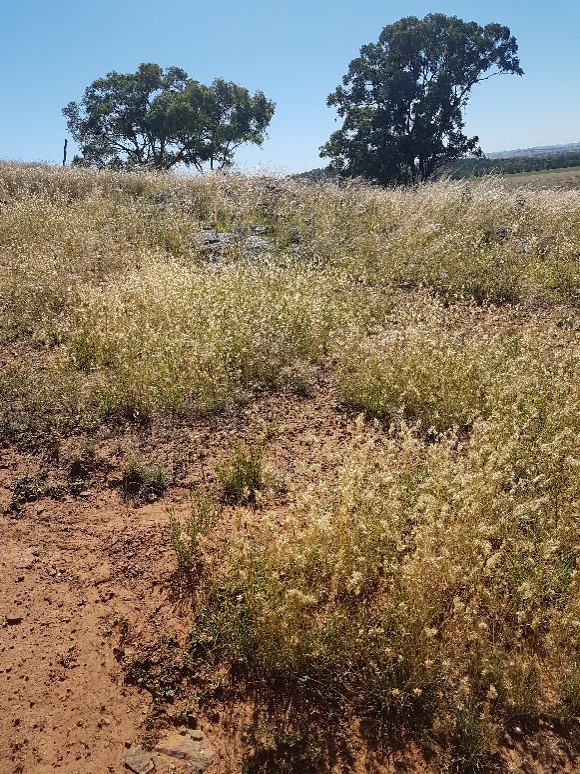
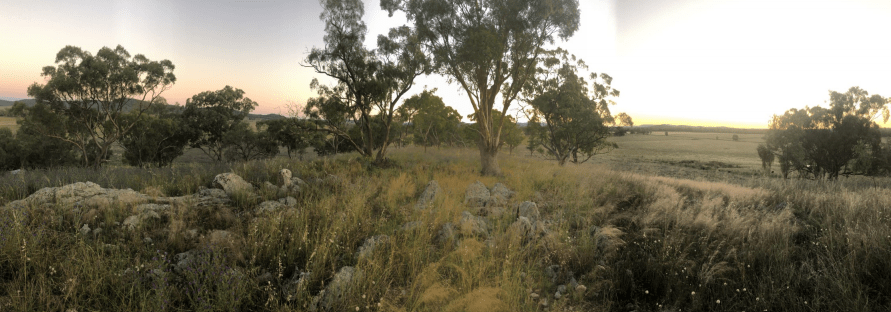
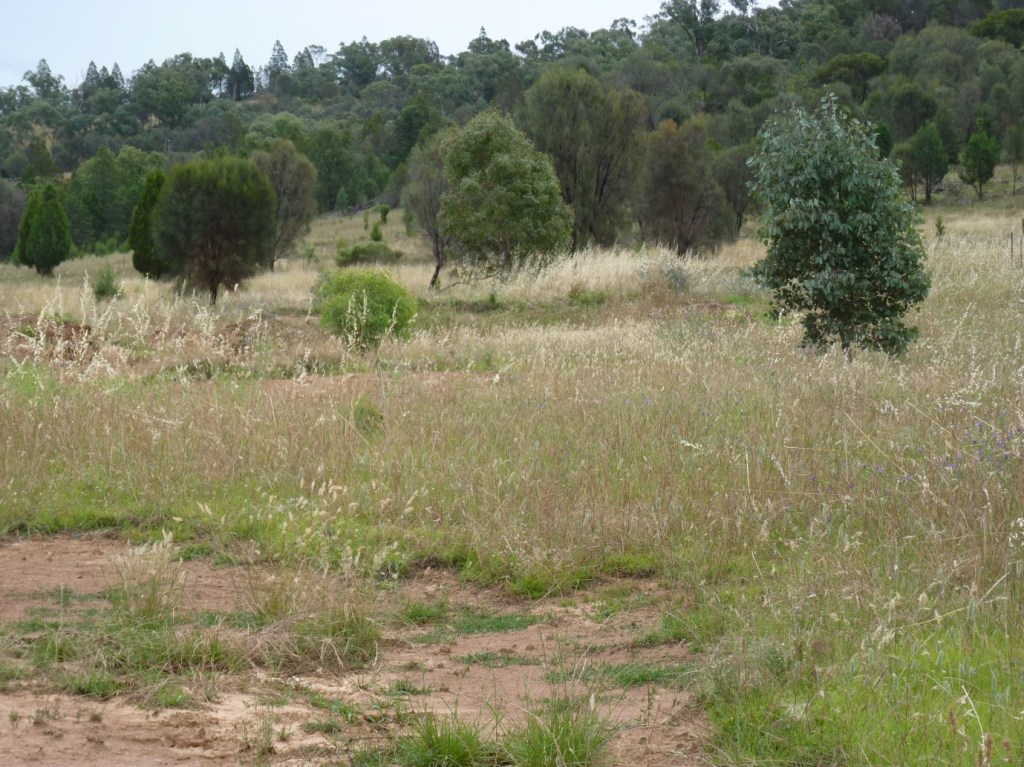
The board for our ‘White Box, Yellow Box, Blakely’s Red Gum habitat on farms’ project met in early December to go through the project proposals from this round of our project. We had some great proposals and are really excited about what these landholders will be doing on their farms to help conserve and enhance this woodland. There are 9 on-ground projects included covering an area of about 215ha which is fantastic. Check out the below slideshow for a preview of some sites. The landholders involved this round are undertaking such things as fencing, supplementary planting, weed control, understory corridor planting and implementing strategic grazing that allows for production as well as improved outcomes for their project sites in the long term.
We will soon be looking for sites for the next round of funding. This round will include 6 on-ground projects. If you are interested in finding out more or would like to conserve or enhance Box Gum Grassy Woodland on your farm within the Mid Lachlan Landcare region send us an e-mail to midlachlanlandcare@gmail.com
You can also visit the project summary here for more information.


Brigidine College did not want to miss their yearly Mid Lachlan Visit

During the second week of November we were so happy to welcome Brigidine College back to the region. This is our first school visit since COVID hit and we have missed our visiting school tours. It was so great to be out and about showing these students where their food comes from and supporting local farms and business’s.
This year we had a group of about 40 Food Technology, Hospitality and Business studies students who stayed at the ‘Old Vic Inn’ Canowindra.
The tour started at Mulyan Farms with Ed. He took them to see beetroot being harvested and the processing lines. They were able to see and hear first hand about food safety and the different ways this business is working to utilise everything harvested, value adding where they can. The students also hand picked their own beetroot to cook up as part of the evenings dinner. Many of the students had never experienced this before.




That evening the food technology students cooked up a feast for all with local fresh produce including Rayz Organic Lamb and the beetroot they had hand picked.
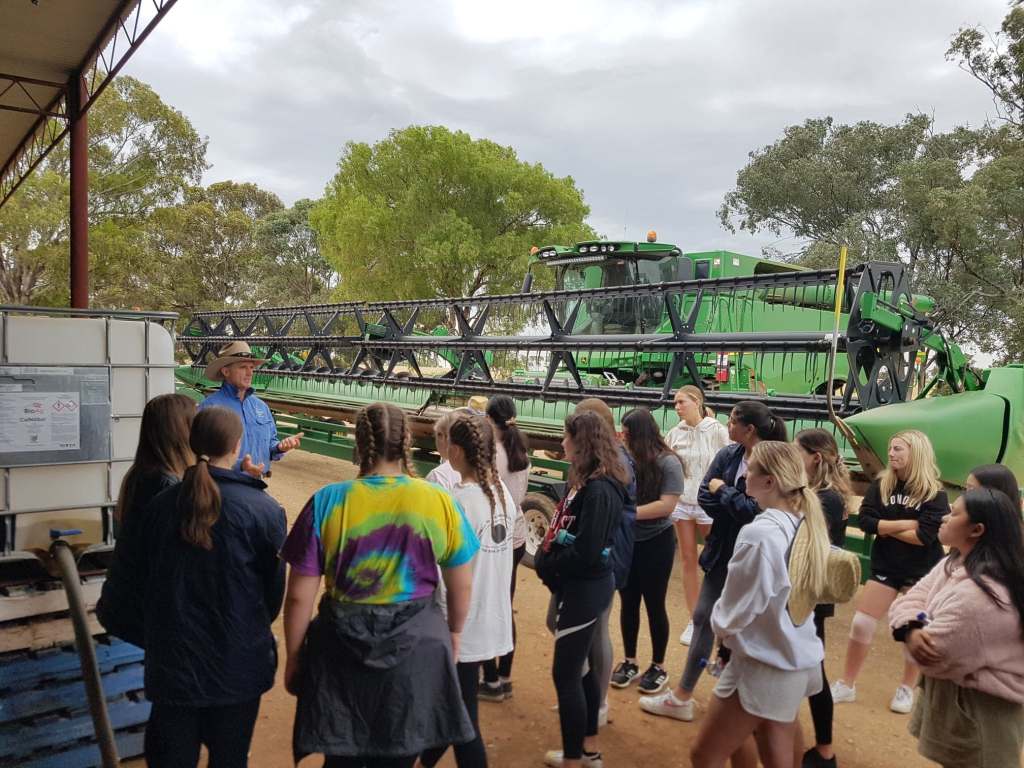
Day two consisted a tour of Rosnay Organic to learn all about growing figs and olives organically. Next stop was ‘Belmont’ a mixed farm in Canowindra where Stuart McDonald showed them his crops and the machinery that is used to harvest. At ‘Oatleigh’ Scott Hickman went through his grazing operation for the ladies and they were able to see the shearing of some sheep. They were also lucky enough to visit La Barre olives processing facility at Canowindra.
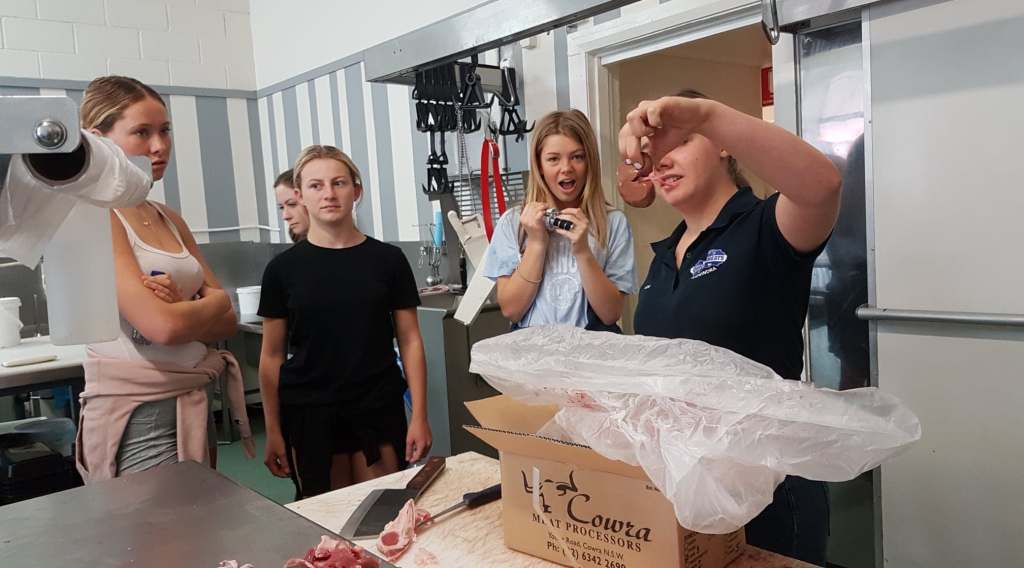
On day three we started pretty early with a visit to the lovely guesthouse Eddy’s of Canowindra and the awesome Muzzy’s Quality Meats where the team demonstrated how a lamb is cut up to make all the cuts you see in store. Last but not least on their way home Scott and Peter organised with the Carcoar Saleyards for the ladies to come and see how a saleyard works.
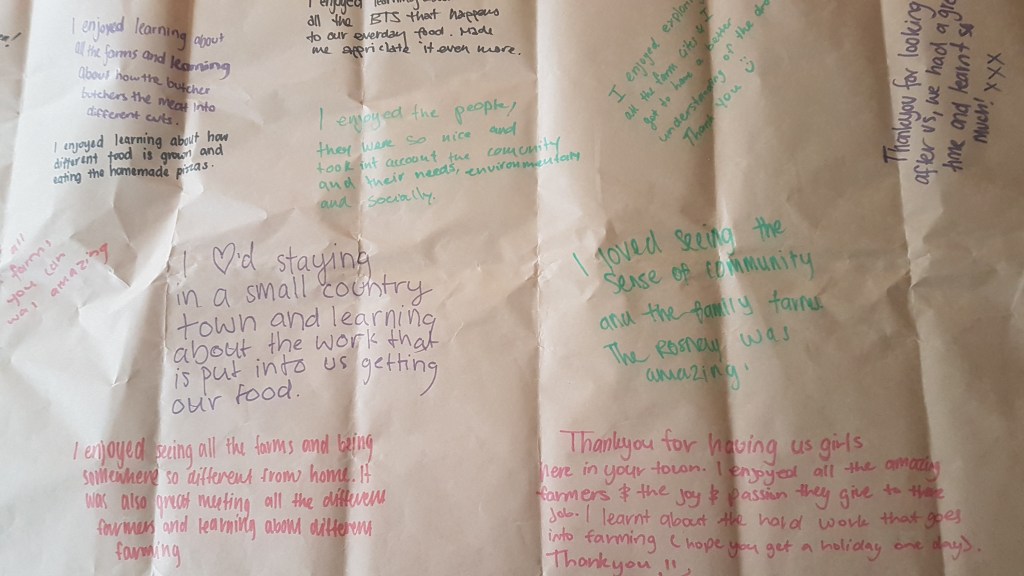
Thank you so much to everyone involved in making this an experience the ladies will never forget and giving them such important hands-on information that will be invaluable for their studies. It is such a great way to bridge that city-country gap.
Check out the video below of a couple of the ladies describing their experiences.
2nd annual Cowra Archibird Photo Competiton a great success

The Cowra Natural Resource Management Committee have been able to run this competition during 2020 and what fantastic entries we had. Mid Lachlan Landcare partnered with the committee to help out with the admin of the competition and also provided some funding through the ‘Saving our Superb Parrot’ project which is funded under the NSW Government Saving our Species program.
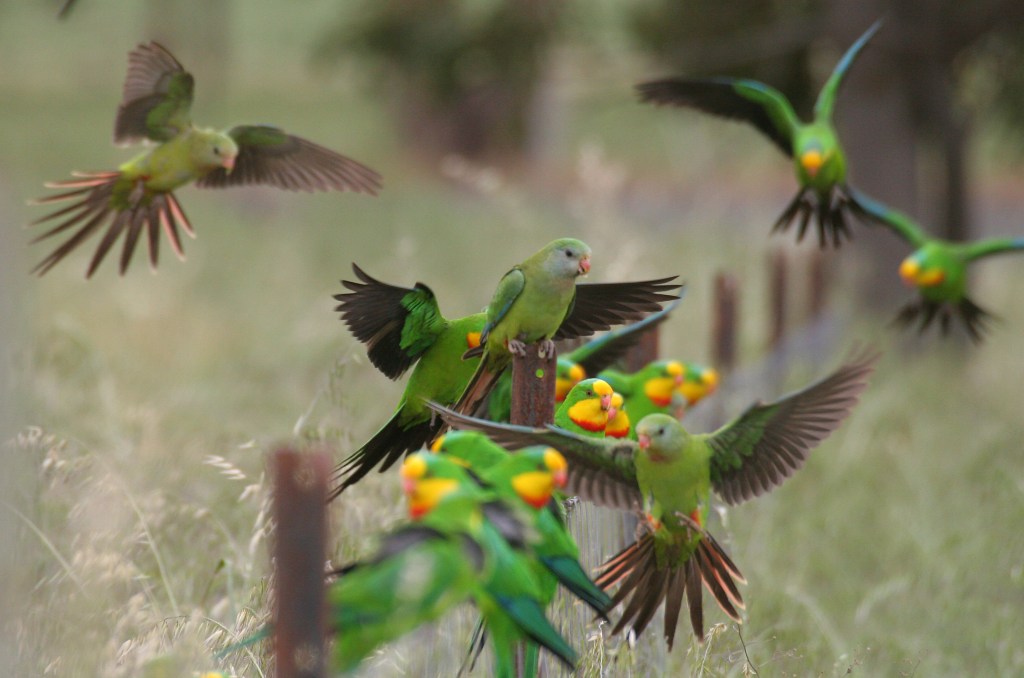
This year we had Open, Teen & Youth categories as well as a best Superb Parrot photo prize. Check out the winning pictures below. If you would like to see all the amazing pictures then go to the Cowra NRM facebook page.
John Cooper was the judge of the Open, Teen and Youth categories. What a difficult task he had!!
We were also lucky to have 3 individuals who have been very important in the ‘Saving our Superb Parrot’ project judge the Best Superb Parrot photo. These were Damon Oliver (Department of Planning, Industry & Environment), Gordon Refshauge (Chairman of Hovells Creek Landcare) and John Rankin (Cowra Woodland Birds).
Overall we had over 200 entries and at least 65 different bird species were photographed all within 100km of Cowra. The plan is to run this again in 2021 so get your cameras out and start snapping so you have some entries ready for next year 🙂



 Mid Lachlan Landcare