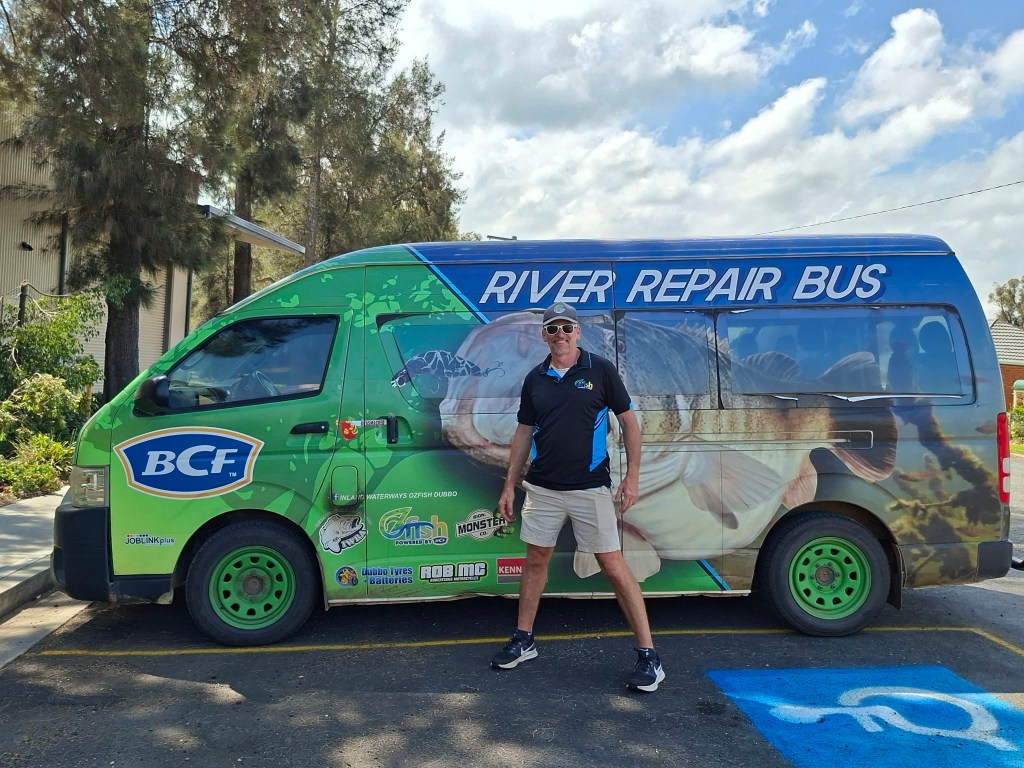
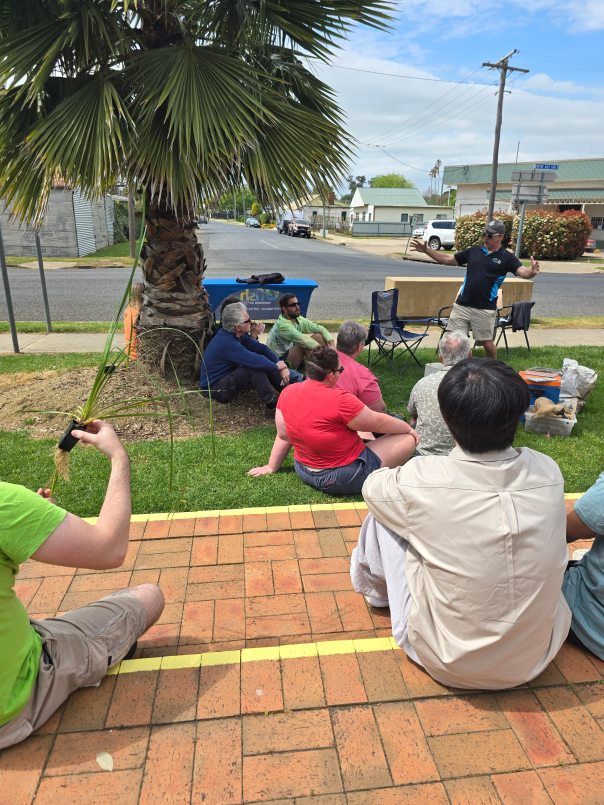
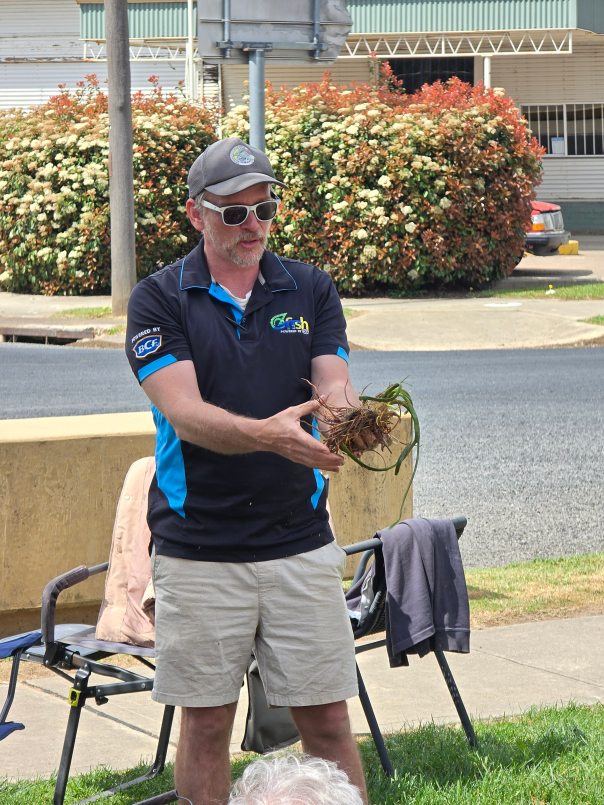
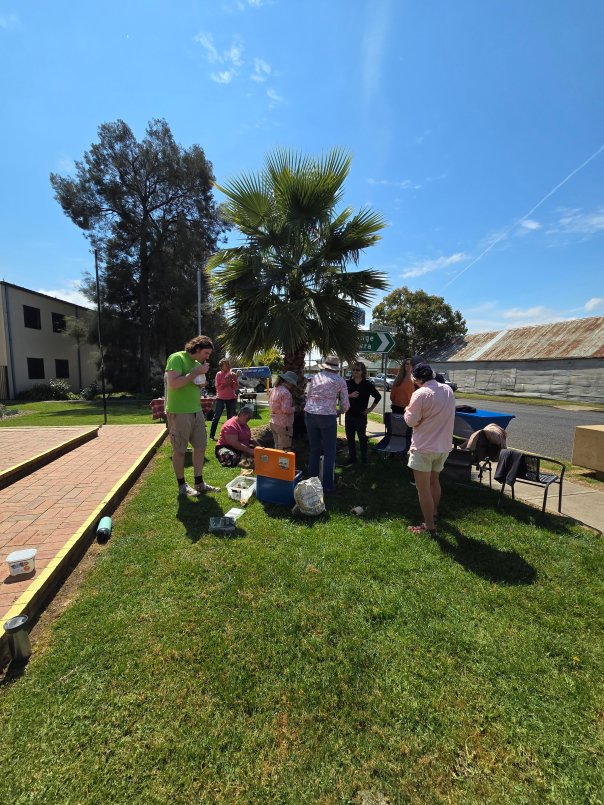
Our second ever carp muster was held earlier this month and this year it came with something a little extra. Sean from Oz Fish (pictured below) mentioned that he’d like to host a workshop on wetland plants during the time people were off fishing. We thought that sounded like a great idea so we set about spreading the word…
Pictured below Sean Graham, Oz Fish and River Repair Bus Dubbo.
One reason Carp can take over our waterways is because they are ecologically degraded, lacking plant diversity and often being eroded and polluted. Our native fish, frogs and beneficial insects need are struggling with a lack of suitable habitat for feeding, breeding and hiding from predators. That’s what this workshop aimed to address.
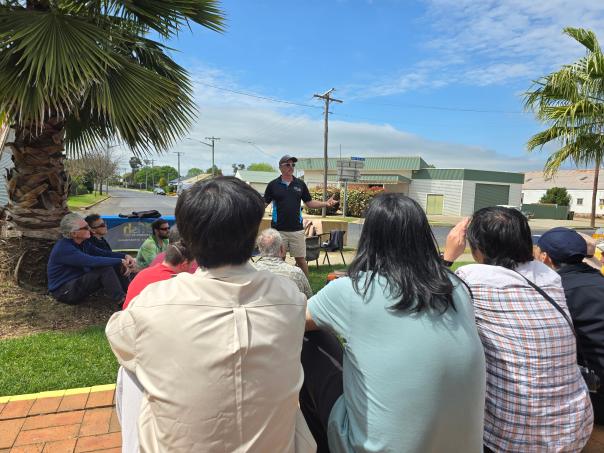
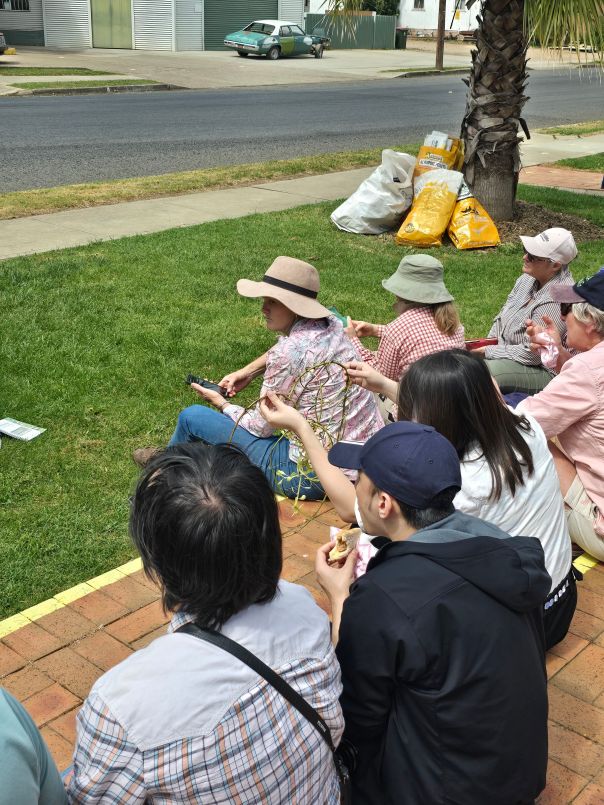
We were thrilled to see so many people join us for this fun and informative talk and interactive workshop and were even more excited to hear that some of our participants went straight home and planted their torpedo’s to get their wetlands up and growing!
For those that couldn’t make it Sean has typed up some notes which I’ve shared below. You can also download this resource for a bit more instruction on where different plants like to sit.
Having c0nducted projects around farm dams around our region in the past, we’re super excited about this as we know there are quite a few of our members sitting on huge potential for little water oasis across our dryland agriculture landscape.
Investing in building vegetation around the wetter areas of your property has so many benefits, not least as part of your approach to natural capital investment. Earlier this year we got together with Tamara Harris from Local Land Services for a workshop at a farm in Woodstock where we talked about the research Sustainable Farms have just completed across the region. You can download that report here.
The plants we discussed at the event were:
Casuarina cunninghamiana (river she-oak) and Lomandra longifolia, preferred trees and sedge-like plants, respectively, for the water’s edge. Don’t mind having their roots wet and are aggressive growers with good root masses. No torpedos required.
Water primrose (Ludwigia) an emergent aquatic plant can tolerate water’s edge and depths up to 1m. Plant in water where there will be reasonably permanent inundation.
Myriophyllum (milfoil) an emergent aquatic plant that can tolerate water’s edge and depths of up to 3m. Plant in water where there will be reasonably permanent inundation.
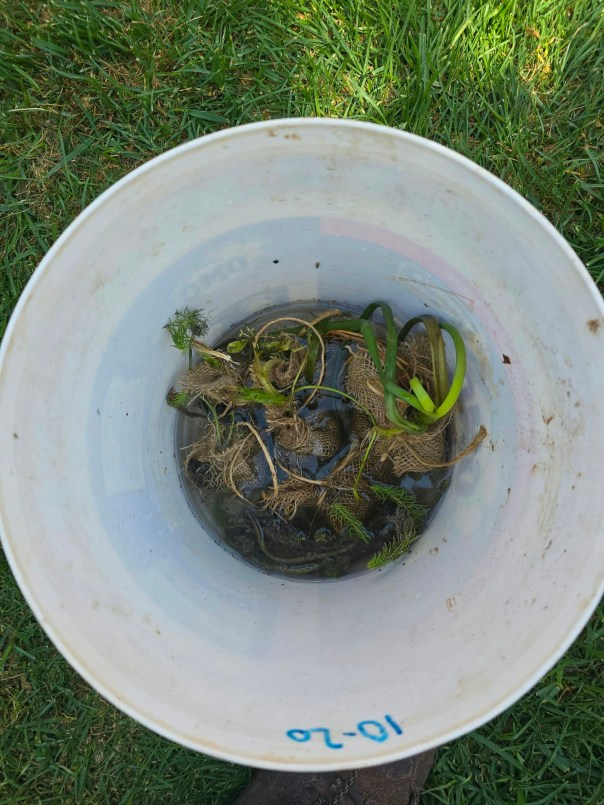
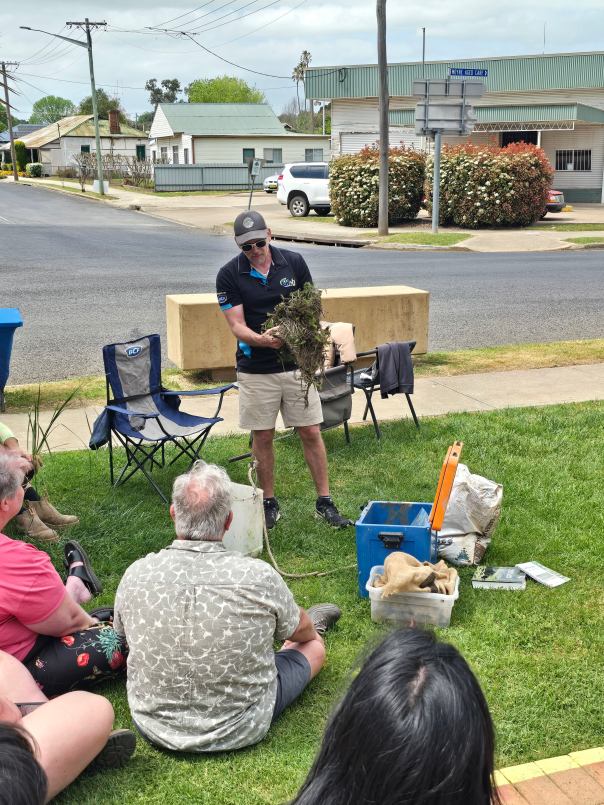
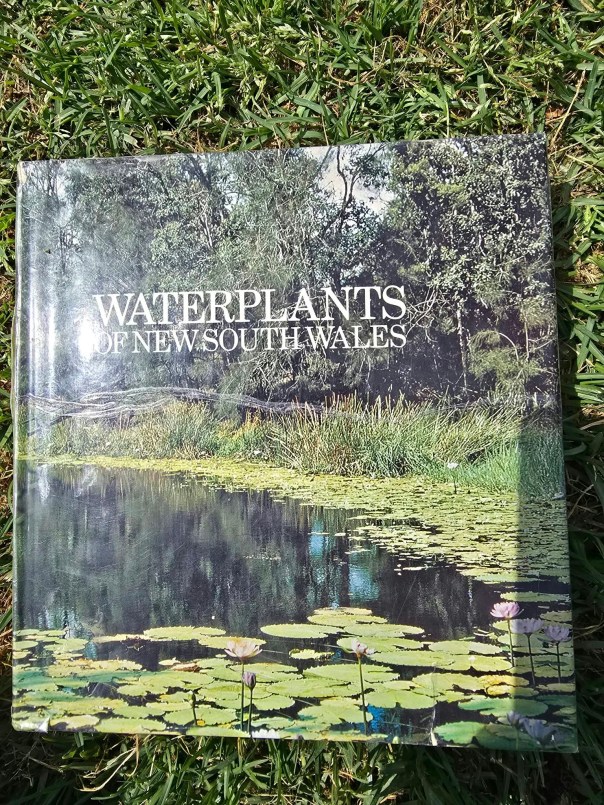
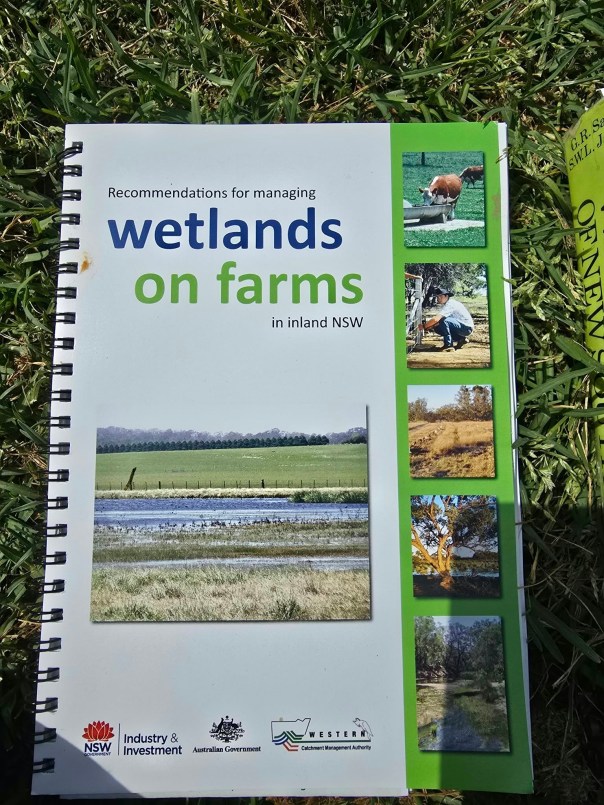
Floating pondweed (Potamageton) an emergent aquatic plant with aquatic and floating leaves, must be rooted underwater. Plant in permanent water up to 1 m deep.
Triglochin (arrow grass) an emergent aquatic plant with thick roots and tubers that can adhere to rocks. Plant in up to 1m deep water, can tolerate high flows or still water habitat.
Vallisneria (eelweed or tapegrass) a fully submergent plant that can grow to depths of over 3m. Must be rooted in mud or will float away. Tolerates low light conditions and heavy siltation if protected. Best for use as a torpedo plant. Easiest way to protect is a small chicken wire cage, shaped into a cylinder and sunk into bottom of wetland (like a standard plant guard but perhaps 1.5 m tall and 50 cm across).
To make a torpedo:
Take a small square of hessian, place a rock inside with some potting soil. Wrap the plant’s roots in the soil and hessian, making sure the green parts are showing. Cut small holes to ensure roots can escape and gain oxygen. Tie off with twine and fire!
Resources:


The article highlights the critical role of wetland plants in maintaining ecological balance and providing habitat for various species.
LikeLike
Pingback: Hooray For The Second Canowindra Carp Muster! | Mid Lachlan Landcare